
Opportunities To Use Trees And Hedges For Your EFA Requirement
As of 1st January 2026, the greening regulations changed and farmers and crofters with more than 15 hectares of arable land (including Temporary Grass) are now managing Ecological Focus Areas (EFAs). EFAs are areas of land managed for the benefit of the climate and the environment. This article will breakdown the three tree/hedge options available, the weighting factors of each and some key rules on eligibility.
The area of EFA that businesses need to manage could increase in the future. There are EFA options that include hedges and trees. Therefore, those with hedges/trees or those that are looking to establish them could use these towards their greening requirement either to replace an option they currently use or to potentially meet an increased requirement in the future.
A New Option for 2026 - Low Density Trees
- This option can be used on BPS eligible arable or grassland areas providing it is not on rough grazing.
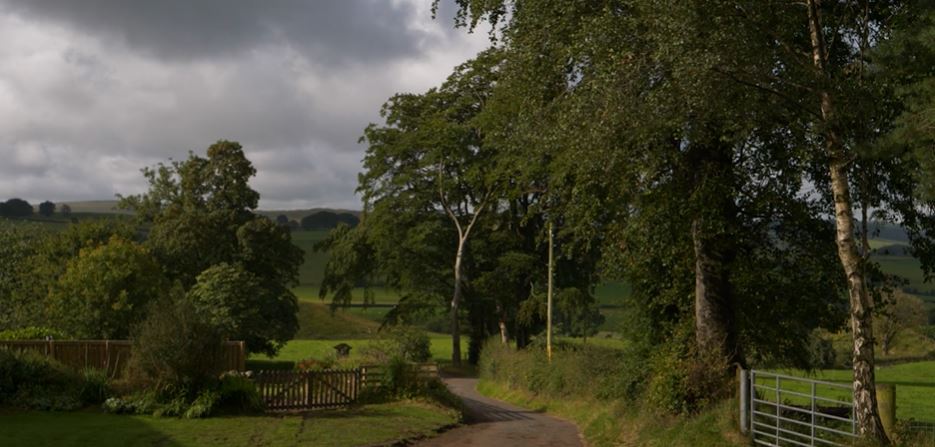
- You must have a minimum of 0.5 hectares of native trees, this can include fruit trees.
- To comply with the density requirements, you would need to plant 20 to 50 trees per hectare that are protected with guards.
- If you are planting the trees in arable situations, trees should be planted in rows, spaced to enable machinery to operate.
Weighting: This option has a weighting factor of 2 meaning that the area on the ground can be doubled to calculate the converted area that this option would contribute to your EFA area. For example, if you required 5ha of greening and planted 1.5ha in low density trees, the trees would qualify for 3ha towards your overall 5ha requirement.
Hedges - Another Qualifying EFA Option
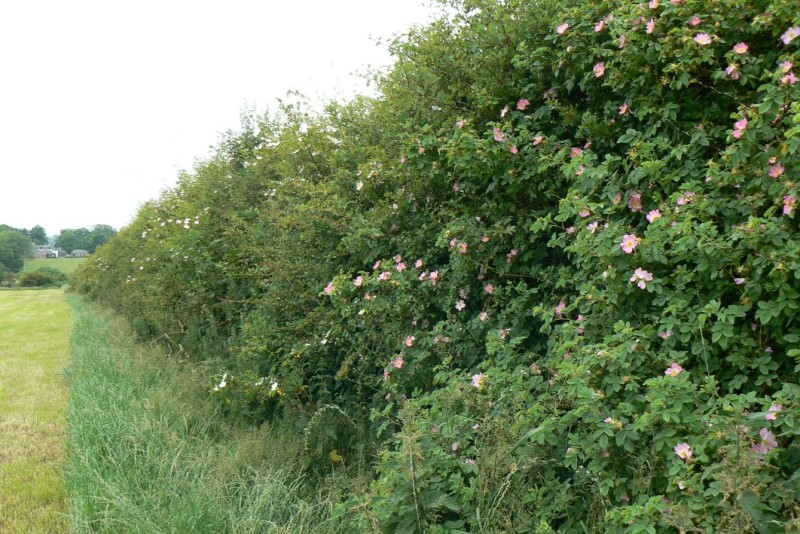
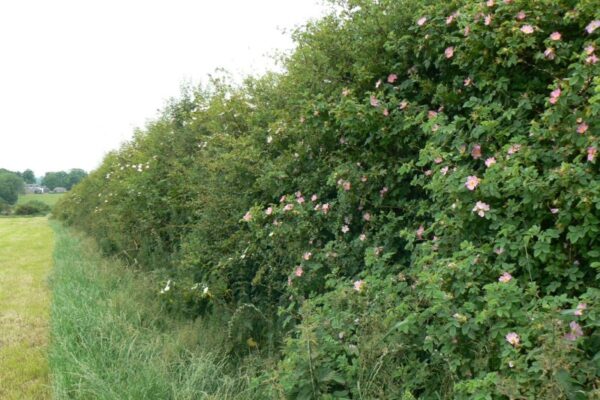
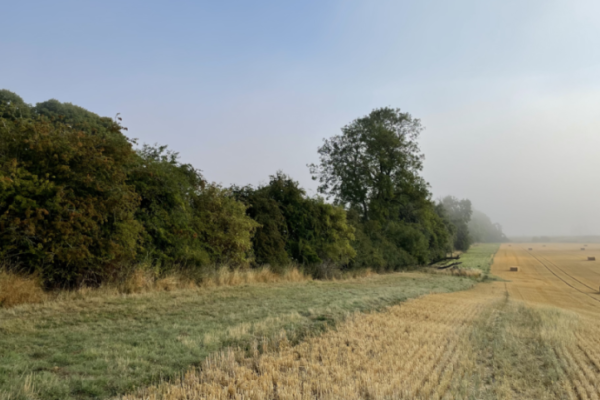
Hedges provide a valuable habitat and wildlife corridor while also providing shade and shelter for crops and livestock.
- To qualify under EFA, the hedge must be at least 20m long and any gap in the hedge must be less than 5m to be counted as part of the hedge.
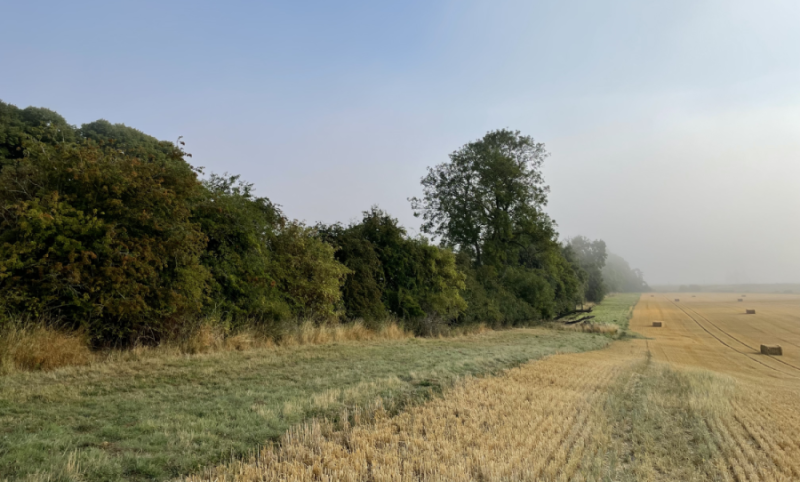
- The hedge must be on or within five metres of arable land or contiguous to a claimed EFA option.
- The hedge can be any height but must be up to and including 3m wide from the centre of the hedge.
- No trimming between 1 March and 1 December
Weighting: Each linear metre is worth 10m² (metres squared) of EFA contribution if claimed in its entirety. This means 50m of hedging would equate to 0.05ha towards your EFA requirement. If the hedge is a boundary between you and a neighbour, then you would only be able to claim 50% of the hedge. If using hedges as an EFA option. The no trimming period (1 March – 1 December) is a longer period in which you are unable to cut if you are using the hedge for greening so this is a key aspect to be aware of. The only exceptions are for road safety reasons, or when establishing winter oilseed rape or Temporary grass.
EFA Agro-forestry (EFAAF) Including Small and Farm Woodland
- This option has a weighting factor of 1
- Your land must be BPS eligible land and have been planted under the Forestry Grant Scheme since 2015.
- Specifically, you would need to ensure that the area is under an agroforestry or small or farm woodland scheme agreement with Scottish Forestry (check for codes FGS082-01, FGS082-02 or FGS081-009 in your FGS contract).
If you would like more information on other greening options, you can check out the dedicated section on the FAS webpage - Preparing For The Future
If you would like more detailed information on any of the three options highlighted in this article, please follow the link to the Rural Payments and Services webpage. The contents page is hyperlinked, allowing you to navigate directly to the option that interests you by clicking on the relevant heading.
In summary, using hedges or agro-forestry to contribute towards your greening requirement offers multiple benefits to the business beyond the obvious biodiversity and habitat benefits or meeting a compliance requirement. These include the potential to reduce run-off and soil erosion, creating shelter and shade and potentially contribute to income diversification.
Mhairi Dalgliesh, SAC Consulting
Related articles
Greening
Sign up to the FAS newsletter
Receive updates on news, events and publications from Scotland’s Farm Advisory Service