
Crops and Soils
description

Thrill of the Hill – Great Yellow Bumblebee
2017 saw the start of Scotland’s Pollinator Strategy, now in 2022 and half way through a ten-year plan, the role and importance of pollinators has only become more significant. Pollinators…
Read More >

Making The Most Of A Small Land Area – webinars
This is a three-webinar series “Making the most of a small area” This series aims to enable farmers and landowners to identify and fully utilise small areas of land, maximising…
Read More >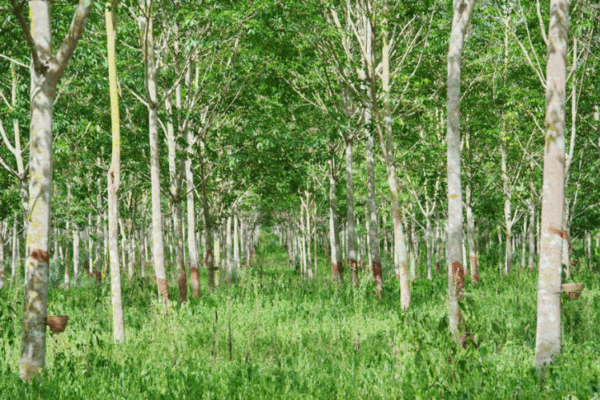
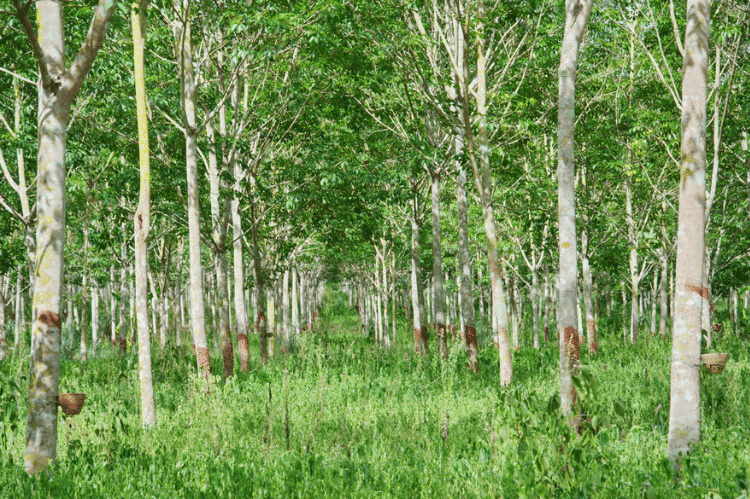
Soil Association Scotland’s Agroforestry in Action 2: Knowledge Transfer Programme
The aims of the project were to build on our 2021 ‘Agroforestry in Action’ (AIA) programme’s success, leveraging the knowledge acquired to continue building interest, increasing knowledge, and providing farmers,…
Read More >
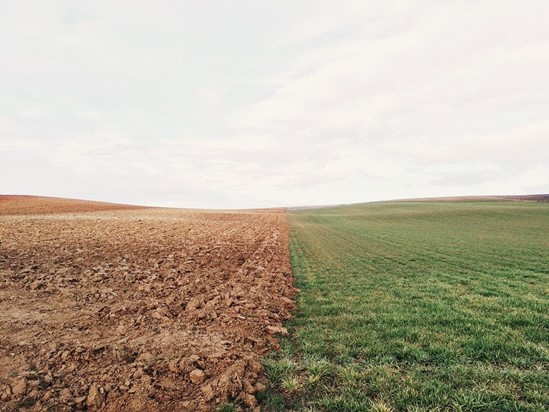
Soil Health – A Route Towards Net Zero for the Scottish Livestock Industry
Farm Stock (Scotland) Limited (FSS) was awarded a KTIF grant on 10/11/2021. The grant covered a project entitled A Route Towards Net Zero for the Scottish Livestock Industry to be…
Read More >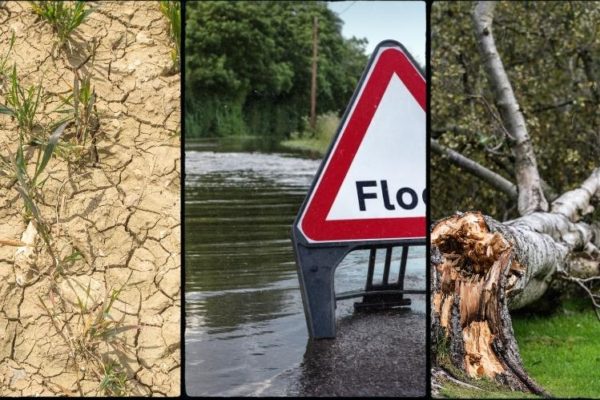
Getting the farm ‘climate ready’
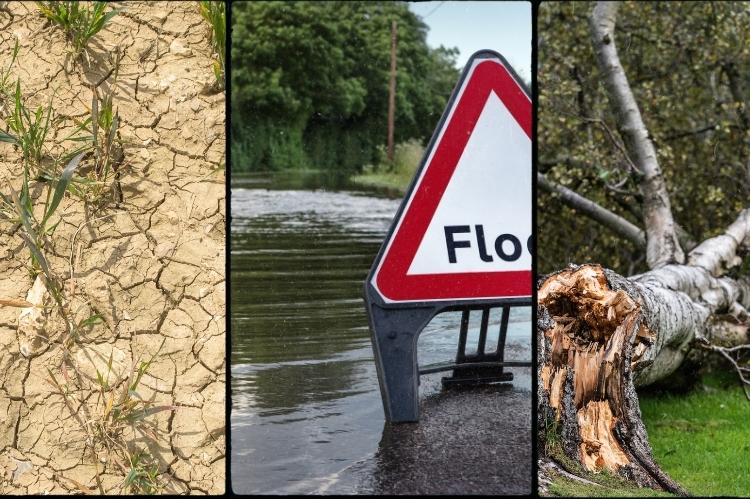
Farmers and land managers are constantly making business decisions whilst having to factor in and account for various unknowns; fluctuating commodity prices, market trends, changing regulations and new schemes are…
Read More >

2022 SAF Forms – are you going online?
The window for 2022 Single Application Forms (IACS) forms will open on the 15th March and close on Monday 16th May. In 2021 over 93% of forms were completed online.…
Read More >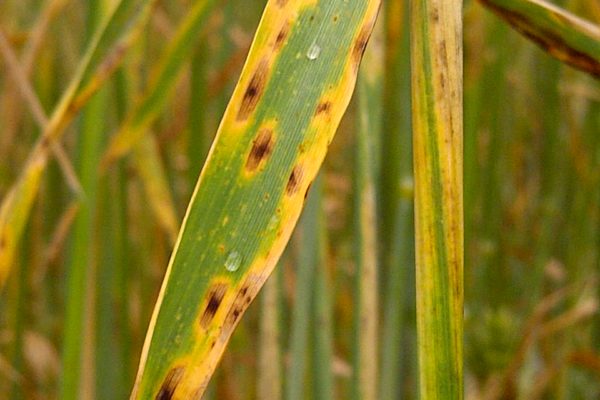
Disease Planning Starts Early
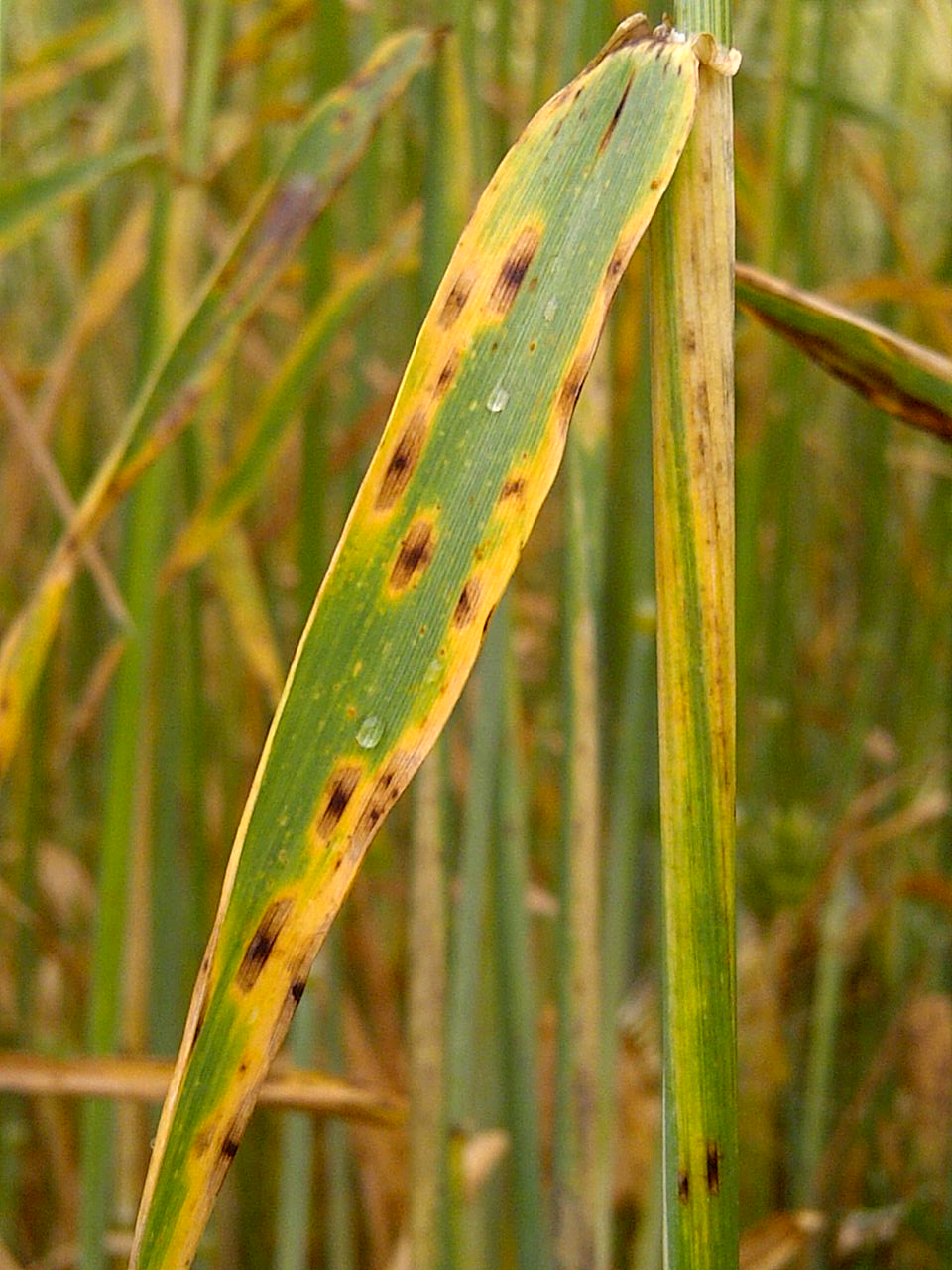
Planning out a disease management strategy in cereal crops needs to start earlier than usual this season. Programmes can be adjusted as the season goes on but setting out the basic framework makes it possible to work in a diversity of chemistry to minimise resistance risks and cover the main diseases and timings.
Read More >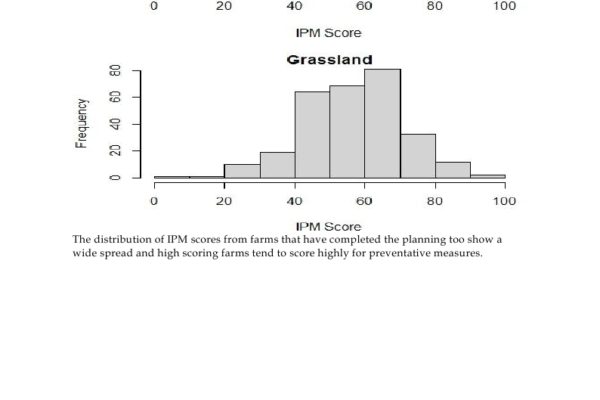
Integrated Pest Management – Top Tips from High Scoring Farms
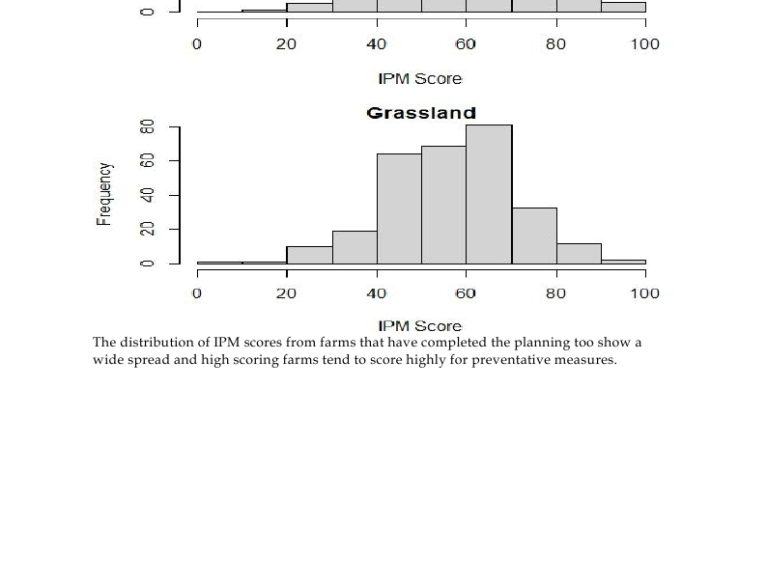
The IPM planning tool for Scottish growers is starting to give useful insights about what high scoring farms do and where they get their information. Filing in an Integrated Pest Management plan is now standard practice on most arable farms and is a useful tool to explore what can be done on individual farms to increase IPM practices. IPM plans are also being picked up across mixed and grassland farms too. Almost 5000 arable plans have been completed to date for arable farms and nearly 300 for grassland plans – just launched at the end for 2021. Average scores for arable farms are 64.8% and for grassland farms 56.9%. This provides really positive evidence about what the farming industry is already doing to produce crops in integrated and sustainable ways.
Read More >
Information Note: Trees and carbon capture
Agricultural land use is primarily a net emitter of greenhouse gases whilst woodland has the potential to reduce emissions by acting as a carbon sink. This Information Note accompanies the…
Read More >