
Crops and Soils
description
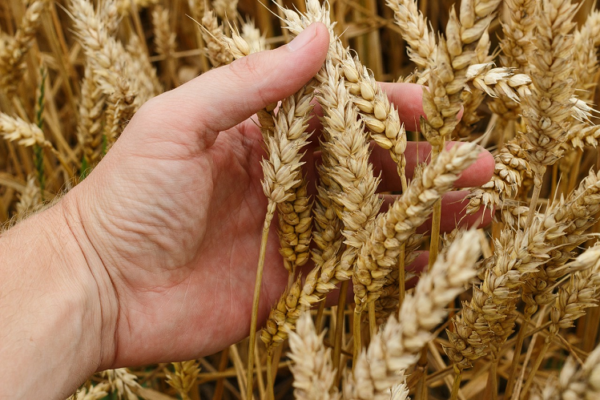
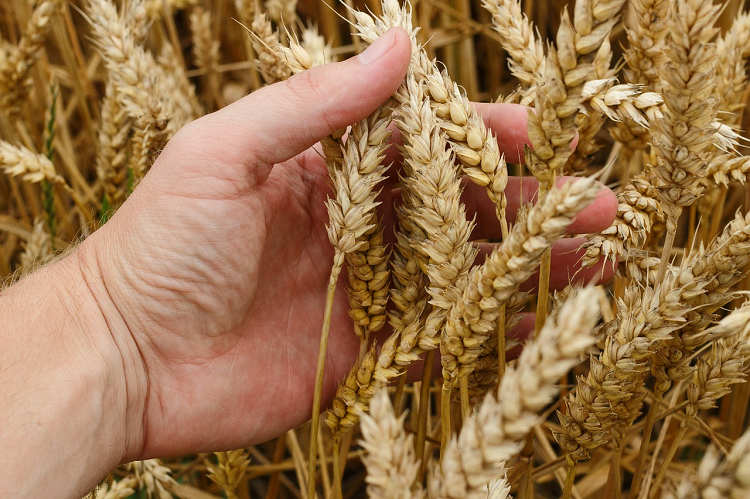
Winter Wheat – October 2020
Pests Wheat bulb fly egg laying will be dropping off now. Growers should identify potential fields at risk and consider an assessment of egg numbers in fields planned for wheat.…
Read More >
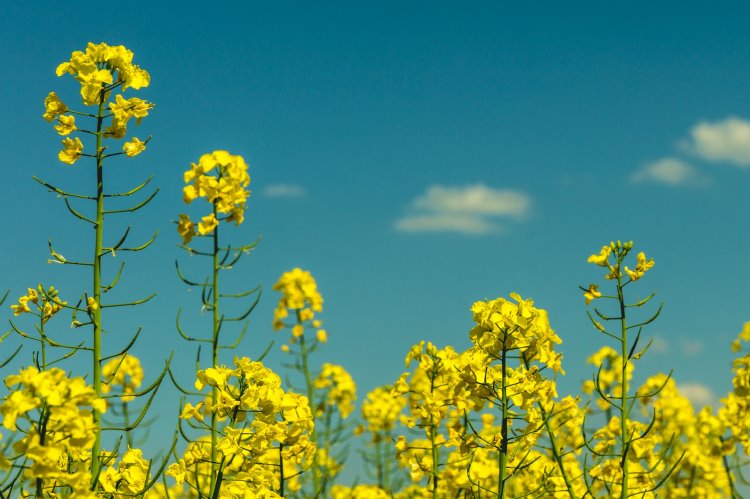
Winter Oilseed Rape – October 2020
Diseases Early fungicide sprays for phoma are not cost-effective in Scotland except in areas where the disease is prevalent, and although the disease is sometimes recorded in Scottish crops, especially…
Read More >
All Cereals – October 2020
Pests The numbers of aphids flying into crops will be dropping with the change to cooler weather. There is still a risk of cereal aphids picking up barley yellow dwarf…
Read More >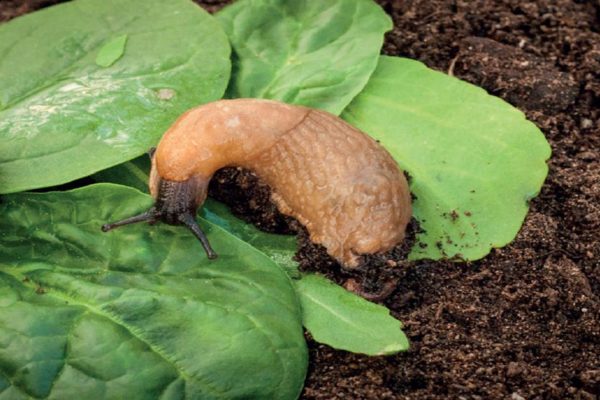
All Winter Crops – October 2020
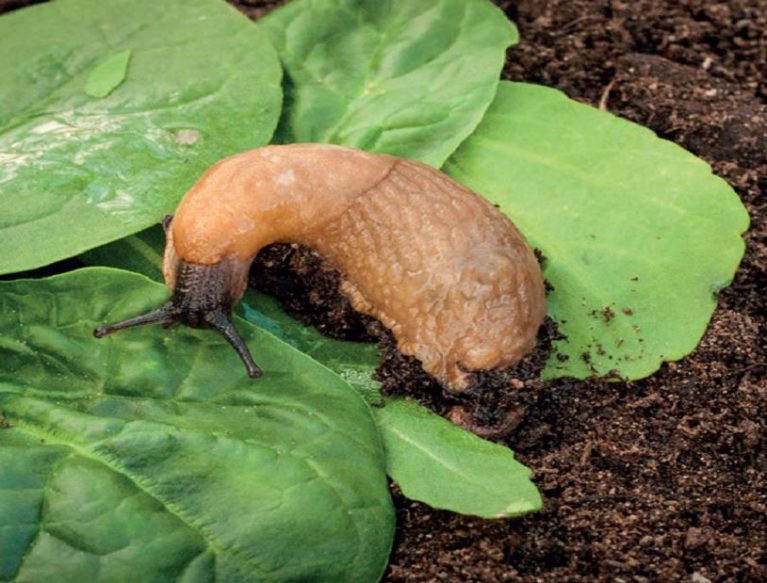
Slug damage is common in winter oilseed rape crops and wheat will be next on the menu.
Read More >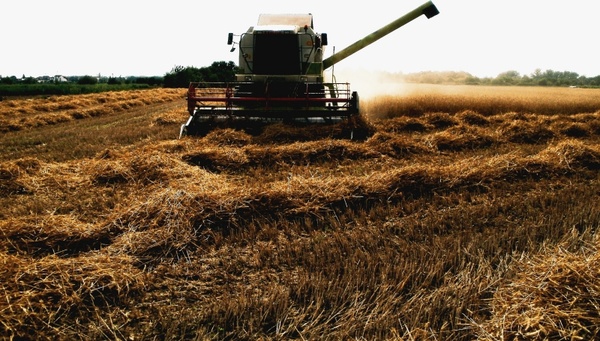
Harvested Crops
Pests in Grain Ensure grain moisture is kept below 14% and pests in store won’t be an issue. Remember that pest problems arise because they are already present in the…
Read More >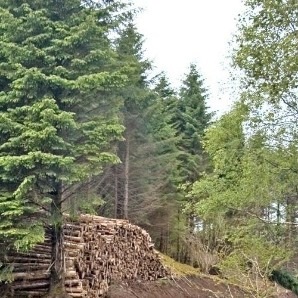
Podcast: The Thrill of The Hill – Woodlands
For the third episode of the Thrill of The Hill podcast, Alex Pirie is joined by David Eadie, a woodlands consultant, to discuss the potential of woodland planting and management…
Read More >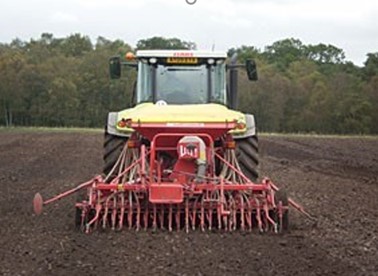
When should a first wheat be treated as a second wheat?
With an anticipated reduction in demand due to the disruption from COVID combined with reports of quality issues leading to costly deductions and rejections, a number of malting barley growers are looking at sowing winter wheat following…
Read More >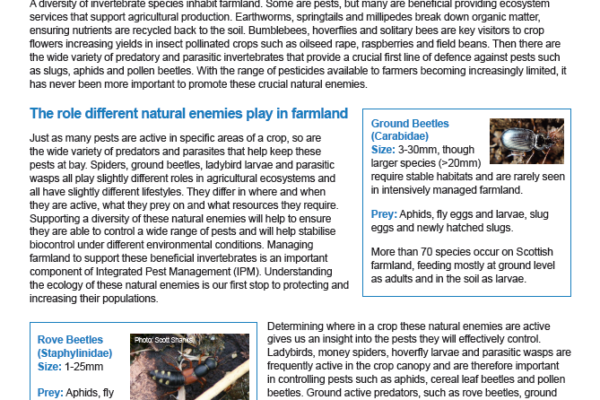
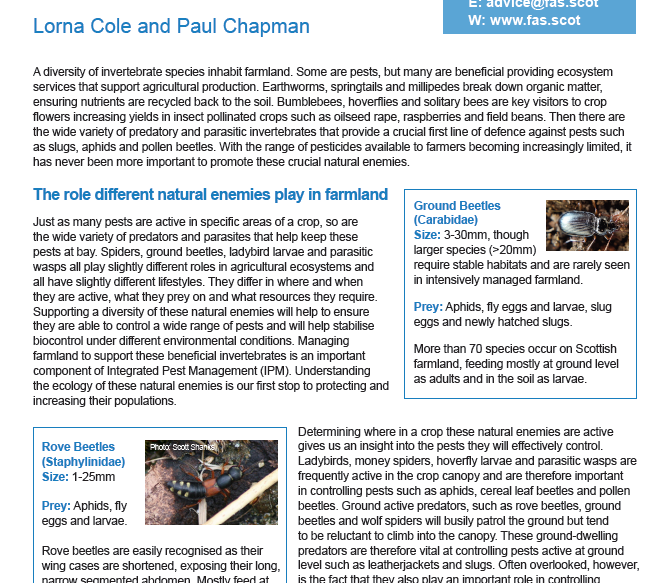
Natural enemies, their lifestyles and how to promote them
Natural enemies, their lifestyles and how to promote them A diversity of invertebrate species inhabit farmland. Some are pests, but many are beneficial providing ecosystem services that support agricultural production.…
Read More >Natural enemies, their lifestyles & how to promote them
A diversity of invertebrate species inhabit farmland. Some are pests, but many are beneficial providing ecosystem services that support agricultural production. Earthworms, springtails and millipedes break down organic matter,
ensuring nutrients are recycled back to the soil. Bumblebees, hoverflies and solitary bees are key visitors to crop flowers increasing yields in insect pollinated crops such as oilseed rape, raspberries and field beans. Then there are the wide variety of predatory and parasitic invertebrates that provide a crucial first line of defence against pests such as slugs, aphids and pollen beetles. With the range of pesticides available to farmers becoming increasingly limited, it has never been more important to promote these crucial natural enemies.
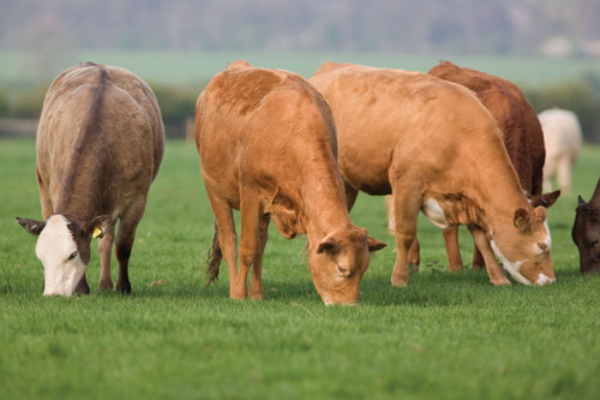
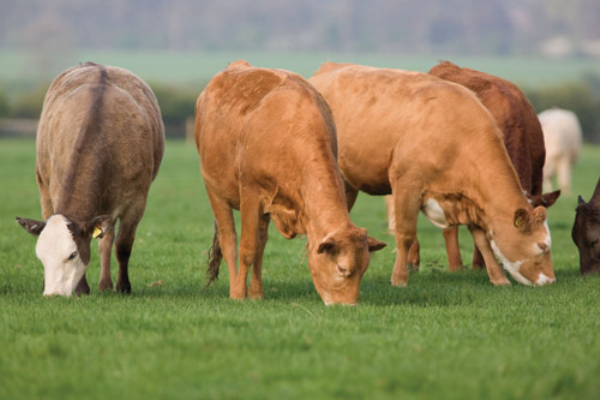
Podcast: NE Organic Discussion Group with Mary Young and David McClelland
In this podcast Malcolm Macdonald talked to SAC Nutritionist Mary Young and Norvite Technical Director David McClelland about minerals in ruminant rations. This included an overview of the major minerals…
Read More >