
Growing the Crop [AR.GC]

CropCast – Gross Margins and Crop Trials
Welcome to CropCast, your go to podcast for all the latest information on arable crops. Each month, Tiffany Mactaggart will be joined by a range of industry experts, bringing you…
Read More >
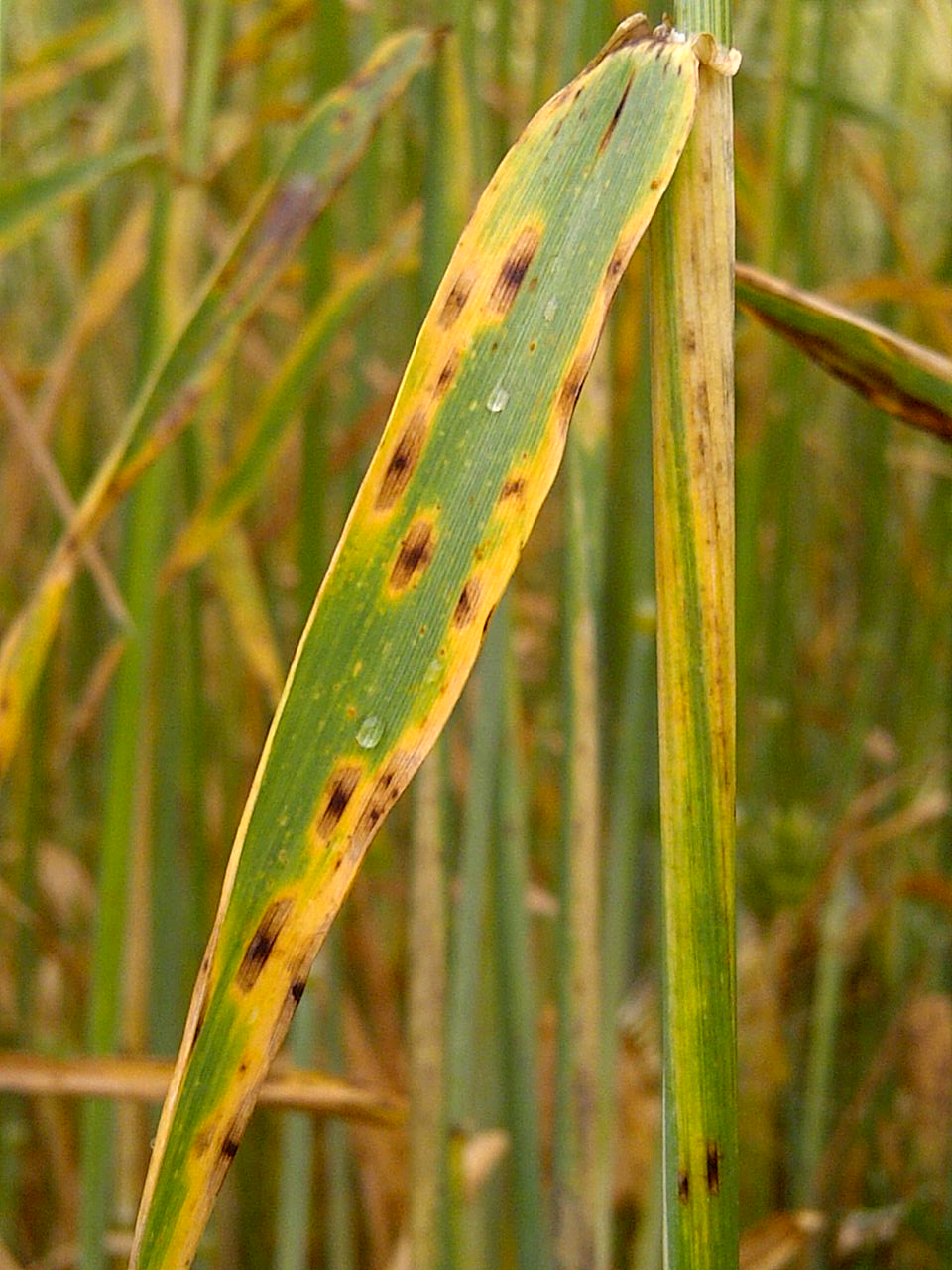
Disease Planning Starts Early
Planning out a disease management strategy in cereal crops needs to start earlier than usual this season. Programmes can be adjusted as the season goes on but setting out the basic framework makes it possible to work in a diversity of chemistry to minimise resistance risks and cover the main diseases and timings.
Read More >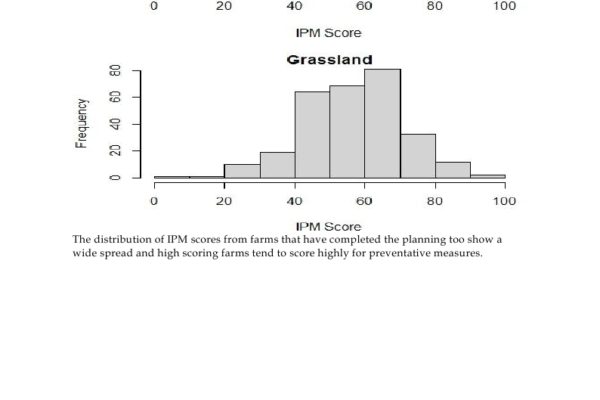
Integrated Pest Management – Top Tips from High Scoring Farms
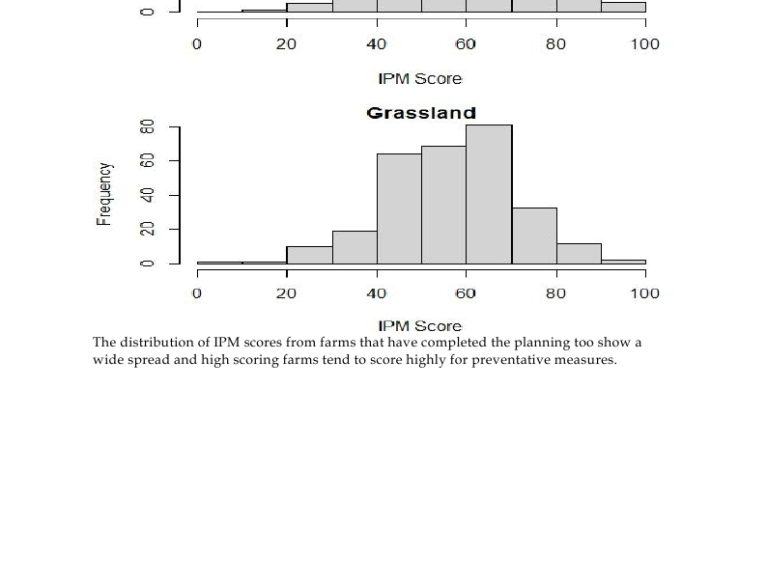
The IPM planning tool for Scottish growers is starting to give useful insights about what high scoring farms do and where they get their information. Filing in an Integrated Pest Management plan is now standard practice on most arable farms and is a useful tool to explore what can be done on individual farms to increase IPM practices. IPM plans are also being picked up across mixed and grassland farms too. Almost 5000 arable plans have been completed to date for arable farms and nearly 300 for grassland plans – just launched at the end for 2021. Average scores for arable farms are 64.8% and for grassland farms 56.9%. This provides really positive evidence about what the farming industry is already doing to produce crops in integrated and sustainable ways.
Read More >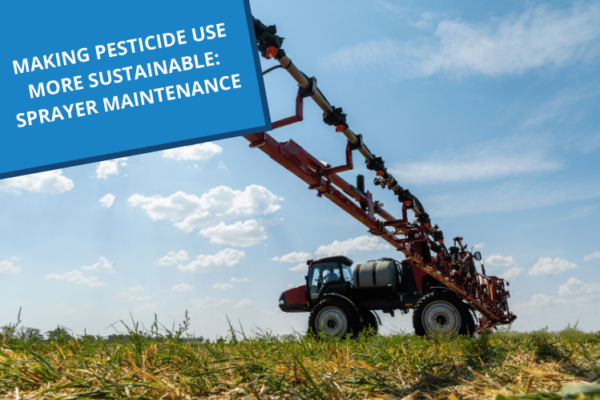
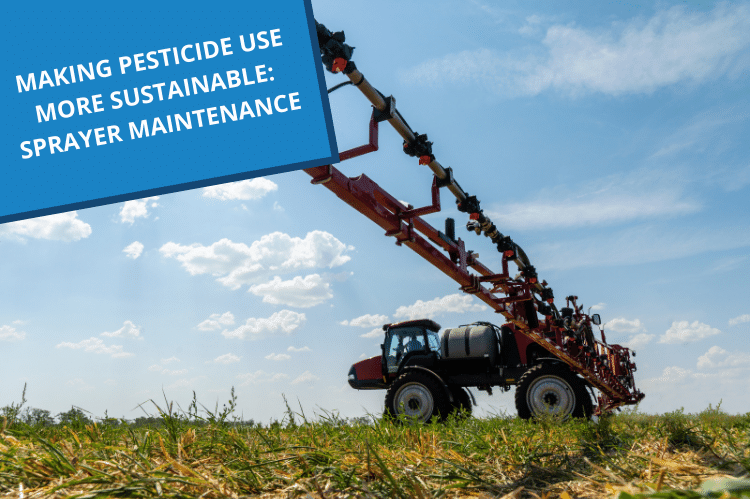
Making pesticide use more sustainable: Sprayer maintenance
Ben Bryant, Precision Farming Manager, Chafer Machinery Ltd, goes through a crop sprayer from top to bottom, identifying the key areas for operators to monitor as well as offering helpful…
Read More >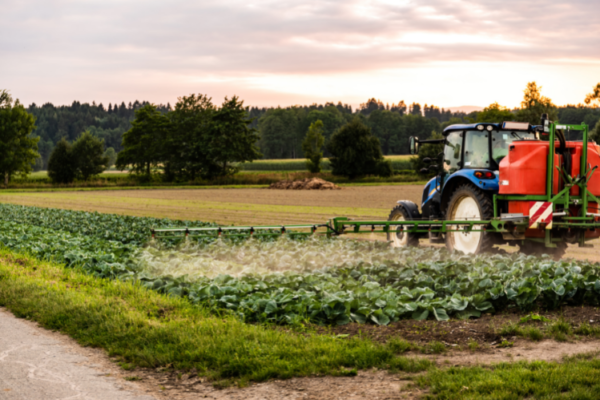
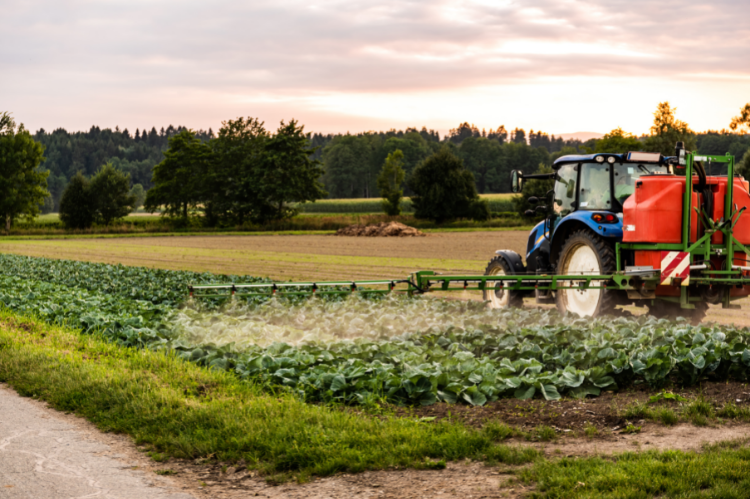
Pesticide Information Note: How to conduct a LERAP
Local Environmental Risk Assessment for Pesticides (LERAP) allow sprayer operators to reduce the buffer zones shown on some product labels. Reading the label is key as no reduction will be…
Read More >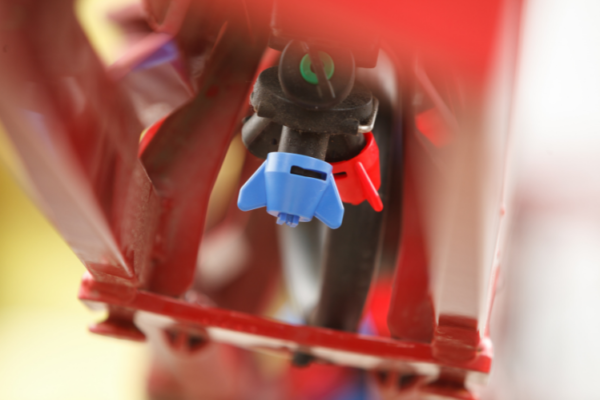
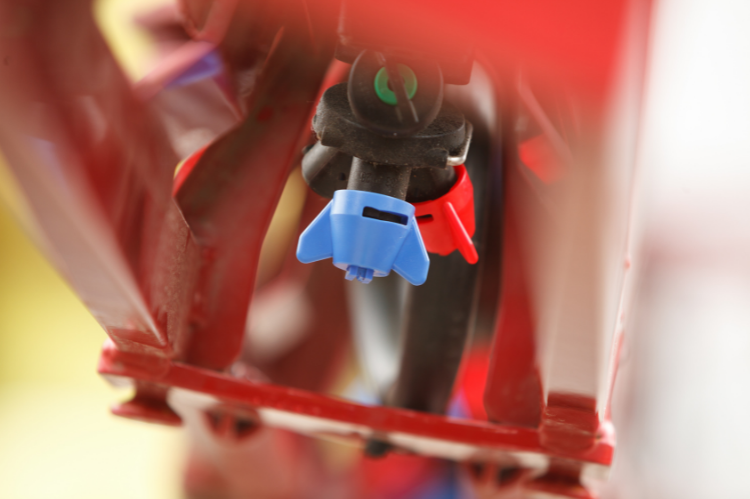
Pesticide Information Note: Know Your Nozzles
Sprayer nozzles play a vital role in ensuring pesticide applications reach the right target at the right rate. Nozzle choice influences: Droplet size and spray quality Likelihood of spray drifts…
Read More >

Profitability of Rotations Factsheet
An ideal rotation should include a balance of different crops. The main aim of a rotation is to provide a profitable sequence that breaks the pest and disease cycle, improves…
Read More >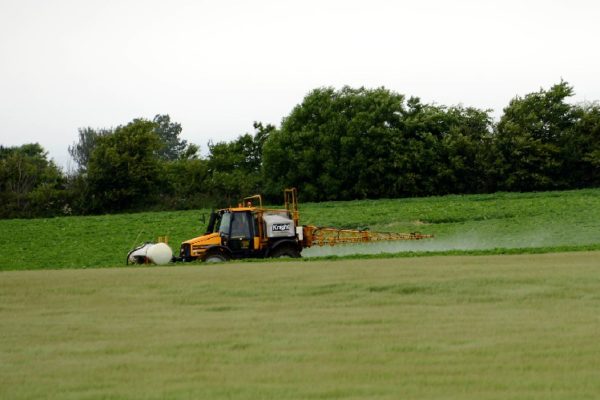
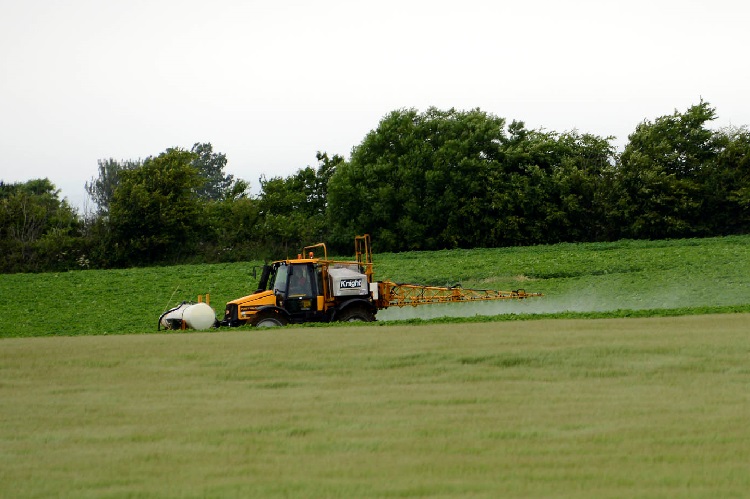
Pesticide Information Note: Buffer Zones
When applying pesticides, Buffer Zones have been used for a number of years to help protect water environments. Their use also helps producers avoid penalties from breaching cross compliance rules…
Read More >
Cropcast: Sustainable Variety Choices
Join SRUC’s Prof Fiona Burnett as she talks to Donald Dunbar from SAC Consulting and Dr Steve Hoad from SRUC. In this episode of the podcast they talk about up-and-coming…
Read More >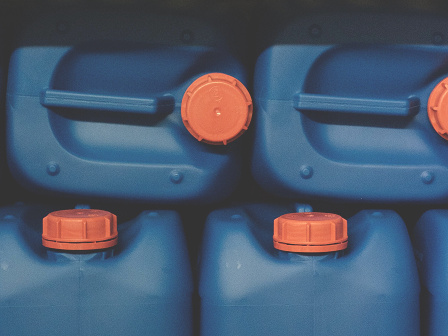
Pesticide Information Note: Pesticide containers – cleaning and disposal
The application of pesticides inevitably results in the production of waste, principally in the form of pesticide containers and packaging. IMPORTANT: You have a duty of care and a legal responsibility for all wastes produced or handled on your farm. You are responsible for the storage, transport and ultimate disposal of these wastes.
Read More >