
How Land Managers can help Atlantic Salmon
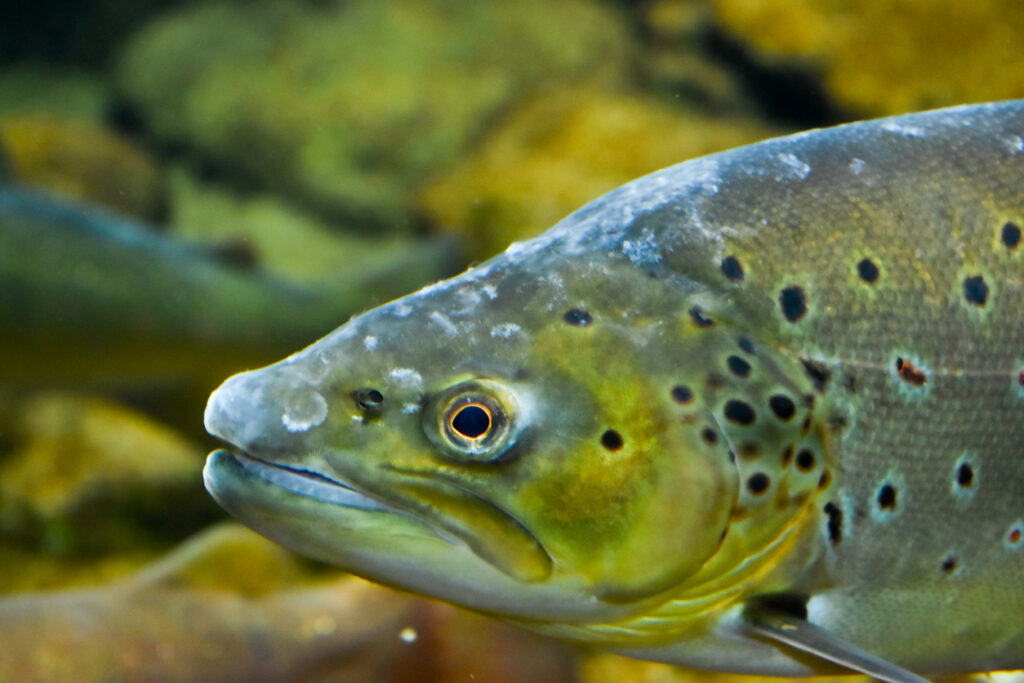
Atlantic salmon (Salmo salar) are iconic of Scotland’s rivers and lochs — a keystone species whose health reflects the condition of our upland catchments. As migratory fish, salmon depend on clean, well-connected freshwater systems from spawning grounds high in the hills to feeding grounds far out at sea. Their populations face growing pressures, but land managers in Scotland’s uplands can play a key role in their recovery and the wider resilience of our freshwater environments.
Why salmon matter?
- Cultural and Economic Value: Salmon support rural tourism, angling, and local livelihoods across Scotland.
- Biodiversity Signpost: Thriving salmon indicate healthy rivers that support a web of life — including otters, dippers, kingfishers, and aquatic insects.
- Nutrient Cycling: Spawning salmon bring marine nutrients upstream, enriching upland freshwater ecosystems.
Actions to benefit Atlantic Salmon
Catchment-Scale Collaboration
Improving conditions for Atlantic salmon is most effective when carried out across entire river catchments. Because salmon migrate between different habitats throughout their lifecycle, restoring their populations requires joined-up actions between farms, estates, fisheries trusts, and local communities. Coordinated efforts are especially important in tackling issues like diffuse pollution, habitat fragmentation, and invasive species.
Riparian Habitat Restoration
Planting or naturally regenerating native trees along rivers and burns helps shade the water, keeping it cooler in summer — crucial as climate change drives up water temperatures. Tree roots stabilise riverbanks, reduce erosion, and support a healthy aquatic food chain by dropping leaves and insects into the water. Species like willow, alder, birch, and rowan are ideal for riparian zones in upland Scotland.
Soil and Sediment Management
Fine sediment entering rivers from eroded peatlands, poached grazing land, forestry tracks, or cultivation can smother spawning gravels and reduce oxygen levels needed for egg development. Actions such as blocking old hill drains, rewetting peatlands, fencing off vulnerable watercourses, and using cross-drainage on tracks all help reduce these inputs and improve water quality for salmon and other species.
Channel Naturalisation and Barrier Removal
Restoring natural river and burn structure — by reintroducing meanders, pools, and woody debris — enhances habitat diversity and oxygenation. Adding features like boulders and root wads helps create shelter for juvenile salmon and improves conditions for feeding and migration. Where possible, removing man-made barriers such as culverts or small weirs helps reconnect vital spawning and nursery areas in the headwaters.
Control of Invasive Species
Invasive riparian plants like Himalayan balsam, Japanese knotweed, and giant hogweed can reduce native vegetation, destabilise riverbanks, and impact aquatic biodiversity. American mink can also prey on juvenile fish and nesting birds. Landscape-scale control efforts — especially those involving neighbouring land managers working together — can restore native plant cover and protect river ecosystems.
Grazing and Deer Pressure Management
Overgrazing by livestock or deer can prevent trees and shrubs from establishing naturally along riverbanks. This limits shade, increases erosion risk, and reduces bank stability. Adjusting grazing regimes, fencing sensitive areas, and managing deer populations can allow vegetation to recover, benefiting both salmon and a wide range of terrestrial and aquatic species.
Alexander Pirie



Sign up to the FAS newsletter
Receive updates on news, events and publications from Scotland’s Farm Advisory Service