
Livestock Diversification in Scotland – Finding the Right Enterprise for Your Land
Scotland's farming landscape is remarkably diverse. From the fertile arable fields of Angus and the Borders to the rough upland grazing of the Highlands and Islands, our varied land types create opportunities to consider beyond traditional beef and sheep production.
As markets evolve, climate pressures increase, and farming businesses look to spread risk, many Scottish farmers have been exploring alternative livestock enterprises. While diversification should never be viewed as a quick fix, the right enterprise, matched to the right land and supported by a strong market plan, can provide additional income streams, improve land utilisation and strengthen long-term business resilience.
When considering this as a diversification option, the first stop is to ask the question; ‘What livestock is best suited to my land, resources, skills and market opportunities?’ rather than chasing unsuitable trends that are unlikely to yield results in the long term. It may be the case that you already have significant infrastructure in place that would be suitable for a complementary livestock enterprise.
This article will explore some diversification options, looking at their suitability based on land type and potential market opportunities.
Diversification Should Strengthen the Whole Business
A well-planned diversification project should improve resilience, spread risk and create new opportunities for growth, and avoid adding complexity. By understanding both the opportunities and the regulatory and funding landscape from the outset, Scottish farmers can make informed decisions that deliver long-term value for their business.
The most successful livestock diversification ventures are those that complement existing enterprises and make better use of farm assets. The key is aligning the enterprise with land capability, market demand and business objectives.
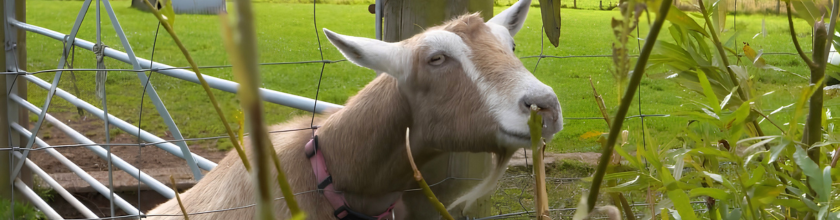
Goats - Capitalising on Marginal Ground
Goats have gained significant interest across Scotland, particularly for dairy, meat and conservation grazing enterprises.
Well suited to rough grazing and browse-rich environments, goats can utilise vegetation that cattle and sheep often avoid, including scrub, bracken and woody species. This makes them particularly attractive for upland, hill and crofting systems where controlling vegetation is important.
Commercial opportunities include:
- Dairy production for artisan cheeses and speciality products
- Meat production for growing ethnic and premium markets
- Conservation grazing contracts
- Agritourism and educational enterprises
Before You Invest:
Goats require excellent fencing and housing. They are natural escape artists and thrive under intensive management. Farmers should also assess local processing capacity, veterinary support and market access before committing.
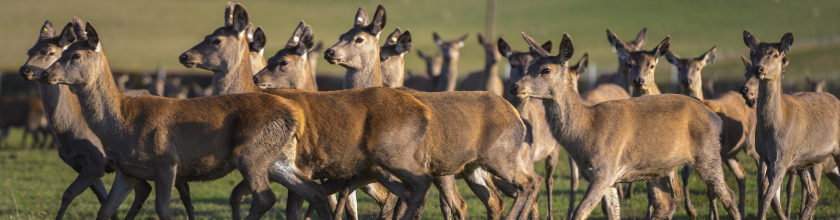
Deer Farming: Adding Value to Scotland's Natural Advantage
Few countries are as closely associated with venison as Scotland. Farmed deer can provide a premium meat product with strong sustainability credentials and appeal to health-conscious consumers.
Deer are generally suited to:
- Hill ground
- Marginal grassland
- Mixed grazing systems
- Estates seeking diversification opportunities
Venison production can complement existing agricultural enterprises while making productive use of land less suitable for intensive livestock systems.
Before You Invest:
Deer require specialist fencing, handling facilities and management expertise. Processing availability is critical, and securing reliable market outlets prior to expansion is essential. Farmers should also carefully assess labour requirements, as deer handling differs significantly from conventional livestock.
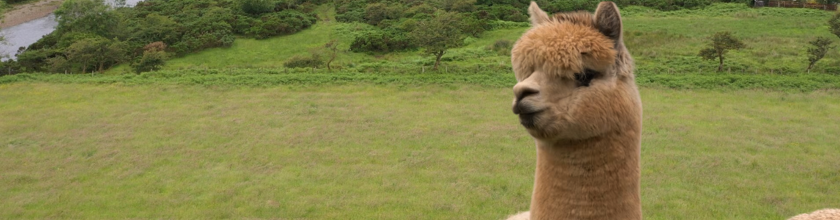
Alpacas and Llamas: Niche Markets with Lifestyle Appeal
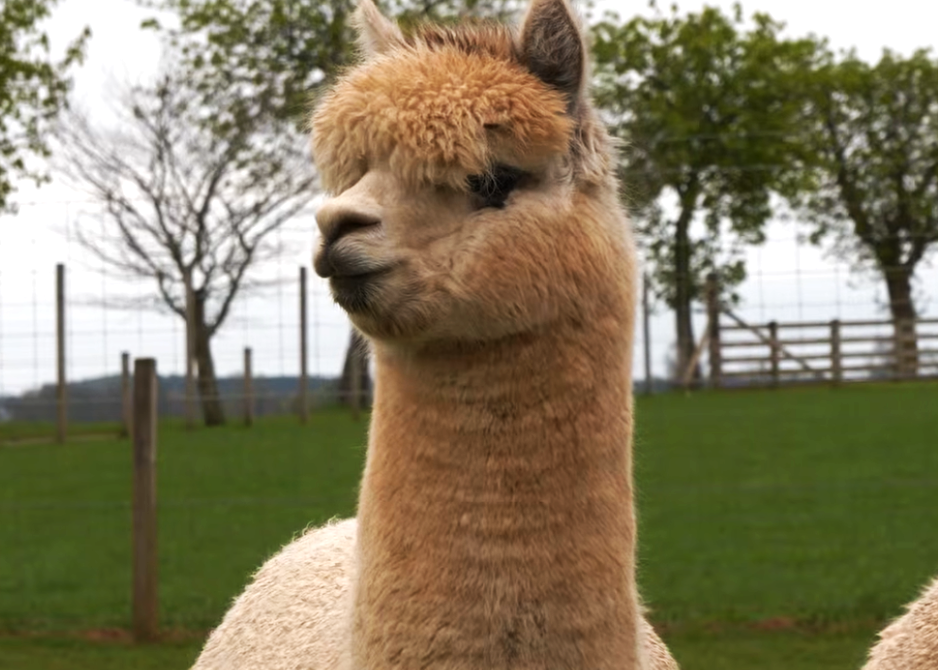
Alpacas have become increasingly popular among Scottish diversified farms.
While fibre production remains a niche market, opportunities exist through:
- Breeding stock sales
- Fibre products
- Farm experiences and tourism
- Trekking enterprises
- Educational visits
Alpacas perform well on lighter grazing systems and can fit alongside livestock enterprises without excessive feed requirements.
Before You Invest:
The strongest returns often come from breeding and tourism rather than fibre alone. Farmers should be realistic about market demand and avoid entering solely on the expectation of premium breeding stock prices.

Pigs: A Flexible Enterprise for Productive Land
For farmers with access to quality grassland, rotational arable land or surplus feed resources, outdoor pig production can offer an attractive diversification opportunity.
Benefits include:
- Strong demand for local pork products
- Direct sales opportunities
- Integration into regenerative farming systems
- Use of surplus feed and by-products
Outdoor systems can suit many lowland areas of Scotland, particularly where free-draining soils are available.
Before You Invest:
Pig production can be highly sensitive to feed prices and market volatility. Disease management, biosecurity and welfare standards require significant attention, while securing processing facilities remains a key consideration.
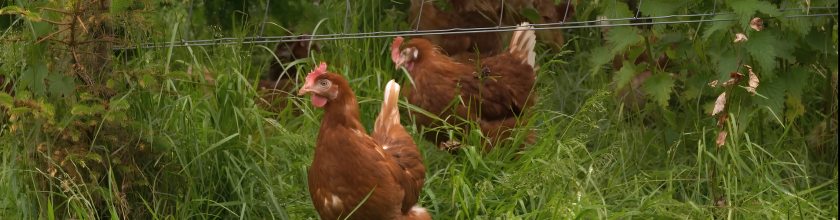
Poultry: From Eggs to Premium Meat Production
Free-range poultry systems continue to attract interest due to soaring consumer demand for protein – both eggs and chicken can offer an accessible price point due to comparatively low input costs and short lifecycles.
Opportunities include:
- Free-range eggs
- Table birds
- Specialist breeds
- Direct farm sales
- Mobile chicken enterprises
Poultry enterprises often require less land than other livestock options, making them attractive for smaller farms and new entrants.
Before You Invest:
The sector is vulnerable to disease outbreaks, particularly avian influenza, which can impact movement and marketing. Farmers should fully understand regulatory requirements and develop robust biosecurity plans.
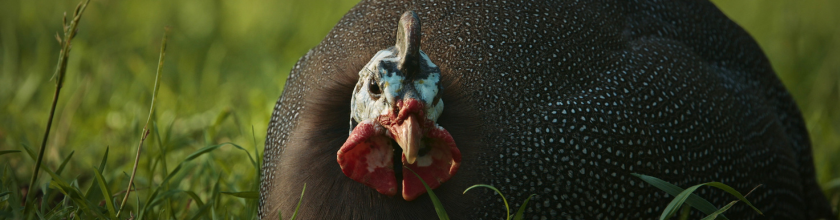
Guinea Fowl: The Curious Case for Guinea Fowl on Scottish Farms
Gaining traction after featuring on Jeremy Clarksons ‘Clarksons Farm’ on Amazon, Guinea fowl can offer an attractive niche diversification opportunity for Scottish farms, particularly where there is an interest in premium poultry production, agritourism or integrated pest management. Valued for their flavourful, lean meat and excellent foraging ability, guinea fowl can thrive on a range of land types, from lowland grassland to rougher grazing and woodland margins. They are particularly effective at controlling ticks, beetles and other insects, making them a useful addition to mixed farming, market garden and small-scale diversified enterprises. Their distinctive appearance and character can also enhance farm visitor experiences and direct-to-consumer food offerings.
Before you invest:
Confirm access to suitable processing facilities for poultry and consider the birds' tendency to roam and ensure boundaries, neighbouring properties and nearby roads will not create issues. Evaluate potential noise impacts, particularly if operating close to residential areas.
While unlikely to become a large-scale commercial enterprise, guinea fowl can provide a profitable and distinctive addition to a diversified farming business when supported by a clear marketing strategy and suitable infrastructure
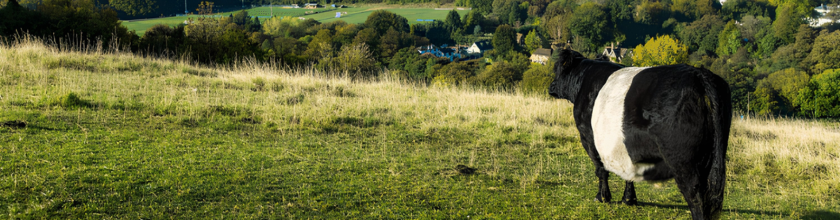
Heritage and Rare Breed Livestock: Premium Markets and Conservation
Diversifying into rare and heritage breeds of sheep and cattle can offer Scottish farmers an opportunity to generate additional income while making use of land that may be less suited to intensive production systems. Breeds such as Highland and Belted Galloway cattle, Hebridean sheep, North Ronaldsay sheep and Shetlands are renowned for their hardiness, ability to thrive on rough grazing and suitability for low-input farming systems. Many native breeds have been developed specifically for the landscapes and climates of Scotland and can often perform well where more commercial breeds require higher levels of feed and management
Opportunities include:
While heritage breeds are generally slower growing than commercial livestock, they can access premium markets that value provenance, animal welfare, sustainability and flavour. Demand exists from:
- Farm shops
- Independent butchers
- Restaurants
- Consumers seeking locally produced, traditional breed meat.
Premium prices are often achievable where producers can tell the story behind the breed and sell directly to customers.
Beyond meat production, rare breeds are increasingly used in conservation grazing projects, helping landowners, environmental organisations and conservation bodies manage habitats and improve biodiversity. These contracts can provide an additional source of income and align with Scotland's growing focus on nature restoration and sustainable land management.
Before You Invest:
Success is rarely achieved through livestock sales alone. The most profitable enterprises often combine breeding stock sales, direct meat marketing, conservation grazing, agritourism and environmental funding opportunities. For farmers looking to diversify, heritage breeds can provide a resilient, distinctive and commercially viable addition to the business, provided there is a clear market and a system suited to the breed.
Matching Enterprise to Land Type
One of the biggest mistakes in diversification is choosing livestock first and assessing suitability second.
| Land Type | Most Suited To: |
|---|---|
| Prime Lowland Grassland | • Pigs • Poultry • Specialist beef finishing • Dairy goats • Intensive sheep systems |
| Mixed Farming Areas | • Deer • Pigs • Poultry • Goats • Multi-species grazing systems |
| Upland and Marginal Land | • Deer • Goats • Hardy sheep breeds • Conservation grazing enterprises |
| Highlands and Islands | • Deer • Native and traditional breeds • Goats • Low-input livestock systems • Tourism-linked livestock enterprises |
Questions Every Farmer Should Ask Before Diversifying
Before investing in any alternative livestock enterprise, take time to consider:
Is There a Market?
Many diversification ideas fail because production begins before customers are identified. Understand who will buy the product, at what price, and in what volumes.
Do I Have the Right Infrastructure?
Livestock enterprises often require more investment than expected. Fencing, housing, water systems, handling facilities and transport can significantly increase start-up costs.
What Skills Are Required?
Different species require different management approaches. Seek training, visit existing businesses and learn from experienced producers before investing.
Can It Fit Around Existing Enterprises?
The most successful diversification projects often complement existing farm activities rather than compete with them for labour, land or resources.
What Are the Regulatory Requirements?
Licensing, traceability, movement regulations, inspection requirements and processing arrangements can all influence enterprise viability.
The Opportuniy Ahead
Diversification into alternative livestock is not about chasing trends. It is about finding enterprises that make best use of the land available, available grazing resources and changing market opportunities.
Whether it is goats browsing neglected hill ground, deer producing premium venison from marginal land, free-range poultry supplying local customers, or tourism enterprises built around alpacas and rare breeds, the opportunities are considerable.
The most successful ventures are those that start with a clear understanding of the farm's assets, the business's long-term goals and the needs of the market. When those elements align, alternative livestock can become a powerful tool for creating a more resilient, profitable and future-focused farm business.
What's Next?
Once you’ve identified the diversifications which are a good fit for your land and business, take the time to find out what funding opportunities there are for you (if any), and familiarise yourself with any potential regulatory considerations you might need to make.
You could also watch some of our videos on diversification on the FAS Youtube Channel:
Kirsty Carnegy, SAC Consulting

Related articles
Diversification
Sign up to the FAS newsletter
Receive updates on news, events and publications from Scotland’s Farm Advisory Service