
Setting up a New Grass Ley for Success
Management of a grass ley in its first year will dictate the persistence and yield potential of that sward in future years. It can take a new ley at least one year to establish properly and it must be managed with care during that time.
This article covers the key considerations for successfully establishing a new grass ley.
Nutrition
- Nutrition is important to any crop but any deficits in soil pH, phosphate or potash levels will seriously impact a new plants ability to establish strong roots quickly.
- Ensure soil fertility levels are optimum before sowing and if applying Nitrogen apply smaller amounts after grazing to help plants recover.
- New leys will respond better to a little and often approach.
Grazing
- New grass leys can be ready for a first graze around 5-8 weeks after sowing.
- Ensure the plants are ready to be grazed with a ‘pluck’ test. Pluck a seedling with a single fast movement to mimic cattle grazing, if the plant breaks and roots stay in the ground it is ready to be grazed. This can vary across the field so try this across the field. The first grazing should nip off the top 2-3 cm of the grass plant, regulating top growth and stimulating the production of daughter tillers. Each tiller only lives for one year, so daughter tillers are the grass plants of the following season.
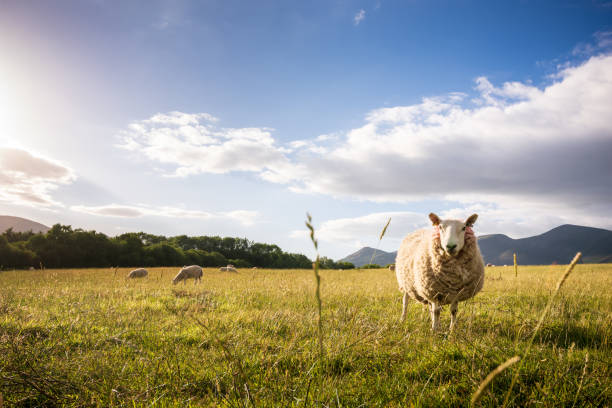
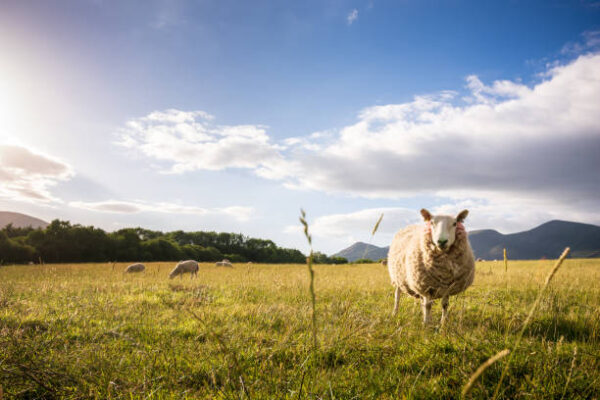
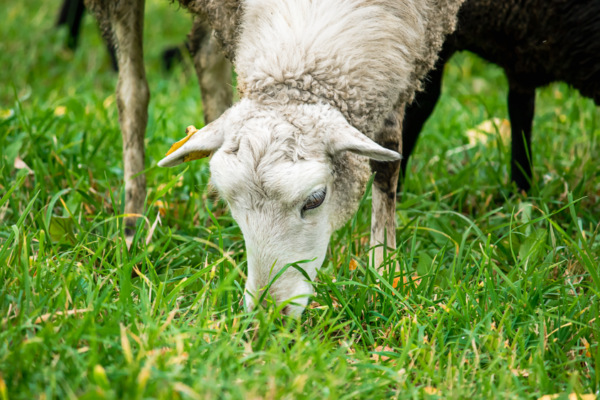
- Sheep or calves are better for the first grazing due to a reduced risk of causing poaching.
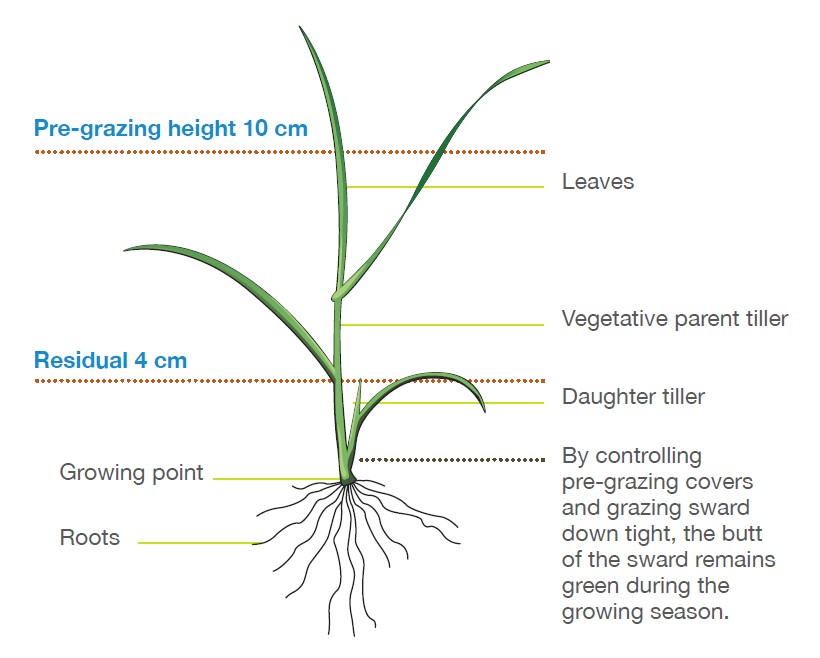
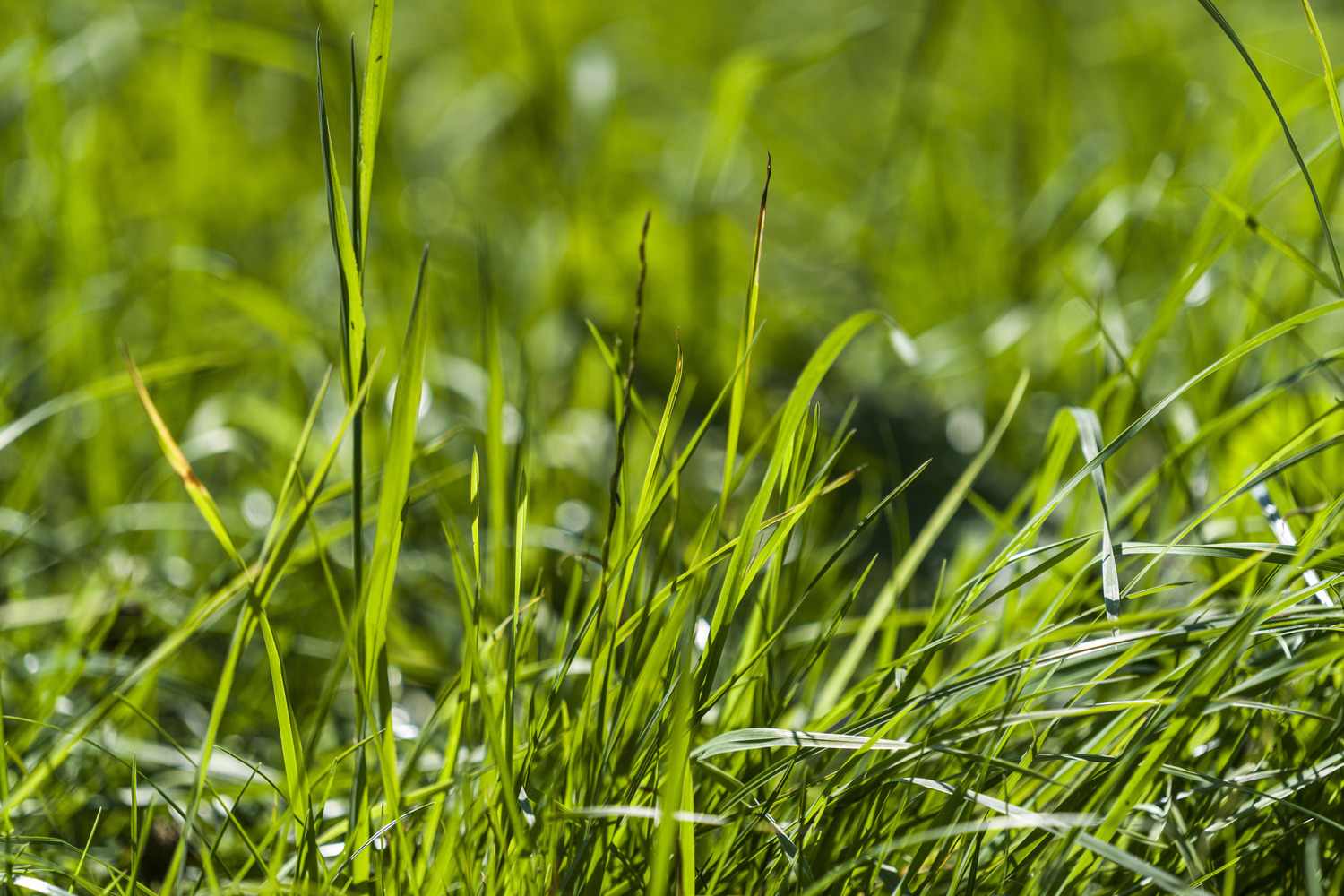
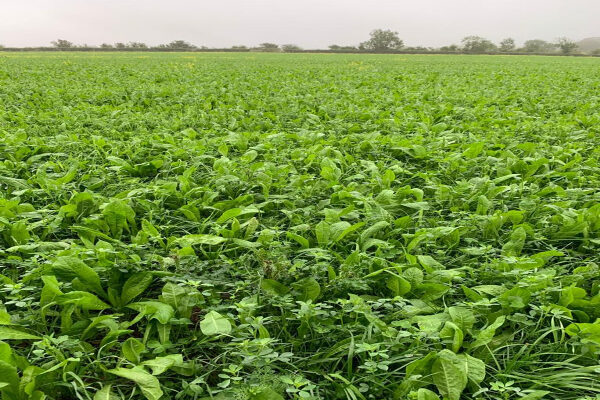
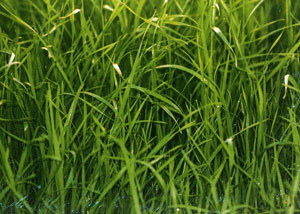
Image from AHDB grassland management, tips for first season
Rest periods
- Animals should only be on the new ley for a short period for the first grazing, with the field then rested.
- These rest periods are essential to allow energy stores to be replenished and for roots and tillers to develop. Strong root establishment and development will make for a more resilient and persistent sward in later years.
- A new grass ley will require longer rest periods after grazing. Persistence will be affected if plants do not get enough rest.
- Do not graze plants before the 3 leaf stage.
Other considerations
- It is important to control weeds in the first year to reduce competition new grass plants have for nutrients, water and light. Weeds can be controlled with a herbicide (if appropriate) or the use of topping. Don’t let weeds get too big.
- Avoid poaching, this allows space for weeds and grass weeds to ingress into the sward and places stress on the grass plants, affecting tiller production.
- Avoid cutting a grass ley in its first year, this will allow plant roots to fully develop. Cutting in the first year also reduces the number of tillers a grass plant produces which will affect yield and persistence in future years.
Lorna Galloway, SAC Consulting

Sign up to the FAS newsletter
Receive updates on news, events and publications from Scotland’s Farm Advisory Service