
Using Biochar For Sustainable Waste Management and Barley Cropping – Support Further Research!
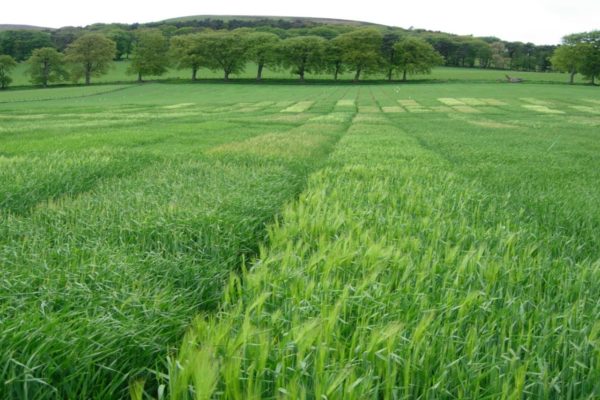
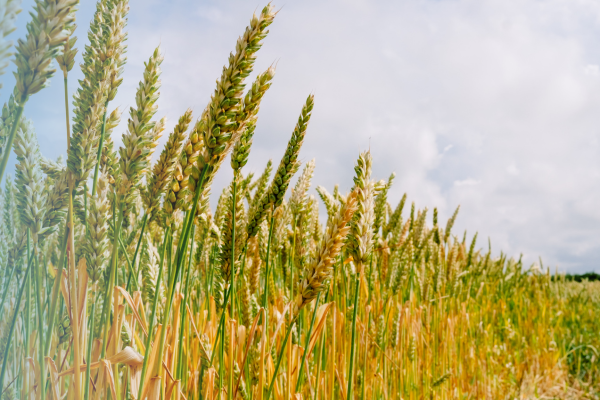
13 April 2026In Scotland, spring barley accounts for 66% of national cereals grown, however production is under threat; Increasing climate variabilities are projected to significantly alter establishment, anithesis, grain filling and yield as water stress and extreme short-term temperatures prevail through the next few decades.
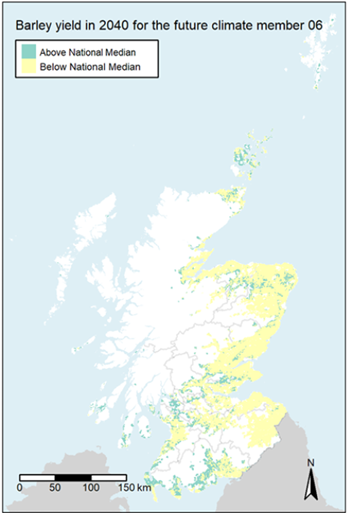
Figure 1: Estimated S.Barley yield versus baseline production at 1.5°C temperature increase and 8% reduced rainfall in 2040 (Rivington et al, 2022)
These volatile weather patterns are already affecting cereal crops across the country.
As producers and consumers, we are constantly questioning how we can aid sustainable food supply in a changing climate. We know that a radical shift to minimise waste, emissions and material losses is needed to keep to climate targets that we are currently on track to vastly exceed.
The question remains as to how circular waste management and sustainable agriculture can holistically secure our cropping systems in line with national sustainability ambitions. Biochar may be a part of the answer.
What is Biochar?
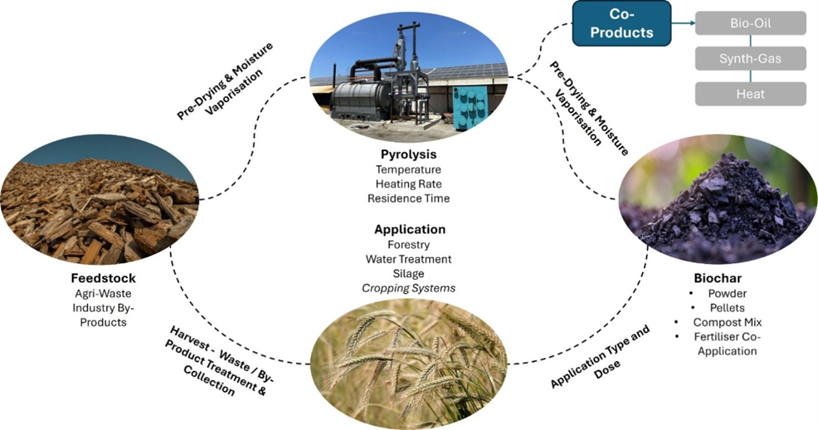
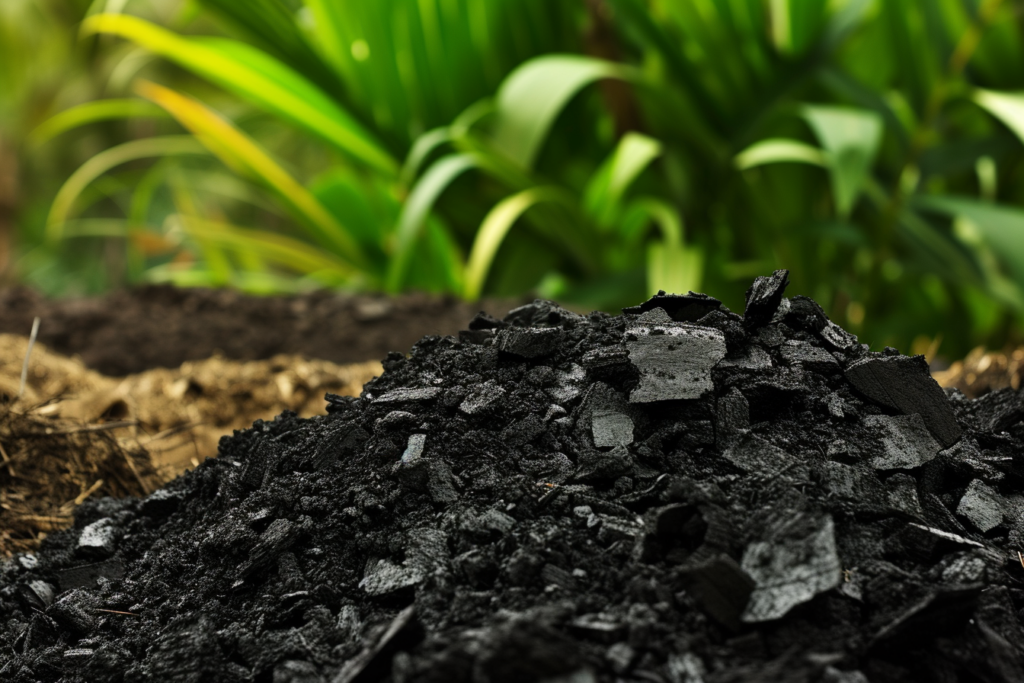
Biochar (BC) is formed from burning organic material in the absence of oxygen, a process called pyrolysis. This creates a highly-stable, carbon rich material. Using waste materials that would release emissions during natural decomposition can improve long-term carbon sequestration, reward producers through an emerging carbon credit market and mitigate carbon emissions globally, with several options within the process to tailor BC for different applications
Figure 2: Circular pathway of Biochar creation from waste materials to application
Biochar’s Soil Benefits
It’s application as a soil amendment provides even more opportunity. Its use has shown to aid in the remediation of acidity and heavy metal accumulation, improve long-term carbon stocks, provide climate resilience with increased water holding capacity, reduce nutrient runoff and increase crop yields by an average 13-16% - yet we are still uncovering its processes in agroecosystems. BC may be produced and bought in Scotland, indeed no waste management license is required for its creation from untreated wood wastes, however very little research has been done to find tangible benefits within our arable systems – most research has been conducted in the global south.
How You Can Help
Studying different compositions for biochar and its effects is important to figure out how we can use it in Scotland – each biochar is different depending on the wate material used and the temperature of their burning. My project, working with SRUC, BARIToNE and Suntory Global Spirits, aims to do just that. I will be investigating the potential for biochar creation from whisky distillery by-products to provide a practical view for how this BC can be used by growers to push for a more circular barley supply chain. As a key component of the nation’s economy and heritage, with a large volume of material such as draff or digestate from down-stream processing, there is a real tangible pathway to diversify revenue streams, support local growers, improve supply chain sustainability and support national net-zero goals.
This project will therefore review the applicability and need for BC within Scottish sustainability strategy, evaluate the characteristics of whisky by-product BC and investigate impacts on soil health and quality, microbial communities and crop quality.
If you are interested in biochar or want to learn more, feel free to contact dajones@sruc.ac.uk
Dan Jones, SRUC
Further Reading
IBI (n.d.) ‘Biochar Is a Valuable Soil Amendment’, International Biochar Institute
Rivington, M. et al. (2022) Barley Responses to Climate Change - Report. Dundee: JHI.
Scottish Government (2024) Scotland’s Circular Economy and Waste Route Map to 2030.


Sign up to the FAS newsletter
Receive updates on news, events and publications from Scotland’s Farm Advisory Service