
Invasive Plant Species
A non-native species are described by NatureScot as "those that occur outside their natural range due to direct of non-direct introduction by humans", becoming 'invasive' when they "spread and cause damage to the environment, the economy, our health and the way we live".
The most widespread invasive non-native plant species causing damage to Scotland's environment and biodiversity are:
- Giant Hogweed
- Himalayan Balsam
- Japanese Knotweed
- Rhododendron
- Skunk Cabbage
The Wildlife and Countryside Act 1981 ((as amended by the Wildlife and Natural Environment (Scotland) Act 2012).) provides the primary controls on the release of non-native species into the wild in Great Britain and it is an offence under the act to ‘plant’
or ‘otherwise, cause to grow in the wild’ a number of non-native plant species.
Managing invasive species is the responsibility of the owner/occupier of the site.
Find out more about Invasive plant species the links below:
- Technical Note (TN697): Invasive plant species: Japanese Knotweed, Himalayan Balsam, Giant Hogweed and Skunk Cabbage
- NatureScot
- Code of Practice on Non-Native Species Made by the Scottish Ministers under section 14C of the Wildlife and Countryside Act 1981
- Scottish Environmental Protection Agency - Invasive Non-native Species
- Scottish Invasive Species Initiative
Rhododendron Control
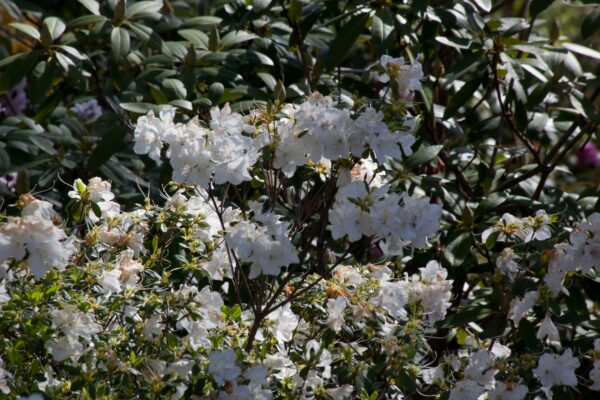
How to Manage Rhododendron on Your Land
Rhododendron ponticum has become a common sight across many parts of Scotland. Although its bright purple flowers can look attractive in spring and early summer, don't be fooled – it is one of the most damaging invasive plants affecting our landscape. What may begin as a few isolated bushes can soon develop into a costly, large-scale infestation if it's ignored. Read more >>
Top Tips for Rhododendron Control
Rhododendron ponticum is one of the biggest threats to biodiversity in the West of Scotland. It is slowly covering woodlands, heaths, bogs and grasslands, suffocating our native vegetation. It has no biodiversity value and cannot be grazed. The more rhododendron is ignored, the more it will spread, and it is very efficient at spreading. This video describes some control methods that can be used against rhododendron and offers advice on where to start. Please do not ignore this plant and use our top tips in this video to start tackling the problem. If the plant is treated efficiently, it is possible to eliminate it even when it is dense. Watch here >>
Managing Rhododendron on Your Land
If rhododendron is left unmanaged, it spreads rapidly, forming dense stands that become increasingly difficult and costly to control. In this video, we demonstrate the three main control methods—cut and stump treatment, stem injection, and mulching—while highlighting the importance of ongoing follow-up to achieve lasting control. The sooner action is taken, the easier and more effective rhododendron control becomes, helping to protect biodiversity, restore productive land, and prevent small infestations from becoming much bigger problems.. Watch here >>
Technical Note TN697: Invasive Plant Species
Sign up to the FAS newsletter
Receive updates on news, events and publications from Scotland’s Farm Advisory Service