
Woodland
Rural Roundup – Farm Woodlands
Welcome back to the Rural Roundup. On today’s episode George Chalmers and Tiffany Stephenson are joined by SAC Consulting forestry consultant David Eadie to discuss farm woodlands, as well as bringing you the latest industry updates. Timestamps 00:35 How are things with George & Tiffany? 02:21 Upcoming events? 04:00 Important deadlines to be aware of…
Integrating Trees & the Benefits
Integrating Trees & The Benefits Trees can bring many benefits to farming and crofting businesses including shelter and shade for livestock which in turn improves productivity; reducing your carbon footprint; creating a habitat for wildlife and diversifying income streams. This webpage includes a useful summary on the benefits of integrating trees while also providing case…
Improvements in Broadleaved Trees – An Opportunity for Landowners
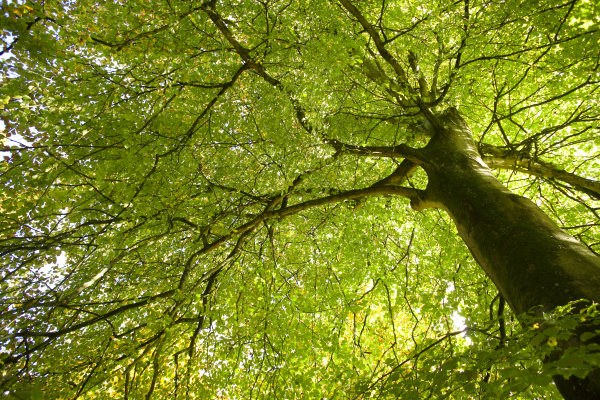
Broadleaf tree planting has increased dramatically since the 1980s, driven largely by environmental schemes and landscape objectives. But broadleaves can offer far more than amenity or conservation value alone. Thanks to advances in tree breeding, improved broadleaf trees now offer landowners the chance to grow better-quality timber, strengthen resilience to pests, disease, and climate change, and diversify farm…
FAS Woodland Tool Helps Skye Crofter Plant 45,000 Trees
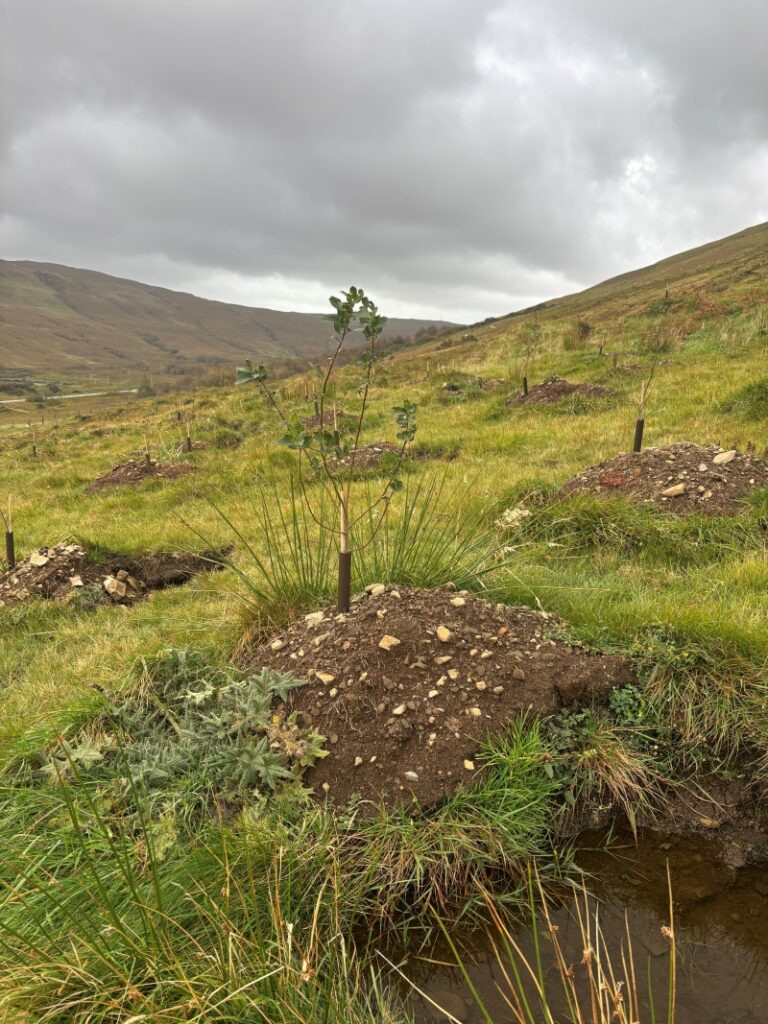
This case study highlights how crofters can benefit from the free FAS woodland tool to explore woodland establishment and management options on their croft. The case study explores Mr MacAskills experience using the woodland tool. Click Here for the Woodland Tool About the Croft Located in Drynoch on the Isle of Skye, Alasdair’s 1200ha croft…
Muirburn Licence Scheme Changes
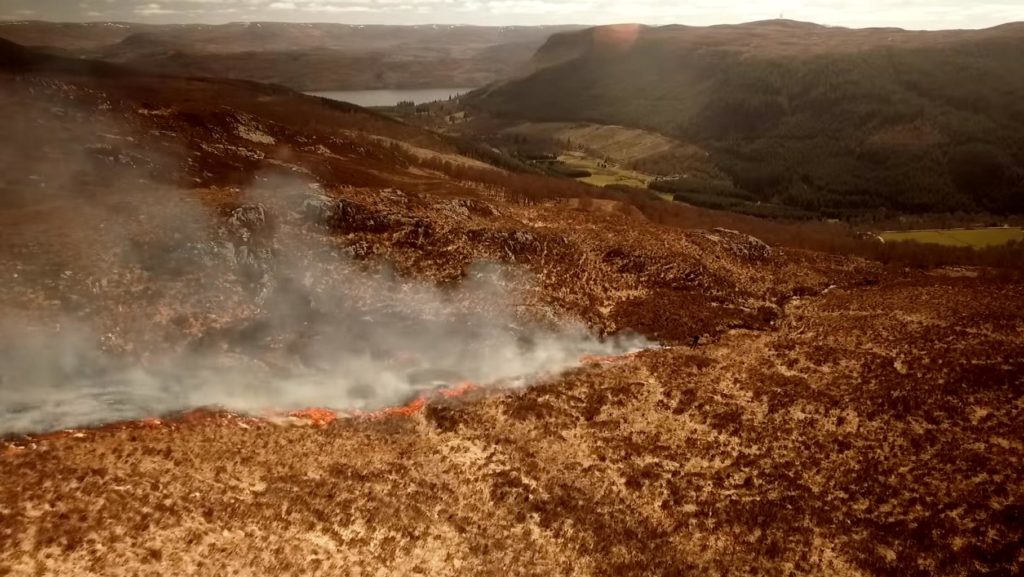
It has recently been confirmed that the implementation of the licence scheme will be delayed until Autumn 2026. It was previously expected that by 1st January 2026, it would be a requirement to have a licence to carry out muirburn with the online application process launching on the NatureScot website. The reason behind this change…
Farm Biodiversity Scotland App
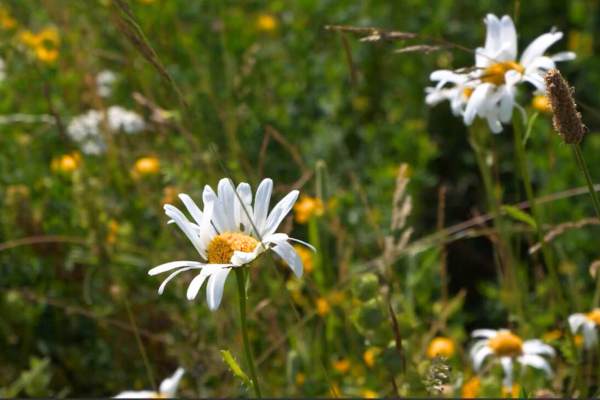
NatureScot is developing and testing a simple and easy to use farm biodiversity audit and planning process, which could be completed by any farmer or crofter using a digital tool. This is based around a four-step process to Map, Measure, Manage and Monitor for biodiversity. The Farm Biodiversity Scotland mobile app and web platform (otherwise…
Croft Case Study – Woodland Advice
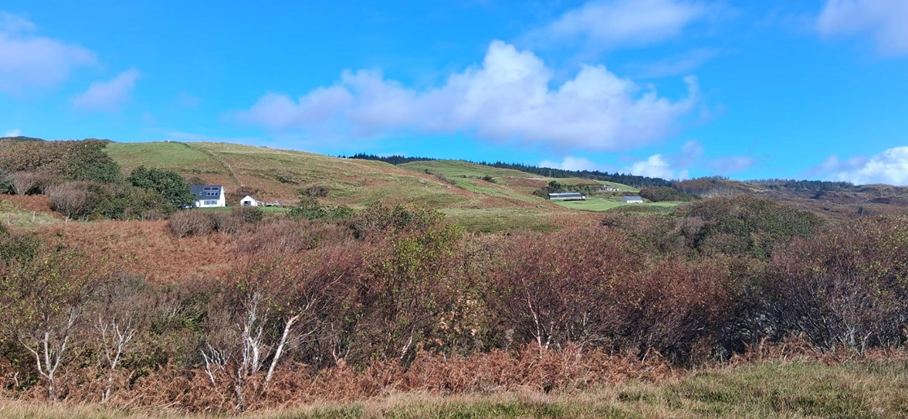
This case study highlights how crofters can make use of the free FAS woodland tool to identify opportunities and utilisation for woodland on their land. The case study explores the MacGillivray’s experience using the FAS woodland tool. Click Here for the Woodland Tool ”I don’t think any of us appreciated the special nature of the…
Get Funded Specialist Advice to Benefit from Trees on your Farm or Croft
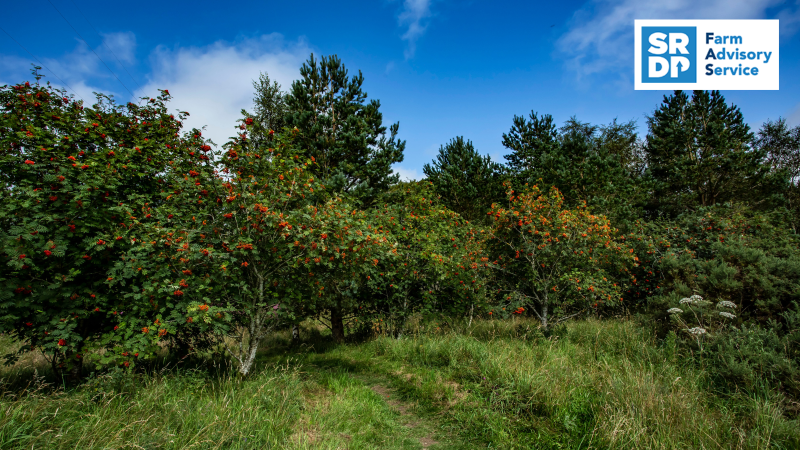
Planting trees on farms and crofts can help prevent livestock heat stress, increase water use efficiency and reduce the effects of erosion from wind and runoff. Trees on farms can also reduce on-farm emissions and support climate mitigation by acting as a carbon sink, absorbing and storing carbon from the atmosphere. The Scottish government recognises…
Managing Ash Dieback
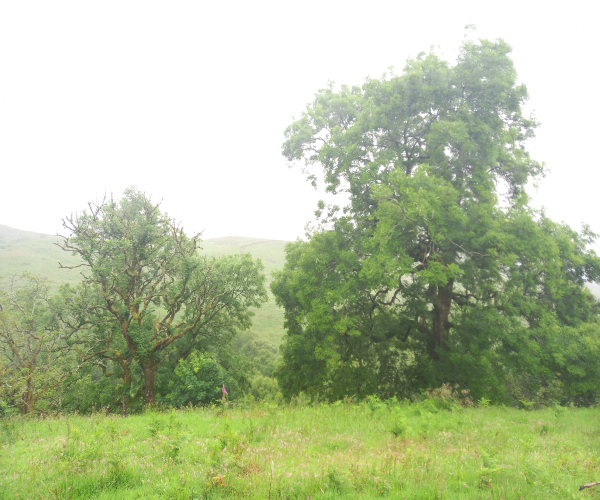
Ash dieback fungus was originally found at several sites in Scotland on newly planted sites that had imported trees from the Netherlands. By 2015 it was clear that it would be impossible to stop the spread of the disease. By 2020 the disease was prevalent in many of the trees in the landscape and was…
Thrill of the Hill – Planting MOREwoods: The Woodland Trust
Thrill of the Hill is back for season 6! Armed with a new team, new ideas and a range of new speakers, Alex takes on the hot topics impacting the farmed upland environment. In this episode outreach adviser Charlie Owen from the Woodland Trust discusses the MOREwoods scheme set up by the Woodland Trust. The…