
Publications
Filter by topic
Filter by type
Filter by year
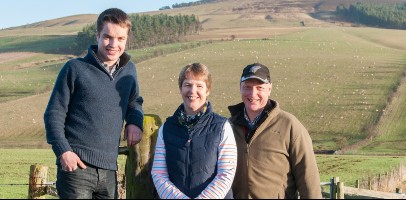
Iceberg Disease Case Study, The Mitchell Family
The Mitchell family farm approximately 1050 acres across Whitriggs and Denholm Hill farms. This family run business acted as the Borders Monitor Farm for QMS Scotland from 2016-19. Prior to becoming a monitor farm, the family had little knowledge of iceberg diseases. In 2016, at the start of the project the farm had 1000 Llyen ewes which had been a closed flock since 2001.
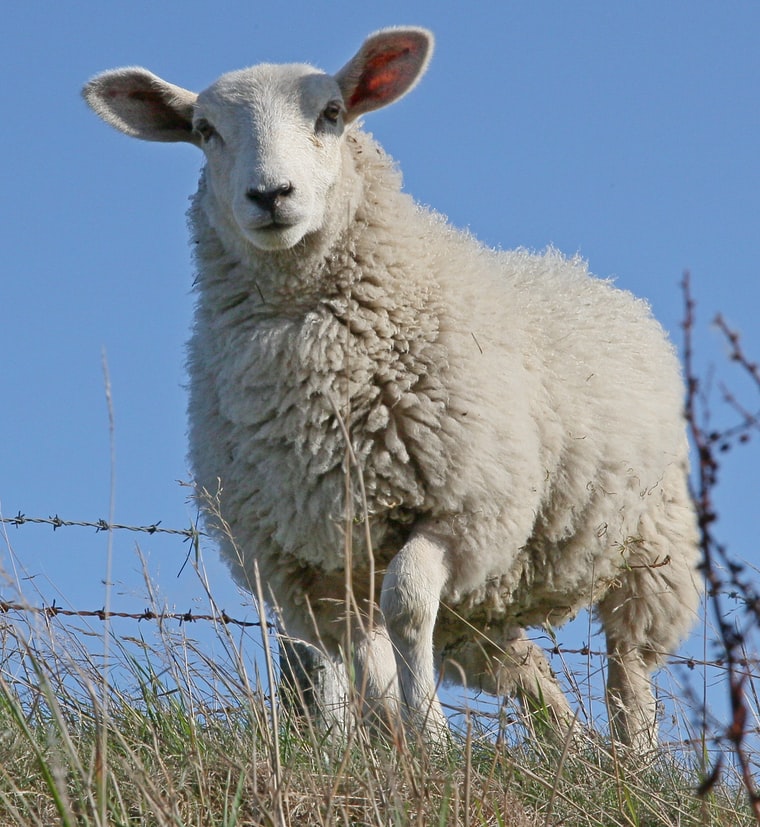
Ovine Pulmonary Adenocarcinoma
Often referred to as “Jaagsiekte” it is caused by a retrovirus. This virus infects the lungs of sheep, causing tumours to develop and fluid to accumulate within the airways.
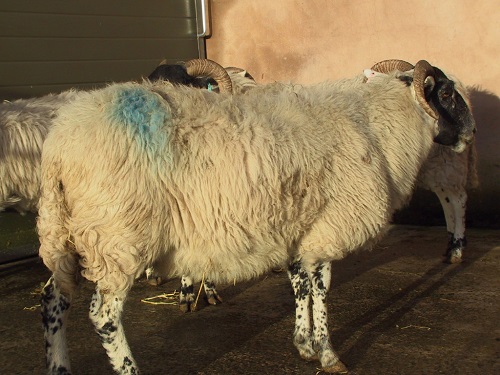
Ovine Johne’s Disease
Johne’s is a condition which affects all ruminants, although not in the same way. OJD is a chronic condition which is responsible for causing a reduction in productivity, immunity and fertility.
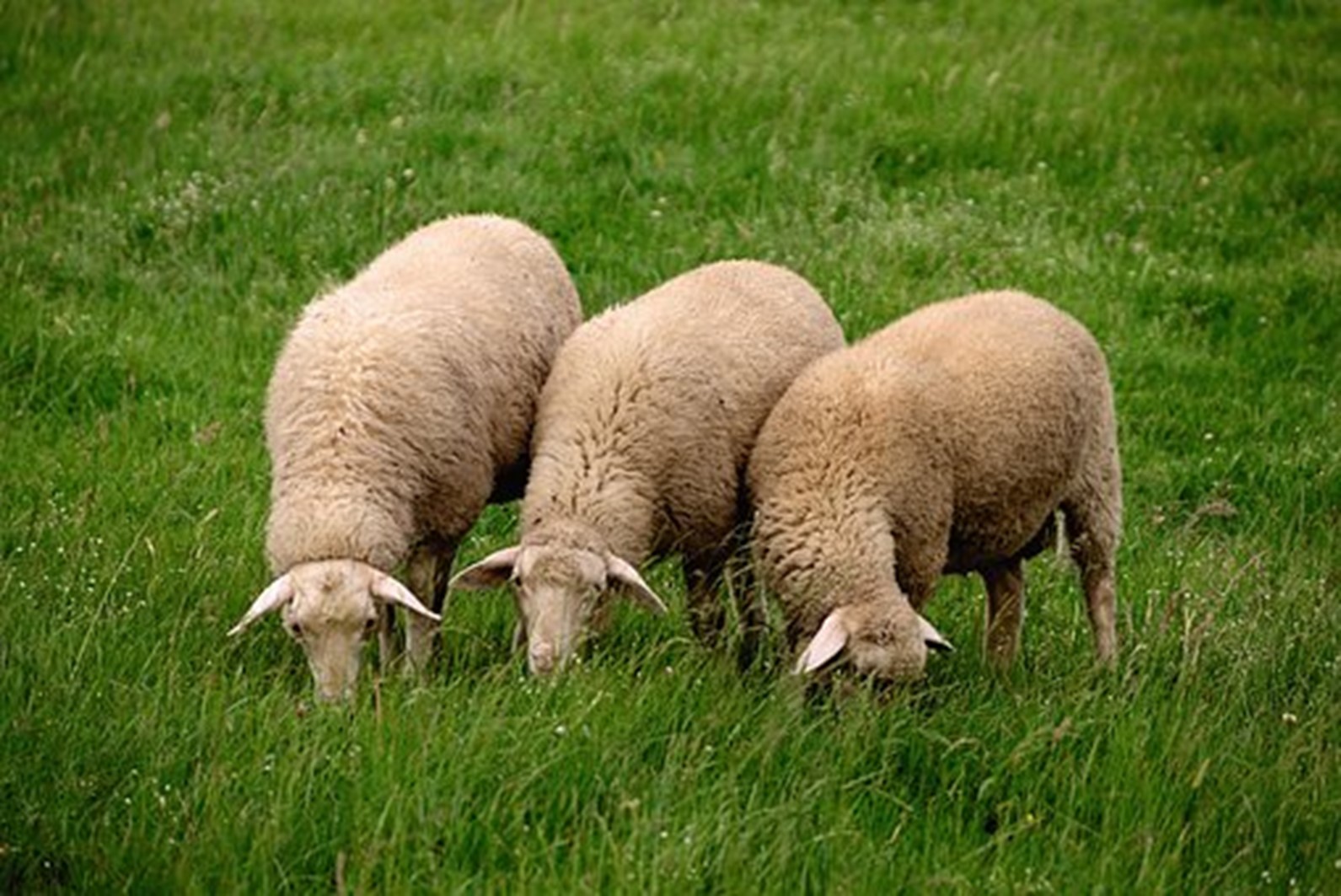
Maedi Visna
MV is caused by a retrovirus and is capable of having devastating effects on a flock, significantly reducing fertility and productivity. MV is a chronic wasting disorder, which is increasing in prevalence across UK flocks (recently doubling from 1.4-2.8%).
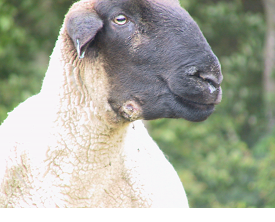
Caseous Lymphadenitis
Caseous Lymphadenitis (CLA) was first detected in UK sheep during 1987 following the importation of infected goats from Germany. Caused by the bacterium “Corynebacterium pseudotuberculosis” this is a chronic disease often characterised by the formation of abscesses within the lymph nodes and/or internal organs of infected animals.
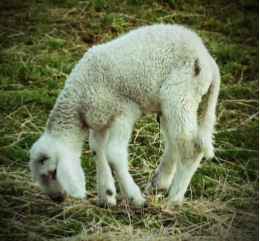
Border Disease
Often referred to as “hairy shaker disease”, Border Disease is caused by a pestivirus very similar to the one which causes Bovine Viral Diarrhoea (BVD) in cattle. Border Disease has the ability to increase the proportion of barren ewes within a flock by 2-8% per year, with infected lambs growing on average 20% slower than uninfected lambs throughout the first six weeks of life.
Sign up to the FAS newsletter
Receive updates on news, events and publications from Scotland’s Farm Advisory Service