
Sheep
Bolusing Versus Drenching For Ewes
Boluses or drenches both have their merits for supplementing ewes with trace elements at key times of the production cycle (pre-tupping and pre-lambing), but is one better than the other? Both are labour intensive but ensure that every animal has received its dose, as opposed to relying on ewes getting their correct allocation from buckets, feed blocks or free access minerals.
Read More >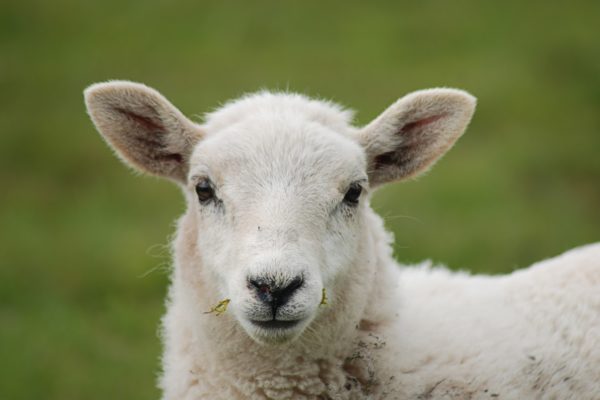
Autumn Lamb Health
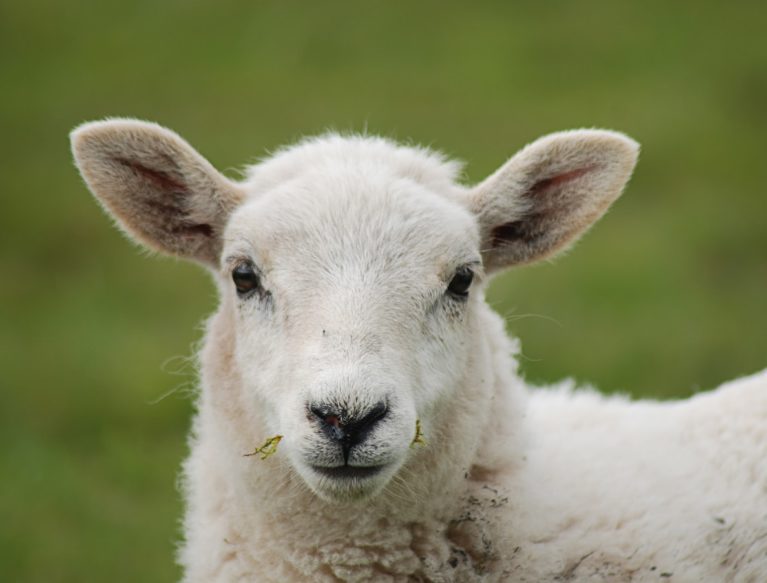
The top four most commonly diagnosed conditions in lambs during autumn are systemic pasteurellosis, parasitic gastroenteritis (PGE), acute fluke and cobalt deficiency (pine), which can often be found together.
Read More >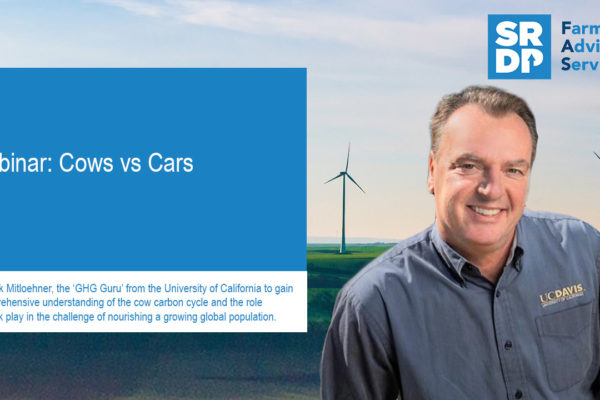

Webinar Recording: Climate Change – Cows v Cars
The ‘silver-bullet’ solution to the climate change crisis is for consumers to stop eating meat – fact or fiction? Topics surrounding climate change and GHG emissions are never far from…
Read More >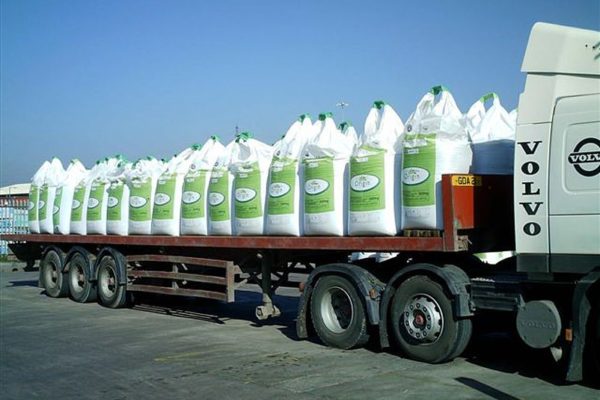
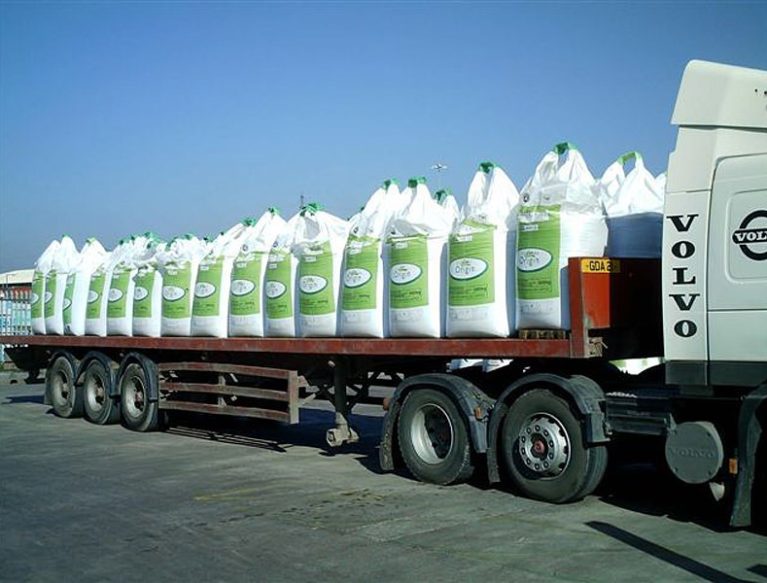
Ammonium Nitrate Storage
Following the catastrophic explosion in Beirut reportedly caused by a large amount of Ammonium Nitrate which apparently was stored incorrectly, it is prudent to review the storage requirements for this…
Read More >
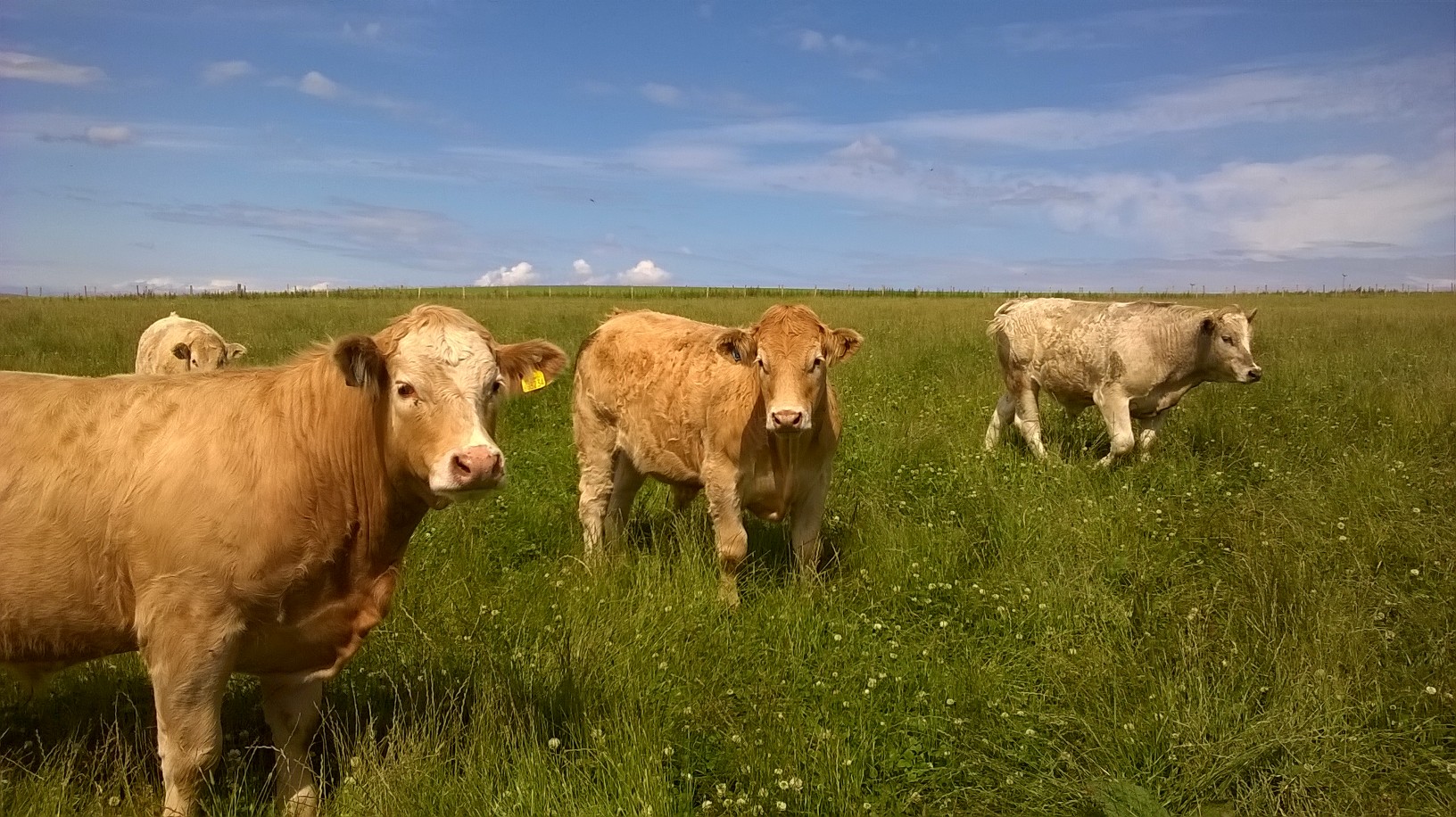
Do You Know What Your Cows Weigh?
If you do not weigh your cows on a regular basis you might be surprised to know that the weight range between animals within the herd could be as much as 300 kg!
Read More >
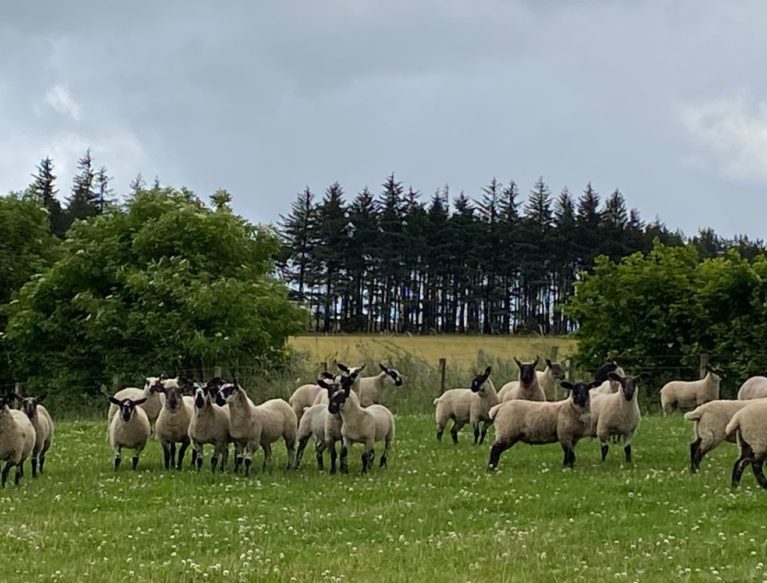
Lamb Finishing Options
There are a wide range of options for finishing lambs in Scotland. The choice of system will largely depend on the weight and type of lambs and the cost and availability of feed that can be supplied.
Read More >
Keeping Lambs Growing
As lambs get bigger, they get less efficient at growing – an increasing amount of feed is needed solely for their maintenance. The contribution of energy dense milk to their diet starts to decline and the impact of mineral deficiencies and parasitic worms becomes more evident.
Read More >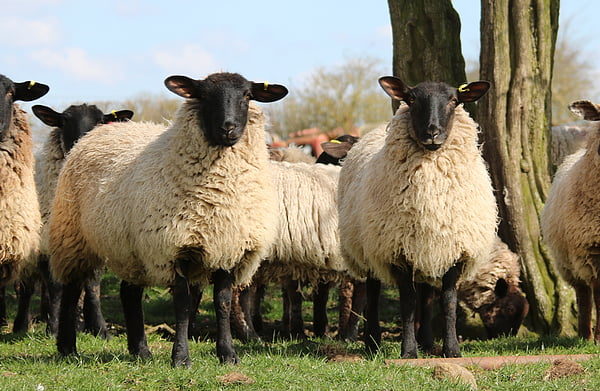
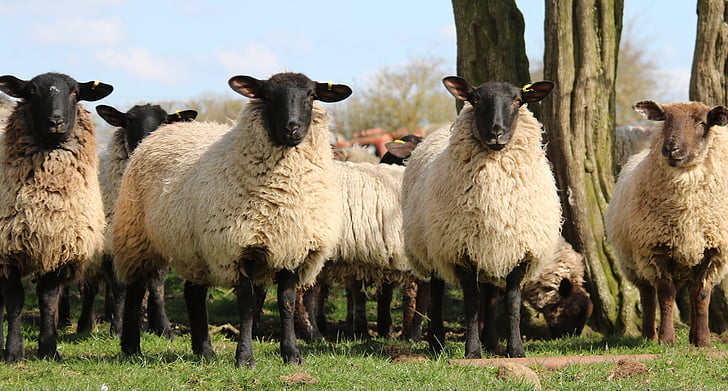
Ewes: Looking After The Next Generation
Whether breeding as ewe lambs or as gimmers, looking after these young ewes will positively affect the flock performance for the next year and improve their lifetime productivity. The ewe that lambs down well in her first year will stand a greater chance of lambing down well in future years. The first step is focusing on their nutrition to get them to target mating weights.
Read More >
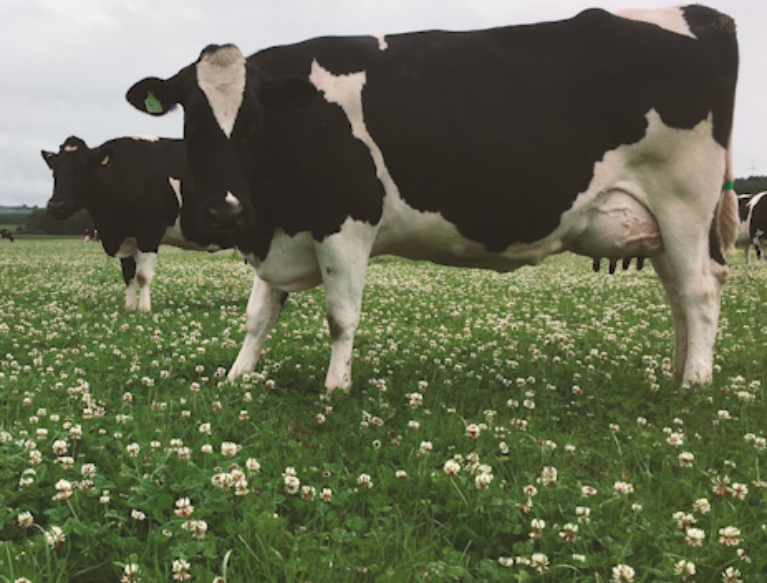
Rotational Grazing Vlogs – Adapting the grazing management to stretch grass supply
Grass growth at 50kg dry matter per hectare per day and farm average cover at 1900 kg dry matter per hectare indicates that grass supply is not ideal…
Read More >
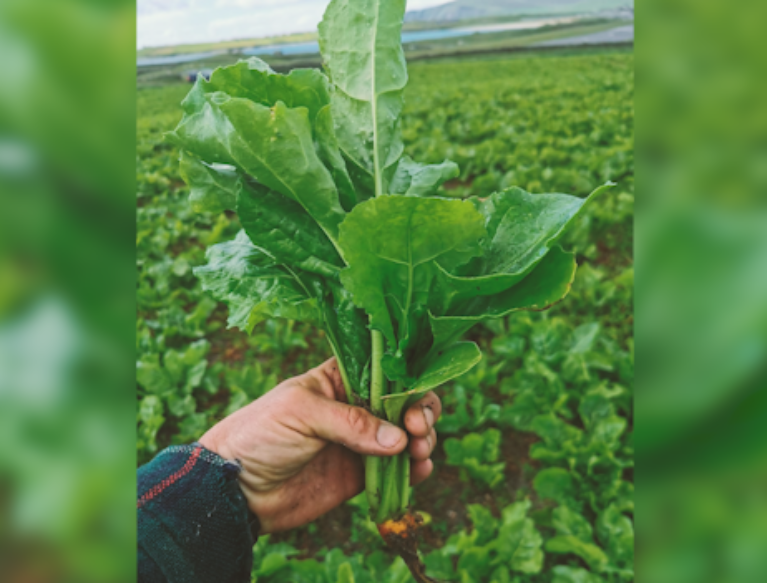
Rotational Grazing Vlogs: Growing fodder beet for pregnant ewes on Shetland
An expensive crop to grow, but Jamie discusses the value of fodder beet for ewe feed in the winter. He has experimented with oats alongside the beet as…
Read More >