
Adding A New Enterprise Through Succession – A Case Study
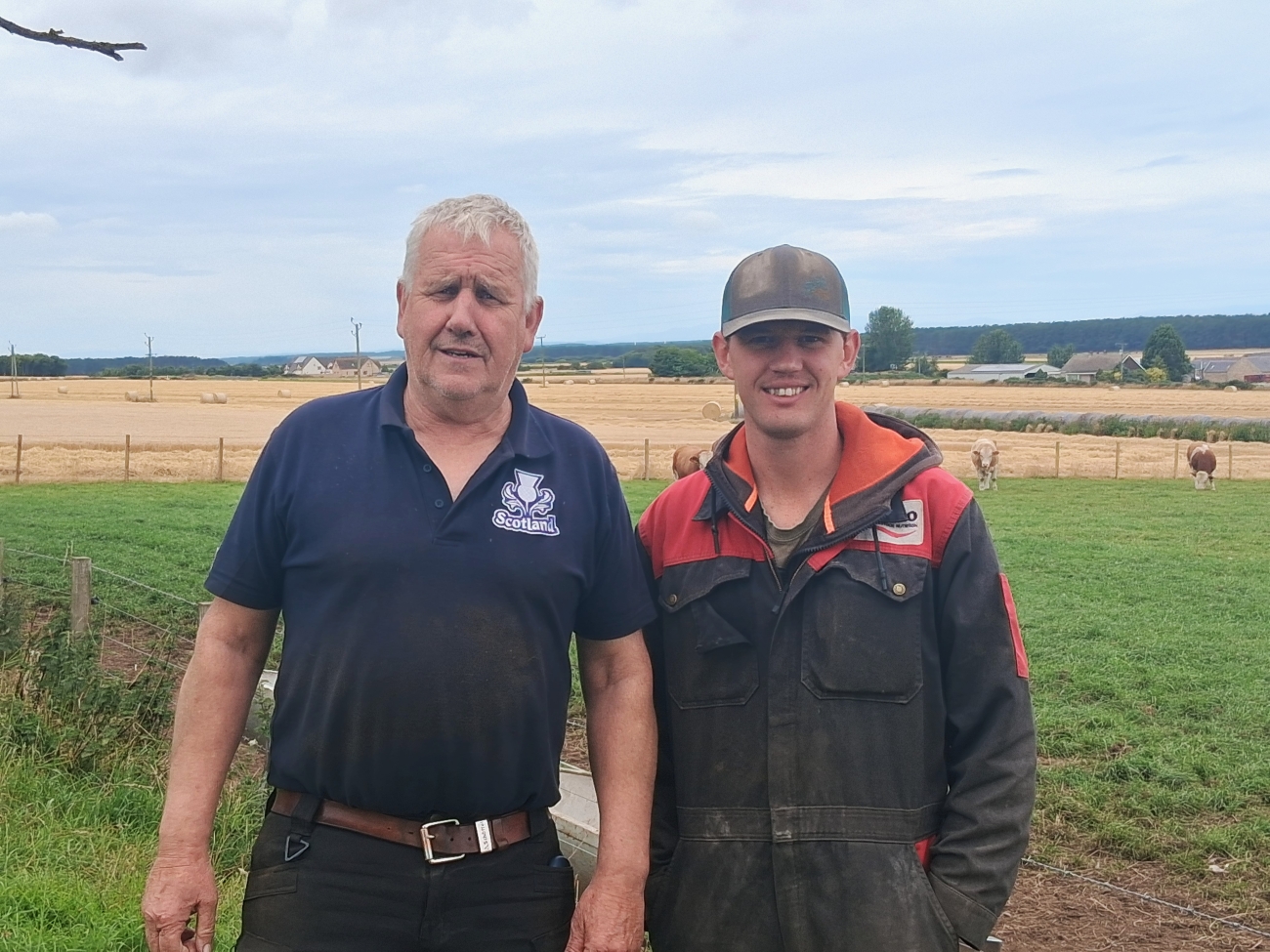
31 August 2026James MacIver, now 27, has returned to the family business after leaving school at 16. In that time he worked several other mixed livestock and dairy farms, as well as a pedigree livestock unit before moving to the USA to join a harvest team for the season. When his plans to continue on to New Zealand didn’t line up, he returned to the family farm, where rising input costs and a downturn in the cattle, sheep and arable side of the business presented an opportunity for James to make his mark and diversify the business with a poultry unit.
Sharing the Business
James’s father, Cameron, is a second-generation farmer on the land which he himself took on as a sole trader from his mother and father’s business in the 1980’s after initially working in partnership with them. The decision to introduce James as a partner into the business was a natural consequence of his return home to the farm and the need to make changes to the business to remain viable and resilient to future price shocks. The process has been worthwhile, as now as a partner James can take some of the responsibility for decisions and Cameron has noticed a difference in himself, being more relaxed and feeling proud having seen James grow in confidence.
Introducing Poultry
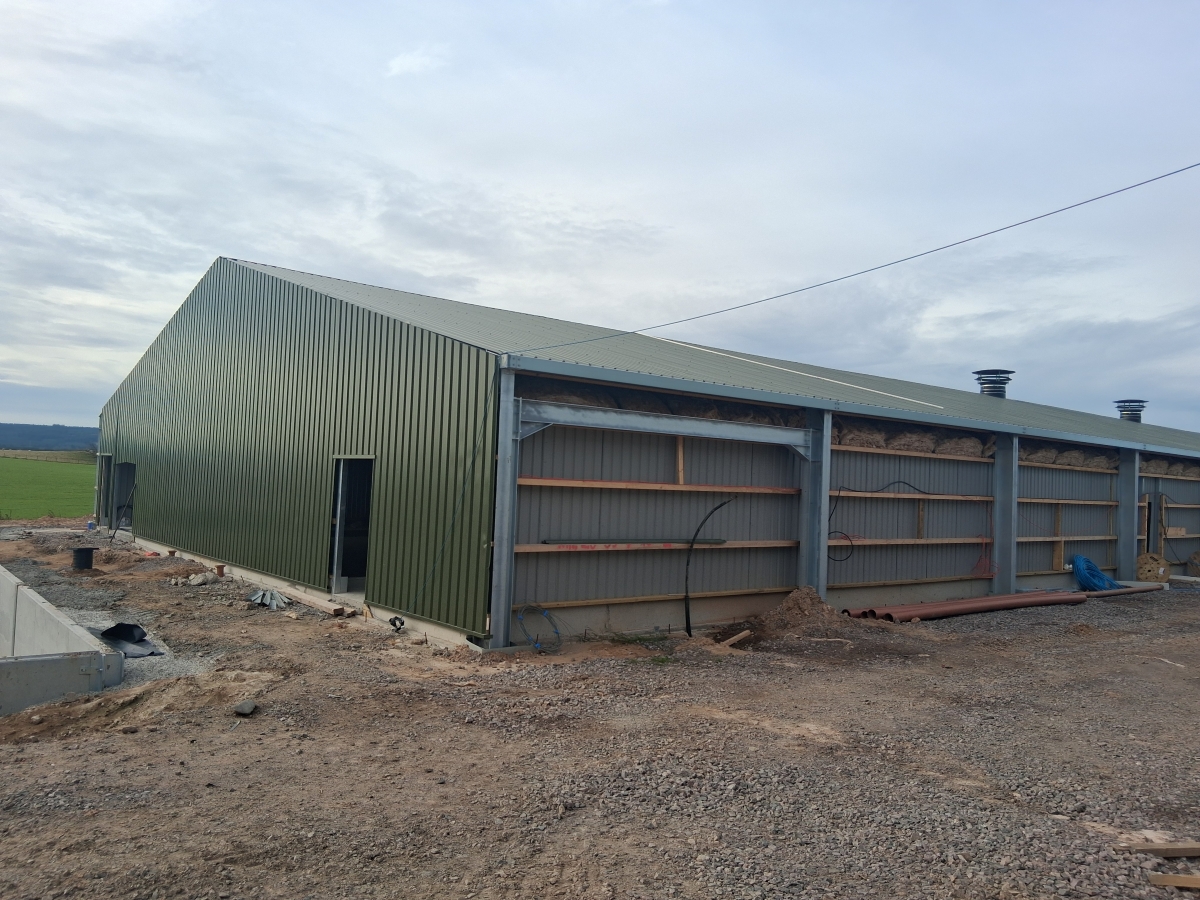
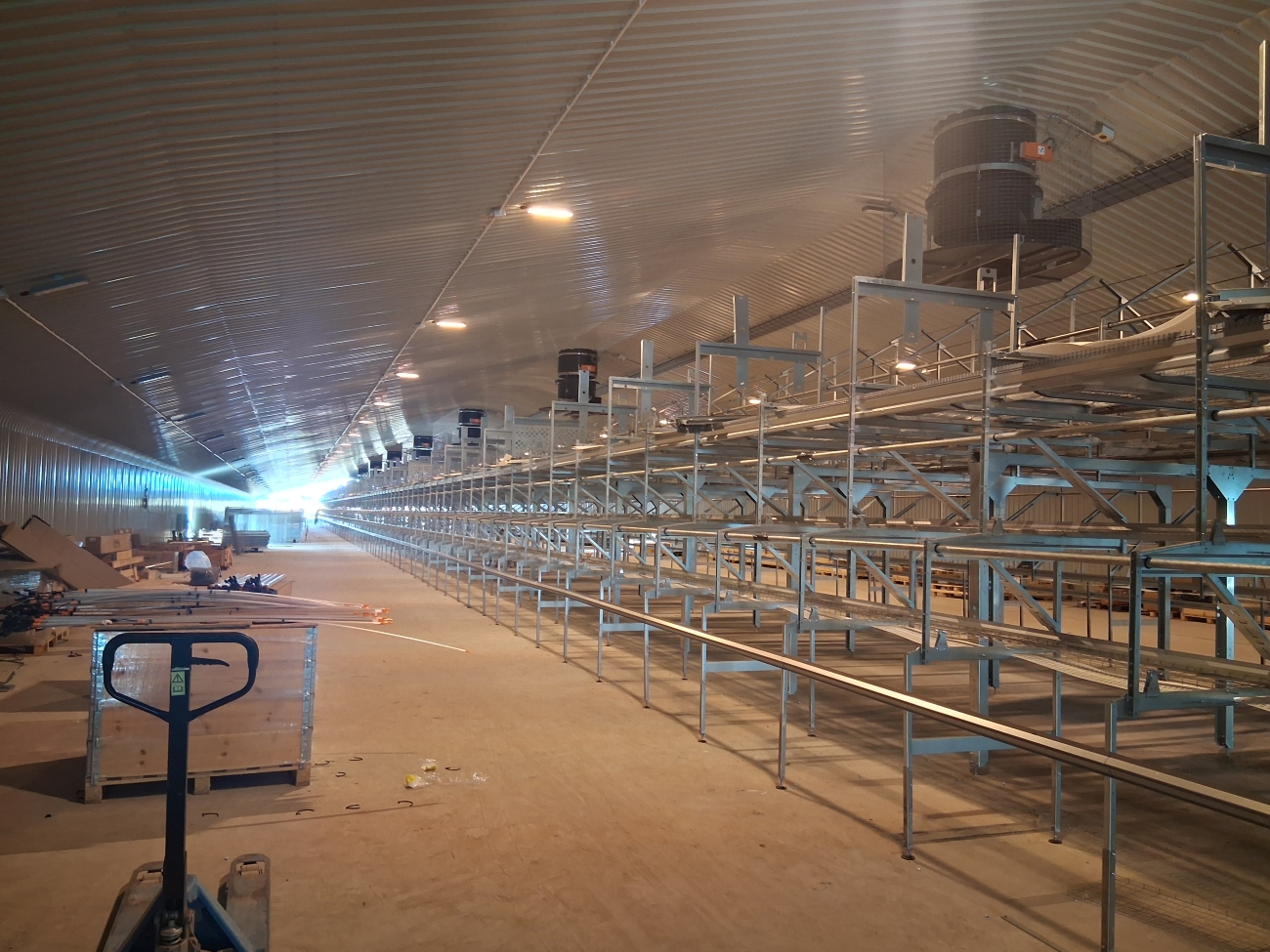
After substantial research into different diversification options, Cameron and James came to the decision to add a 32,000 free range layer enterprise. Unlike other sectors of the agricultural industry, James has found the poultry sector to be very open to new entrants and producers will freely share their experiences – be it good or bad – to help other farmers achieve the best results. During the discussions to introduce a poultry enterprise, James contacted many poultry farmers in the area and arranged visits to their units which helped visualise the type of poultry shed they wanted.
The MacIver’s were fortunate to be able to draw on Dave Green, CEO of Duncan Farms, for advice through Cameron’s association with the Royal Northern Agricultural Society. Dave provided advice on estimated costs for establishing the business as well as contacts for construction before securing a 5-crop egg contract. The first birds of which are due to enter the unit in October 2026.
Funding the Enterprise
To achieve the goal of adding a poultry enterprise the MacIver’s needed to borrow funds so spoke with their bank manager and Steven Buchan from Virgin Money who suggested they complete a five-year plan, allowing for flexibility should things not go to plan. This proved to be one of the biggest challenges they faced, but the father and son engaged with agricultural consultant Samantha Stewart (SAC Consulting) to complete the necessary financial projections. Samantha found that, while the initial investment to set up the poultry enterprise is sizeable, having a long-term contract means most of the initial loan will be paid back. With a forecast that a return on investment will be seen within a six-to-eight-year window.
Furthermore, the weekly egg cheque will help with cashflow and the henpen will be valuable fertiliser for the arable side of the business. Furthermore the 40-acre of grassland allotted to the free-range birds - comprising of a 24-acre arable field that has been converted to grassland and 16-acres of permanent pasture - can also be used for grazing cattle or sheep or cut for silage or hay if necessary.
Labour
Initially the poultry enterprise, which has a predicted workload of 1.5 labour units, will be run by James as he feels it is important to learn and understand the process himself before considering employing a full-time poultry worker. He plans to do so following the third crop of hens. Unlike, other agricultural sectors, the indoor nature and structured role of poultry work means finding employees appears to be easier. The initial shed construction has included as much automation as possible to minimise the labour requirements and new technology including robots are being developed regularly.
The MacIver’s freely admit that time will be a valuable commodity for them and timing of bird changeovers will take careful planning to limit the impact on the pre-existing enterprises. However, they have a team of weekend workers to support them and would consider taking on an apprentice in the future.
Future Plans
Looking to the future, James has already said that the chickens are phase one of a bigger project and strategic decisions during the planning and construction phase of the initial shed including having a larger than necessary packing area and cold store, makes future expansion more feasible. The MacIver’s have plans to add a grain store and muck shed by the end of flock three.
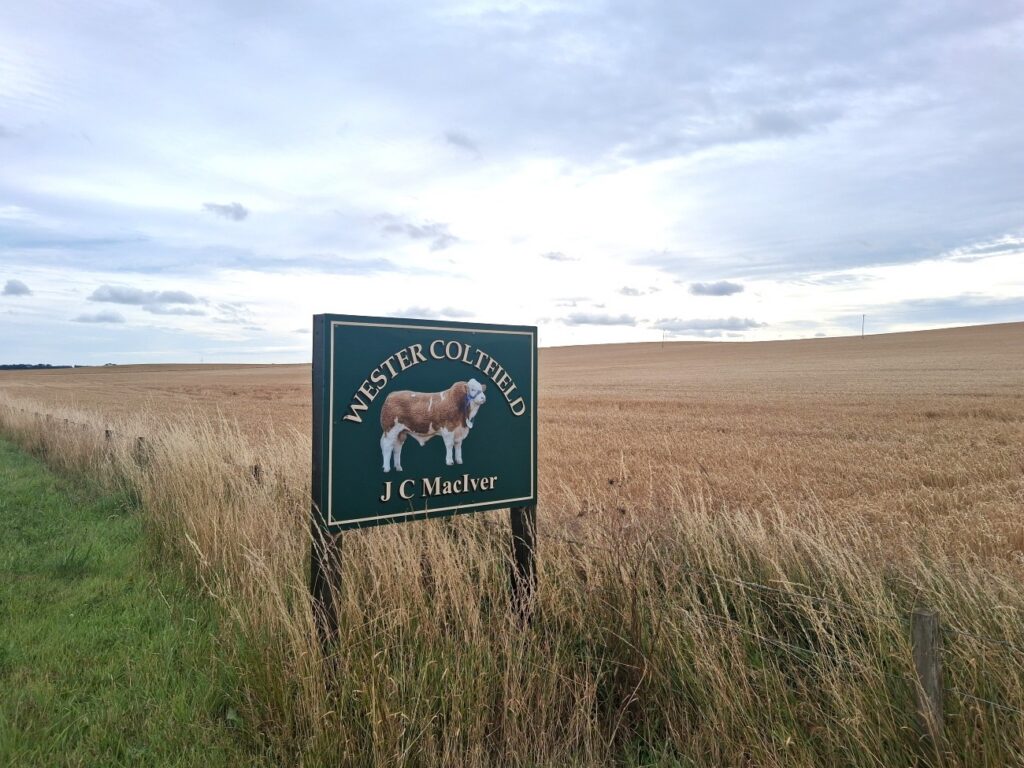
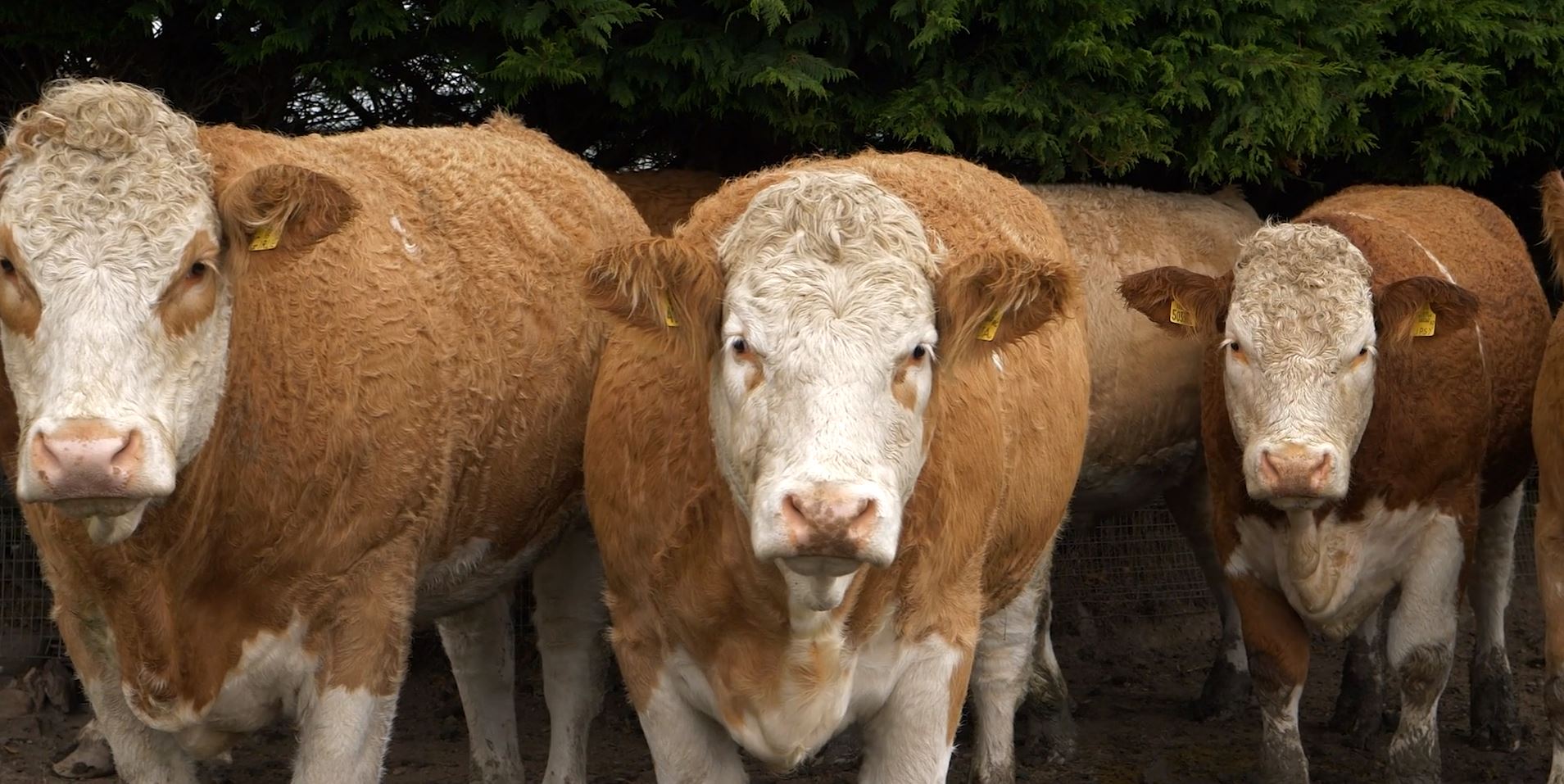
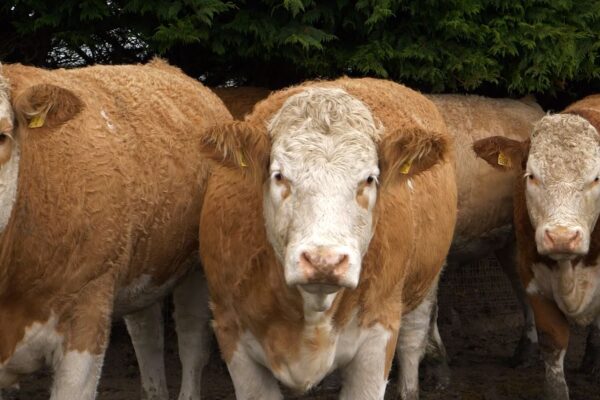
The experience gained from working on a pedigree beef unit has also helped James bring out the farm’s pedigree Simmental cattle under the Coltfield prefix with notable success in both the show and sale ring. Having a love of cattle, James would also like to increase the herd size and introduce technology to assist with detecting heat, calving and ill-health including mastitis and lameness, which should free up some time to focus on the poultry enterprise.
Thinking of Doing Something Similar?
The MacIvers have the following advice…
James: Speak to others and don’t be scared! Attend as many of the Pig & Poultry shows, feed company and other networking events as possible. If you enter these conversations honestly about your own experience, others will be very helpful and open to sharing their experiences with you.
Cameron: You’ve never got longer to pay it off. Time is of the essence, and you may only regret not taking action if you delay it.
Laura Henderson, SAC Consulting
Related Resources




Sign up to the FAS newsletter
Receive updates on news, events and publications from Scotland’s Farm Advisory Service