
Build Resilience In Any Farming System Using Organic Principles
We are increasingly recognising the vulnerability of our food production systems to external shocks - escalating input costs, changing consumer patterns and more extreme weather events. Organic systems, with their low-inputs, diverse crop rotations have a clear role to play in building resilience to these challenges. In this article, senior agricultural ecologist Dr Lorna Cole explores how organic farms work with nature to support resilient and productive agriculture.
Organic Systems By The Numbers
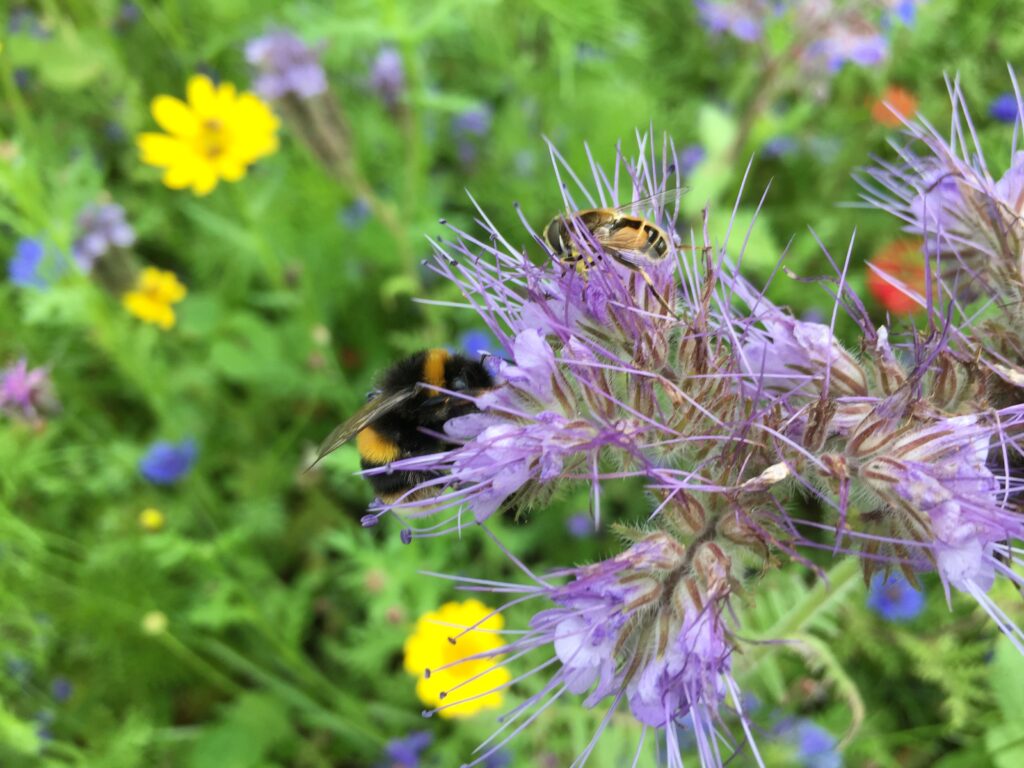
Productive farming systems rely on a wide range of interactions between crops and biodiversity, both above and below ground. Research evidence is continuing to build on the value of organic farming for nature, which in turn benefits production through nutrient cycling, natural pest regulation and crop pollination. A recent evidence review comparing organic and conventional systems found that organic farms had 79% more earthworms, 35% more bird species and 23% more pollinating insects. [1] Benefits, however, extend beyond supporting biodiversity, to include improved soil health, protection of rivers and greater resilience to flooding and drought, whilst also helping to strengthen the long-term resilience of food production systems.
Organic Practices In Conventional Systems
Many practices that are receiving renewed attention through regenerative agriculture have long formed part of organic systems. Regenerative agriculture focusses on protecting and restoring soil health and working with nature to improve farm sustainability and build resilience to climate change. To learn more about regenerative agriculture please visit this page.
Improving Soil Structure
Livestock integration, diverse swards and high organic inputs help to improve soil structure and increase organic matter. This not only supports soil biology and fertility but also the soil’s capacity to absorb and retain water helping farms cope with both heavy rainfall and drought, challenges that are becoming increasingly common with climate change.[2] Furthermore, by reducing surface runoff and soil erosion these practices protect rivers from sediments and sediment-bound pollutants, supporting aquatic biodiversity including damselflies, mayflies and salmon. [3]
Reducing Fertiliser Input
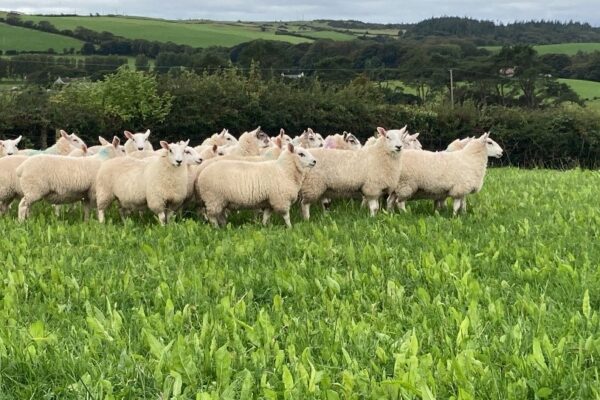
Nitrogen-fixing legumes are a crucial component of organic systems, maintaining fertility and production without the use of synthetic fertilisers. Legumes, with their protein-rich pollen, are also important for the development of bee larvae, and bumblebee declines have been linked to the loss of legume-rich pastures.[4] Multi-species swards provide valuable forage for pollinators, particularly rarer bumblebee species.[5] Their range of rooting depths and structures also helps build resilience to both drought and heavy rainfall, while improving soil structure and supporting more stable yields.[6] The multi-species grassland sward tool can help you identify suitable mixes for different soils, managements and locations.
While many practices are already well established within organic systems, interest in other approaches has grown recently. The value of cover crops in protecting and ‘armouring’ the soil is increasingly recognised. By maintaining ground cover through the winter, cover crops help reduce soil erosion, support soil biology and improve soil structure, whilst also reducing the risk of excess nutrients entering rivers and groundwaters. Practical tips on how to select and establish cover crops is available here.
Restoring Habitats
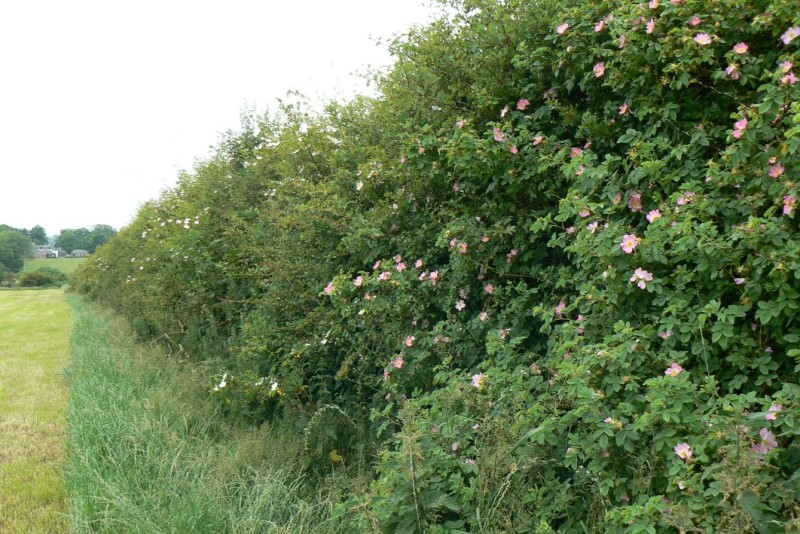
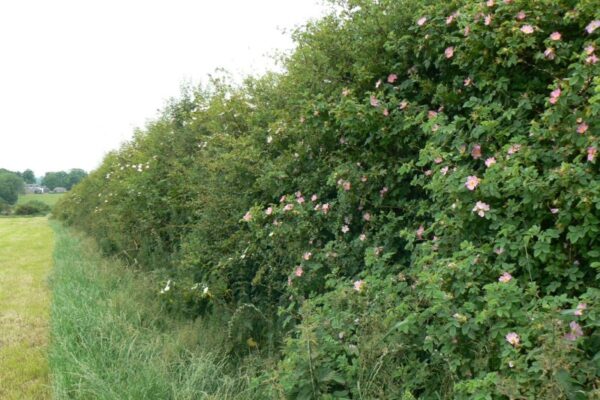
In addition to infield management practices, the restoration and enhancement of semi-natural habitats such as hedgerows, field margins and buffer strips can deliver a wide range of benefits. Hedgerows provide shade and shelter helping to protect crops and reduce heat stress and exposure in livestock. Hedgerows and field margins also help to improve water infiltration, trap sediments in surface water runoff, and reduce the loss of topsoil into rivers. They provide nesting and floral resources for wild pollinators, including solitary bees and bumblebees, which increase yield and quality in crops such as oilseed rape, field beans and soft fruit. The FAS website has a range of resources to help you support insect pollinators on your farm.
Natural Pest Control
These restored habitats also provide overwintering habitat for natural enemies such as spiders, parasitic wasps and predatory beetles. Research has found that flower-rich field margins can boost natural pest control by 16%. In the absence of insecticides, natural pest regulation is particularly valuable to organic systems. Additional information on the role that predatory insects play at regulating pests, and how to promote these insects can be found here.
Opportunities To Learn
As farms across Scotland navigate the challenges of escalating fuel and fertiliser costs, volatile markets and climate extremes, practices within the organic toolkit are increasingly being explored more widely. Organic farmers have a wealth of experience in working with natural processes, and that knowledge will become increasingly valuable to the wider farming sector as farms adapts to future environmental, political and economic challenges.
FAS runs organics events throughout the year. Keep a close eye on our website and social media for updates. You can also subscribe to the Organics newsletter to get more useful information right in your inbox.
Further Resources
[1] Benefits of organic agriculture for environment and animal welfare in temperate climates:
https://link.springer.com/article/10.1007/s13165-025-00493-w
[2] The impact of extreme weather events on Scottish agriculture:
[3] CREW - Natural Capital and River Basin Management Planning:
[4] Causes of Rarity in Bumblebees:
https://www.sciencedirect.com/science/article/abs/pii/S0006320704002630
[5] Species-Enriched Grass-Clover Mixtures Can Promote Bumblebee Abundance Compared with Intensively Managed Conventional Pastures:
https://www.mdpi.com/2073-4395/12/5/1080
[6] Does the Admixture of Forage Herbs Affect the Yield Performance, Yield Stability and Forage Quality of a Grass Clover Ley?
Lorna Cole, SAC Consulting

Sign up to the FAS newsletter
Receive updates on news, events and publications from Scotland’s Farm Advisory Service