
From Conventional to Organic: A Farmer’s Reflections
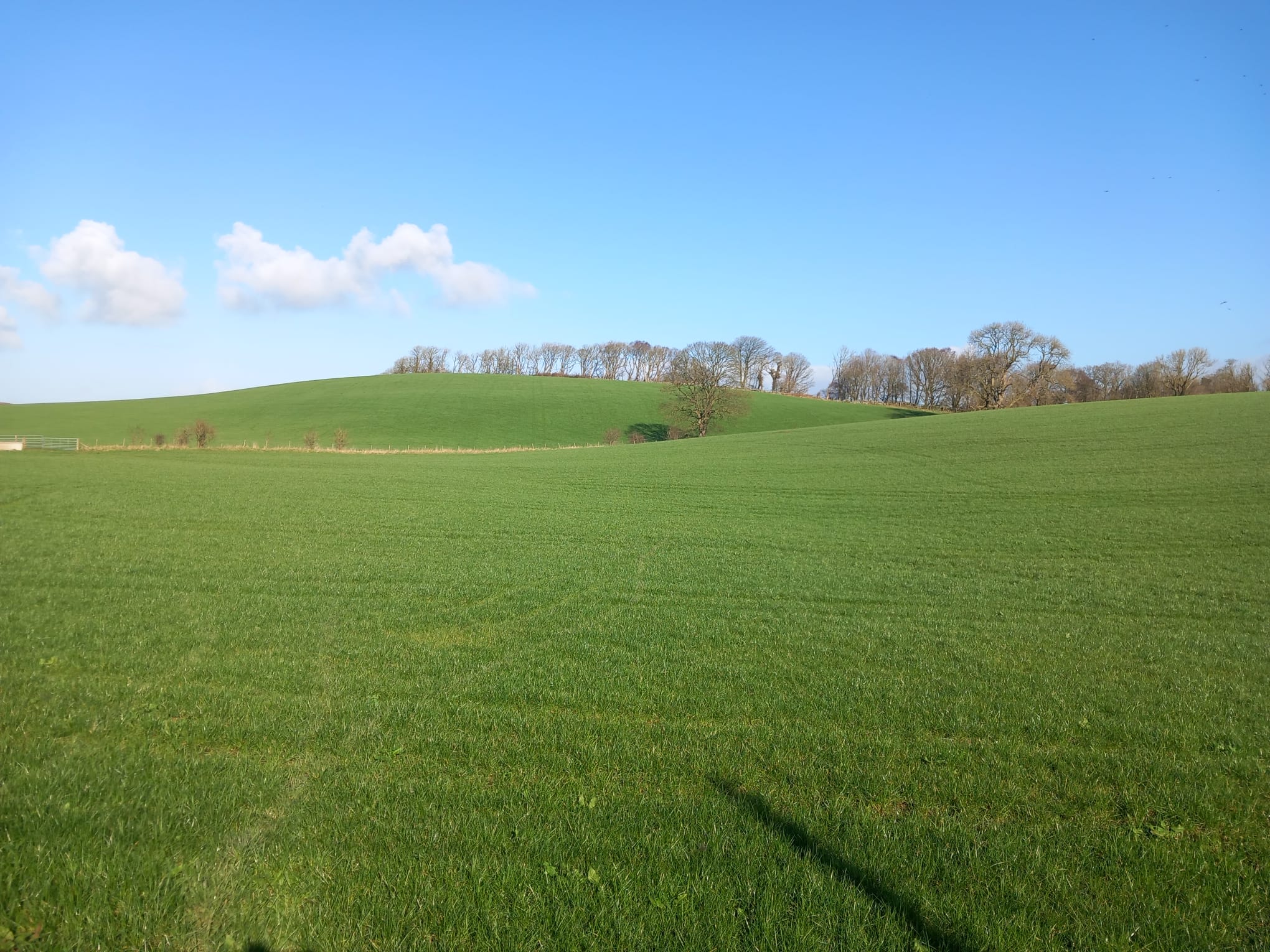
The Stewart family farms 700 acres across three fully organic units, Marshill, South Draffan and Southfield. Converting to organic in 2020, the business runs 390 Holstein Friesians. Cows are ai’d to sexed semen to produce home bred replacements with the remainder being served with Aberdeen Angus or Wagyu sires. All land is down to grass leys utilised for silage production and grazing.
Andrew Stewart has provided some insight into the process of converting to organic production and his top tips for anyone considering conversion.
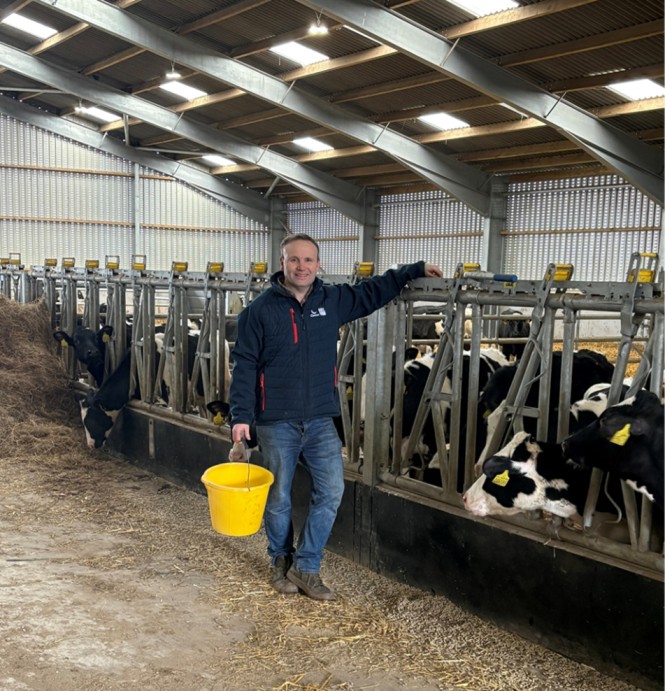
Why Organic?
With falling milk prices in 2015 Andrew started looking for ways to improve profitability and resilience of his business. Reviewing his current practices, he noted that as a business they were low users of inorganic fertiliser and around 80% of the land was currently being farmed almost to organic practices. With organic milk achieving a premium above conventional as well as AECS (Agri Environment Climate Scheme) support to assist with the costs of conversion the decision was made to aim for organic conversion heading towards a spring 2020 start.
What Research Was Needed Prior To Conversion?
Before making the decision to convert Andrew did a considerable amount of research, reaching out to other organic farmers in the area and further afield to ensure he fully understood the implications and any challenges that he might face. He also had considerable support from the Soil Association, who are now his accreditation body. They helped him understand the rules and the conversion process. As a dairy farmer, well used to high levels of quality assurance standards he found the administrative side of conversion straightforward. Andrew said: “Understanding the rules may seem daunting but once you understand the rules and the rationale behind them, compliance is just really another set of standards to adhere to”
Preparing To Go Organic
Once the decision to convert had been made Andrew started making changes to his business. With soil being the foundation of all farming businesses it was important to establish a baseline for soil status and understand any potential risk areas. The whole farm was soil sampled with lime being applied to rectify soil pH. As a dairy farm with access to large quantities of slurry soil Phosphate and Potash levels were generally good but those below optimum were identified as a priority for remedial action. Andrew said,
“soil is the key to any farming business but it's crucial in an organic system, being more aware of the nutrient status and condition of my soils has been an integral part of the success of my organic conversion”
Current stocking levels were Andrew’s next concern. He was fearful that removing inorganic nitrogen would lead to reduced grassland yield.
Previously beef calves were reared and kept to 12-16 months of age before being sold through the store ring. Andrew quickly identified this as a potential risk area which could mean a burden on the available forage on the farm. The decision was made to sell these calves at a younger age, either still on milk or just weaned. This immediately reduced any potential pressure on the business and with increased initiatives to improve the supply chain for beef from the dairy herd there was plenty of suitable outlets for his calves where they were still attracting a good price. Removing this age of stock also frees up more time for other areas of the business.
Concerned that removing these store cattle wouldn’t be enough to combat reduced grass yields, the milking herd was reduced by 15%.
What Would He Have Done Differently?
Looking back the reduction in stock was Andrew’s biggest regret. Whilst calves are still sold early the milking herd as increased once more to the previous levels.
“In hindsight, reducing the cow numbers was a mistake and if I had the chance to do it again I wouldn’t have been so severe. I just assumed that we would be really tight for forage in the first few years, however the reality is that we were already making good use of slurry and manure that the forage yields didn’t really fall. Reducing the cow numbers put more pressure on the business as the overall output was reduced without the same reduction in fixed costs”
Although knowing that soils and grassland would be key to the new organic venture Andrew admits that it took him while to fully recognise the importance of grass seed mixes. Moving to high clover options not only helps with nitrogen fixations and protein content but the dense clover swards have been a key tool to help inhibit weed growth.
What Are The Challenges?
The main continued challenge Andrew notices is weed control, a common fear cited by those considering organic conversion.
Over the past five years he has learnt that weed control needs to be thought of as a long term management practice rather than previously using the “quick fix” of herbicides. Increasing frequency of reseeds has been key to keeping on top of weeds as well as ensuring grass and silage quality remains high. Spring reseeds have been more successful on the farm and reduced weed problems along with establishing denser clover swards.
Being more strategic across many farm decisions was also a challenge at the start as “quick fixes” of buying more feed or forage is an expensive option. Keeping a careful eye on stocking rate and balancing with forage availability has been key to avoiding any shocks. Keeping better field records was another practice that he had to adapt to but has lead to overall more strategic pro-active management decisions.
What Works Well?
Andrew has noted that one of the biggest successes for him going organic is that his grass and silage yields have largely remained at the same level as when he was farming conventionally. He believes this is down to closer attention to detail to soil fertility and replacing offtake of nutrients and well as ensuring optimum pH across the farm.
He has also managed to achieve 9,000 litres and, although supplementary feeding is more expensive the organic milk price, has remained high at just below 60ppl
Higher attention to detail and a more robust animal health and welfare plan focussing on being pro-active rather than reactive has meant he has noticed an overall improvement in animal health. Vaccination has been brought in for mastitis, cryptosporidium and pneumonia as a way of being proactive. Although these health issues are still present on farm this impact of them has been greatly reduced.
Andrew believes the biggest difference to his farm and his business is his own change in mindset. He said,
“There are not as many solutions, you need to think and be more organised than before. There are things I would do before as it was just what we’ve always done, however now I think about things first”.
Overall organic conversion has made Andrew’s business more resilient to market fluctuations in input costs and milk price. This allows him to better forward plan and invest. In addition, the business is now closer aligned to Scottish Government policies as they move towards the future of more sustainable and regenerative path for Agriculture. Whilst this was not a consideration at the outset it gives him further reassurance of the future sustainability and resilience of his farming enterprise. As he moves into his 6th year of organic farming, he is pleased that this was the right decision for the business.
Top Tips For Organic Conversion
- Consider your market. Is there a suitable outlet for your product?
- Investigate soil nutrient levels before conversion.
- Going organic is not a magic solution for a struggling business. You need a resilient system to form a solid foundation.
- Do not make rash decisions at the outset. E.g. selling stock due to fear of forage availability. It’s much easier to sell organic stock than to buy them.
- Organic feed will be more expensive, so build this into any considerations
- Make sure your soils are at good nutrient levels before conversion
- Be prepared to shift your mindset.

Sign up to the FAS newsletter
Receive updates on news, events and publications from Scotland’s Farm Advisory Service