
Established to Exceptional: Refining an Organic System
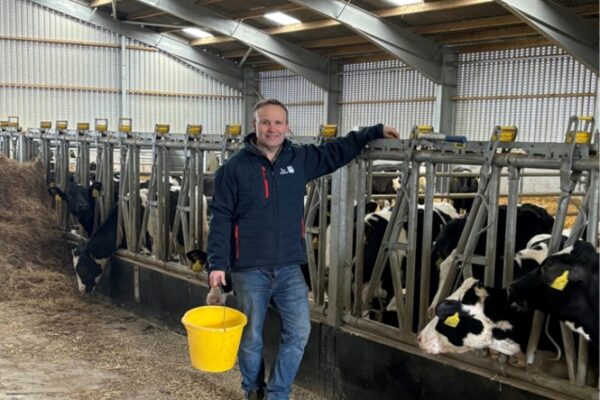
Anderson Brothers is a farming partnership run by brothers Matthew and Philip Anderson alongside their respective wives Becky and Mary. The business has developed a profitable and resilient organic system designed around the realities of upland farming. By focusing on soil health, forage utilisation, genetic suitability and simplified management, the business has reduced reliance on purchased inputs while improving its ability to withstand weather variability and price volatility.
The business has operated organically since the early 2000s, when Matthew’s father converted the farm. The system is based on a low-input model, where the principal costs are diesel and machinery rather than fertiliser, concentrate feed or routine veterinary treatments.
Initially the farm focussed primarily on soil improvement. Raising pH levels and increasing white clover content were central goals, enabling grass growth to be driven by biological nitrogen fixation rather than purchased fertiliser. That foundational phase has largely achieved its purpose, and stocking levels are now considered appropriate for the land base. The emphasis has therefore shifted from expansion to refinement.
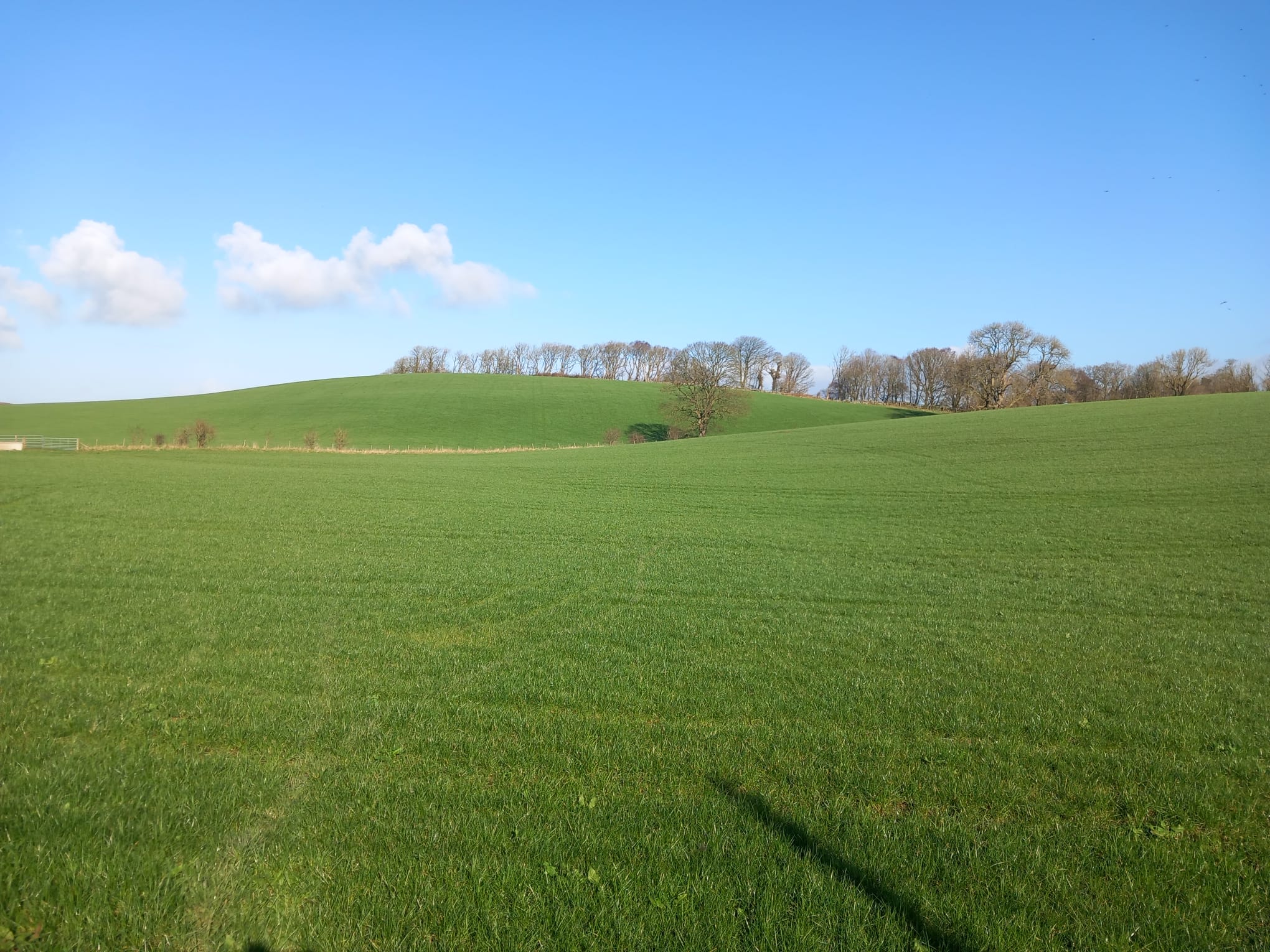
The partnership farms approximately 800 acres of upland ground just south of Jedburgh in the Scottish Borders. Most of the land is rented on 5-year agreements. The farms are stocked with 95 suckler cows and approximately 1,100 ewes on a forage-based system with lambing and calving taking place outdoors.
Soil Fertility and Nutrient Management
The business continues to apply lime as finances permit, with many fields currently sitting between 5.8 and 6.0. Lime applications are maintained to sustain previous improvement.
Phosphate levels are low across much of the farm, and the business uses rock phosphate to address deficiencies in line with organic standards.
Nitrogen fertility is supported through white clover in reseeds and through farmyard manure applications.
Grassland Management
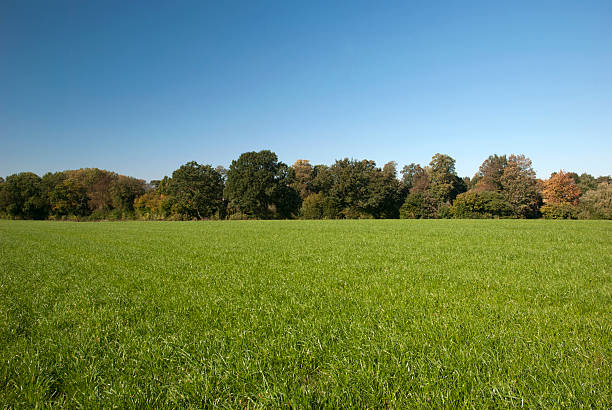
In recent years there has been a deliberate move towards more structured grazing. Larger groups of cattle and sheep are grazed together and moved more frequently, typically within seven days or less. Electric fencing is increasingly used to manage grass utilisation more precisely. This represents a clear departure from historic grazing approaches and is regarded as one of the farm’s most significant areas of progress.
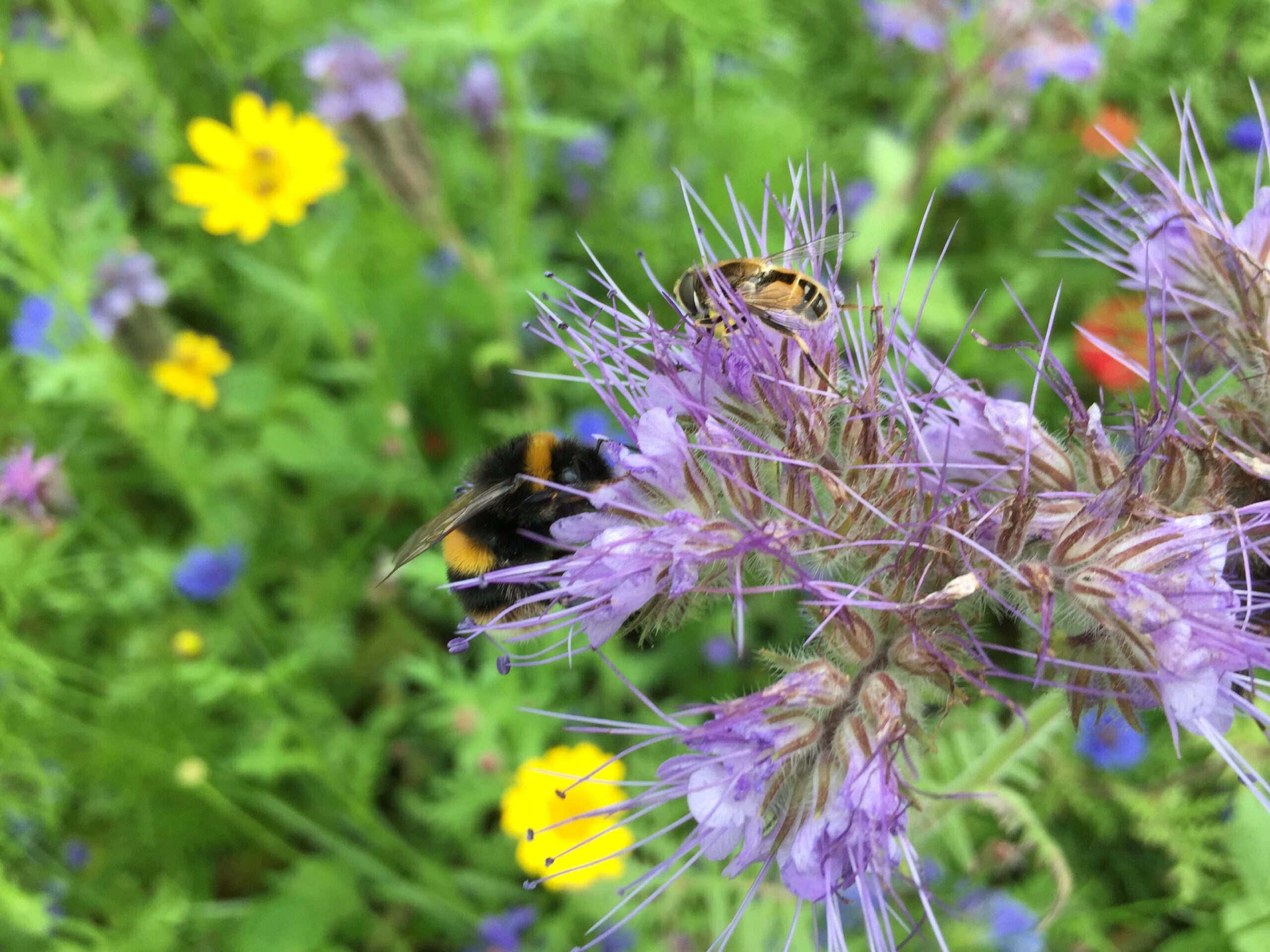
Reseeding is carried out on an approximate ten-year rotation using ryegrass and clover mixes. Native species tend to re-establish within the sward over time, contributing to resilience and mineral availability. Where fields become compacted or heavily infested with rushes, ploughing is used as a reset tool to restore productivity.
The business makes all their own silage which is used to support outwintering of both the cattle and sheep.
Sheep
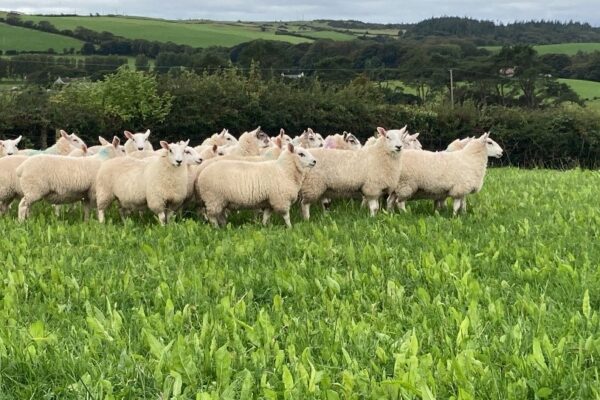
The sheep flock is currently in transition. While Scotch Mule ewes remain in the system crossed with Suffolk tups, they are gradually being phased out in favour of purebred EasyCare sheep. As a shedding breed, EasyCares remove the need for shearing, aligning with the farm’s broader objective of simplifying management, reducing labour and lowering fly strike risk. The move reflects a clear principle within the business that unnecessary interventions are gradually being designed out of the system.
Within the sheep enterprise, objective measurement has become increasingly important. Weighing equipment is frequently used to monitor growth rates. The business is prepared to sell more lambs store when finishing conditions on upland ground are less favourable, adapting marketing decisions to environmental limitations.
Ewes are body condition scored to identify animals failing to maintain themselves within the system, and these are culled accordingly.
Cattle
The suckler herd is primarily built around Blue Grey cows. These small-framed, fertile cows are well suited to outwintering, maintaining body condition on forage alone and fleshing quickly when required.
More recently, the business has shifted away from Limousin bulls towards Stabiliser genetics. The change was driven by a desire for improved temperament and easier calving within an outdoor system. Historically, calving assistance rates were around 5%, but the move to Stabilisers has tightened the calving pattern and improved overall calving ease, enhancing labour efficiency and herd resilience.
All calves are currently sold store. This decision supports cashflow and reflects the reality that finishing cattle on upland ground does not consistently match the farm’s forage resources.
Greater attention is now given to performance measurement and selection pressure within the livestock enterprises.
The herd runs at a 25% replacement rate. Heifer selection is strict, focusing on conformation (particularly hook-to-pin slope), birth within the first calving cycle, dam performance history and temperament.
Calf weaning weights are recorded to highlight cows underperforming in maternal output, ensuring that replacements are drawn from functional, efficient bloodlines.
Animal Health and Performance
Animal health challenges are relatively limited and are largely associated with nutrition and parasite control in lambs. Blanket worming is avoided. Instead, faecal egg counts are conducted using an on-farm microscope to guide targeted treatments, reducing unnecessary intervention in line with organic principles.
Fluke control remains necessary, with ewes typically treated twice annually and cows once. No routine mineral supplementation or boluses are used, with confidence placed in diverse swards and long-term soil management to support mineral balance.
Nutrition is closely monitored in this full forage-based system. If there are any concerns with lower energy forage cuts, concentrate feed will be bought in, however this is only in required circumstances.
Future Plans
The current direction is not one of expansion but of refinement. The priority is to continue breeding livestock that suit the land, maximise grass growth, and operate a streamlined system that remains manageable within the available labour. In doing so, the farm demonstrates how an upland organic enterprise can combine practicality, innovation and long-term resilience within the constraints of its environment.

Sign up to the FAS newsletter
Receive updates on news, events and publications from Scotland’s Farm Advisory Service