
Care Post Tupping For Minimum Embryonic Loss
21 November 2016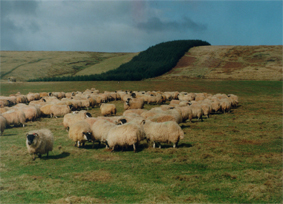 A vast amount of work goes into preparing ewes and rams for tupping. From when the tup is turned out until 40-42 days of pregnancy when the embryo implants is a high risk stage where embryonic losses occur. A 5% lower embryonic loss in a 100 ewe flock would result in 5 more lambs, potentially £350.00 if valued at £70. Over 1,000 ewes = £3,500.00
A five point plan to reducing embryonic losses in sheep:
Stress
- Rather than reducing stress eliminate stress.
- If moving sheep to fresh grass do so without dogs and open the gate and let them find it themselves.
- Chose fields that have natural shelter as heat and cold weather stress can result in embryonic losses./li>
Handling
- No flock treatments, if treatments are required do so on an individual basis. Try and steer the individual out from the field if she is near a gate rather than herding all sheep.
- If changing tup keel, try and tempt him with some concentrate feeding or have a pen area set up to avoid disturbance in the field.
Nutrition
- In early pregnancy the body is growing a foetus and a placenta. Undernutrition can have an effect to this which can result in embryonic losses.
- Avoid overfeeding fat ewes.
- Use free access mineral licks or blocks, do not bolus for trace elements after the tup is introduced.
Forage
- Grass below 6cm may need supplementation, if required use a low disturbance method e.g. buckets
- Avoid red clover
Condition
- At tupping a lowland ewe should be in body condition score 3.5, this should be maintained for the first month, after this approximately half a condition can be lost to mid pregnancy.
Kirsten Williams, kirsten.williams@sac.co.uk
Sign up to the FAS newsletter
Receive updates on news, events and publications from Scotland’s Farm Advisory Service