
Tourism as a Growth Opportunity for Scottish Farms
Scotland’s farms, crofts and estates already possess many of the things visitors actively seek: spectacular landscapes, distinctive food and drink, wildlife, heritage and authentic experiences.
The commercial opportunity is considerable. Scotland recorded around 92 million tourism visits in 2024, generating approximately £11.4 billion in visitor spending. Agritourism is now an important part of that market, worth almost £300 million and welcoming more than 2.5 million visitors each year. Around 888 Scottish businesses are active in agritourism and farm retail, supporting approximately 8,000 full-time-equivalent jobs.
For agricultural businesses facing fluctuating commodity prices, changing support mechanisms and rising costs, tourism can create additional income from assets, knowledge and stories that already exist. It can also strengthen direct relationships with consumers and create opportunities for family members or the next generation.
However, tourism diversification is certainly not passive income. Before investing, business owners must decide not only what their land could support, but what type of tourism business they actually want to run. Here we examine some considerations for getting started.
1. Start with the people, not the property.
It is easy to look at a redundant steading, attractive woodland or scenic hillside and immediately imagine holiday accommodation, events or visitor experiences. The more important starting point is the people behind the business.
Ask yourself: Do I want to run a tourism business, or do I simply want to generate additional income from an existing asset?
Some tourism models require relatively little face-to-face contact. A self-catering cottage, motorhome stopover or well-managed glamping unit can operate with digital booking, self-check-in and outsourced cleaning.
Other models place the owner at the centre of the visitor experience. Guided farm tours, animal encounters, educational visits, cafés, events and workshops require energy, confidence and a genuine interest in dealing with the public.
Successful hosts are often enthusiastic storytellers. They enjoy explaining what happens on the farm, meeting visitors and making them feel welcome. For the right person, this can be one of the most rewarding aspects of diversification. For someone who values privacy or dislikes customer-facing work, it can become exhausting.
Time commitment must also be considered honestly. Customer enquiries, booking administration, cleaning, maintenance, marketing and social media can quickly become substantial. The business should decide how much time it is prepared to commit, who will manage guests and whether the tourism enterprise can operate alongside lambing, calving, harvest or silage.
Outsourcing cleaning, booking administration, catering or guiding may allow the business to grow without placing all the responsibility on the farming family.
2. Create more than accommodation.
Accommodation remains Scotland’s most common agritourism type, offered by around 67% of businesses in the sector. However, 40% also provide farm tours or experiences, while more than a quarter operate cafés, restaurants or pop-up food offerings.
Holiday cottages, cabins, pods, shepherd’s huts and campsites can all generate income, but the market is becoming more competitive. The strongest businesses increasingly offer an experiential aspect to their business. That might mean feeding lambs, meeting Highland cattle, exploring a croft, joining a farm walk or enjoying produce grown within sight of the accommodation.
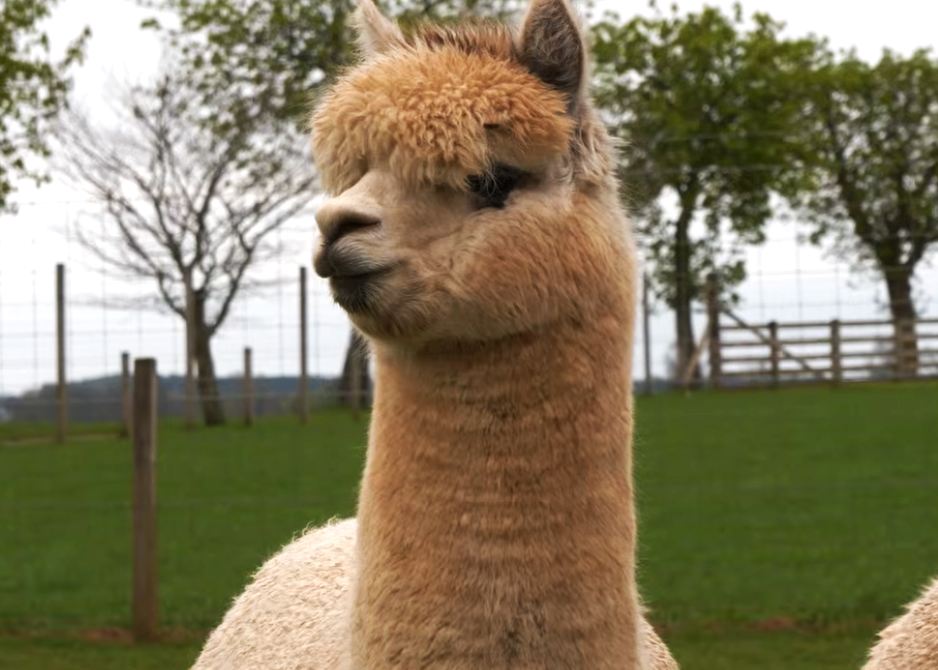
Newton Farm Holidays in Angus provides a good example, combining the working farm with lamb feeding, alpaca walking and animal experiences. The farming activity is not hidden from guests. It is a central part of the visitor offer.
3. Turn everyday farming into an experience.
Activities that feel routine to a farmer can be fascinating to someone with little connection to agriculture. Watching a sheepdog work, learning about calving, understanding crop production or seeing conservation grazing in practice can create a memorable and valuable experience.
Bairnkine Farm Tours connect livestock farming with conservation and birdlife, demonstrating how everyday agricultural activity can be structured into an engaging visitor product. Long Island Retreats & Larder in South Uist draws on six generations of crofting knowledge, linking Gaelic culture, native livestock and crofting heritage.
The opportunity is to identify what is distinctive about the farm and make it accessible, understandable and bookable. Visitors need a clear description, price, duration and booking process rather than an informal invitation to look around.
4. Food, farming and visitor spend.
Food tourism allows agricultural businesses to capture more value from what they already produce. A visitor might come for a farm tour, stay for lunch, buy products from the farm shop and return later for a seasonal event.
Fodder + Farm, near the Trossachs, combines regenerative farming with farm-to-table meals, workshops, walks and events. Ardardan Estate in Argyll brings together a farm shop, tearoom, gift retail and family experiences, providing several reasons to visit and multiple opportunities for customer spending.
The opportunity does not always require a full café. Produce vending machines, tasting sessions, seasonal hampers, farm picnics and occasional supper clubs can provide lower-risk ways to test demand.
5. Think beyond the obvious.
The future of land-based tourism extends well beyond cottages, cafés and children’s farm parks.
Potential opportunities include wellness retreats, forest bathing, farm photography, foraging, stargazing, wildlife watching and creative workshops. Businesses involved in peatland restoration, biodiversity or regenerative farming might offer nature and climate tours for schools, professional groups or environmentally conscious visitors.
Carfrae Farm in East Lothian combines accommodation with foraging, wild swimming, bushcraft and guided walks. Alvie Estate uses its farming, forestry and Highland landscape as part of a wider outdoor visitor offer. More unusual ideas could include farming masterclasses, corporate leadership days, digital-detox weekends, seasonal memberships or “adopt an animal” experiences that combine online updates with farm visits and produce boxes.
The best idea is not necessarily the biggest. A premium experience for six visitors may create a stronger return and less disruption than a high-volume attraction.
6. Understand the legal responsibilities.
Welcoming visitors onto a working farm introduces new responsibilities. Planning permission or change-of-use consent may be required for accommodation, building conversions, cafés, parking, events or visitor attractions. Traffic, access, environmental effects and the relationship with existing agricultural operations all need to be considered.
Short-term-let accommodation in Scotland requires a licence, including cottages, bed and breakfasts, pods and yurts. Planning and licensing are separate processes, and some developments may need both.
Health and safety planning should cover livestock, machinery, vehicle movements, water, uneven ground, handwashing, zoonotic disease and emergency procedures. Standard agricultural insurance may not cover paying visitors, so appropriate public liability, product liability and activity-specific insurance should be arranged.
Food businesses must also consider registration, hygiene, allergens, traceability and alcohol licensing where relevant.
The Opportunity Ahead
Tourism diversification can create income, improve direct sales and give visitors a better understanding of Scottish agriculture. The strongest businesses build tourism around their own land, people, produce and story. They understand the experience they want to provide, the customers they want to attract and the time they are prepared to invest.
When the proposition is distinctive, the legal foundations are sound and the tourism model fits the personalities of those running it, diversification can do more than generate additional income. It can strengthen the core agricultural business, provide meaningful roles for family members and create a closer connection between Scotland’s visitors, landscapes and food producers.
Related FAS Resources
Related External Resources
Scotland's Agritourism Census 2025 - Full Results Published - Scottish Agritourism


Related articles
Diversification
Sign up to the FAS newsletter
Receive updates on news, events and publications from Scotland’s Farm Advisory Service