
Beyond the Farm Gate – Adding Value Through Food and Drink
Scotland has a strong reputation for the quality and provenance of its food and drink, from beef, lamb and dairy products to cereals, soft fruit, vegetables and potatoes. For farmers and crofters, this creates opportunities to look beyond the sale of primary produce and consider whether more value could be retained within the farm business.
Food and drink diversification can operate at many different scales. For some businesses, the opportunity may begin with direct sales, meat boxes or small-batch production. For others, the ambition could be considerably greater: developing a recognised food or drink brand, supplying national retailers, investing in dedicated processing facilities or ultimately building a food manufacturing business alongside the farm
For businesses facing fluctuating commodity prices, rising input costs and changing agricultural support, adding value can provide another income stream and reduce reliance on a single market. It can also provide opportunities for family members or the next generation to develop a different role within the farm business.
However, producing a good product is only one part of building a successful food business. Before investing, farmers and crofters need to consider:
- what they can produce well
- Who is likely to buy it
- Whether the additional value will justify the time, investment and complexity involved.
Here we examine some things to consider before embarking.
What Do You Already Have?
The best diversification opportunity may already be leaving the farm gate.
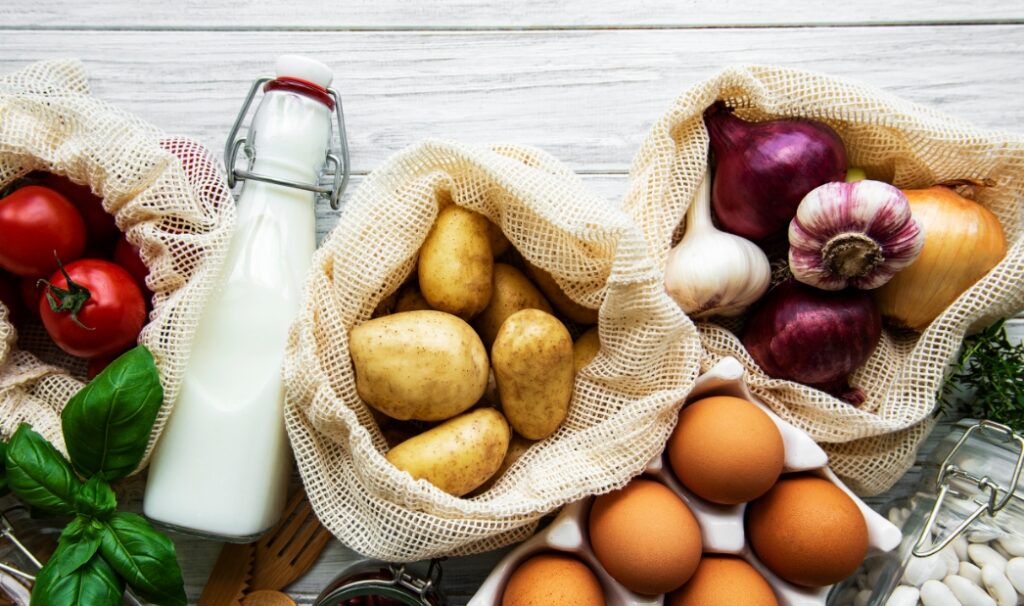
Livestock, milk, cereals, fruit, vegetables and potatoes can potentially be processed, packaged or marketed in ways which allow more retention of the final value.
For livestock businesses, opportunities could include meat boxes, burgers, sausages, pies or other prepared products. Dairy farms might consider milk vending, cheese, yoghurt, butter or ice cream, while fruit and vegetable growers could explore juice, preserves, sauces, prepared vegetables or frozen products.
Cereal producers might look at flour, bread, biscuits, beer or spirits.
The opportunity is not just about processing a product for the sake of it. The additional selling price needs to compensate for the extra processing, packaging, labour, energy, distribution and marketing involved.
Marshalls Farm Shop at Kintore provides an example of how adding value can develop alongside an existing farm. Diversification began with a self-service trailer in the 1990s before the family developed a farm shop and café. The business now includes an in-house butchery, bakery and restaurant, selling produce including its own beef, lamb, pork, potatoes, vegetables and eggs. Half of the farm turnover is now reported to pass through the restaurant, butchery and shop.
Not every business needs, or should aspire to, something of this scale. The important lesson is how the agricultural products and assets already available to the business can provide the foundation for diversification.
Can You Start Small To Test the Market?
One of the attractions of food and drink diversification is that it can often be tested before significant capital is committed.
A livestock business could begin with a limited number of meat boxes. Eggs, potatoes, milk or vegetables could be sold through an honesty box or vending machine. A small number of preserves, sauces or bakery products could be tested at local markets and events.
Production does not always need to take place on the farm either. Butchers, commercial kitchens and established food manufacturers can potentially process or manufacture products on behalf of a farm business, reducing the amount of equipment required initially.
Starting on a smaller scale allows the business to discover which products customers want, what they are willing to pay and, importantly, whether they return to buy again.
There can be a temptation to invest in buildings and equipment before the market has been demonstrated. Establishing demand first can considerably reduce that risk.
How Do You Want to Sell?
Producing the food is only half of the equation. The business also needs a practical way of getting it to customers. Farm shops are probably the most visible example of direct selling, but there are many other possibilities.
Vending machines have created opportunities to sell products including milk, eggs, potatoes, vegetables and meat with relatively limited staffing. Online ordering and click-and-collect can work particularly well for meat boxes and seasonal produce, while farmers' markets can provide an opportunity to test products and speak directly to customers.
Local cafés, hotels, restaurants and independent retailers can provide another route to market for businesses able to supply consistently.
Craigies Farm near South Queensferry illustrates how direct selling can evolve over time. Its retail business started with a single table in a converted barn before developing into a farm shop and café alongside the family's fruit and vegetable enterprise. Pick-your-own fruit and other visitor activities have subsequently been added, turning food production and direct sales into a much wider farm business.
The right route to market will depend on the product, location and people involved. A roadside farm close to a large population may be well suited to direct retail. A more remote business may achieve greater reach through online sales, wholesale or supplying hospitality businesses.
Why Should Customers Choose You?
Scottish farmers and crofters have something many food businesses spend considerable amounts of money trying to create: genuine provenance.
Customers can increasingly encounter products with claims around being local, sustainable or traditionally produced. Your business should therefore be specific about what genuinely makes your product different.
That could be a particular breed of cattle or sheep, milk produced and processed on the same farm, barley grown for a farm-based drink, vegetables grown in a particular area, traditional crofting methods or simply the ability to identify exactly where and how the food was produced. This story can become particularly valuable when selling directly to customers.
The opportunity is not necessarily to compete with supermarket products on price. A smaller producer may instead compete through quality, provenance, freshness, service and the connection between the customer and the farm.
Think Beyond Fresh Produce
Adding value can also increase the range of products that can be produced from the same agricultural output. Fruit can become juice, jam, chutney or preserves. Milk can become cheese, ice cream or yoghurt. Meat can become sausages, burgers, pies or ready meals. Cereals might become flour, bakery products, beer, gin or whisky.
Processing can potentially extend shelf life, make use of seasonal gluts or create an outlet for produce which is perfectly good to eat but unsuitable for its conventional market.
It can also create different products at different price points. A customer buying beef may also purchase burgers or sausages; someone visiting for strawberries may also buy jam or juice.
The strongest opportunities are those where processing solves a genuine business problem or meets an identified customer demand, rather than simply creating another product that then has to be sold.
Food and Drink Can Work Alongside Other Diversification
Food and drink can be particularly powerful when combined with other activities.
A farm already attracting visitors may be able to sell its own food alongside accommodation, tours or experiences. A farm shop can develop workshops, tastings or seasonal events. A livestock business selling meat directly could offer farm tours that allow customers to understand how their food is produced. In this way, diversification activities can support one another rather than operate as completely separate businesses.
Food can also turn a visit into several transactions. Someone might initially visit a farm for an event or activity, eat there, buy products to take home and later order from the business online.
The important consideration is whether each new activity contributes to the overall business - rather than simply adding more work.
Think Further Along the Supply Chain
Some businesses may have an opportunity to move considerably further from primary production into processing.
Balmaud Distillery near Turriff is one example. The Strachan family had been growing malting barley for the Scotch whisky industry for more than 60 years but had relatively limited control over the price received for the grain. Establishing a distillery created an opportunity to retain more value from crops grown on the farm. The business is producing gin, while whisky distilled using its own barley is maturing.
Moving this far into processing clearly brings much greater investment, technical requirements and commercial risk. It will not be appropriate for every farm.
It does, however, demonstrate the potential to think beyond what else could we produce? and instead ask could we do more with what we already produce?
Understand the Practical Requirements
Moving into food production also brings responsibilities that may be unfamiliar – however there are synergies with certifications required for standard farming activities.
Businesses need to consider food business registration, food safety management, hygiene, allergen management, traceability and labelling. Additional requirements can apply to certain products, particularly products of animal origin, and alcohol production and sales bring their own licensing and regulatory requirements.
Buildings may require planning permission or change of use, while appropriate insurance should also be considered.
Production capacity is another important consideration. Making 50 jars of chutney in a week may be manageable. Making 500 every week while running the farm is a very different proposition.
Labour is therefore just as important as equipment. Businesses should be realistic about who will manufacture products, fulfil orders, deal with customers, manage stock and undertake marketing, particularly during busy periods on the farm
The Opportunity Ahead
Food and drink diversification can enable farmers and crofters to retain more of the value generated by their produce and develop a closer relationship with the people who ultimately consume it.
The opportunity does not have to begin with a large investment.
A vending machine, seasonal meat box, small range of preserves or supply arrangement with a local restaurant may be enough to test whether an idea has potential. Successful businesses can then grow as demand develops.
The strongest opportunities build on something the farm already does well. They have a clearly identified customer, understand the true costs involved and offer a product with a compelling reason for people to buy it.
For some businesses, that may eventually lead to their own processing facility, farm shop or nationally recognised brand. For others, a modest direct-selling enterprise could provide a valuable additional income stream alongside the core farm.
The objective is not to process more food. It’s to identify where, between the farm gate and the final customer, there is an opportunity for the farm business to retain more of the value it creates.
Kirsty Carnegy, SAC Consulting







Sign up to the FAS newsletter
Receive updates on news, events and publications from Scotland’s Farm Advisory Service