
Dairy
Business and Policy October 2026 – Milk
Milk Production Data Milk production is beginning to rise as we head into the autumn months, on the back of some much-welcomed rain in September for those south of the border, and the increasing trend towards autumn calving herds. Daily production is currently 33.02 million litres for the week ending 19th September, which is 1.5%…

Silage Quality and Winter Feed Planning
While milk prices are beginning to show gradual signs of improvement, careful feed management remains essential to protect margins and support cash flow recovery. As we move towards autumn, silage analysis results for first and second cut silages should now be available on farm. These results provide valuable information, not only for planning winter rations…
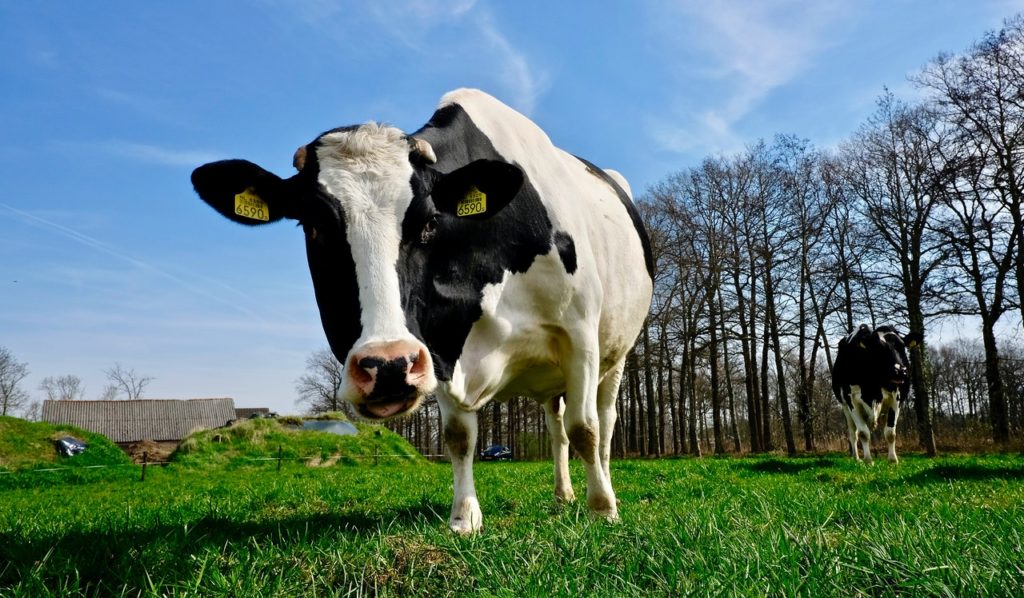
EnviroCow Index Yielding Results
This article provides an overview of a recent study commissioned by AHDB and undertaken by Promar International, which found that herds using targeted breeding could reduce the carbon footprint associated with milk production by up to 16% over five years. The study looked at herds that selected bulls with higher EnviroCow scores and monitored their…
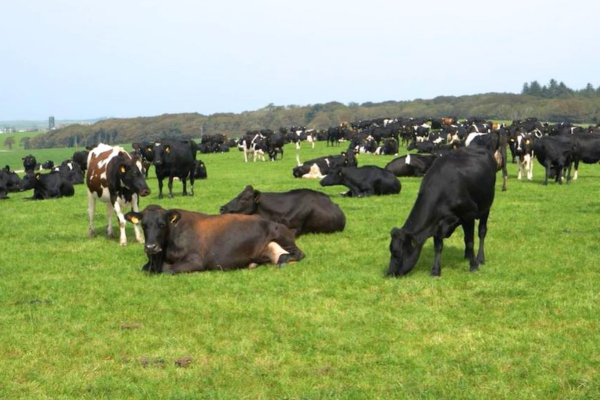
Business and Policy September 2026 – Milk
Milk production data GB milk production continues to decline, with the seasonal decline now being compounded by extremely dry conditions across much of the country. The impact has been particularly severe across southern England, where prolonged drought has restricted grass growth and grazing availability. Many farms have been unable to produce sufficient winter forage, while others are already using…
Business and Policy August 2026 – Milk
Milk Production Data Milk production continues its seasonal decline, with lower milk prices, volume management schemes and recent heatwaves adding further pressure on output. The latest data from AHDB estimates GB milk production for June 2026 at 1,065 million litres, 40 million litres less than the previous June (-3.6%). Daily production is currently 33.19 million litres for the week ending 18th July, which is…
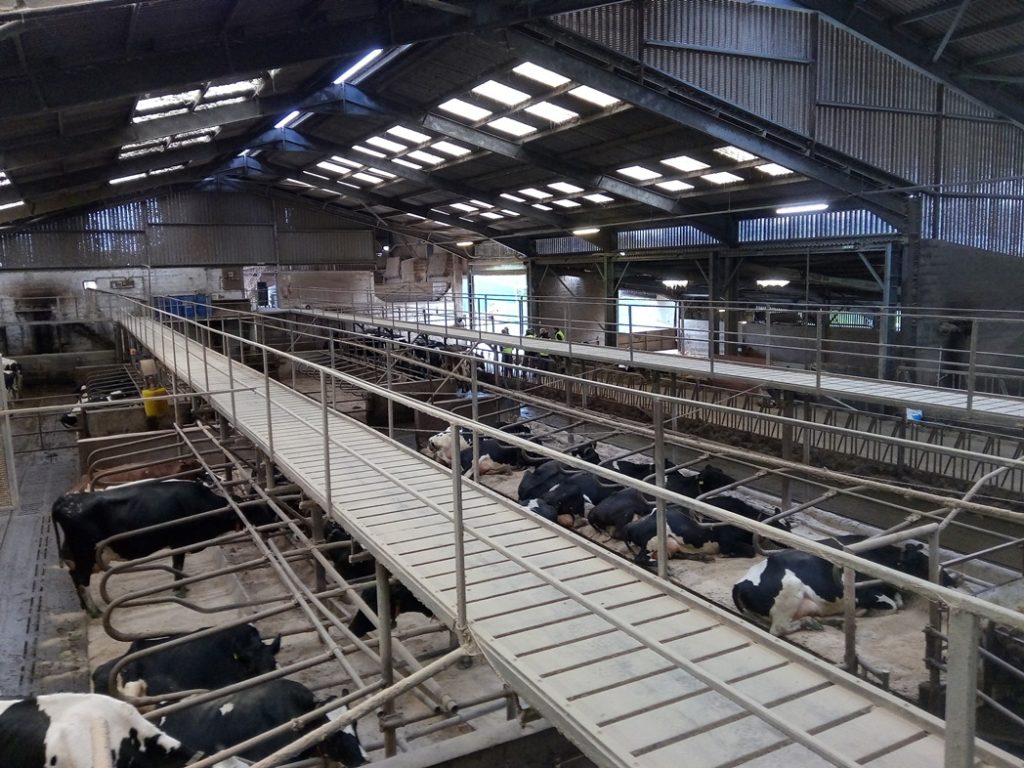
Prevalence of Heat Stress in Dairy Cows – A Summary of the A-SHED Project
The global climate is changing, with the UK experiencing warmer average summer temperatures and an increasing frequency of heatwaves. While Scotland and northern England are not traditionally regions associated with heat stress in dairy cows, high-yielding yielding dairy cows housed during the summer may still be at risk. Heat stress occurs when cows produce more…
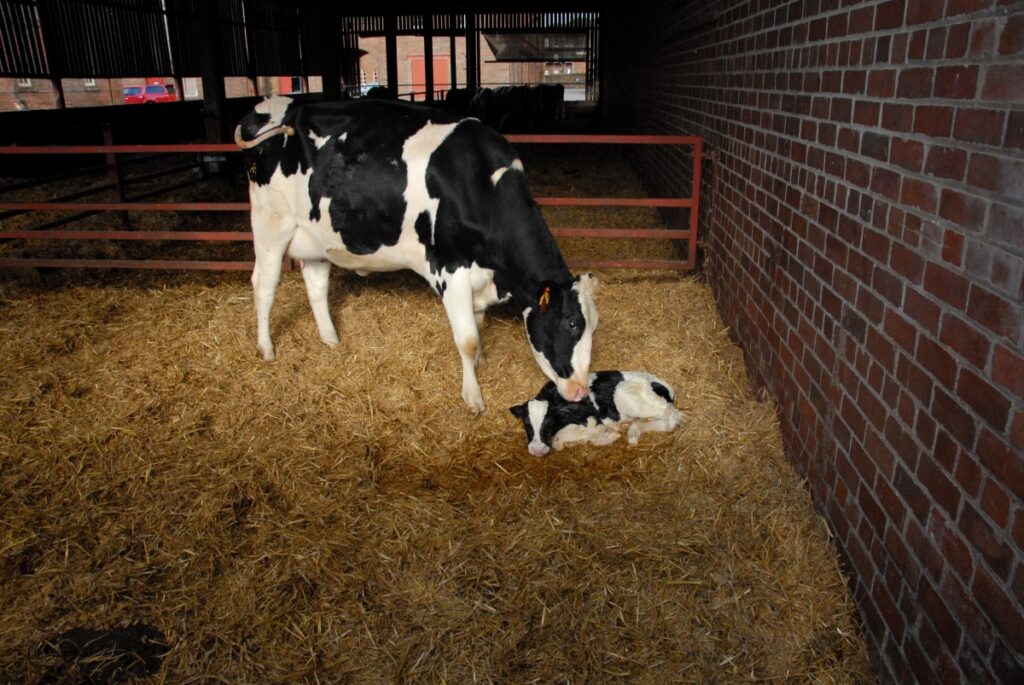
Post-calving: Are we getting it right?
Calving is a major event for a cow, ensuring the post-calving period is correctly managed provides the cow with the best opportunity to recover and have good future health. Cows in later lactations and those yielding over 30 litres are at a higher risk of experiencing post-calving problems, including displaced abomasum, milk fever, ketosis and…
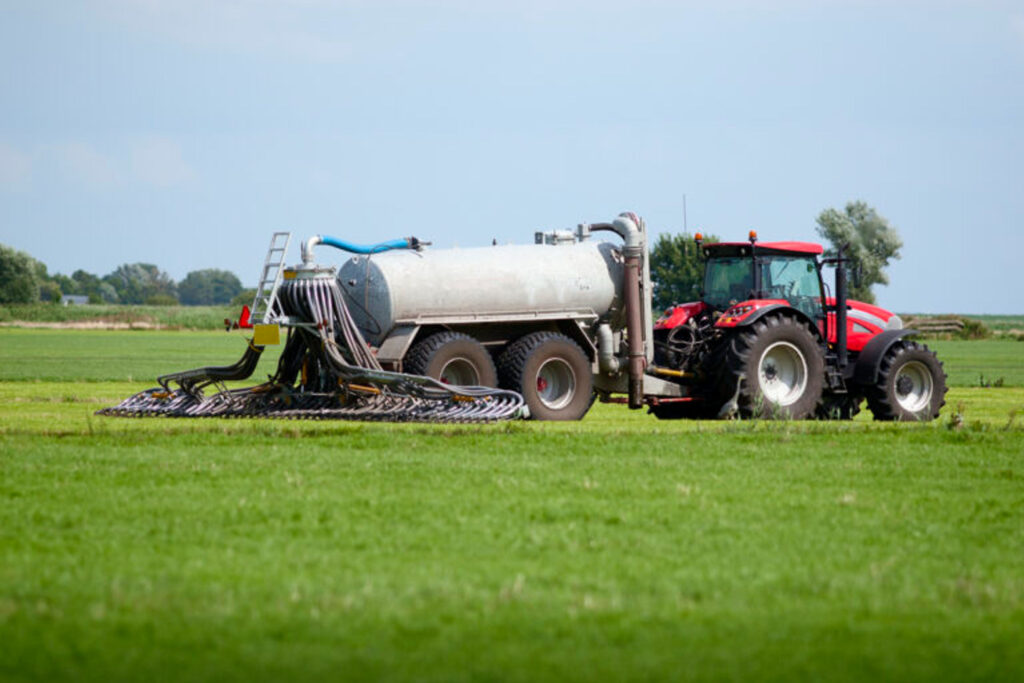
Using Slurry to Save on Fertiliser and Improve Silage Quality
For several months now, energy prices have been trending upwards after the start of the conflict in the Middle East. This has seen oil reach a peak of $100 US/barrel forcing a significant increase in fuel prices back in the UK. This has had a knock-on effect on fertiliser prices with AHDB reporting prices over £520/tonne for Ammonium Nitrate fertiliser in April. This has seen…
Business and Policy July 2026 – Milk
Milk production data Milk production is declining and the spring flush has well and truly passed. The latest data from AHDB estimates the GB milk volume for May at 1,167m litres, 19m litres less than the previous May. Daily production is currently 35.97m litres for the week ending 20th June, 1.2% less than the previous week and 1.4% less than the same week last…
Business and Policy June 2026 – Milk
Milk production data GB production for the year ending 31st March 2026 is estimated to have reached 13.02 billion litres, a significant increase of 5.0% when compared to the previous season. This is the highest volume recorded for a milk-year. The latest data from AHDB estimates the GB milk volume for April at 1,136 million litres, 5m litres more than the previous April. Daily production is currently 38.12m litres for the week…