
Managing Mastitis Risk During the Grazing Season
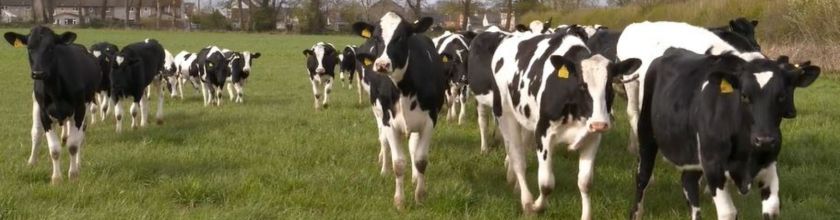
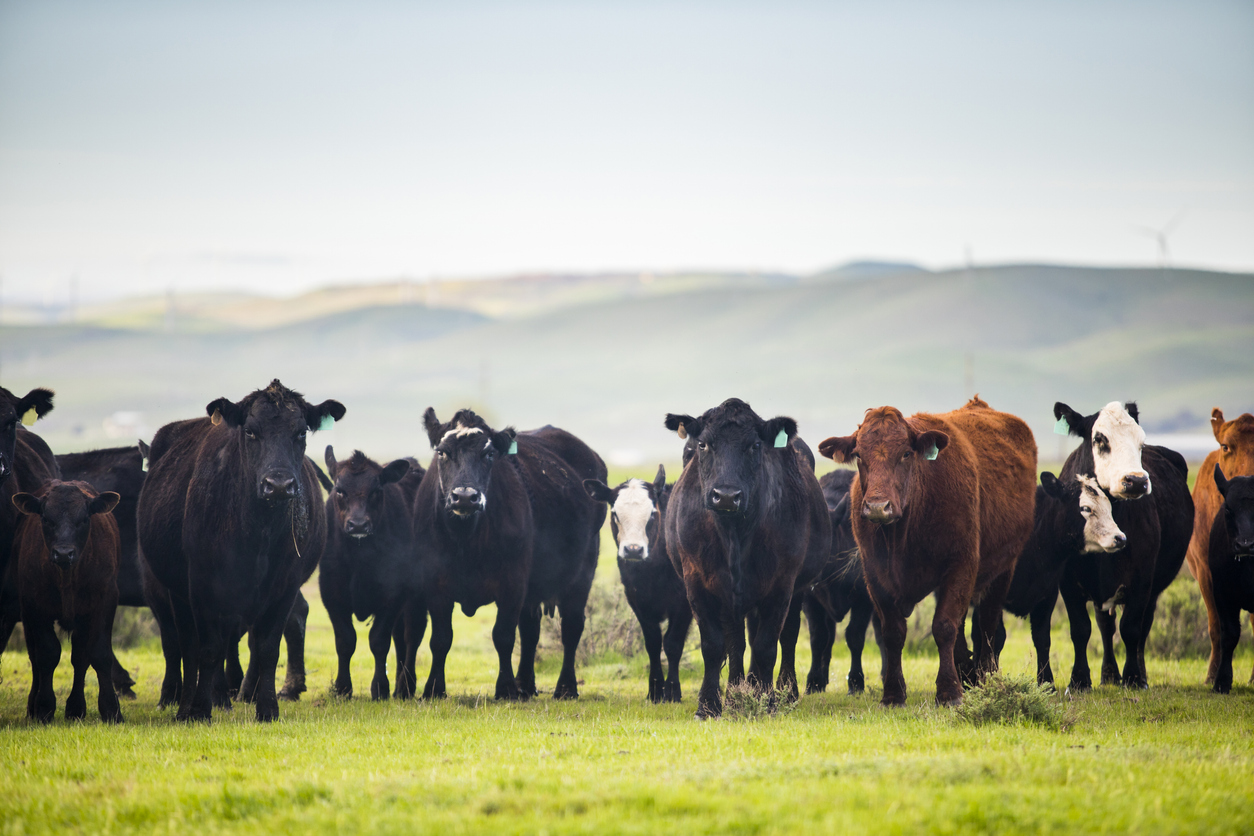
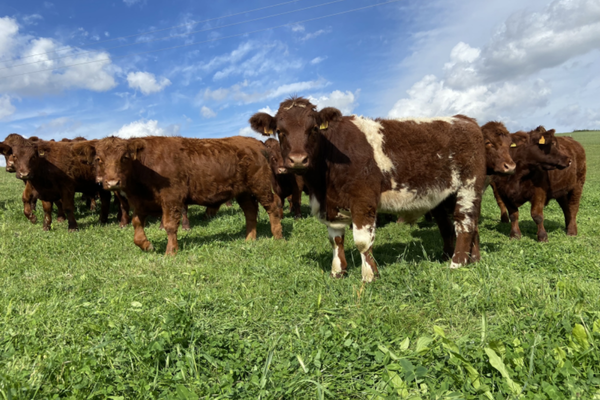
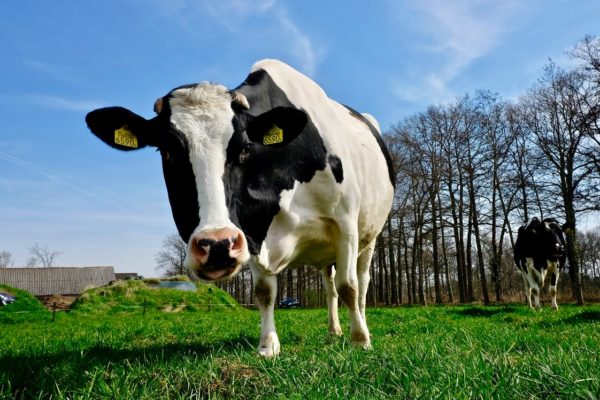
Mastitis is often associated with the housing period, when the risk of infection is typically higher. However, the grazing season also presents challenges. Environmental and clinical mastitis can occur at pasture, and somatic cell counts may increase. With fly populations rising and often peaking in the warmer months, it is important to manage these risks. Key measures include ensuring adequate rotation during grazing and maintaining high traffic areas which are prone to poaching such as tracks and gateways.
Mastitis at Pasture
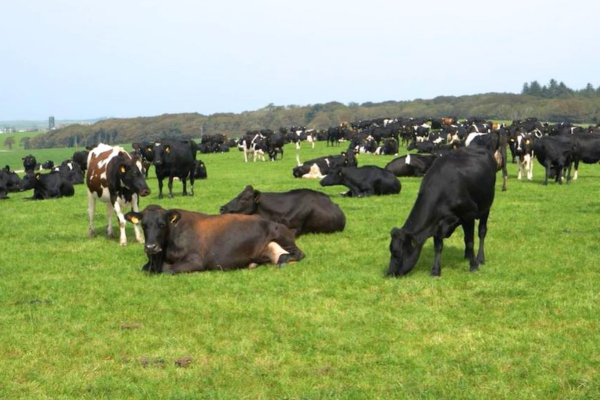
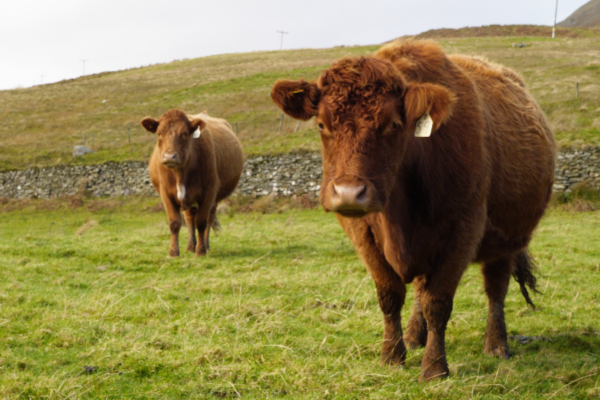
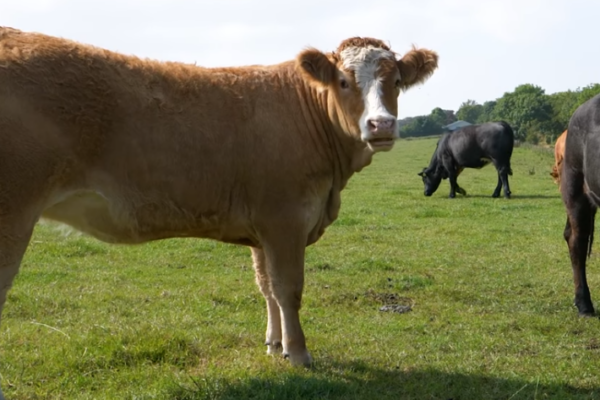
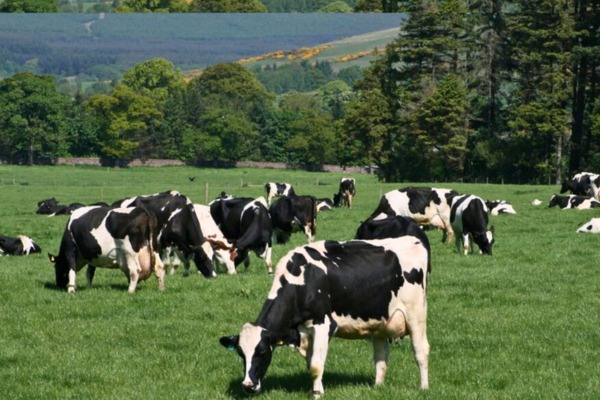
Grazing exposes cattle to different bacterial pathogens and more variable environmental conditions compared with housed systems. Certain areas within fields carry a higher risk due to bacterial build-up, particularly where cows gather frequently. Wet, dirty areas around water troughs, gateways and tracks can increase exposure to pathogens. Cows may congregate in particular areas overnight, further increasing contamination.
Good grazing management is essential to minimise these risks. Rotational grazing ensures cows do not spend extended periods in heavily contaminated areas. Managing cow traffic and avoiding excessive poaching in gateways and high-use areas can significantly reduce the likelihood of dirty teats and udders, which are key risk factors for infection.
Maintaining High-Traffic Areas
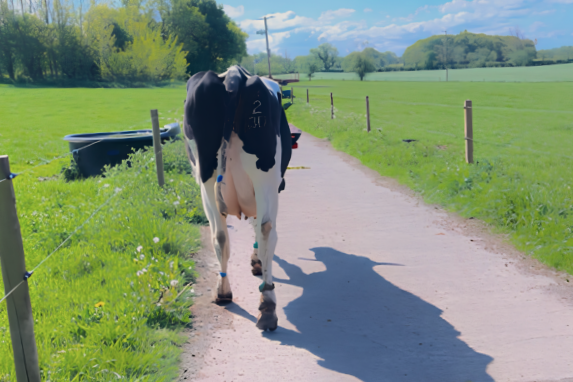
High traffic areas such as trackways leading to and from the milking parlour or supplementary feed should be regularly maintained to avoid splash back onto udders and poaching. Gateways and tracks can be reinforced with materials such as hardcore, bark, woodchip or artificial turf. Maintenance and adequate drainage of tracks reduce poaching, and the likelihood of dirty udders and teats. Well-maintained tracks not only help reduce mastitis risk but may also improve hoof health and reduce lameness.
Summer Mastitis Risk
Summer mastitis usually occurs during the warmer months from July through to September. It primarily affects the non-lactating mammary gland, meaning dry cows and heifers grazing at pasture are most at risk. As these animals tend to remain in the field in the lead up to calving, it is important to consider whether the field has areas which are particularly suitable for fly populations to thrive in.
The main vector for disease transmission is the sheep head fly, which spreads bacteria between animals and udder quarters.
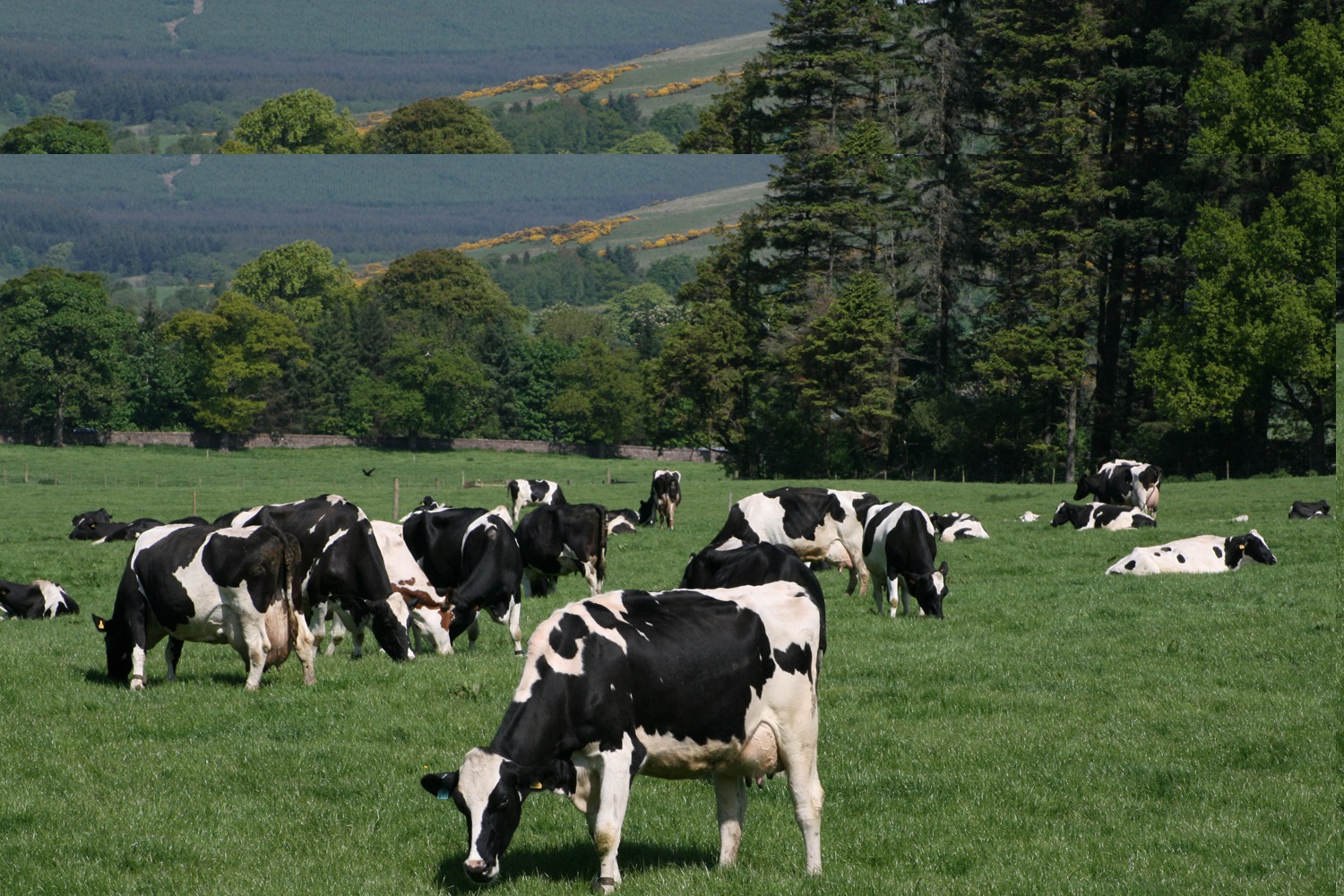
The bacteria most commonly responsible are Trueperella pyogenes and Streptococcus dysgalactiae.
Cases often occur in the same fields each year on affected farms, particularly in fields close to water sources or shaded by trees or bushes where flies thrive.
How To Spot Signs Of Mastitis
Early detection is important; the symptoms of summer mastitis include:
- Swollen teats, both in diameter and length before clinical signs are apparent
- A very painful, swollen and hard quarter with thick, clotted secretions
- High temperatures in severe cases
- Rapid weight loss
- Although less common, abortion may occur up to a fortnight after infection
- Animals may isolate themselves from the herd, showing signs of stiffness or reluctance to move
- Flies around the infected teat causing irritation and kicking
Management and Treatment
Affected animals should ideally be housed to prevent flies spreading infection to healthy animals. The infected quarter should be stripped out regularly during the first few days to relieve pressure and reduce the likelihood of abscesses bursting through the udder wall. If possible, infected material should be disposed of safely rather than left on the ground. Treatment typically involves penicillin-based antibiotics and anti-inflammatory medication to reduce pain and swelling.
Prevention Strategies
Several measures can help prevent mastitis from flies:
- Pour-on treatments typically applied down the cows back or insecticide ear tags
- Topping fields later in the grazing season to remove tall weeds and old seed heads that provide cover for flies
- External teat sealants that need to be reapplied regularly such as micropore tape or topical solutions
- Housing high risk animals, including those with warts, hyperkeratosis and teat damage
- Avoid locating middens or dung heaps near grazing areas
- Maintaining and draining high traffic areas
- Consult your vet regarding the use of intramammary antibiotics at drying off where summer mastitis is a recurring issue
If you require more information or support with Mastitis on your farm, the FAS advice line is free and available by both telephone and email. Also consider subscribing to the FAS Livestock Newsletter to be notified of any future resources.
Contributors:
Keira Sannachan, SAC Consulting
Cara Campbell, SAC Consulting
Lorna MacPherson





Sign up to the FAS newsletter
Receive updates on news, events and publications from Scotland’s Farm Advisory Service