
Automated Milking Systems
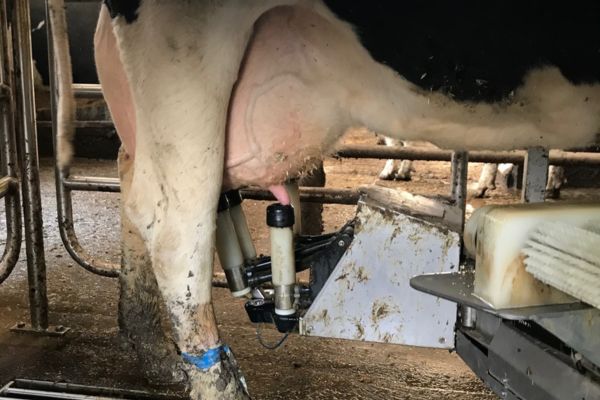
Labour shortages are leading to an increase in the number of producers turning to Automated Milking Systems (AMS) to reduce the long and often anti-social hours associated with milking twice or three times a day. FAS has delivered several meetings and webinars on AMS production throughout 2025 for existing producers and those thinking about converting. This note condenses the key points from those events to help you get the maximum benefit from an AMS system.
Increase in Yield
If your aim is simply to produce more milk from the same number of cows, then AMS may not be the solution. The table below shows the increase in yield which can be expected be achieved when moving from a traditional 14/10 hour milking interval.
| Milking Interval | Potential Yield Increase |
|---|---|
| AMS | + 7% |
| 12/12 hour split | + 9% |
| 3x per day (8hr splits) | + 15% |
The increased milk yield on AMS can either allow for increased milk sales or allow production levels to stay static with reduced numbers of cows, which would allow cubicle stocking rates to be reduced (10% understocking is recommended.) However, while the current milk market (Feb 2026) may not be encouraging milk production, the system you choose must be flexible enough to allow for expansion in the future as milk demand increases again or your farming strategy changes.
AMS Efficiency
Maximising AMS efficiency is crucial to ensuring optimum return on investment. Tom Greenham, Advance Milking highlighted the following KPI’s which you should be monitoring to ensure maximum box efficiency.
| Milk per Box per Day | >2000kg/day |
|---|---|
| Target milking time | >20 hours (84%) |
| Target wash time | <1.5 hours (6%) |
| Target idle time | <2.5 hours (10%) |
| Average yield | >36kg |
| Heifer Yield | 85% of cow average |
| Fresh Cow Visits | >3.5/day |
| Number of rejected milkings | <2% |
Milk Quality
Keeping Somatic Cell Count (SCC) and Bactoscan (TBC) levels within the ranges set out by your milk buyer are a key way to ensure you achieve maximum milk price. An AMS system presents some different challenges in managing these, but vet Tom Greenham, Advance Milking, highlighted the following key areas that each farm should focus on to ensure maximum milk quality bonuses are achieved.
Cow Cleanliness
All AMS systems, regardless of brand, have limitations in teat cleaning capabilities for the dirtiest cows. Adjusting settings to allow double brushing is not always enough to be effective on the dirtiest of teats. It has however been shown to have a positive impact on milk let-down speeds, which in turn reduces overall box time.
As there is no herdsperson to assess the level of cleanliness on every teat, cubicle cleanliness needs to be higher than those for conventional herds to ensure that AMS cleaning is adequate. Ensuring cows and their housing is kept as clean as possible is the best way to reduce the risk of dirt contamination at milking.
Robot scrapers and hoovers tend to provide the most effective way of keeping passages clean and should even be considered on slatted passages. Passage cleanliness will keep cows feet and legs clean and reduces the risk of dirt being transferred to the cubicle beds and udder.
Mastitis
Sensors within the AMS will alert when a case of mastitis is suspected in a quarter. Early detection and stringent control protocols are essential to prevent the spread of contagious mastitis such as Streptococcus uberis (Strep uberus) and Staphylococcus aureus (Staph aureus) through the herd.
In Strep uberus cases, the large volume of bacteria which are shed can result in high TBC results. Staph aureus is extremely difficult to control in AMS herds, monthly SCC monitoring and quarterly bulk milk sampling can be used to monitor infection levels and highlight if further action is required. Effective application of post milking teat dips and regular changing and cleaning of robot brushes will help to ensure that bacteria have a reduced chance of being passed from cow to cow and causing infection.
Milk Cooling
Compared with conventional parlour systems, milk quality can be compromised due to small volumes of milk being moved around the system. Some simple steps can help to improve milk cooling and reduce the risk of high TBC;
- A lower pipe diameter is better for moving milk to the tank
- Cooling milk at the box end can take a large amount of heat out of the milk before it reaches the tank
- Ensure milk is cooled to 4°C within 30 minutes of harvest
- Insulating pipes and covering outside pipework in reflective foil can help to reduce the effect of warm weather on milk temperature.
Milking Machine Cleaning
As the AMS equipment is always in use, it can be more difficult to track down areas of the system which aren’t being cleaned properly and are contributing to high TBC. Some common areas to consider are
- Milking machine and tank cleaning itself can be a source of high TBC. Milkstone build up can harbour bacteria, when chunks break off into the milk this can cause spikes in TBC
- Ensure chemicals are used at the recommended rates and label chemical drums with anticipated run out date to ensure there is always adequate supply
- Consider bulk milk tanks size. Larger tanks are harder to wash effectively
- Wash cycles should not be longer than around 45 minutes.
Lameness
Reduced ruminations, reduced feeding times and reduced visit rates caused by lameness will have a negative impact on not only cow health but also productivity. AMS herds should be aiming for a <2% lameness prevalence.
Vet Colin Mason, CM Vet Consultancy, highlighted the importance of early detection in the battle against herd lameness. Fortnightly mobility scoring to identify the mild cases (AHDB Lameness Score 1) coupled with a follow up trim will catch issues early and prevent them from developing into more advanced lameness (AHDB Scores 2 and 3.) Such regular mobility scoring can be time consuming, but the use of technology such as cameras and pedometers can assist in the early detection of these mild cases.
The approach to treatment will have a significant impact on cure rates as highlighted in the table below from a study at Nottingham University.
| % sound after 5 weeks (Score 0) | % Non-lame (Score 0-1) | |
|---|---|---|
| Trim only | 24% | 69% |
| Trim & block applied | 36% | 72% |
| Trim & NSAID* | 29% | 76% |
| Trim, block & NSAID | 56% | 85% |
(*NSAID – Non-steroidal anti-inflammatory drug)
Shed design and management can play an important role in lameness prevention. Colin would advocate stocking cubicle sheds at 5-10% below capacity to allow heifers and shy cows the opportunity to select a cubicle and using rubber matting on areas where cows have to make turns such as entering and existing the AMS box can reduce white line damage.
Some KPI’s to bear in mind which can indicate if shed and cubicle design are optimal are;
| >70% of cows lying in cubicles at any one time |
|---|
| 80% of cows ruminating while lying down |
| <5% rubbed hocks |
| 1 in 10 cubicle beds with dung at the back |
| Living space of 10m2 per cow (cubicles + passages + walk throughs) |
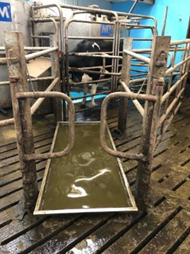
The footbath is normally sited at the exit to the AMS box. Ensure the following for maximum effectiveness;
- Bath should be around 4m long – each foot should enter the batch twice
- 1 litre footbath capacity per cow
- Liquid should be 12cm deep to cover the entire foot
- Footbathing should take place at least three times per week.
- Don’t forget about dry cows.
Nutrition
Rationing cows on an AMS system needs a different approach to conventional herds. Supplementation in the robot should be targeted at optimising milk yield, not visits, more milk will naturally lead to more visits. It must be balanced carefully with the partial mixed ration (PMR) presented at the feed barrier to maximise feed efficiency while maintaining rumen health.
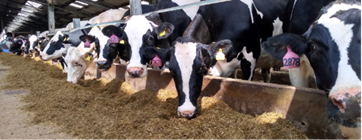
How much can she eat in a day?
| Average box time = 7 mins per cow | |
|---|---|
| A cow will eat 0.3 – 0.4kg/minute | |
| Max feed able to be consumed per visit | 2.1 - 2.8kg |
| 3 visits per day | 6.3 – 8.4kg |
| 5 visits per day | 10.5 - 14kg |
These high levels of concentrate feeding in high yielding, freshly calved cows who are making multiple viable visits to the robot have the potential to have a detrimental effect of rumen pH and increase risk of acidosis.
Nutritionist, Dr Lorna MacPherson highlighted some general considerations around feeding AMS cows;
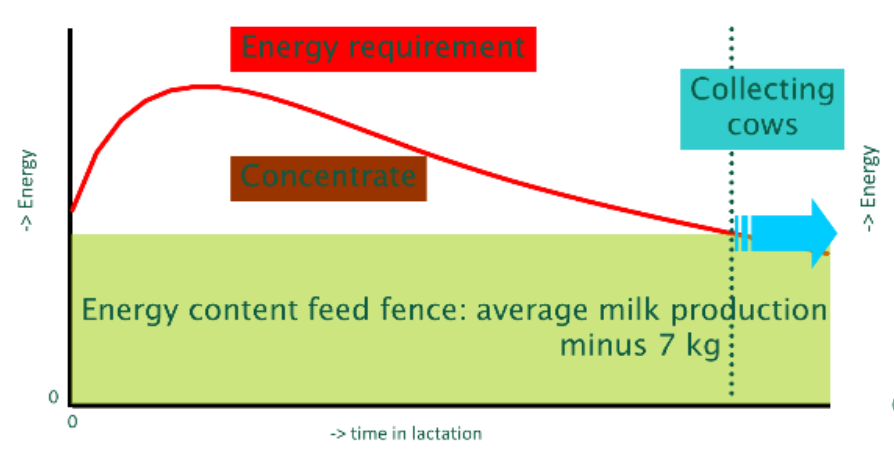
- PMR should be formulated to around 7 litres less than the herd average. The remainder will be supplemented in the robot which will encourage visits and help to keep the number of collect cows below 5%.
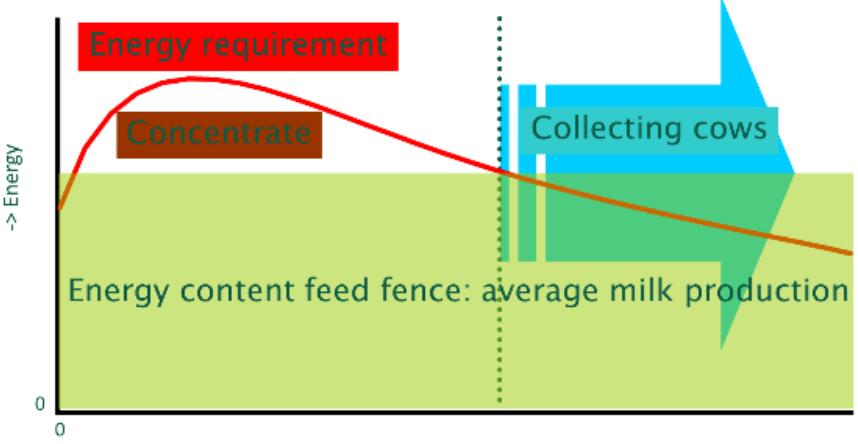
- When transitioning onto robots, you may have to start with a PMR at 10 litres below the herd average until the cows are established fully into the new system.
- Use a high energy cake in the robot. Aim for a ME of 10% higher than the overall ME in the PMR.
- Build up cake available in the robot over 14-21 days post calving then hold till 60 days in milk before moving to feed to yield.
- Regularly check feed curves to ensure feed rates are matching and sustaining peak milk yields. Increase feed rates by ~300g per day to peak yield and reduce by ~100g per day after peak yield has been reached.
- Reduce milk access and cake fed to 2kg 14 days before drying off.
- Monitor milking refusals in the robot. High levels can indicate that cows are not being fed enough energy in the PMR and are looking for more food. Low refusals could mean that cows are not stimulated to be milked and there is the potential for more visits.
- Feed refusals should be less than 5%. Over 95% of the ration should be eaten.
If you have questions, or would like to learn more, keep your eye out for future related events in your area. Also, consider signing up to the Milk Manager Newsletter (published every other month) for useful information about the dairy sector as a whole. If you have immediate questions, the FAS advice line is free and available by both email and phone.
Alison Clark, SAC Consulting



Sign up to the FAS newsletter
Receive updates on news, events and publications from Scotland’s Farm Advisory Service