
How to Minimise Heat Stress in the Dairy Herd
As the UK sees increasingly prolonged spells of warm weather, managing cattle during the summer months is becoming more challenging for producers. For dairy farmers, heat stress has been found to have a significant impact on both the financials of the business, and the lifetime productivity of their cows. Recent studies indicate that in-utero heat stress reduces growth rates and impairs mammary development during the post-weaning phase.
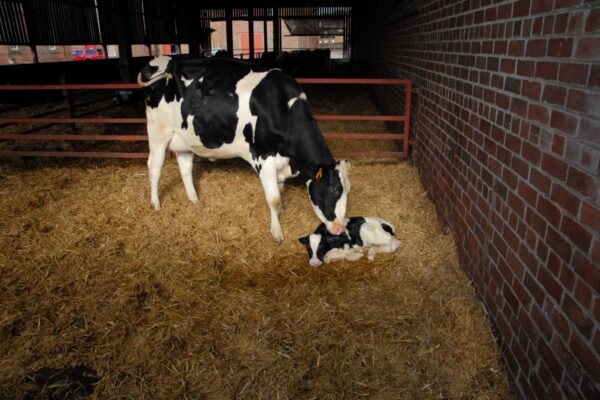
The financial impact of heat stress is significant, with estimated losses ranging from £40-85/cow in a typical UK year. These losses stem from reduced milk yields, poorer feed efficiencies, and declining fertility. Dry cows are often turned out to paddocks during the summer months with minimal shade. Research shows that heat stress during the dry period can reduce milk yield in the subsequent lactation by 5-7.5kg/cow. Additionally, calves may be born 2-8 days earlier, with lower birth weights.
With all this in mind, it would be beneficial to monitor cow performance in relation to calving month to identify any seasonal trends on farm. Installing a THI meter in the housing shed or yard will also allow you to keep track of environmental conditions.
When Does Heat Stress Occur?
Heat stress occurs when a critical combination of humidity and temperature is reached, commonly measured by the temperature humidity index (THI). Cows begin to experience heat stress at a THI of 68 or above. In the UK, summer humidity typically averages around 60%, meaning this threshold can be reached at temperatures of approximately 22°C. Data from Cargill indicates that heat stress conditions occurred on around 30% of days between May-September in 2023.
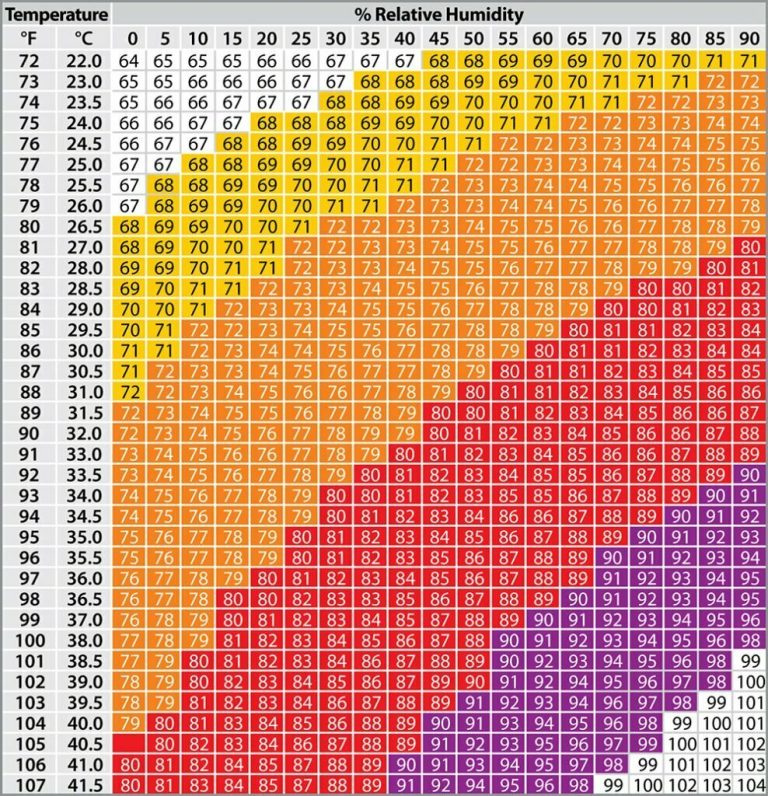
Temperature–Humidty Index (THI) Table
Source: Galebreaker
The Impact of Heat Stress on Dairy Progeny
Studies conducted in Florida and California examined the effects of birth season on mortality, longevity and culling patterns in dairy progeny. Production records from 18,000 Holstein cows and heifers were analysed, comparing animals born in the ‘hot’ season (June to September) with those born in the ‘cool’ season (December to March). Average THI values during the hot season were 77.0 in Florida and 73.5 in California, compared to 58.4 and 52.7 respectively, during the cool season.
The findings showed that calves born during the cool season had greater longevity with more cows reaching five or more lactations. In Florida, 14.5% of cows reached their fifth lactation, of which 72% were born in the cool season. A similar trend was observed in California, where 56% of fifth lactation cows were born in the cooler months. Milk production was also affected. First lactation heifers born to heat stressed dams produced, on average, 2.2kg/cow less milk compared to those whose dam did not experience heat stress. This production gap widened to 6.5kg/cow by the third lactation.
Furthermore, calves born during warmer months appear to be at a disadvantage from birth. More than 50% of mastitis, fertility, and lameness issues were observed in cows born during the summer. Comparative studies of summer and winter born heifers found that those exposed to in-utero heat stress were smaller, lighter, and exhibited reduced mammary gland development.
Reducing Heat Stress
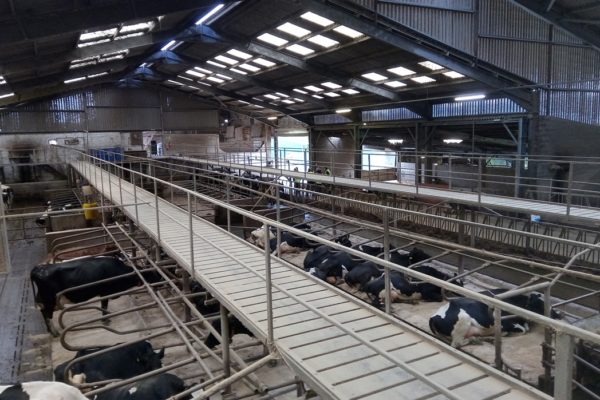
Taking preventative measures to keep cattle cool, especially dry cows, is essential. Straightforward measures such as good housing management, careful grazing plans, and ensuring cattle have constant access to fresh feed and clean water remain fundamental. Those farmers looking to take additional precautions should consider:
- Avoiding unnecessary handling, handle cattle quietly and calmly in the early morning if required
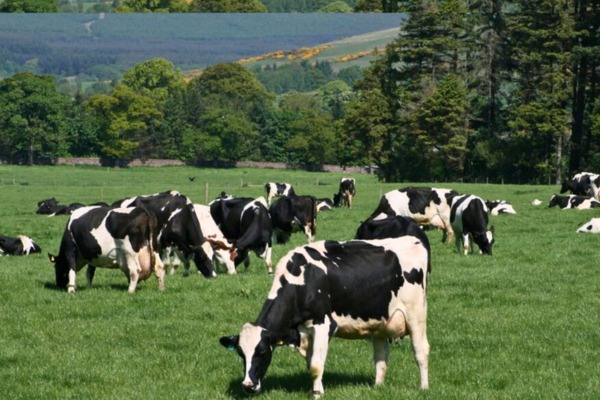
- Providing shade were possible, including trees and free access to the shed if they find that more comfortable
- Reducing time spent in densely packed holding areas
- Reducing walking distance to milking parlour
- Installing sprinkler system to wet their coats after milking
- Installing fans over beds to cool the air at cow level, encouraging lying time
- Feeding in the late afternoon to allow heat generated from rumination to be dissipated during the cooler evenings
- Paying attention to sick cows as they may benefit from oral fluids and electrolytes
Keira Sannachan, SAC Consulting


Sign up to the FAS newsletter
Receive updates on news, events and publications from Scotland’s Farm Advisory Service