
Managing and Preventing Udder Oedema
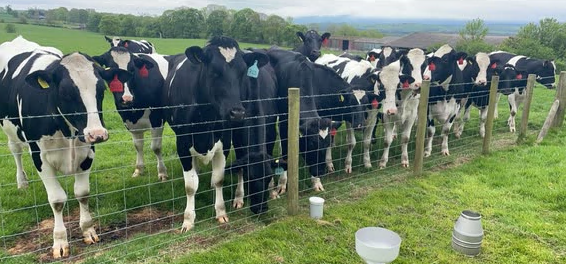
Successfully transitioning heifers into the milking herd is essential for achieving a strong performance in the first lactation, and there are several things to keep an eye out for when making the transition. Udder oedema is one of the most common. This article will talk you through what you need to know about the condition itself, as well as effective methods for reducing it, and recommended practice for managing it if it does take place.
Udder Oedema – Key Facts
- Udder oedema occurs when fluid builds up in the udder tissue, causing discomfort, swelling and tightness.
- First-calf heifers tend to be more at risk of udder oedema than older cows as their circulatory and mammary systems are still developing.
- In a mild case, the udder appears swollen for a few days around calving.
- In more severe cases, swelling can make milking preparation more difficult, particularly cluster attachment and handling.
- Severe oedema may also indirectly increase mastitis risk, as teat hygiene and handling can be more challenging.
- Maiden heifers with oedema tend to have lower milk yields, although the degree of production loss varies with severity.
When Does It Occur?
The condition develops in the final days before calving. Blood flow to the udder rapidly increases in preparation for colostrum and milk production. At the same time, pressure from the growing calf can restrict blood and lymphatic drainage from the udder.
This imbalance leads to fluid accumulation in the udder and surrounding tissues. In some cases, swelling may extend into the lower abdomen.
What Can Influence Oedema?
There are several factors which can increase the risk of oedema, such as:
- Genetics
- Nutrition
- Age at first calving (particularly those calving at an older age)
- Exercise levels
- Gestation length
Nutrition Is Vital To Prevention
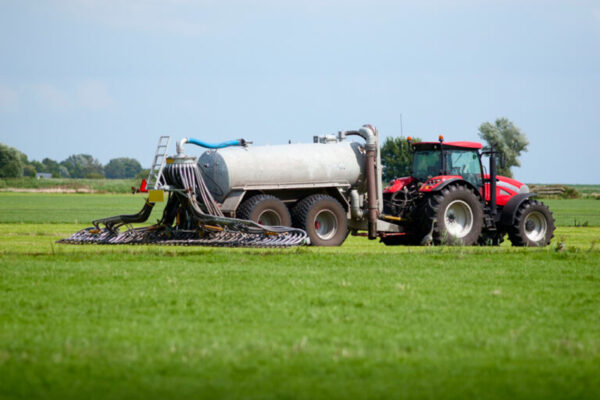
Nutrition plays a major role in the severity of udder oedema and is one of the most important areas for prevention. High potassium in the close-up dry cow diet is a well-recognised risk factor. Grass silage, especially from slurry treated fields can often contain elevated potassium levels. Current recommendations are to keep potassium levels in close up diets below 1.5-2.0% of DM where achievable. Excess sodium (salt) can also contribute to fluid retention, so over-supplementation should be avoided.
Transition cow nutrition is increasingly focusing on managing DCAD (Dietary Cation-Anion Difference). This lowers sodium and potassium in the diet whilst increasing chloride and sulphur to induce a mild metabolic acidosis. This supports calcium mobilisation at calving and may reduce the severity of oedema and other transition disorders such as milk fever.
Avoid Over Conditioned Heifers
Over conditioned heifers are more prone to transition issues, heifers should ideally have a body condition score of 2.5-3.0 at calving and should weigh 85% of their mature cow weight. Controlled energy dry cow diets can help manage body condition before calving.
If feeding a two-stage dry cow ration, aim for an energy density of around 9MJ/kg DM during the early dry period. During the last three weeks before calving, energy intake can be increased by introducing some milking cow concentrates, with an overall target intake of 120MJ/day. If a single ration is fed throughout the dry period, a target intake of around 110MJ/day is appropriate.
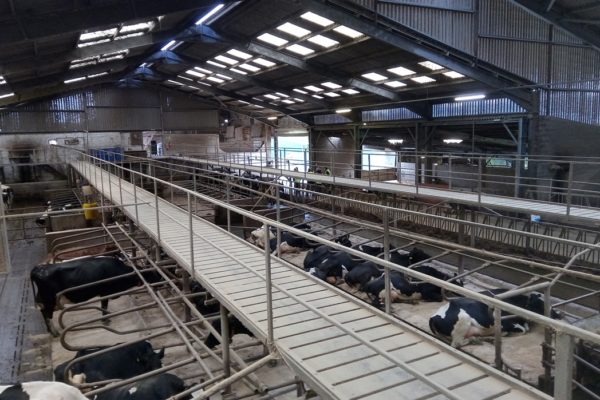
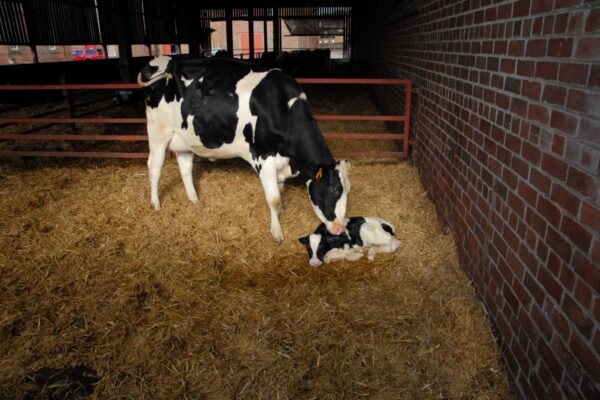
Exercise also plays an important role. Animals housed continuously with restricted movement tend to show signs of more severe swelling. Heifers and cows can be housed on cubicles in the early dry period before moving to straw bedded courts closer to calving. Cubicles should be slightly wider than those for the milking herd and have comfortable and adequate bedding.
For a 700kg dry cow, cubicles should be at least 127cm wide and 180cm long. Dry Jersey cows require a minimum cubicle width of 114cm. Recommended lying space for dry cows is approximately 1.25m2 per 1000litres of milk produced, so a 10,000 litre cow will require 12.5m2 of lying space.
Managing Udder Oedema
Most cases resolve naturally after calving. However, good management can reduce discomfort and minimise production losses.
Prevention and management:
- Avoid high potassium silage in close up diets where possible
- Prevent over conditioning
- Encourage exercise
- Balance mineral content of the ration
- Avoid excess salt supplementation
- Ensure good comfort and lying space
After calving if swelling is present:
- Increase milking frequency in affected animals
- Udder massage
- Veterinary intervention may be required for anti-inflammatory drugs
Kiera Sannachan, Keira.sannachan@sac.co.uk


Sign up to the FAS newsletter
Receive updates on news, events and publications from Scotland’s Farm Advisory Service