
Post-calving: Are we getting it right?
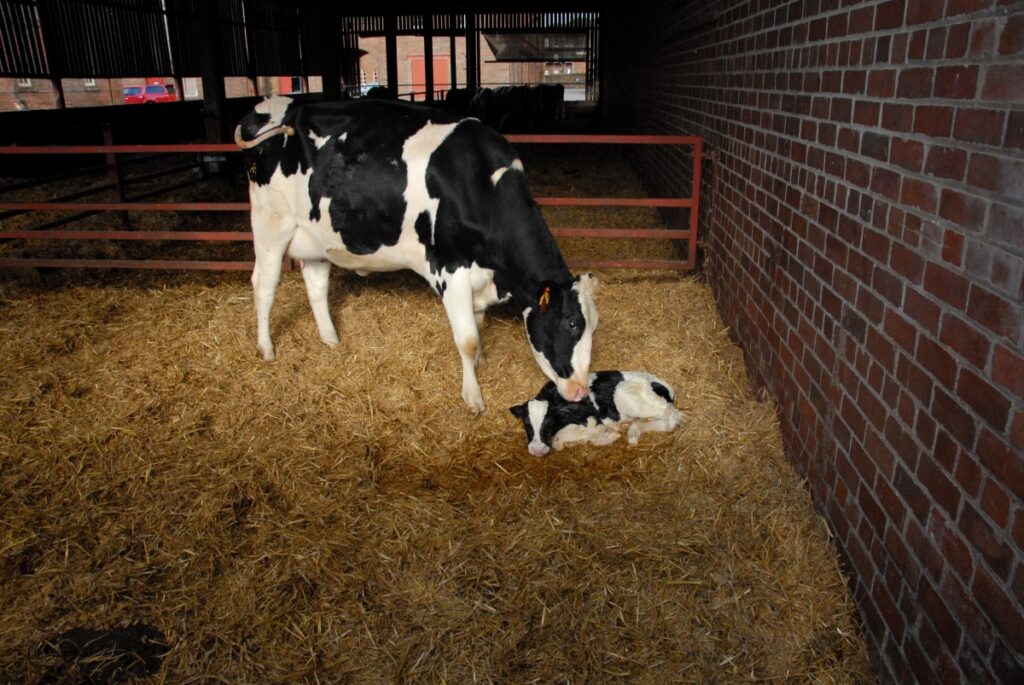
Calving is a major event for a cow, ensuring the post-calving period is correctly managed provides the cow with the best opportunity to recover and have good future health. Cows in later lactations and those yielding over 30 litres are at a higher risk of experiencing post-calving problems, including displaced abomasum, milk fever, ketosis and retained placenta. These conditions can cost farms more than £200 per cow, through treatment costs and loss of production. However, impacts extend beyond financial loss, as post-calving health issues can also negatively affect fertility and overall herd performance.
Calving presents several challenges for the cow, including hormonal, environmental and dietary changes. In the hours leading up to calving, cow’s will naturally reduce their dry matter and water intake. During calving, a cow can lose between 50 - 60 litres of fluid in the form of blood and uterine fluids including electrolytes, therefore it is important that these fluids are replenished quickly post-calving. A cow will naturally begin drinking water shortly after calving to replenish lost fluids, however water alone will not replace the electrolytes that have been lost. Providing cows with a rehydration drink post-calving which contains glucose, electrolytes and calcium, encourages the cow to start drinking and help with a rapid recovery. Rehydration post calving can also reduce risk of displaced abomasum’s, which occur due to the large space left once the calf has been born.
The demand for nutrients post-calving is almost double the requirements of a dry cow, therefore it’s important that nutrition provided will meet her requirements and aid recovery. At the onset of lactation, most cows will enter a negative energy balance due to her energy intake from the diet being less than the energy required for maintenance, milk production and activity. Energy demands increase significantly whilst the cow’s dry matter intakes are at their lowest levels of the whole production cycle. Cow’s that enter a negative energy balance and remain there, are at a higher risk of losing body condition whilst increasing their milk yields to hit their peak. A target to keep body condition score loss to less than 0.5 unit in the first 10 – 12 weeks post-calving is recommend. Therefore, it is key for a cow to increase dry matter intakes post-calving to match their energy requirements. Freshly calved cows should move onto a milking ration as quickly as possible post-calving to encourage increased dry matter intakes. The ration should be balanced to meet the cow’s nutritional requirements, and it should include high quality forages alongside digestible grains providing the cow with carbohydrates and proteins which promoting good rumen health and therefore, milk production.
Post-calving checks are important to ensure the cow has recovered and that she is healthy, allowing them to resume normal oestrus cycles. These checks will reduce the risk of endometritis which can prolong the start of cycling in the cow. Checks by the vet should occur approximately 2 – 4 weeks post-calving, on farm it may not be practical to check every cow. Therefore, the high-risk cows should be selected for checks, these cows are the ones which have had a difficult calving, twins, stillborn or retained foetal membranes.
Getting the initial period post-calving right is critical for the cow’s milk production in that lactation, her future health and getting back in calf after her voluntary waiting period. Taking time to assess your current post-calving procedures is a good opportunity to determine whether there are areas for improvement.
Cara Campbell, SAC Consulting


Sign up to the FAS newsletter
Receive updates on news, events and publications from Scotland’s Farm Advisory Service