
Home Wintering Cattle vs Wintering Away
Each year livestock keepers face an important management decision: is it more cost effective to winter cattle at home or send them away? While the wintering away charge provides an obvious figure to compare, the true cost of wintering cattle at home can be less straightforward.
The best option will depend on the individual business, including available housing, suitable land for outwintering, forage supplies, labour availability, machinery costs, manure storage capacity and the cost of wintering cattle elsewhere.
At first glance, the decision may appear straightforward. Home wintering avoids paying a wintering charge, while sending cattle away can reduce pressure on housing, labour and forage resources. However, the true cost of each system is often less obvious. The QMS SAC Profitable Cow Calculator can be used to help calculate and compare these costs, taking account of factors such as cow size, feed requirements and the wintering system used. This provides a useful way of comparing different wintering options on a like-for-like basis and demonstrates how changes in cow size and system can affect the overall cost of wintering cattle.
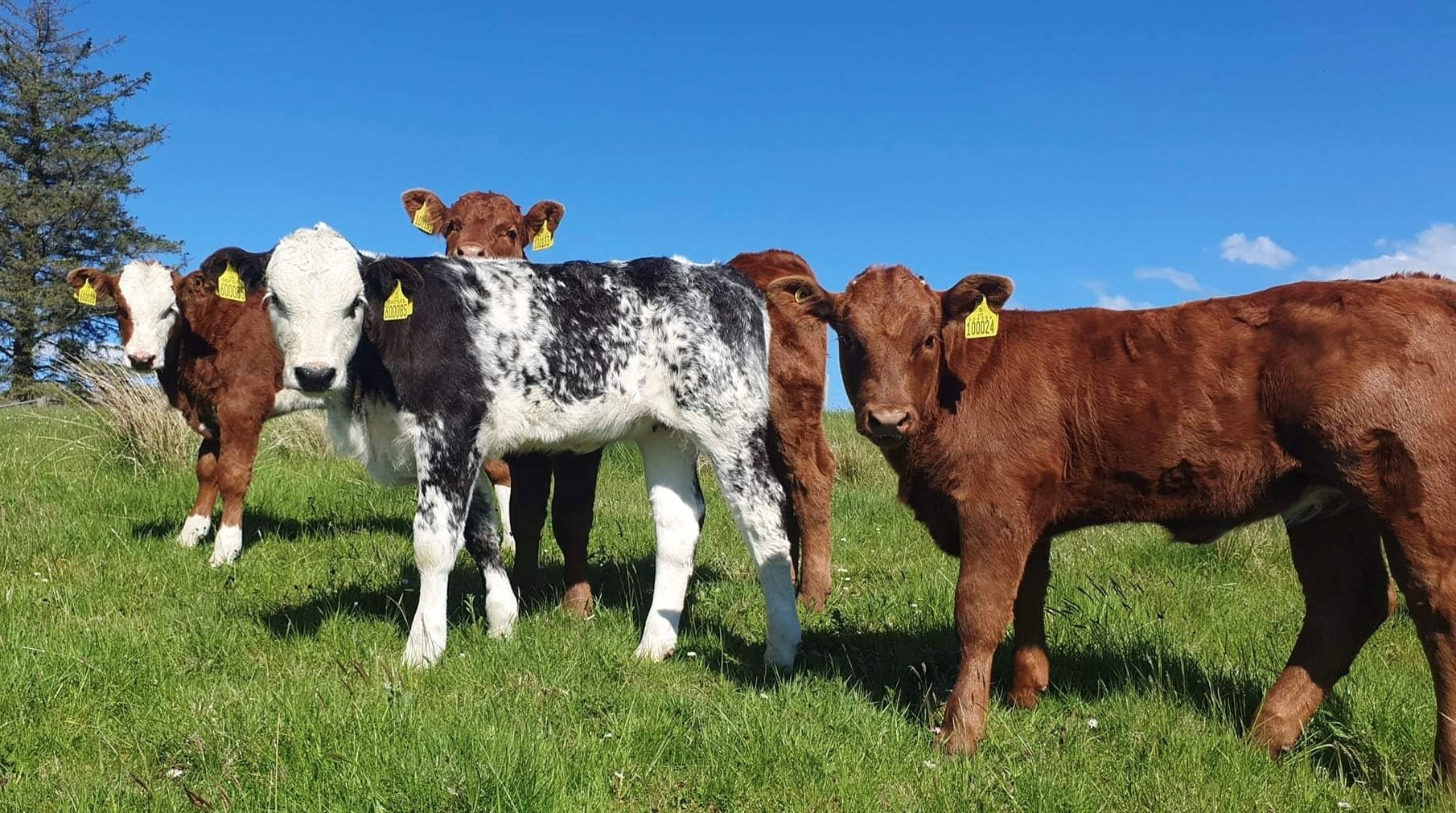
Home wintering
Keeping cattle at home involves more than simply calculating feed costs. For housed cattle, costs such as bedding, electricity, machinery, manure handling and labour should all be considered. For outwintered cattle, suitable fields, feeding areas and the potential impact of poaching also need to be considered.
Home wintering does offer several advantages. Producers retain full control over their cattle and can make use of the manure and nutrients produced on the farm. Regular observation of stock also allows body condition, feed performance and animal health to be monitored closely throughout the winter period.
Wintering away
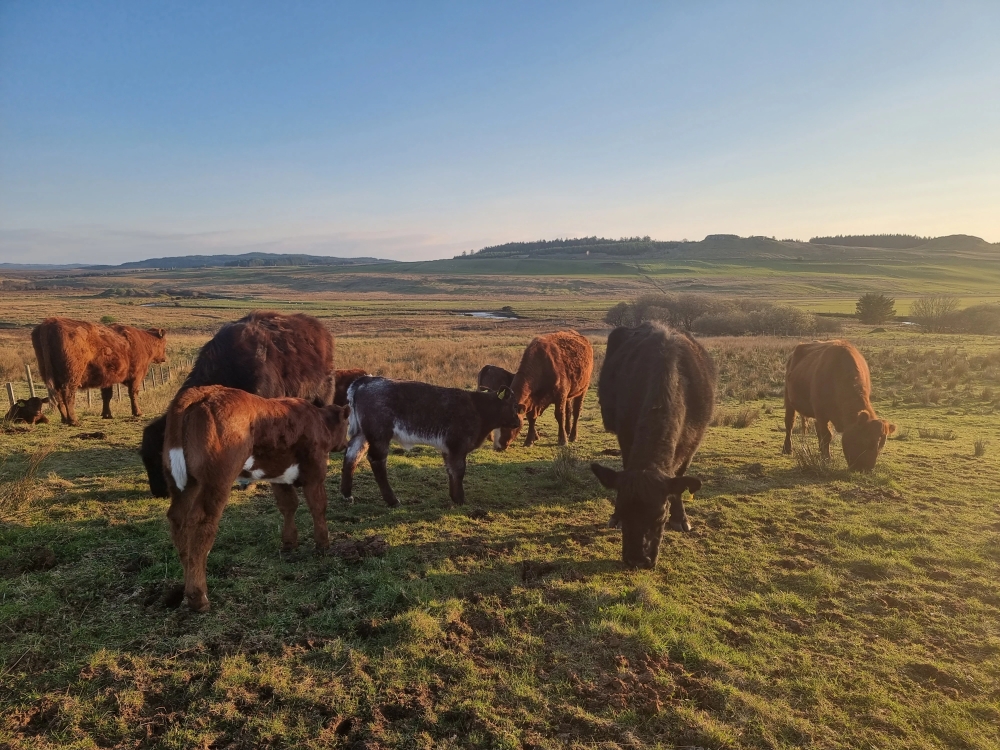
Sending cattle away for wintering can reduce pressure on housing, forage supplies and labour during the winter months. It may also help minimise field damage and poaching, while freeing up buildings for other uses.
Current estimates suggest that a wintering away charge can cost in the region of £28-32 per head per week. It is important to compare this figure against the true cost of wintering cattle at home.
However, the wintering charge is only part of the calculation. Transport costs, animal health requirements and the loss of valuable manure nutrients that would otherwise be returned to home fields should also be considered when assessing the overall cost.
While wintering away may appear expensive when compared against feed costs alone, it may reduce machinery use, labour requirements, bedding costs and pressure on forage stocks. These savings should be considered alongside the weekly wintering charge when comparing systems.
Comparing the cost of wintering different sized cows
The Monitor Farm Scotland and SAC Profitable Cow Calculator was used to compare the cost of wintering both a 600kg and 700kg spring calving suckler cow. The examples are based on 120 days from 1st November to 28th February and assume average quality grass silage together with 2kg/head/day of suckler rolls fed to prepare the cow for calving, regain body condition and support subsequent fertility and bulling performance.

Assumptions used:
- Winter period: 120 days from 1 November to 28 February.
- Dry spring-calving suckler cows.
- Average grass silage 30% DM.
- Silage value £40/t.
- Beef nuts/suckler rolls £440/t.
- Indoor system includes bedding costs at straw bale £32/t.
- Herd size of 10 cows.
- Costs are indicative and will vary between businesses.
To demonstrate how costs can vary, the example below compares the estimated wintering costs of both a 600kg and a 700kg spring calving suckler cow over a 120 day winter period.
Example winter rations
| Feed for 600kg Cow | Fresh Weight (kg/day) | Dry Matter (kg/day) |
|---|---|---|
| Grass silage | 28 | 8.4 |
| Suckler rolls | 2 | 1.4 |
| Total | 30 | 9.8 |
| Feed for 700kg Cow | Fresh Weight (kg/day) | Dry Matter (kg/day) |
|---|---|---|
| Grass silage | 31 | 9.3 |
| Suckler rolls | 2 | 1.4 |
| Total | 33 | 10.7 |
The larger cow requires a greater daily dry matter intake and therefore incurs higher feed costs.
| At Home Wintering Feed/Bedding Cost per Cow | |||
|---|---|---|---|
| 120 days | |||
| Cow Weight | System | Daily cost | Total Cost 120 days |
| £/head/day | £/Cow | ||
| 600kg | Outdoor wintering | £1.84 | £220.41 |
| 600kg | Indoor Wintering | £1.86 | £223.53 |
| 700kg | Outdoor wintering | £2.08 | £249.64 |
| 700kg | Indoor wintering | £2.11 | £252.76 |
| Herd Cost Comparison (10 Cows) | ||
|---|---|---|
| Cow Weight | System | Costs 120 days £/herd |
| 600kg | Outdoor wintering | £2,204.08 |
| 600kg | Indoor Wintering | £2,235.28 |
| 700kg | Outdoor wintering | £2,496.45 |
| 700kg | Indoor wintering | £2527.65 |
Comparison with wintering away
Assuming a wintering charge of £28 to £32 per head per week, the equivalent cost over a 120 day (approximately 17-week) winter period would be:
| Wintering Away Charge | Cost per Cow |
|---|---|
| 120 Days | |
| £28/head/week | £476 |
| £30/head/week | £510 |
| £32/head/week | £544 |
| Wintering Away Charge | Cost per Cow |
|---|---|
| Based on herd of 10 cows | 120 Days |
| £28/head/week | £4,760 |
| £30/head/week | £5,100 |
| £32/head/week | £5,440 |
Wintering away costs can vary considerably between businesses depending on the level of service provided and whether feed, bedding and stock management are included. The figures shown exclude transport costs and do not account for the value of manure nutrients retained when cattle are wintered at home.
| Summary Comparison Total Feed/Bedding Costs 120days/cow | ||
|---|---|---|
| System | 600kg Cow | 700kg Cow |
| Outdoor wintering at home | £220.41 | £223.53 |
| Indoor Wintering at home | £227.97 | £252.76 |
| Wintering away (£30/head/week) | £510 | £510 |
Key messages
This example highlights how cow size can have a significant effect on winter feed costs. In this example, increasing cow weight from 600kg to 700kg increased the calculated winter feed and bedding cost by around £29 per cow or almost £300 across a 10-cow herd.
It also demonstrates the importance of calculating the full cost of wintering cattle. While feed and bedding costs provide a useful baseline, businesses should also account for labour, machinery, fuel, housing, manure/slurry handling and veterinary costs when assessing whether wintering at home or wintering away represents the best value option for their business.
What option works best?
What option works best?
Wintering Cattle is not simply a question of where the animals spend the winter, it is a decision that can affect the whole livestock business.
For some business, keeping cattle at home may make the best use of existing buildings, home grown forage and available labour. For others, wintering away could free up buildings, reduce winter workload, allow fields time to rest before spring/summer grazing/cutting. Building and maintaining a good working relationship with a trusted winterer can also be an important consideration, providing confidence that cattle are well managed while away from the farm.
The key is to calculate the true cost of options available to you and consider how each fit into your business. The cheapest option on paper is not necessarily the most profitable option overall.
Every cattle business is different. Businesses with adequate housing, home-grown forage and available labour may find wintering at home remains the most cost-effective option. For businesses with housing constraints or limited forage supplies, wintering away may provide greater flexibility despite the higher direct cost.
Sammy-Jo McArthur, SAC Consulting
Images by Sammy-Jo McArthur
Related resources



Sign up to the FAS newsletter
Receive updates on news, events and publications from Scotland’s Farm Advisory Service