
Managing Heat Stress in Beef Cattle
Hot weather can have a significant impact on cattle health, welfare and performance.
Heat stress occurs when a critical combination of humidity and temperature is reached, commonly measured by the temperature humidity index (THI). Cows begin to experience heat stress at a THI of 68 or above. In the UK, summer humidity typically averages around 60%, meaning this threshold can be reached at temperatures of approximately 22°C. .
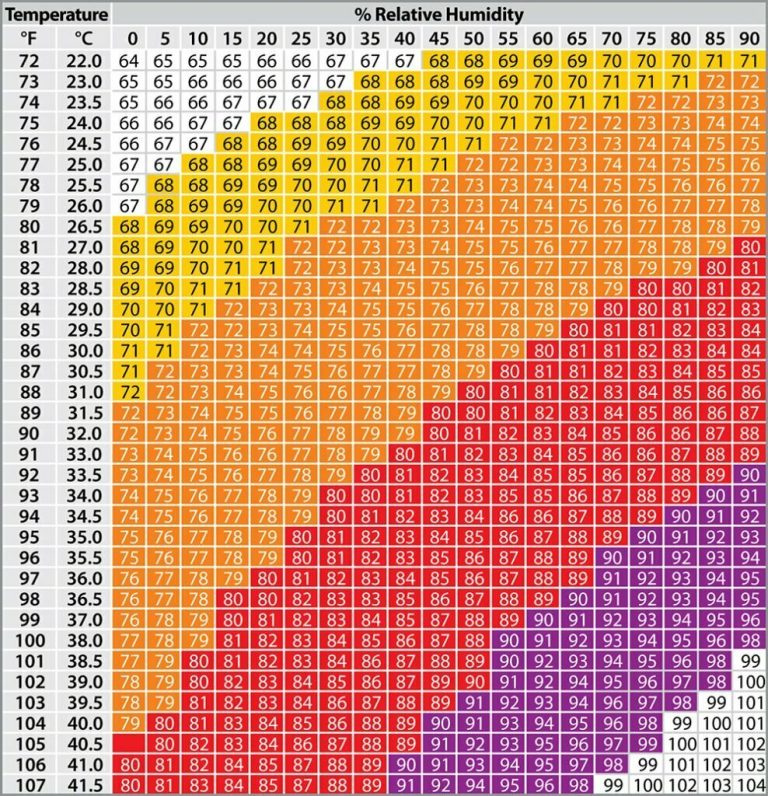
Source: Galebreaker
Even moderate heat stress can reduce productivity by affecting:
- Feed intake, daily liveweight gain and growth rates.
- Ovulation and conception rates and bull fertility.
- Milk production.
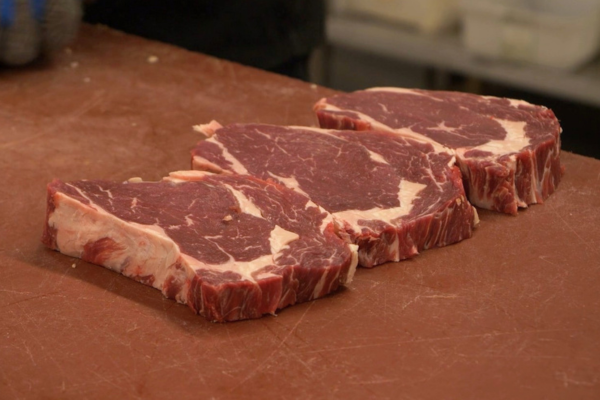
- Overall meat quality.
Work done at SRUC* concluded that extreme weather has a negative impact on cattle carcass and growth traits, and found one additional heatwave day per 100 days increases age at slaughter by about 3 days.
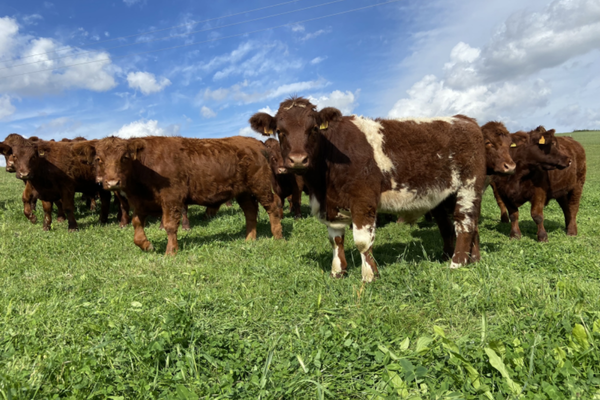
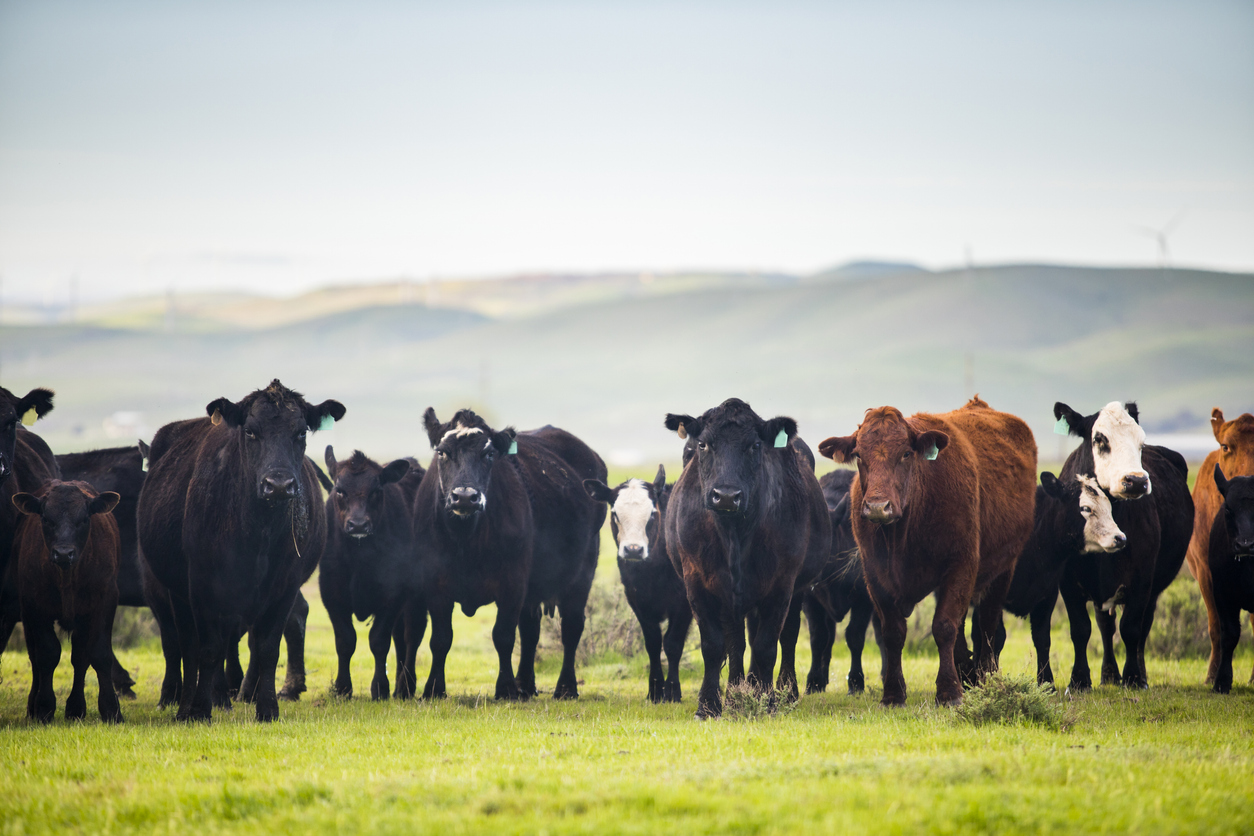
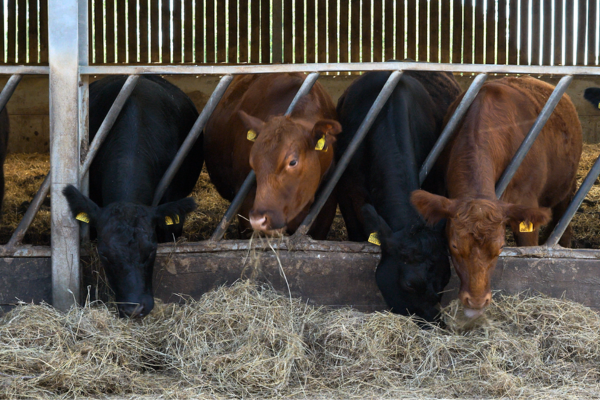
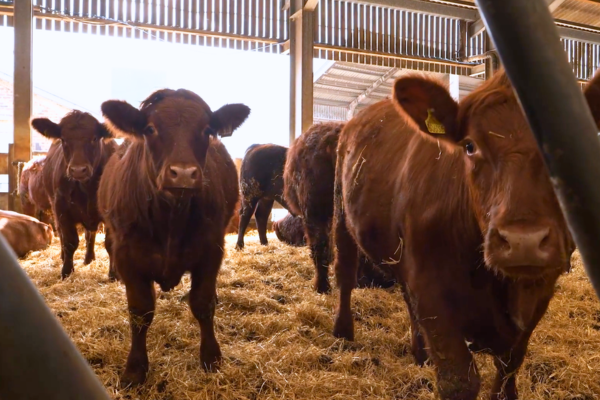
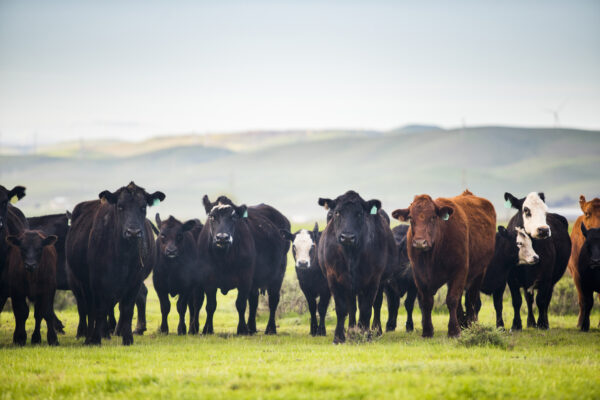
While all cattle can suffer from heat stress, some are more vulnerable than others. These include heavy finishing cattle, very young calves and older animals, sick or recovering animals, dark-coated cattle (which absorb more heat than lighter-coloured animals), and nervous or excitable cattle (which tend to cope less well with heat than calm animals).
Signs of Heat Stress
- Standing for long periods and refusing to lie down.
- Gathering around water troughs or shaded, breezy areas.
- Splashing water over themselves by dipping their heads into troughs.
- Drinking more water than usual.
- Rapid breathing or panting.
- Deep flank movements while breathing.
- Rectal temperatures above 39°C.
In more severe cases, animals may show open-mouth breathing, head and neck extended, tongue protruding, excessive drooling, front legs spread apart to increase lung capacity. Without prompt action, cattle can collapse and die.
Keeping Cattle Cool
Water
Water is the most important tool for preventing heat stress.
Cattle can drink up to 15 litres of water per day for every 100 kg of liveweight, and requirements can increase by at least 10-20% during hot weather, even more. Check that the water flow rates can keep up with demand. One simple way to measure flow rates is to fill a bucket with water. Then remove a known amount e.g. 1 litre, and measure the amount of time your water supply takes to refill again. Allow approximately 7 litres (1.5 gallons) of trough capacity per livestock unit. Larger troughs provide more drinking space and can compensate a bit for poor flow rate at peak drinking time.
Ensure troughs are clean and easy to access, and ideally located in shaded areas to keep the water cool.
If a heatwave is forecast, consider installing additional water troughs so cattle have time to become familiar with them.
Shade
Shade is important to reduce heat load and improves animal comfort but can be problematic in rotational grazing systems. Consider grazing naturally shaded paddocks during the hottest part of the day. Consider using portable shade structures in rotational grazing systems.
If planting trees, it would be worth choosing trees that have a broad canopy, and positioning these strategically to provide shade in the future.
Minimise handling
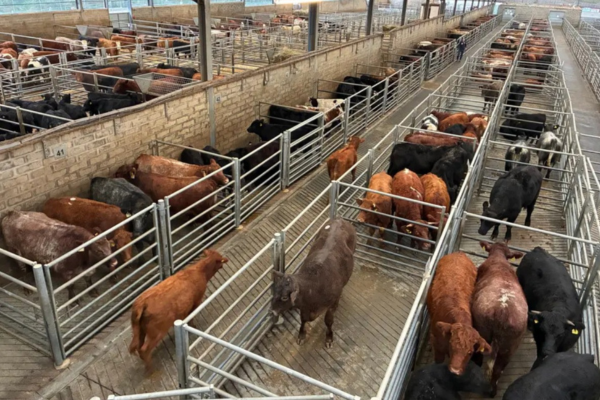
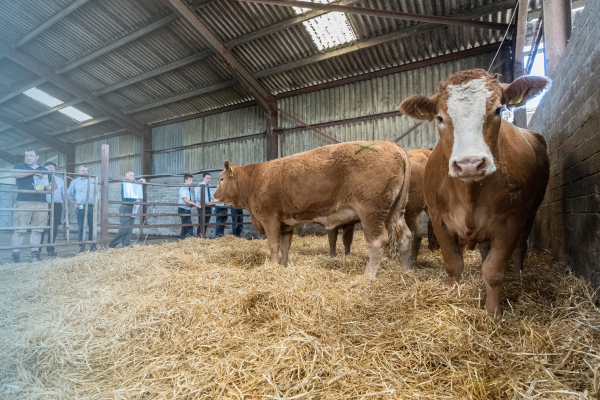
Handling increases body temperature and stress. During hot weather, handle cattle quietly and calmly. It would be best to do any necessary handling early in the morning and avoid the hottest part of the day. Avoid evening handling, as cattle need time to recover from daytime heat.
Adjust feeding times
Offering feed in the late afternoon means the heat generated during rumen fermentation, typically peaking four to six hours after feeding occurs during the cooler evening and overnight period.
Beware of acidosis
Be aware that as grass growth slows, some youngstock will quickly take to creep feeders so this should be introduced slowly to avoid acidosis.
Alwyn Jones, SRUC Veterinary Services
References
Bunning, H., & Wall, E. (2022). The effects of weather on beef carcass and growth traits. animal, 16(11), 100657.




Sign up to the FAS newsletter
Receive updates on news, events and publications from Scotland’s Farm Advisory Service