
Climate Change and the Escalating Risk of Barley Yellow Dwarf Virus (BYDV) in Scottish Barley Systems
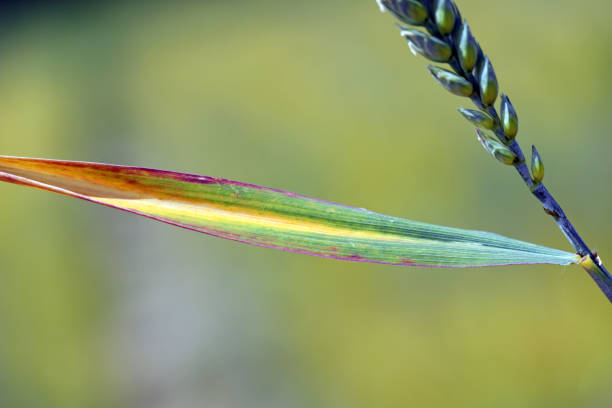
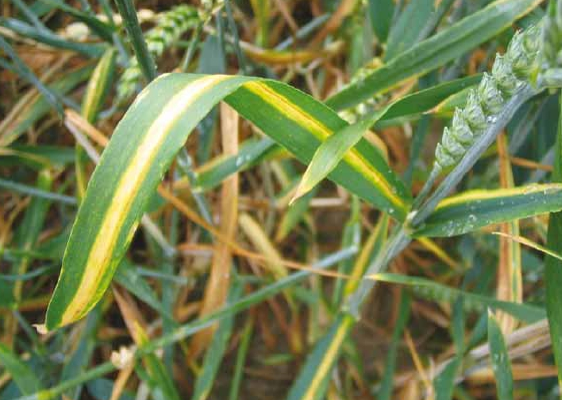
Barley yellow dwarf virus (BYDV) should now be increasingly recognised as a climate-sensitive threat to cereal production in Scotland. Transmitted primarily by aphid species such as the bird cherry–oat aphid and the grain aphid, the virus infects a wide range of cereals and grasses. In barley, early infection can be particularly damaging with symptoms which include leaf yellowing and stunted growth, resulting in major yield penalties in severe cases (Figure 1). Scottish advisory data indicate that losses may reach 1–2.5 t/ha in winter cereals and can climb to extreme levels, up to 90%, in spring barley if infection occurs at very early growth stages.
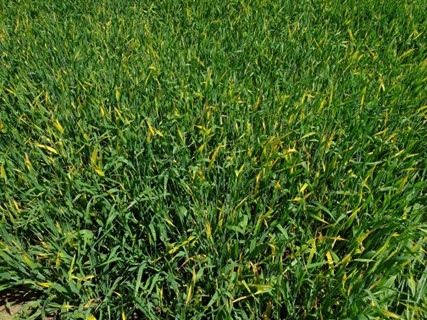
Figure 1. BYDV symptoms in barley. Leaf yellowing or reddening, stunted growth and reduced tillering, often appearing in patches and most severe following early infection. Image courtesy of Professor Neil Havis, SRUC.
More frequent outbreaks
Although BYDV has often been regarded as a more sporadic problem in Scotland than in southern UK regions, its incidence is highly variable and increasingly influenced by seasonal conditions. In high-risk years, BYDV can affect around 1 in 3 Scottish barley crops. Monitoring work in Scottish winter barley has shown large year-to-year and field-to-field variation, with infection levels closely tied to aphid pressure and the presence of “green bridges” such as volunteer cereals and grass leys. In many seasons, damaging infection remains concentrated in higher-risk situations, but recent field observations suggest a broader shift: outbreaks are being reported more widely across regions, particularly where aphid flights coincide with vulnerable crop stages. This pattern indicates that BYDV incidence in Scotland is moving from a largely localised risk toward a more frequent and geographically widespread challenge in favourable years.
Climate links
The underlying concern is closely tied to climate trends (Van den Eynde et al., 2020). Warmer temperatures and milder winters create favourable conditions for aphid populations to survive, reproduce and migrate over extended periods. These shifts enable earlier seasonal flights and prolong the window during which BYDV can be transmitted. Evidence from Scottish climate risk assessments suggests that such conditions are already influencing pest dynamics, with fewer overwintering aphids being killed off and more frequent early-season infestations. As a result, barley crops are increasingly exposed to unpredictable and potentially high infection pressure, particularly during mild autumns and springs (Figure 2).
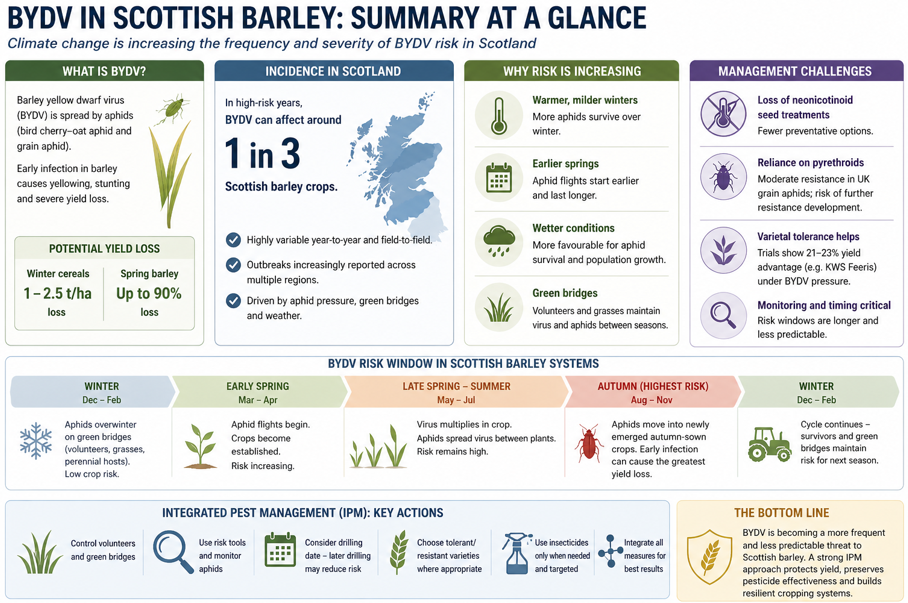
Figure 2. Summary of BYDV risk dynamics in Scottish barley under changing climate conditions. This infographic shows the key drivers of BYDV risk, linking aphid population dynamics, seasonal timing and crop vulnerability.
Recent observations from the field support this trajectory. Reports from SRUC in mid-2025 highlighted widespread BYDV presence across spring barley crops, driven by elevated aphid numbers and favourable weather that allowed easy colonisation. Guidance from the Scottish Farm Advisory Service continues to stress the importance of managing “green bridges” - volunteer cereals and grasses that harbour both aphids and the virus - since these act as reservoirs for infection that can rapidly spread into newly established crops. Together, these findings point to a widening and less predictable risk window for BYDV in Scottish farming systems.
Control measures
At the same time, management strategies are becoming more constrained. The withdrawal of neonicotinoid seed treatments has significantly reduced preventative control options, increasing reliance on in-season monitoring, adjusted sowing dates and foliar insecticides. Current recommendations often depend on pyrethroid sprays for aphid control, however, this approach is under threat due to emerging resistance in aphid populations. UK grain aphids already exhibit moderate resistance levels, raising concerns that continued reliance on this chemistry could erode its effectiveness further.
Genetic resistance offers some mitigation but is not a standalone solution. Certain winter barley varieties now carry BYDV tolerance or resistance traits, and trials have demonstrated yield benefits of around 21–23% under virus pressure. Nevertheless, varietal resistance reduces but does not eliminate infection risk, and its effectiveness can vary depending on environmental conditions and virus strain.
BYDV is a longer term concern
The broader implication is clear: BYDV must now be viewed through the lens of resilience and long-term system management. Climate change is amplifying both the frequency and unpredictability of infection, with consequences for yield stability, pesticide stewardship and agronomic decision-making. Addressing this challenge will require a strengthened and modern IPM approach which is proposed in the next section.
If you’re concerned about BYVD and want to begin planning for control, this article on the key elements of the future IPM programme will be of interest to you. If you have any further questions, you can contact the FAS Advice Line for free by either email or telephone.
Maciej Kaczmarek, SRUC
References
Van den Eynde R, Van Leeuwen T, Haesaert G. (2020) Identifying drivers of spatio-temporal dynamics in barley yellow dwarf virus epidemiology as a critical factor in disease control. Pest Manag Sci. 2020 Aug;76(8):2548-2556. doi: 10.1002/ps.5851.



Sign up to the FAS newsletter
Receive updates on news, events and publications from Scotland’s Farm Advisory Service