
Climate Change
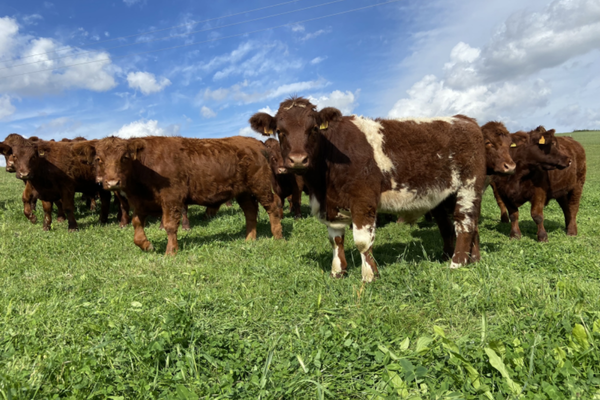
Managing Heat Stress in Beef Cattle
Hot weather can have a significant impact on cattle health, welfare and performance. Heat stress occurs when a critical combination of humidity and temperature is reached, commonly measured by the temperature humidity index (THI). Cows begin to experience heat stress at a THI of 68 or above. In the UK, summer humidity typically averages around…
Summer Drought and Heat Stress
Summer 2026 has once again highlighted the challenges of drought and heat stress for Scotland’s farmers and crofters. Prolonged dry periods can reduce grass growth, impact crop yields, limit water availability and place additional pressure on livestock, affecting both productivity and business resilience. Planning ahead can help reduce the impact of extreme weather. Measures such…
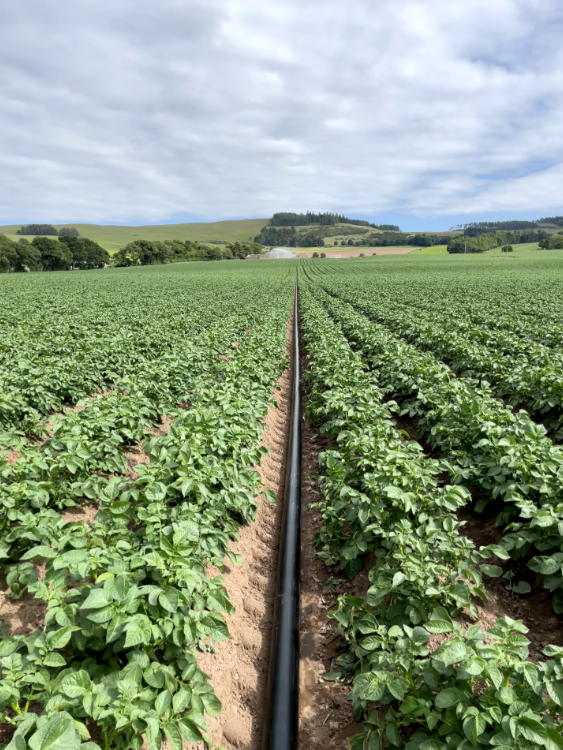
Ensuring A Resilient Water Supply For Your Farm
With Scotland traditionally being thought of as a ‘wet’ country, we often take water for granted. However, as our climate is changing, water is no longer a ‘free’ and plentiful resource, and many farmers should now be approaching water use with the same strategic importance as fuel, feed and fertiliser. The Climatic Predictions Hottest, wettest, driest… we are already seeing historical…
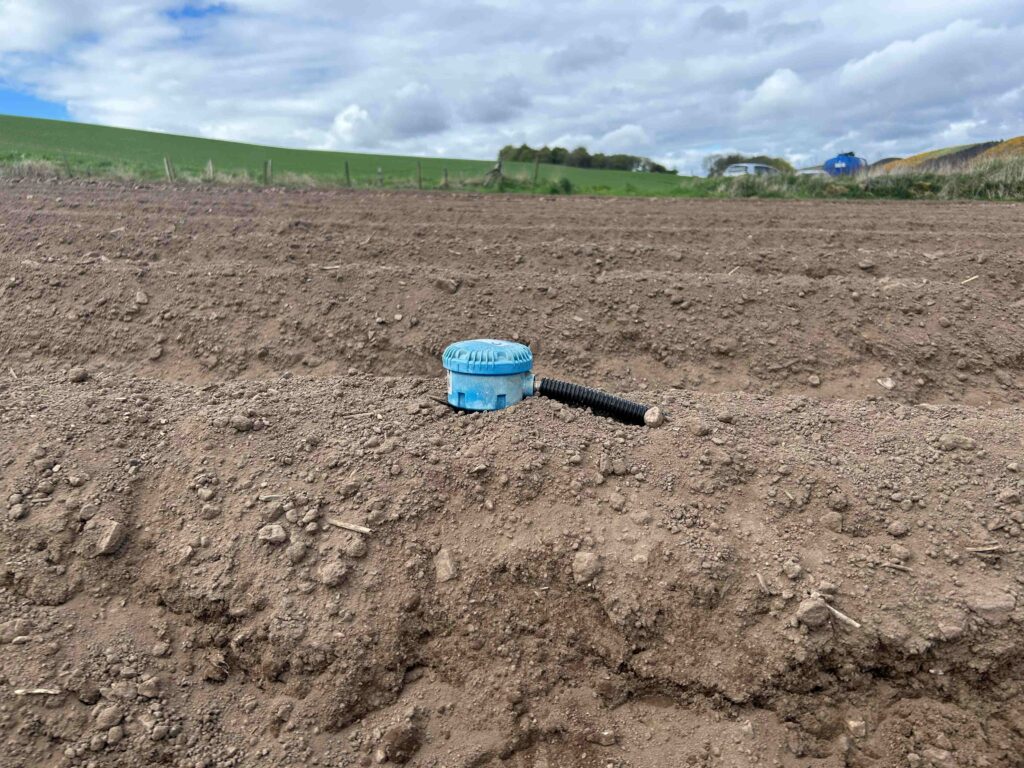
Understanding Portable Soil Moisture Meters
We recently published an article on in-situ moisture sensors here. But, for those wanting to experiment before taking the leap, portable meters remain a useful entry-level option. These handheld devices are pushed into the soil to provide instant readings at a single depth. They are not as accurate or comprehensive as multi-depth probes. However, they…
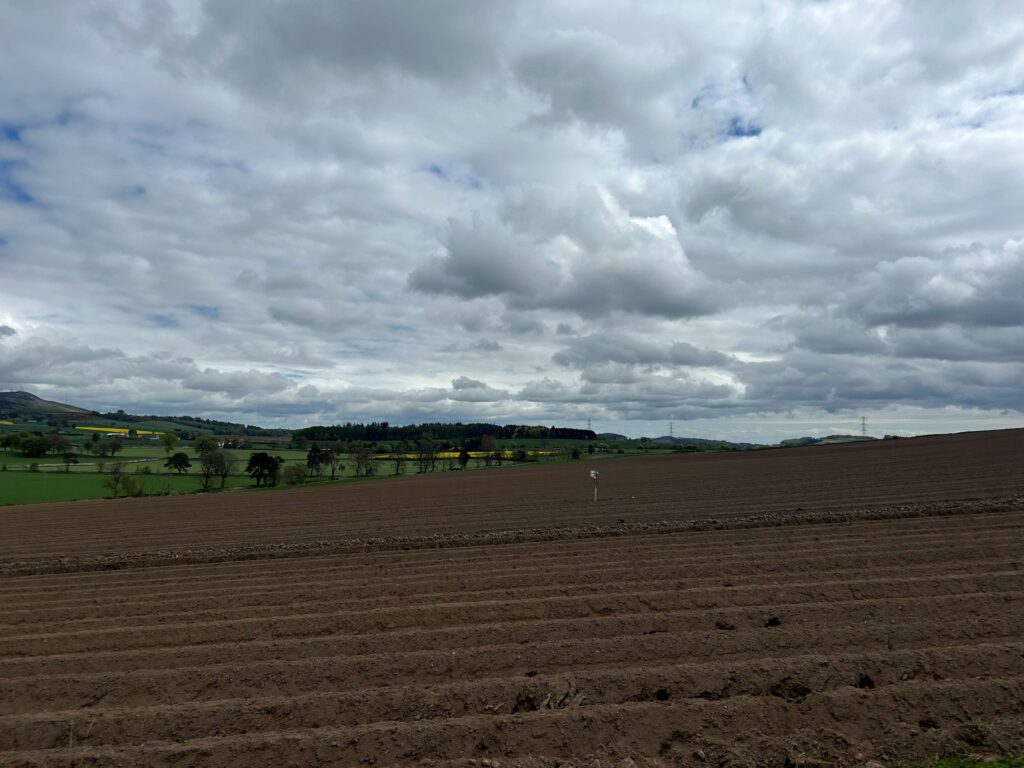
Soil Moisture Monitoring: Technology for Modern Irrigation Management
This document gives an overview of soil moisture monitoring technologies for farmers and growers. This isn’t a complete review. This field is growing fast, with new products and methods showing up all the time. Instead, it offers a practical look at the main options and key factors to think about when deciding what may suit…
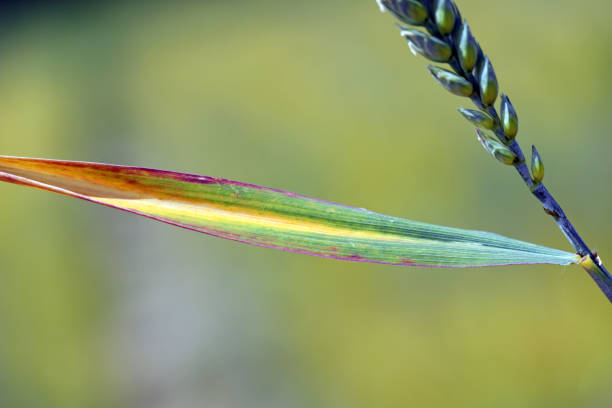
The Future Climate-Ready IPM Strategy for BYDV Control in Scotland’s Barley Production
As was recently highlighted, Scotland is seeing increasingly frequent BYVD outbreaks, and therefore it is important for farmers to start giving more consideration to control of the virus. Managing BYDV under a changing climate will require a transition from reactive, field-by-field control to a more coordinated, system-based integrated pest management (IPM) programme (Figure 3). The…
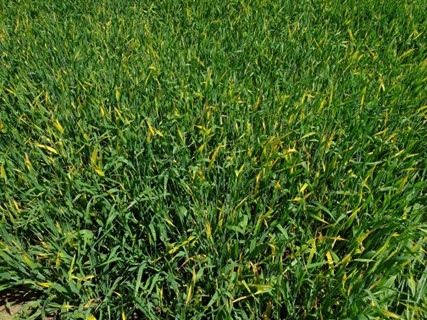
Climate Change and the Escalating Risk of Barley Yellow Dwarf Virus (BYDV) in Scottish Barley Systems
Barley yellow dwarf virus (BYDV) should now be increasingly recognised as a climate-sensitive threat to cereal production in Scotland. Transmitted primarily by aphid species such as the bird cherry-oat aphid and the grain aphid, the virus infects a wide range of cereals and grasses. In barley, early infection can be particularly damaging with symptoms which…
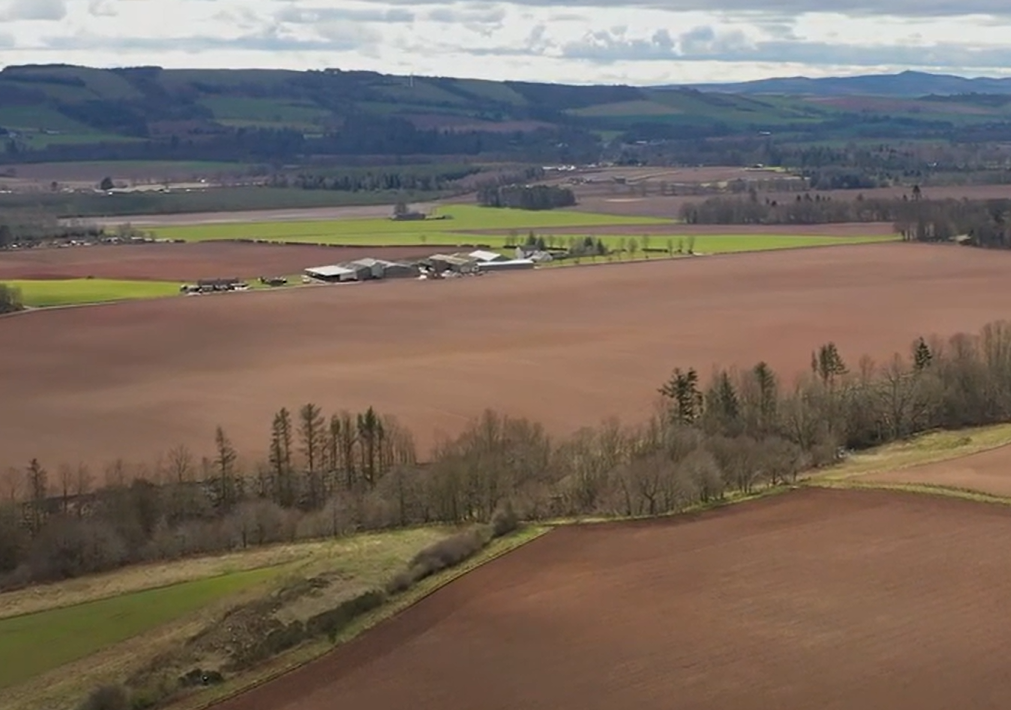
Precision Farming in Practice – Spot Spraying And Variable Rate Nitrogen
Precision methods help farmers to reduce input waste while maintaining output, which are two priorities for Scottish agriculture as costs rise and environmental expectations tighten. This article focuses on Variable Rate Nitrogen (VRN) and green‑on‑green spot spraying as examples of technologies that help farmers apply inputs only where they deliver a return. You will learn…
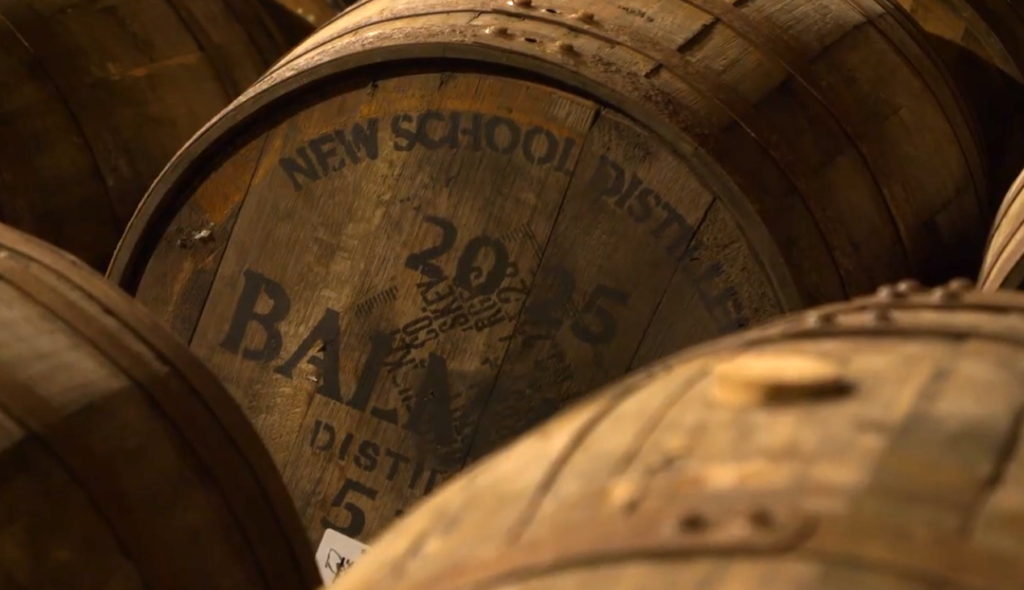
Balmaud Farm & Distillery – A Journey to Net Zero
This case study shows how Balmaud Farm and Balmaud Distillery treat soils, energy and by‑products as a single, practical system to cut emissions and control costs while maintaining quality. The aim is to provide practical steps other farms and producers can trial, and to show how grain‑to‑glass traceability supports product quality and a more resilient…
Rural Roundup – 6. Unsung Heroes – Agriculture’s Position in the Climate Change Conversation
Welcome to this special episode of the Rural Roundup, one of a six-part series called “Unsung Heroes”. In this episode Calum Johnston sits down one on one with James Orr an Agricultural Advisor with a special interest in the carbon footprint of livestock systems. In the previous five episodes we heard from Farmers from five different beef and dairy farms…