
Ensuring A Resilient Water Supply For Your Farm
With Scotland traditionally being thought of as a ‘wet’ country, we often take water for granted. However, as our climate is changing, water is no longer a ‘free’ and plentiful resource, and many farmers should now be approaching water use with the same strategic importance as fuel, feed and fertiliser.
The Climatic Predictions
Hottest, wettest, driest… we are already seeing historical climatic records being broken year on year. Going forward, ’typical’ summers are predicted to be warmer and drier, with an increase in average temperatures. As warmer and drier conditions persist, the need for water increases across all sectors, resulting in higher cumulative demands at times of water scarcity.
A Cost to the Business
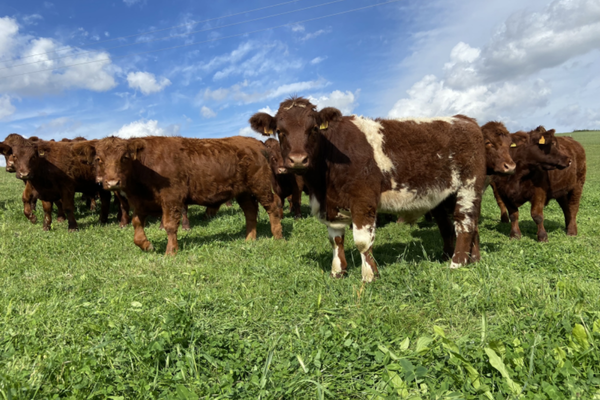
Water scarcity can have a significant and long reaching financial impact across the farm business. Increasing temperatures, often coupled with low flows as a result of water scarcity, affect livestock through:
- Heat stress
- Reduced feed intake
- Fertility
All of these can impact on productivity well after the water scarcity episode has eased.
No Longer Simply A Crop Problem
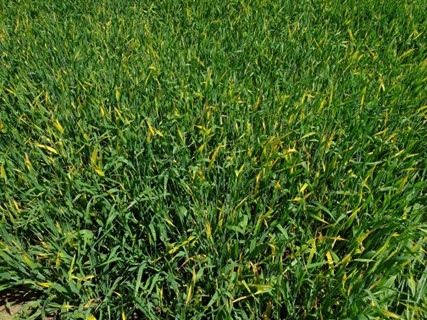
Lack of water limiting crop growth is no longer restricted to fruit or vegetables; a check in growth is having a knock-on effect on forage over both the grazing and housed season. With reduced volumes of grass being ensiled, more feed is having to be bought to make up the livestock ration over the winter months.
Irrigation
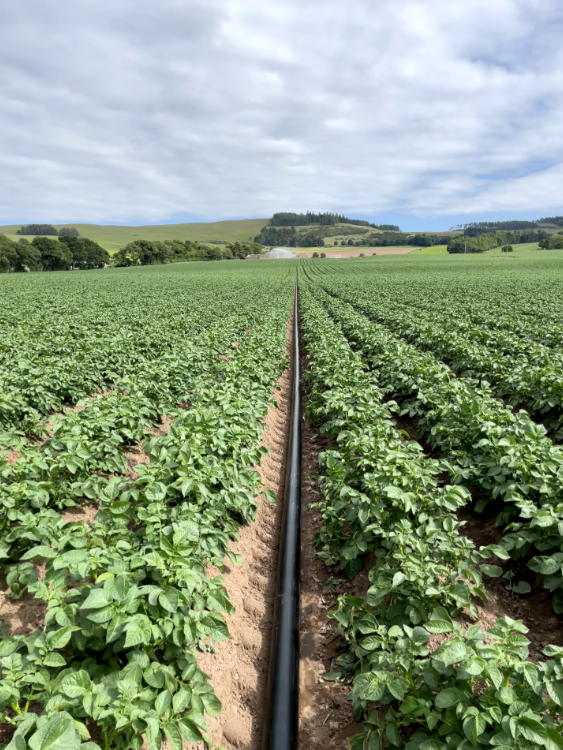
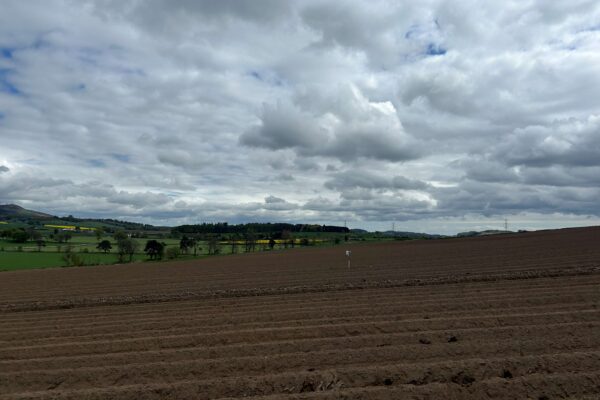
Irrigation, especially for potatoes, vegetable and fruit crops accounts for roughly 95% of agricultural abstraction. Effective irrigation is closely matched to crop demand; over-irrigating is of no value to the crop, as water needs will have been met. It can lead to runoff and soil loss, increasing diffuse pollution risk and represents a further cost to the business in terms of pump use, fuel and maintenance costs. Estimates in the Planning for Water Scarcity document suggest efficient irrigation can result in yield uplifts per crop of £0.65 for potatoes rising to £4.50 for raspberries per cubic metre of water used (after irrigation costs were taken into account), demonstrating both the need and impact of timely and efficient irrigation in maximising growers returns.
Water Scarcity And The Impact On Catchment Capacity
Water demand to meet crop yield and quality can add additional pressure at times of water scarcity within an already struggling catchment. Work carried out by University of Strathclyde (Clemens et al., 2026) showed that agricultural abstractions increased during prolonged times of water scarcity, reaching up to 513% above average levels. There may appear to be plenty of water still in a river, but with multiple abstraction points and varying demands from a range of users, caps may need to be put on the amount of water any one abstractor can take, aiming to strike a ‘fairer’ balance for all users, especially those downstream, and to preserve a minimum water level for wildlife and habitats across a catchment.
With the unpredictability of our weather patterns, now may be a good time to review the water demand across your farm operations, look at ways to improve water use efficiency and reduce costs. Considering additional water sources and planning ahead now could help to safeguard future production and profitability.
If not in place already, carrying out a water audit is a good starting point. A water audit will give you an insight into the volumes of water you use matched against a variety of tasks. The results of the audit could help to prioritise which activities would most benefit from a second look to improve efficiency measures, saving you money. It could also indicate your vulnerability, if your water needs are being served by a single source, and demonstrate you are taking water use into consideration as part of your business operation.
How a Water Audit Can Help Your Business
FAS offer a farm water resilience audit to help you identify water use. Once you know your water use requirements, you can:
- Benchmark - You may be above or below standard figures; there could be a good reason for this. Activities that appear to be using a lot more water when compared to average figures should go further up the list for your review and additional investigation.
- Meter - Metering will identify the volume of water used. Adding additional meters will help to identify individual practices that might be costing you more than they should be.
- Monitor - Once you know what you should be using, you will soon see if there is extra, unexpected demand. Have you used more water, or is this a leak? Leaks, especially from mains water sources, could be costly if they go unnoticed.
- Review - Keep records, review water use and look at areas where you could possibly change practices or techniques to improve water use efficiency.
For mains water users, various suppliers are available allowing you to compare mains water tariffs from other retailers, helping you to pick the most competitive based on your business needs.
Improving Your Water Use Efficiency
How do you get ‘more crop per drop’? Depending on your farm type, there are various options to consider which can increase water use efficiency, starting with basic good practice. For example:
- Not leaving taps running
- Fitting a trigger nozzle to hoses
- Using high pressure/low volume washers for hosing yards and machinery
- Choosing more drought resistant crops
Other measures include:
- Maintenance - fixing leaky drinkers, checking pipe connections and couplings.
- Improving soil quality - Building soil organic matter and keeping soils covered, both key principles in regenerative agriculture, can help to support farm soils in terms of increased water holding capacity.
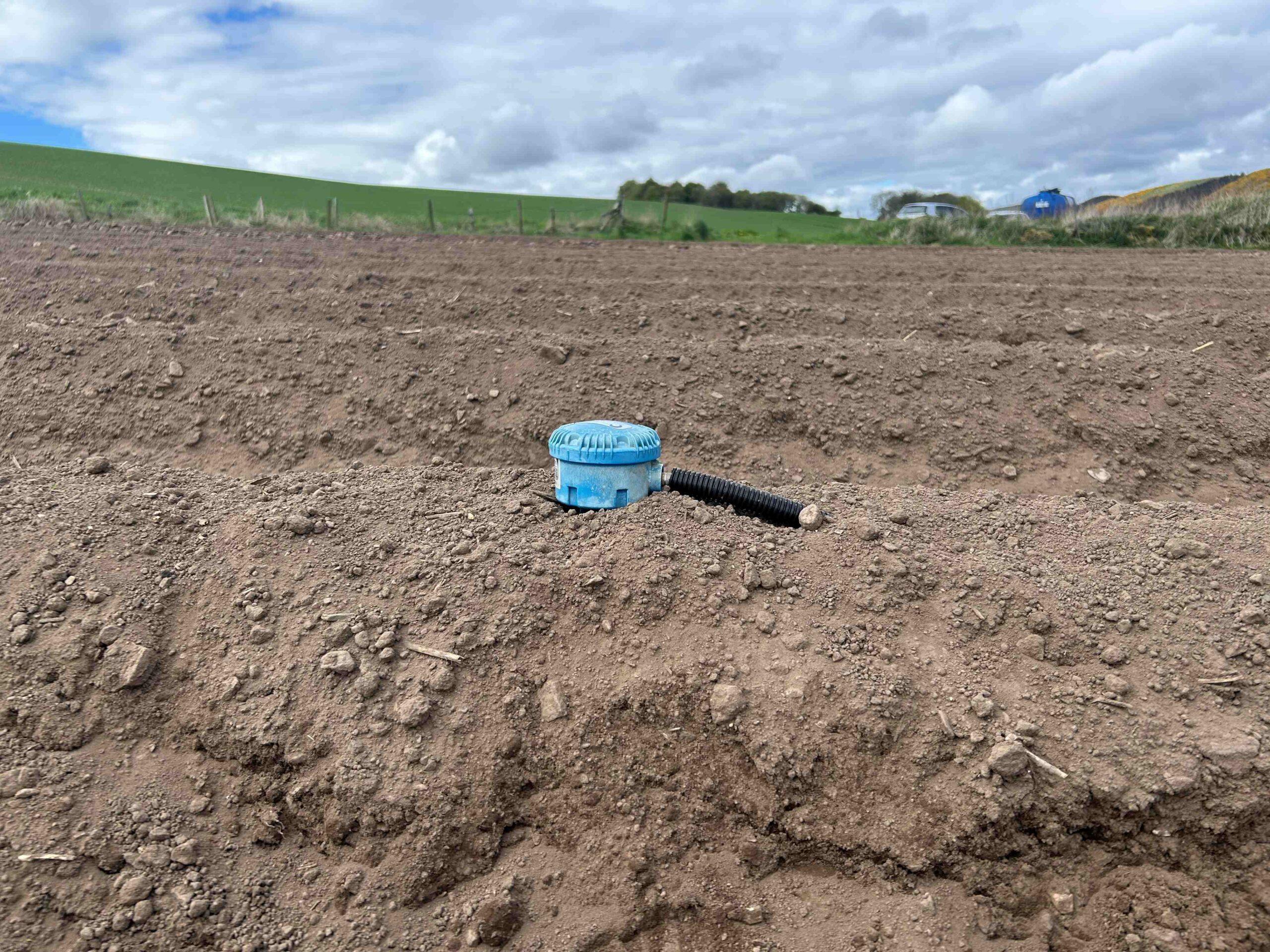
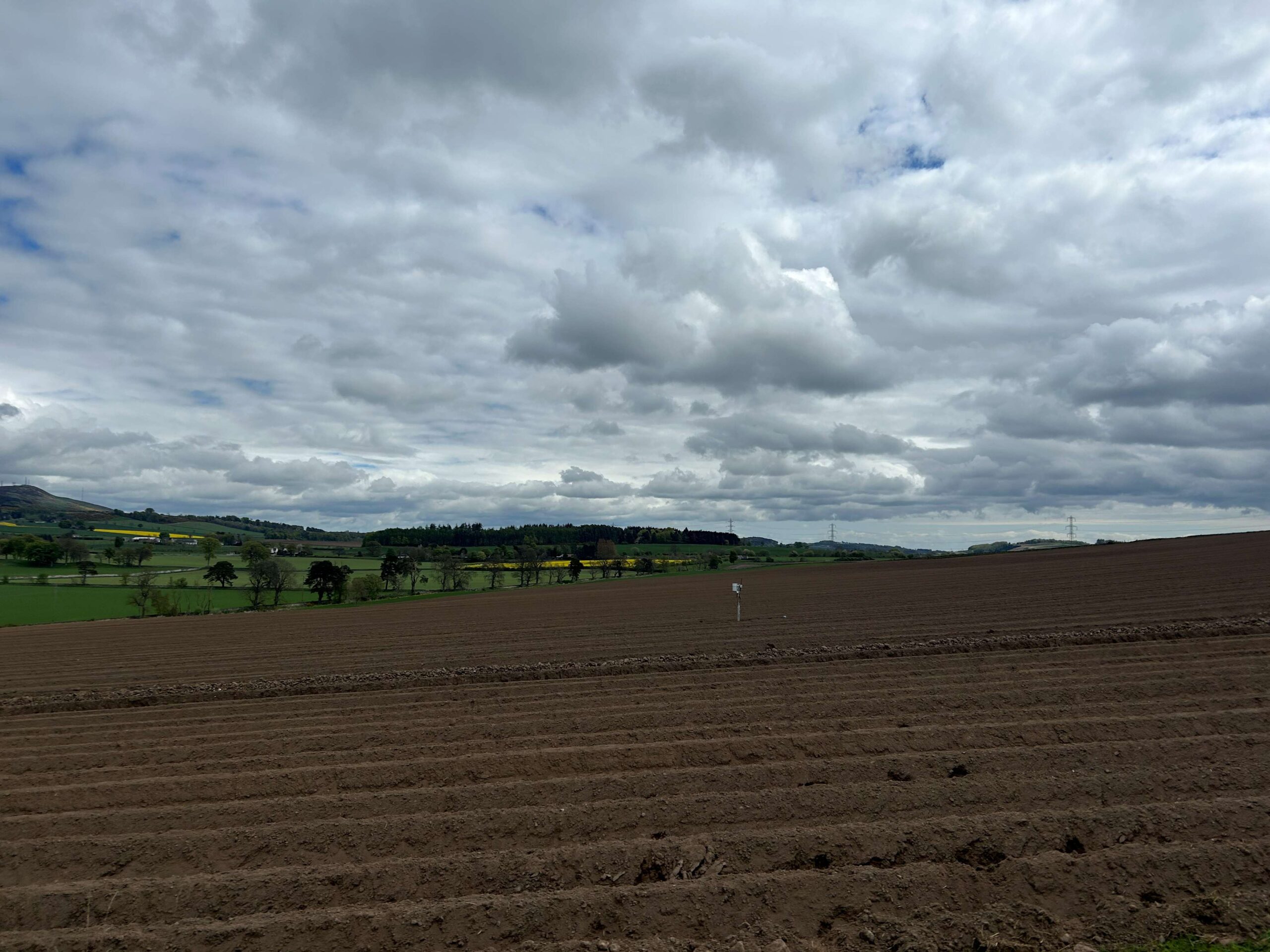
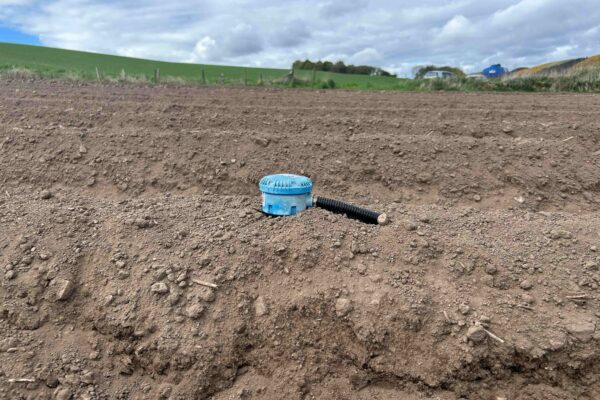
- Technology investments - ‘smart’ irrigation systems using weather stations, soil moisture probes, crop evaporation monitors and irrigation monitors can help to establish exactly when and how much to irrigate based on soil and crop needs.
Alternative Water Resources
Under the EASR (Environmental Authorisations (Scotland) Regulations), introduced in November 2025, all abstractors could have the volume of water they are permitted to abstract reduced or suspended at times of severe water scarcity. This makes it all the more important to know what you need, plan and where possible have access to alternative supplies. Table 1 lists a range of commonly used alternative water sources.
| Source | Pros | Cons |
|---|---|---|
| Surface water abstraction | Large volumes of water; direct and easy access to flowing water; suitable to support irrigation systems | Water availability may be limited at times of water scarcity; small rivers and burns may dry up; need authorisation from SEPA; not guaranteed as permits may be limited at times of water scarcity |
| Borehole | Security of supply; offers buffer against short term low rainfall; low annual running/maintenance costs | Installation costs; needs authorisation from SEPA; risk of permits reduced or revoked; risk of exhausting water supply in short term; risk of groundwater pollution for all users |
| Storage lagoon | Filled during the winter months when water is plentiful; supplies additional supply of water on farm; may attract funding for installation; low annual running/maintenance costs | High initial installation cost; needs authorisation from SEPA; risk of permits removed; may need planning consent; volume may not be sufficient to meet irrigation needs |
| On farm ponds | Cost effective; can supplement livestock drinking requirements; high amenity value if well managed | Potential to degrade biodiversity value at times of high demand; water quality issues from unchecked livestock access impacting on drinking water quality for livestock |
| Rainwater Harvesting (RWH) | Collection and storage of rainwater from shed roofs; capturing and reusing rainwater which would ordinarily be lost; suitable for small scale use when high quality water not required e.g. washing down yards or machinery; takes pressure off other sources; minimal running/maintenance costs once installed. | Installation costs; storage restricted to tank size; contamination/quality issues without additional treatment |
Table 1. Additional sources of water on farm (adapted from Planning for Water Scarcity, CREW (2026)).
From May to September, SEPA produces a freely available Water Scarcity Report. The report outlines current water scarcity levels across Scotland, highlighting those areas where water levels are normal for the time of year, but crucially those areas where water flows are below what would be optimum, providing an early warning status and indication of those areas in alert, moderate or significant scarcity. This information can highlight the status of a water body and give abstractors with a high water demand time to prepare, as additional conditions may be added to their abstraction permit, or abstractions may be suspended altogether. In addition to the weekly reporting, SEPA also track water scarcity conditions using a Drought Risk Assessment Tool (DRAT). The tool monitors river levels, allowing growers to check water status in their catchment.
Further information
Adapting your system in response to climate change:
https://www.fas.scot/environment/climate-change/adapting-to-climate-change/adapting-to-climate-chan…
Clemens, M., McGrane, S. & White, C.J. (2026) Understanding Patterns and Drivers of Changing Sectoral Economic Water Use in Scotland. Water Resource Manage 40, 248.:
https://doi.org/10.1007/s11269-026-04574-7
Climate change projections for Scotland:
https://adaptation.scot/scotland-and-climate-change/climate-change-trends-and-projections/
FAS Basic farm water audit:
https://www.fas.scot/article/basic-farm-water-resilience-audit-summer-2026/
FAS Farm Management Handbook - includes daily drinking water requirements for livestock and other water uses:
https://www.fas.scot/publication/farm-management-handbook-2025-26/
Kay, G., Dunstone, N., Smith, D.M., Brown, S.J., Kent, C., Lockwood,J.J. and Scaife A.A (2025) Rapidly increasing chance of record UK summer temperatures:
WeatherVolume 80, Issue 8 pp. 268-276 https://doi.org/10.1002/wea.7741
Salter, F., Audsley, R., Prentice, G., Williams, K., Zuill, J., Buckingham, S., Cole, L., Haro Monteagudo, D., Adams, K and Booth J (2026). Planning for Water Scarcity: Practical guidance for Scottish farmers and growers. CRW2024_05. Centre of Expertise for Waters (CREW):
https://www.crew.ac.uk/publications/planning-for-water-scarcity
Scottish Government Rural Payments. Opportunities for grant funding:
https://www.ruralpayments.org/topics/
SEPA Drought Risk Assessment Tool (DRAT):
Access to water is crucial to a profitable farming business. With significant shifts in our climate, more sectors are looking at ways to ensure they have the water they need at times of scarcity; now could be the time to act to identify vulnerabilities and improve business resilience going forward.
Rebecca Audsley, SAC Consulting







Sign up to the FAS newsletter
Receive updates on news, events and publications from Scotland’s Farm Advisory Service