
Crop Health
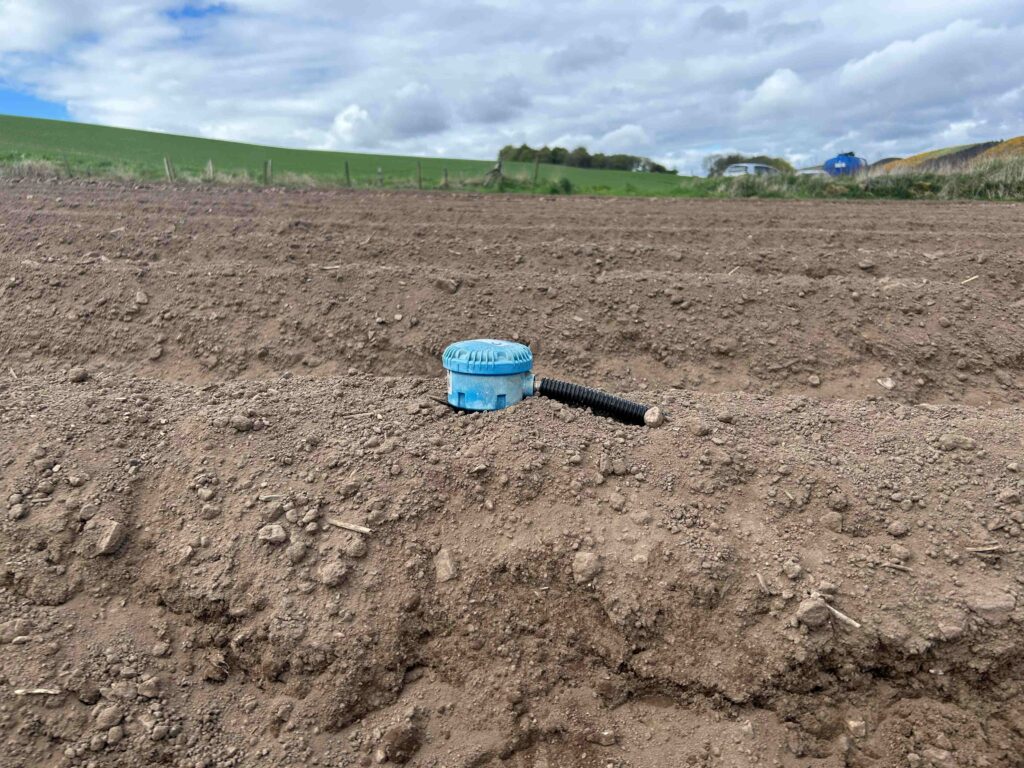
Understanding Portable Soil Moisture Meters
We recently published an article on in-situ moisture sensors here. But, for those wanting to experiment before taking the leap, portable meters remain a useful entry-level option. These handheld devices are pushed into the soil to provide instant readings at a single depth. They are not as accurate or comprehensive as multi-depth probes. However, they…
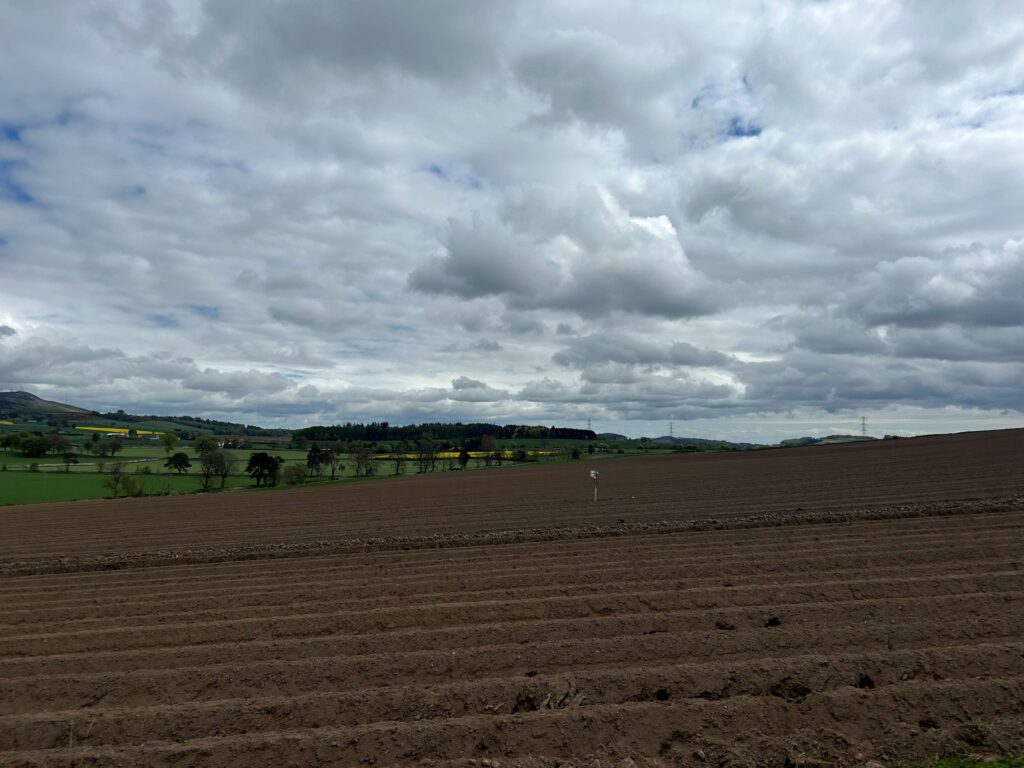
Soil Moisture Monitoring: Technology for Modern Irrigation Management
This document gives an overview of soil moisture monitoring technologies for farmers and growers. This isn’t a complete review. This field is growing fast, with new products and methods showing up all the time. Instead, it offers a practical look at the main options and key factors to think about when deciding what may suit…
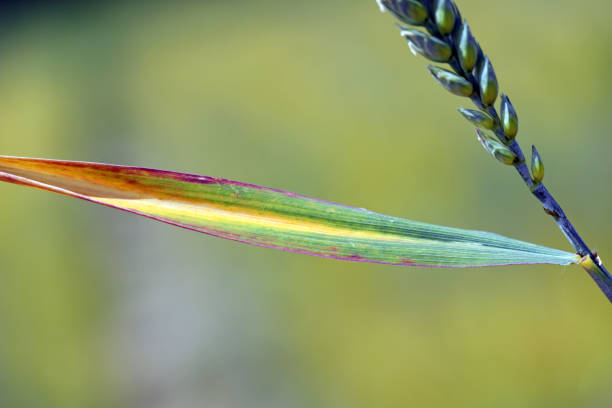
The Future Climate-Ready IPM Strategy for BYDV Control in Scotland’s Barley Production
As was recently highlighted, Scotland is seeing increasingly frequent BYVD outbreaks, and therefore it is important for farmers to start giving more consideration to control of the virus. Managing BYDV under a changing climate will require a transition from reactive, field-by-field control to a more coordinated, system-based integrated pest management (IPM) programme (Figure 3). The…
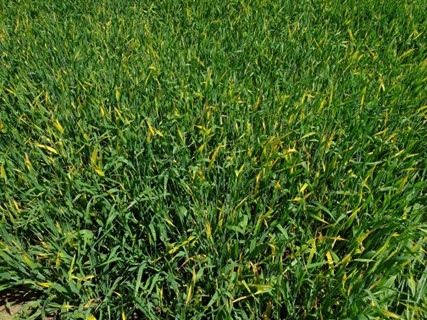
Climate Change and the Escalating Risk of Barley Yellow Dwarf Virus (BYDV) in Scottish Barley Systems
Barley yellow dwarf virus (BYDV) should now be increasingly recognised as a climate-sensitive threat to cereal production in Scotland. Transmitted primarily by aphid species such as the bird cherry-oat aphid and the grain aphid, the virus infects a wide range of cereals and grasses. In barley, early infection can be particularly damaging with symptoms which…
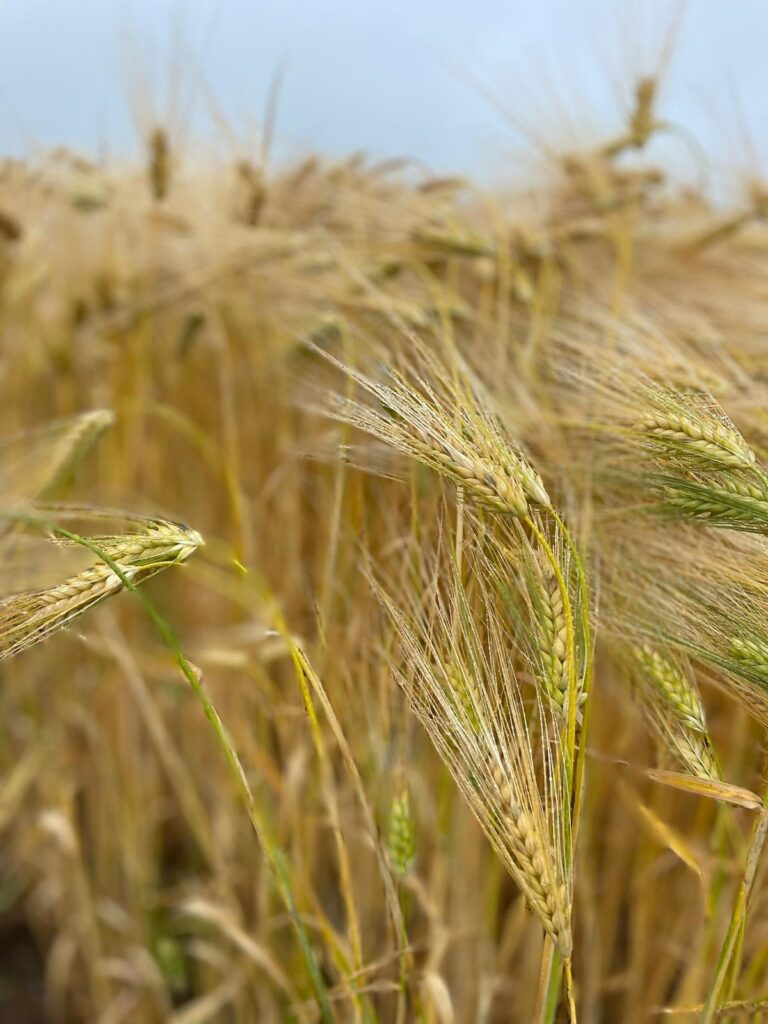
Could Sustainable Farming Affect Ergot Risk in Barley?
In 2024, arable farmers across the UK saw a huge increase in ergot in cereal crops and felt the financial impact through grain rejections and the loss of premium prices for their hard-earned harvests. The reasons were hardly a mystery. Difficult drilling conditions in autumn 2023, followed by a warm, wet spring and a cool,…
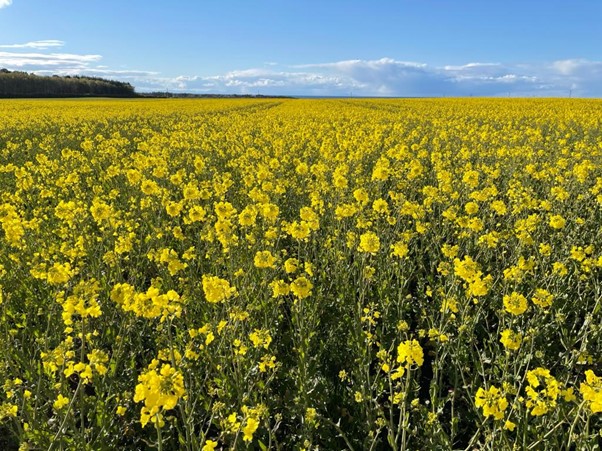
How to Get Oilseed Rape off to a Good Start
Over the past decade many growers have increased their proportion of spring malting barley grown due to it having good levels of profitability and being relatively cheap to grow. However, the last couple of years has seen demand and prices for malting barley fall, leading to growers looking at their options and considering growing other…
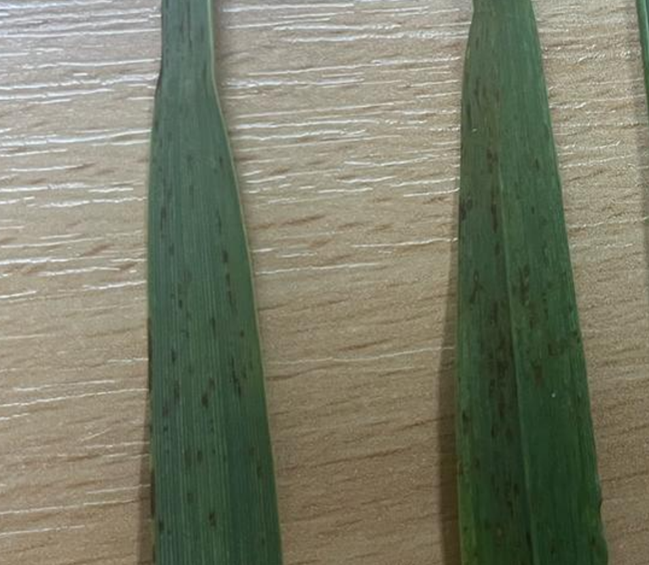
Spotlight on Manganese Deficiency in Spring Cereals
Manganese (Mn) deficiency is particularly common in spring barley and can lead to yield losses if left untreated. Soil applications of Mn are generally ineffective, as the applied Mn rapidly changes into less available forms. Deficiencies are best prevented or, where Mn deficiency only occurs infrequently, corrected by foliar sprays with Mn each year. The…

Leaf Stripe (Cephalosporium) in Winter Wheat
Cephalosporium leaf stripe is an increasing problem on farms in Scotland where wheat is grown on short rotations. Incidences of the disease have increased in recent years as a consequence of changes in cropping practice and weather patterns, in particular rainfall. Symptoms usually appear when the flag leaf is emerging or after heading. Broad vertical…
Keeping on top of disease in spring barley
With spring barley crops sown so much earlier this year, there’s inevitably a greater exposure time to foliar disease and a few early disease risks to watch for this season. The SRUC crop clinic has seen more loose smut and net blotch in recent years. This may relate to the fact that many of the…
CropCast – Fungicide Performance 2024
In this episode Tiffany Stephenson is joined by Professor Fiona Burnett, an applied plant pathologist at SRUC to discuss the performance of fungicides during the challenging growing season, that has been 2024. Cropcast is your go to podcast for all the latest information on arable crops. Each month, SAC advisor, Tiffany Stephenson will be joined…