
Working Together Across a Catchment – Ayrshire Rivers Trust
The Ayrshire Rivers Trust, based in the southwest of Scotland, is an independent charity established to protect and enhance freshwater and associated habitats within the Ayrshire region.
Established in 2000 and originally founded to conserve wild salmon and sea trout stocks, Ayrshire Rivers Trust now has a much wider remit, not only looking to support wild fish populations, but also to conserve and restore freshwater habitats and the riparian zones that help to support a healthy catchment system. It’s a small team of biologists, ecologists and specialists working across the region.
The Ayrshire Rivers Trust covers six main river catchments (Figure 1), the River Ayr, River Irvine, River Doon, River Garnock, River Girvan and River Stinchar as well as all the coastal burns and lochs across the counties.
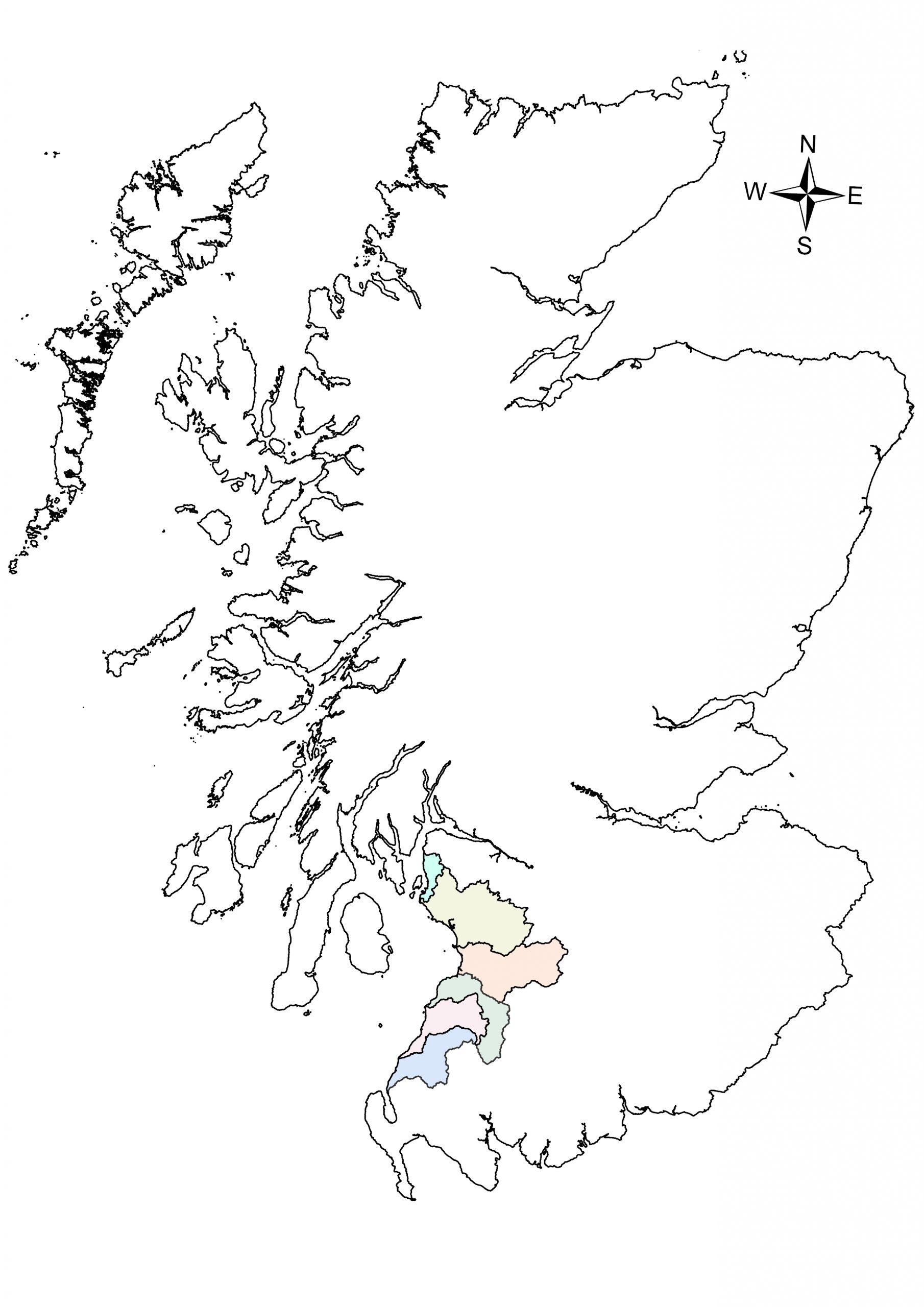
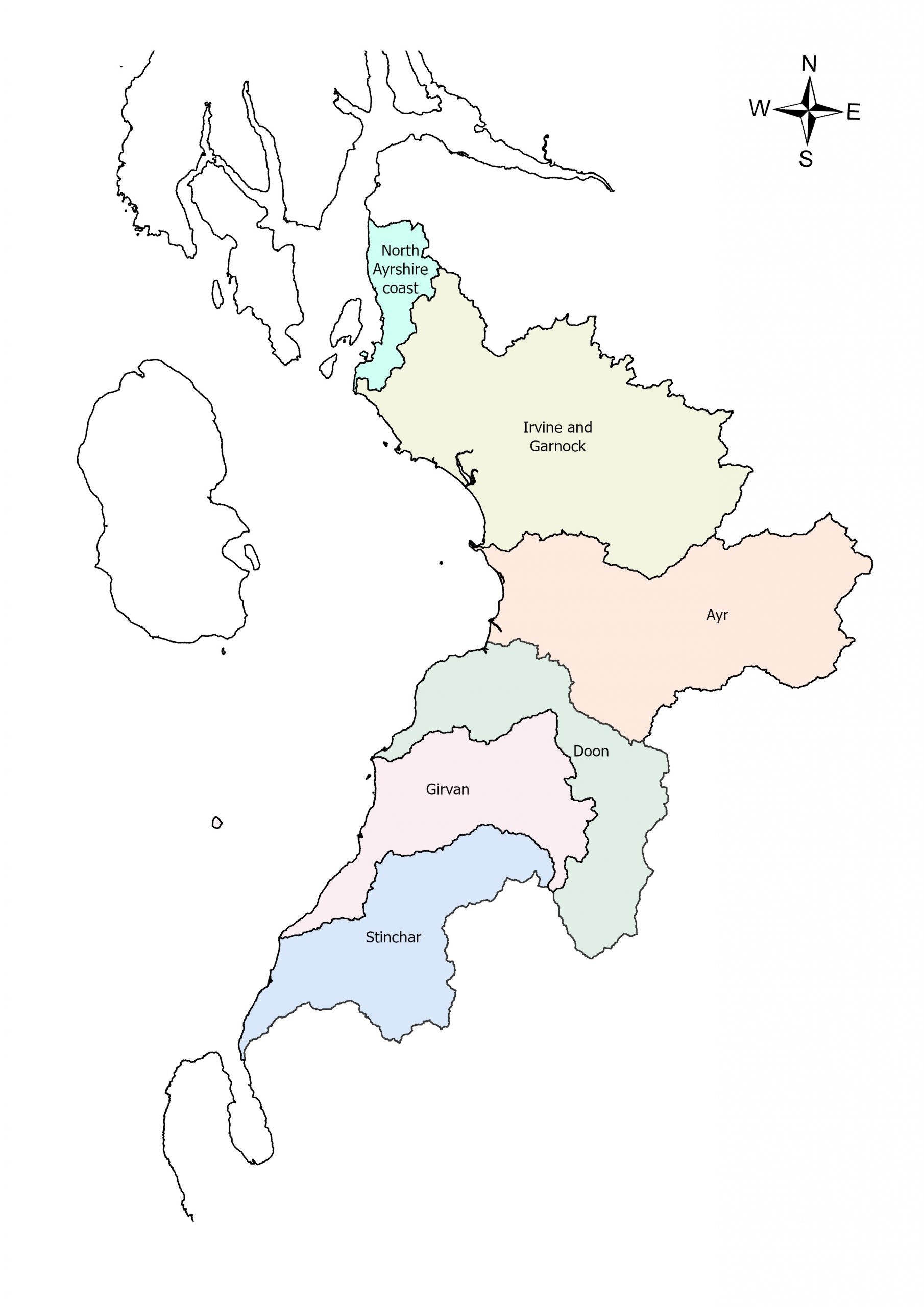
Figure 1. Ayrshire Rivers Trust Catchments (taken from https://www.ayrshireriverstrust.org/rivers/ )
With these catchments spanning three local authorities, Ayrshire Rivers Trust works closely with a range of partners including community and local councils in South Ayrshire, East Ayrshire and North Ayrshire, farmers and other land managers, fisheries bodies, schools, commercial organisations and other agencies across the catchment. From re-creating meanders, to removing invasive species. In this case study we take a look at some of the activities carried out by the Ayrshire Rivers Trust Team and their impacts.
Restoring Habitats
The team at Ayrshire Rivers Trust take a proactive approach, targeting key areas within their catchments to support water quality and improve and restore habitats. Finding practical ‘nature-based’ solutions is key to improving water quality and increasing the resilience of our watercourses, especially in the face of a changing climate. For each of the Ayrshire rivers, the trust have a catchment management plan that highlights the priorities for action, pressures and the potential projects that could be undertaken to bring improvements.
Pennyfadzeoch Meander Reconnection Project
Projects vary in size and scope. The Pennyfadzeoch Meander Reconnection project is an example of a larger scale river management project, aided by NatureScot’s Nature Restoration Fund. The work aims to divert the Lugar Water back into its original 700-metre natural loop, which has been artificially straightened in the 1950’s to protect the Barony Colliery tip from erosion. This approach would slow high-velocity flows, reduce the risk of severe bank erosion and reconnect the watercourse to its floodplain, whilst also supporting vital spawning habitats for salmon and trout. The Trust are currently working on the development of this project with funding from NatureScot in partnership with Dumfries House.
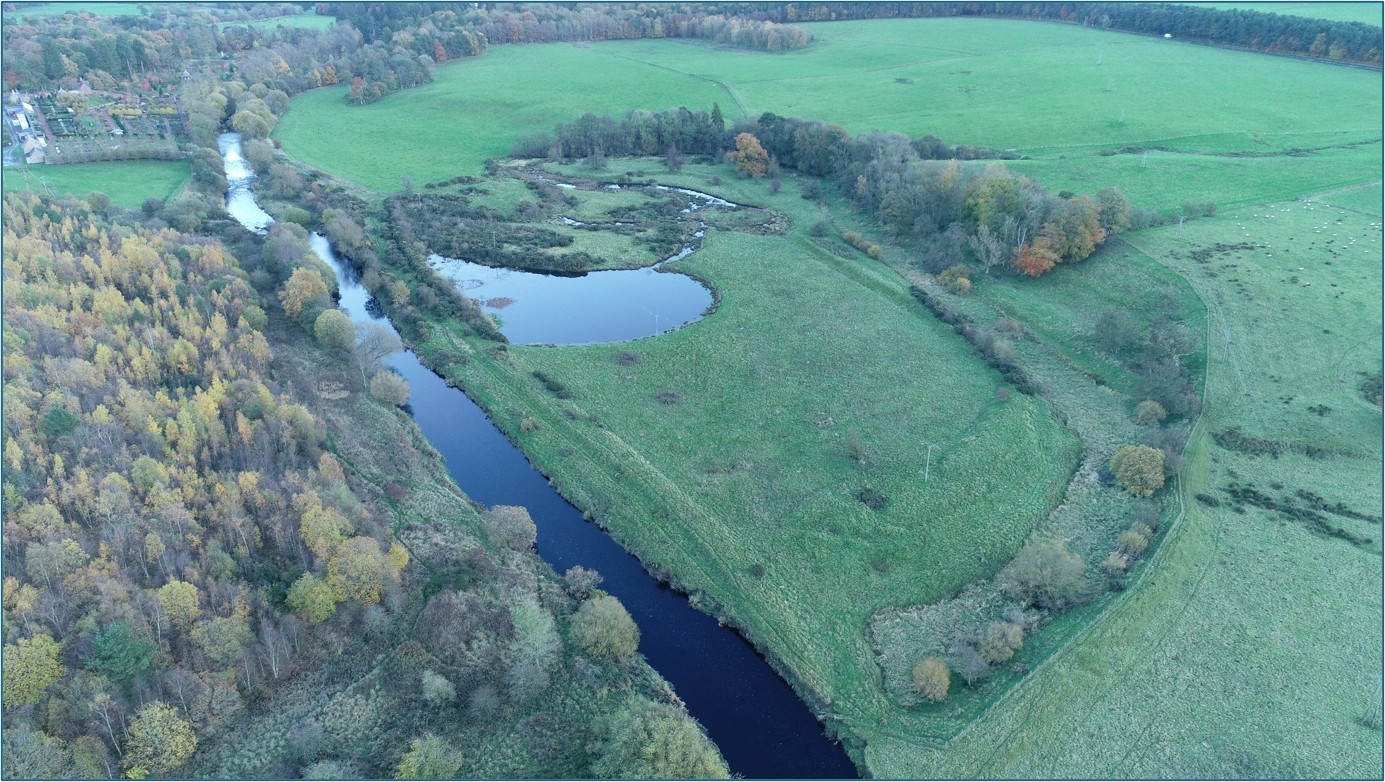
Figure 2: Pennyfadzeoch Meander: the old meander is visible and still lies wet with the new, straight channel offering little habitat diversity and causing issues such as erosion and siltation.
Smaller scale projects using green techniques such as willow spiling and weaving, coir membranes and recycled brash bundles from forestry operations are often used to protect bank sides from erosion. This slows the potential loss of productive farmland and reduces the amount of silt getting into waterways, moving away from more hard engineering approaches such as rock armouring or stone filled gabion baskets. Various green engineering techniques have been used across Ayrshire to reduce erosion and enhance the riparian zones of watercourses (figures 3 to 6).
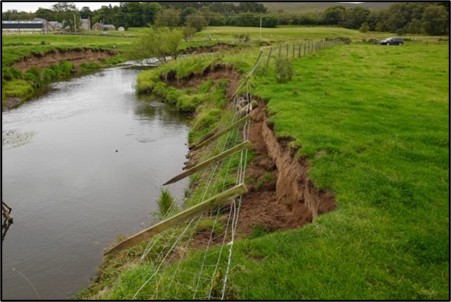
Figure 3: River Ayr, severe bankside erosion 2021. Erosion due to morphological alterations to benefit agriculture. Funded by Nature Restoration Fund, River Ayr DSFB and the landowners.
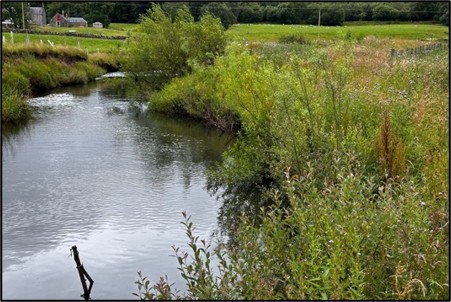
Figure 4: River Ayr 2024, regraded bank, brash bundles secured with willow stakes. Regraded slope with fencing erected behind the green engineering. The developing habitat benefits multiple species and improves water quality.
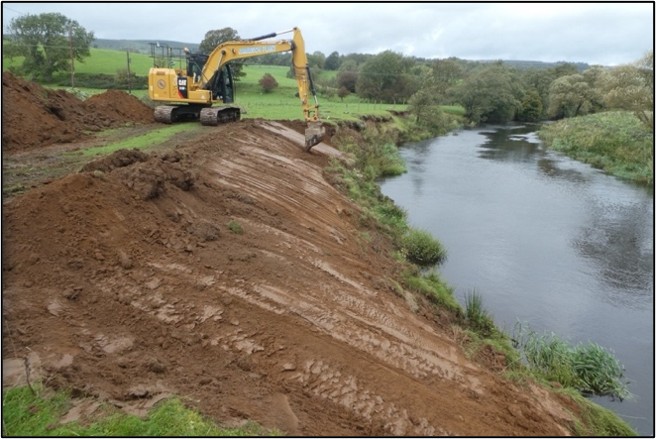
Figure 5: Water of Girvan, November 2023. Work underway to prevent livestock driven erosion. New fence soon to be erected. Reducing nutrient and silt inputs was the goal.
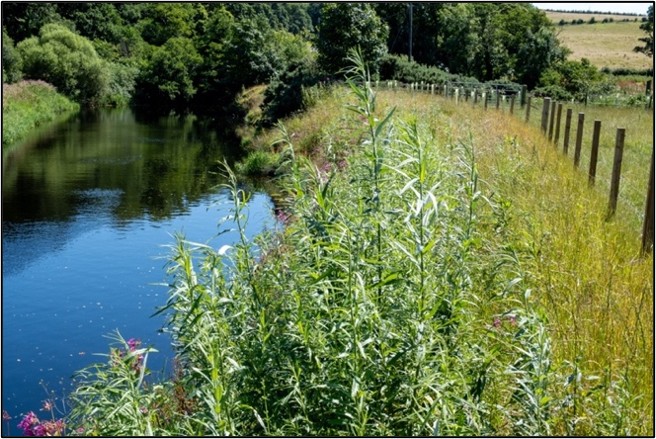
Figure 6: Water of Girvan, July 2024. Bankside stable 8 months following restoration. Improved spawning habitat downstream. Funded by Nature Restoration Fund, Girvan DSFB and the landowner
Pow Burn
As a charity, Ayrshire Rivers Trust actively seeks funding to support their restoration work. Ayrshire Rivers Trust have received project funding via Riverwoods Development Grant – the Pow Burn Riverwoods in partnership led by Symington Community Council and Water of Assel Woodland Creation in conjunction with the River Stinchar District Salmon Fishery Board.
The work on the Pow Burn will help reduce diffuse pollution risk and create a nature network. Addition of trees along the watercourse will help to stabilise bank sides and provide much needed shade during the summer months, helping to regulate water temperatures and support fish populations. Ultimately it’s hoped that these and other measures will see a return of wild salmon to the Pow Burn.
Water of Assel Woodland Creation
The Water of Assel is a key spawning ground for Atlantic salmon and trout, but this habitat is at risk through siltation and rising water temperatures. Fine sediments fill the gaps in the gravel beds used for spawning, effectively suffocating the developing eggs. By reconnecting patches of woodland along the water course it is hoped that this approach will stabilise banksides and reduce erosion risk, while also creating a ‘wildlife corridor’ and enhancing the biodiversity of the river and riparian habitat.
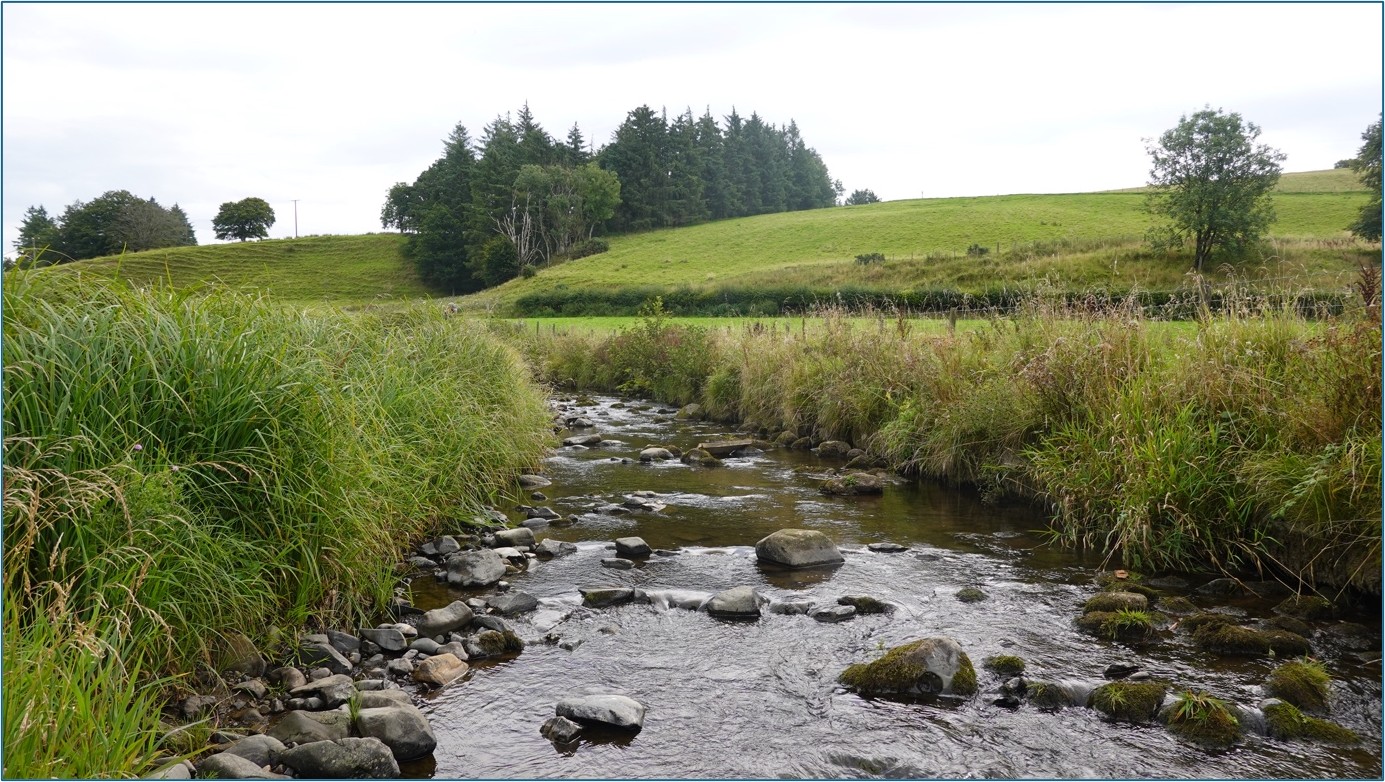
Figure 7: The lower Water of Assel. The Assel lacks trees and in many areas fencing and whilst a productive burn for both salmon and trout, there are still improvements that can be realised through fencing, tree planting and green engineering. The Riverwoods Project aims to create a blueprint to take forward to address identified issues.
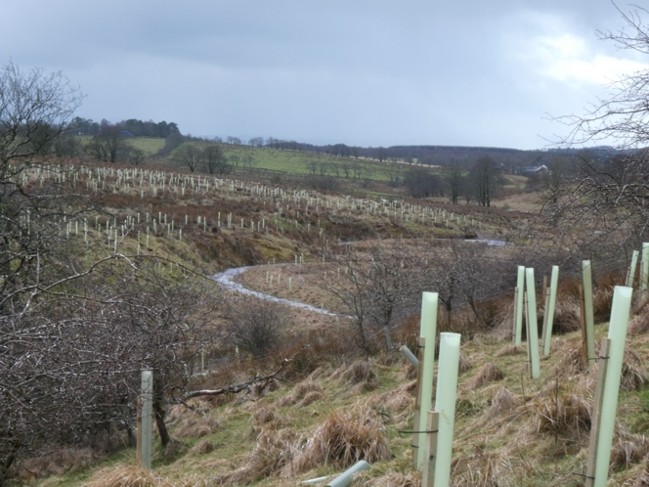
Figure 8: The upper reaches of the Cessnock Water where there were very few trees on the river banks prior to our planting efforts in early 2026. ART planted the upper Cessnock Water (Irvine catchment) with 6000 trees and fenced sheep out of 9 hectares of moorland
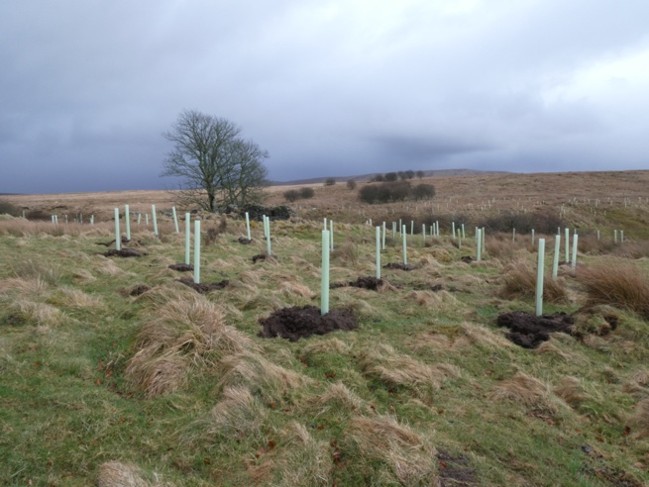
Figure 9: Much of the site was mounded due to the wet ground conditions that ART were planting into, this also helps reduce competition from grasses etc.
Working with famers and land managers across the catchment to keep livestock out of watercourses is another way to reduce erosion risk and loss of farmland, allowing natural vegetation to recover without poaching or grazing pressure and providing a buffer between in field practices and the watercourse. There are benefits for livestock too; keeping animals (and their dung) out of water provides a cleaner drinking source for other animals in the catchment. Key to this approach is providing alternative watering for field grazed livestock, often utilising gravity fed or solar powered systems to lift water out of the burn to supply a drinking trough in fields remote from a mains water supply.
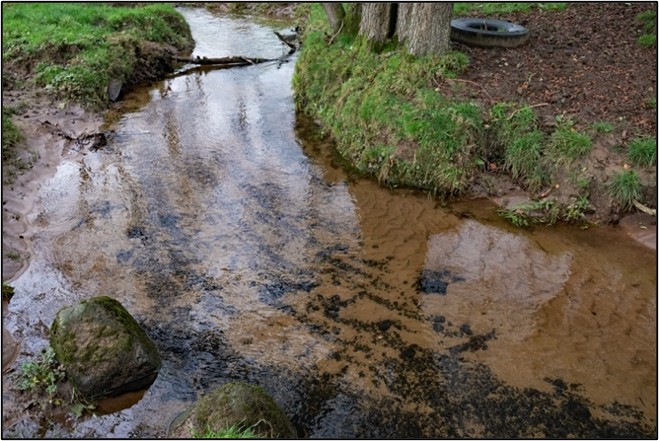
Figure 10: Brockloch Burn Pre works; Silt impacting instream habiat. September 2022 Funded by Doon DSFB and Wild Fisheries Fund
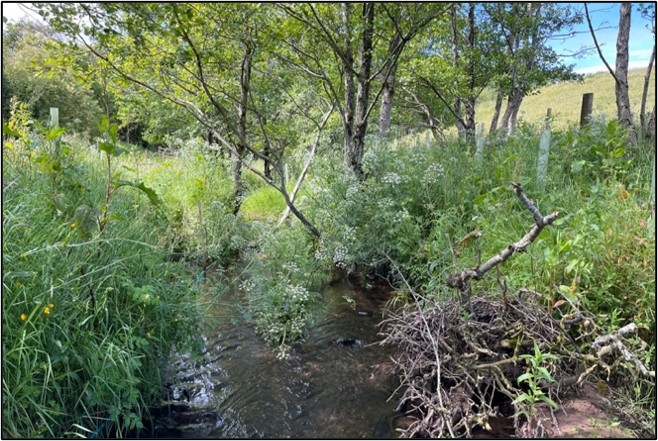
Figure 11: Brockloch Burn in 2025 following fencing and drinking troughs. Salmon and trout spawning success has immediately improved.
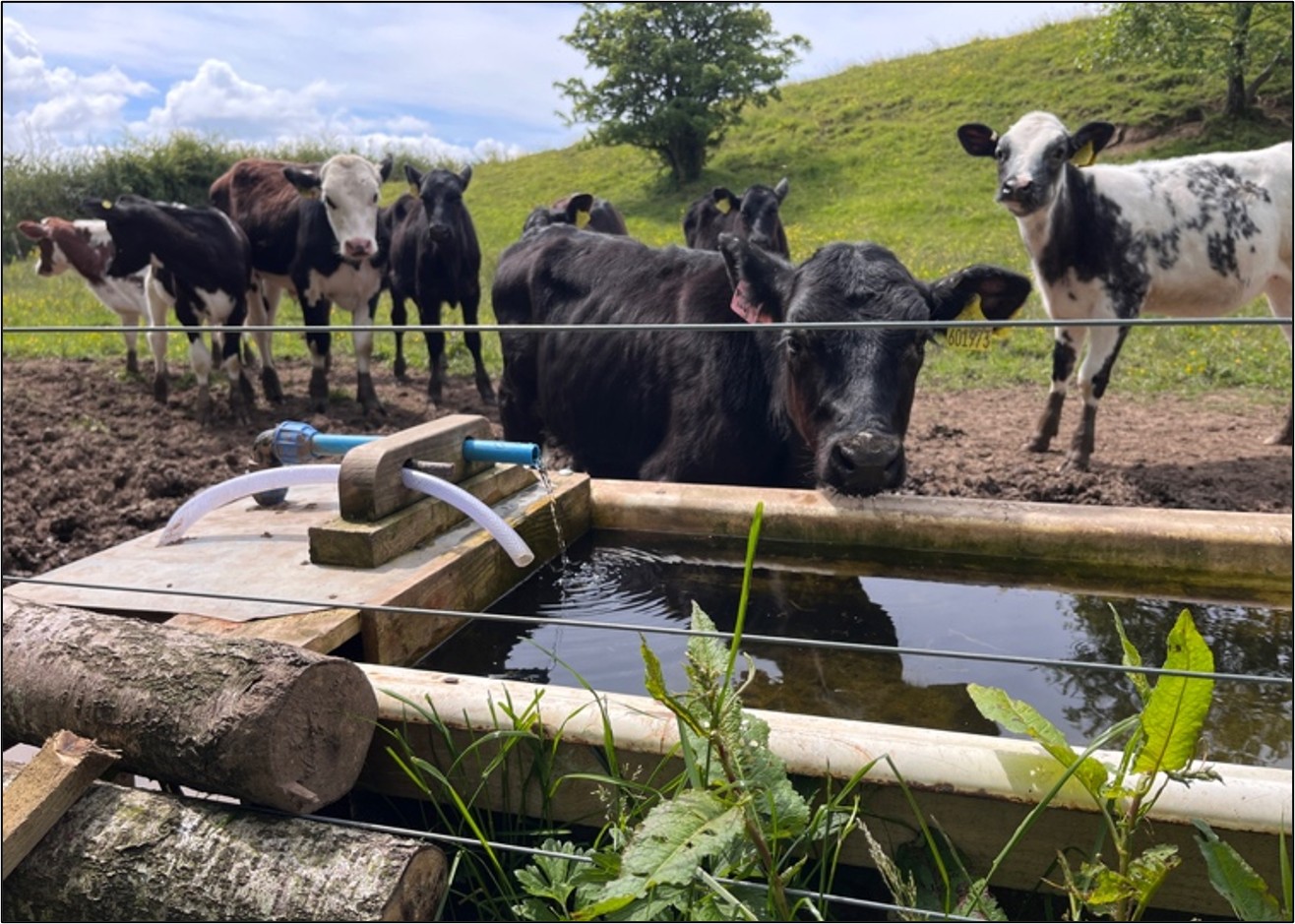
Figure 12: Livestock are probably the single greatest pressure we face across the Ayrshire catchments. On the Brockloch Burn ART have provided fencing and a custom-built gravity fed watering system with a solar powered pump back up.
Controlling Invasive Plant Species
Part of the river restoration work is the ever-present battle against Invasive Non-Native Species (INNS) across the Ayrshire catchments.
As the name suggests, these aggressive plants were introduced to Scotland, primarily as garden ornamentals in the 1800’s. Now firmly established across the UK, Japanese knotweed, giant hogweed and Himalayan balsam grow with vigour early in the season, outcompeting native plants. When they die back in winter, they leave bare riverbanks highly prone to severe erosion during heavy rains, which then go on to spread seed and root stems along the length of the river, spreading the plants further down the catchment.
Removal of INNS is a long-term commitment needing a strategic and targeted approach.
Ayrshire Rivers Trust has been controlling giant hogweed on the River Ayr for 18 consecutive years. This involves operatives covering approximately 140 miles of river bank to ensure no plants reach the stage where they flower and set seed. Whilst this is a huge task, the team are making considerable headway and improvements to the catchment allowing public access to areas that were previously inaccessible due to the density of plants. Giant hogweed is a threat to human health as contact with the plant can cause very serious burns as the sap strips the skin of any ability to buffer ultra violet light from the sun.
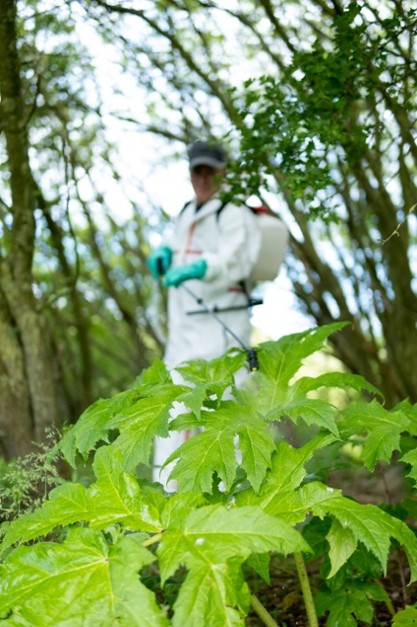
Figure 13: ART operatives tackling giant hogweed on a landfill site that has become contaminated with plants.
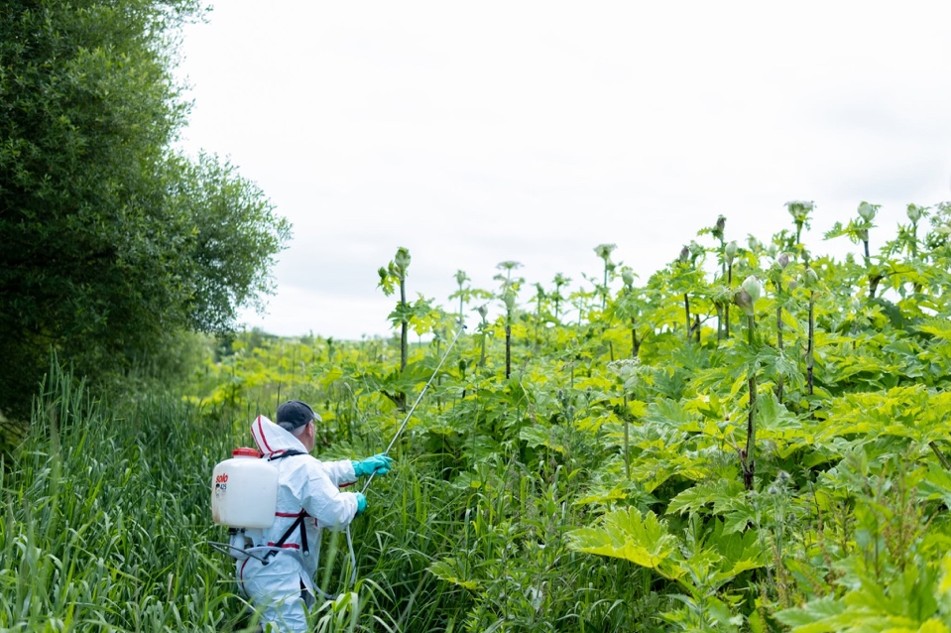
Figure 14: Once established these plants quickly form a monoculture outcompeting all native vegetation from the area.
Ayrshire Rivers Trust are working with the Stinchar District Salmon Fishery Board with support from Carrick Futures to tackle the extensive populations of Japanese knotweed on the Stinchar catchment. This is part of a multi-year project that will target the control of Japanese knotweed strategically from the upper catchment downstream. Unlike the giant hogweed, Japanese knotweed doesn’t seed in the UK but spreads more through disturbance to the plant which causes breakages that can then recolonise riverbanks further downstream. This is what makes watercourses such efficient vectors for plants such as Japanese knotweed, giant hogweed and Himalayan balsam and highlights the need for control strategies to tackle these problems head on.
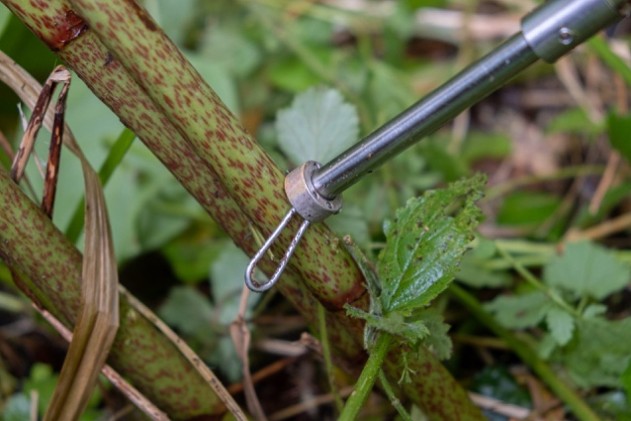
Figure 15: Stem injecting Japanese knotweed canes
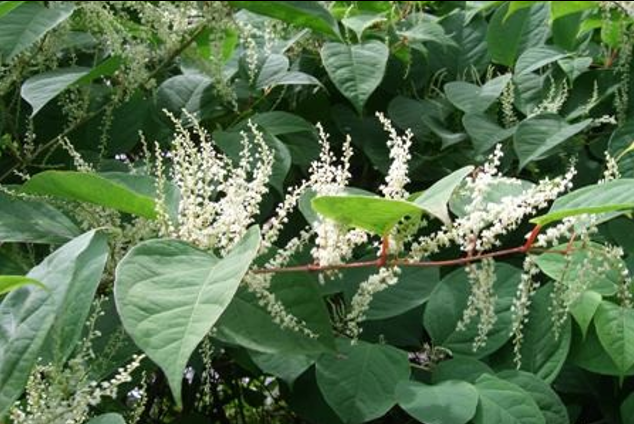
Figure 16: Japanese knotweed in flower
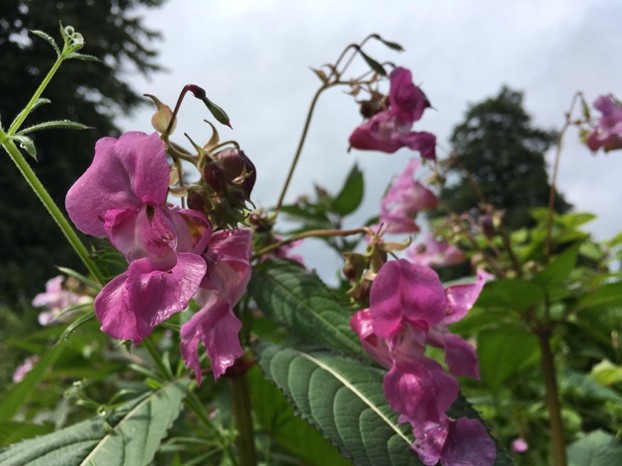
Figure 17: Flowering Himalayan balsam - note the seed pods that are beginning to ripen.
Supporting Fish Populations
Barriers like old mill dams, culverts and weirs can prevent or limit the number of salmon, trout and eels being able to reach their native spawning habitat. Ayrshire Rivers Trust have identified these barriers and look for ways to either fully remove or modify these structures if no longer needed, or work with owners to install fish passes.
An indicator of the success of the Ayrshire Rivers Trust work is the return of healthy fish populations throughout the river networks. The team carry out extensive monitoring of fish populations through several methods:
- Electrofishing surveys. This is the main tool used to evaluate fish health, breeding success and fish distribution. Replicating data collection methods, timing and locations across the years builds a picture of fish health. It gives an insight into how well fish successfully spawned over the previous winter.
- Environmental DNA (eDNA) sampling. By filtering water samples for trace genetic material left behind by aquatic wildlife, this laboratory test can identify the presence of hidden, rare, or invasive fish.
- Angling catch data. Working with local angling clubs and District Salmon Fishery Boards, samples of fish scales from caught fish can provide an insight into the fish’s age, growth rate and whether it is a wild native or an escaped farmed salmon.
For any catchment initiative to thrive, working with the local community is key. Ayrshire Rivers Trust also collaborate with local schools, volunteers and any interested party who wants to learn more about rivers, river ecology and the management of these systems.
Where Next for Ayrshire Rivers Trust?
Through working with landowners and other organisations and agencies, Ayrshire Rivers Trust are finding practical solutions that work hand in hand for the environment and the needs of other water users.
Going forward, Ayrshire Rivers Trust continue to look for funding to carry out vital improvements to the water environment across Ayrshire. There are projects to help improve fish access to habitats, opening up areas which salmon and trout have been excluded from for years. Invasive species control, particularly Japanese knotweed and giant hogweed control will be ongoing projects in coming years. If you have any ideas for a project on your land or have issues you would like some advice on, then contact the Trust as they are always looking to help and find solutions that will benefit both the farm, water and riparian environments.
You can support and follow the work of the team at https://www.ayrshireriverstrust.org
Rebecca Audsley
All photographs supplied by Ayrshire Rivers Trust.
Related articles
Sustainable Water Management
Sign up to the FAS newsletter
Receive updates on news, events and publications from Scotland’s Farm Advisory Service