
Diseases of Wheat
For the latest updates and information on crops and soils, subscribe to our Crops & Soils Newsletter.
You can also visit our archive for Crop Updates here.
General Information
Keeping a Lid on Winter Wheat Disease Risks
If there has been early drilling and benign winter conditions, winter wheat crops may be more advanced than usual this season. This article outlines how to keep on top of any disease risk. Read more here.
Spotlight on Manganese Deficiency in Spring Cereals
Manganese (Mn) deficiency is particularly common in spring barley and can lead to yield losses if left untreated. Soil applications of Mn are generally ineffective, as the applied Mn rapidly changes into less available forms. Deficiencies are best prevented or, where Mn deficiency only occurs infrequently, corrected by foliar sprays with Mn each year. Read more here.
Leaf Stripe (Cephalosporium)
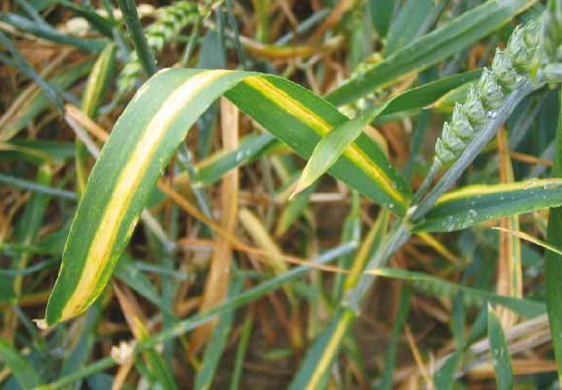
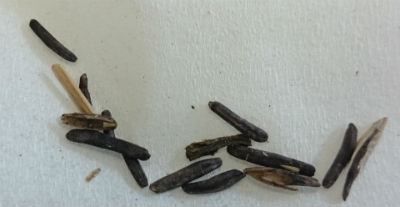
Cephalosporium leaf stripe is an increasing problem on farms in Scotland where wheat is grown on short rotations. Incidences of the disease have increased in recent years as a consequence of changes in cropping practice and weather patterns, in particular rainfall. Read more here.
Yellow Rust
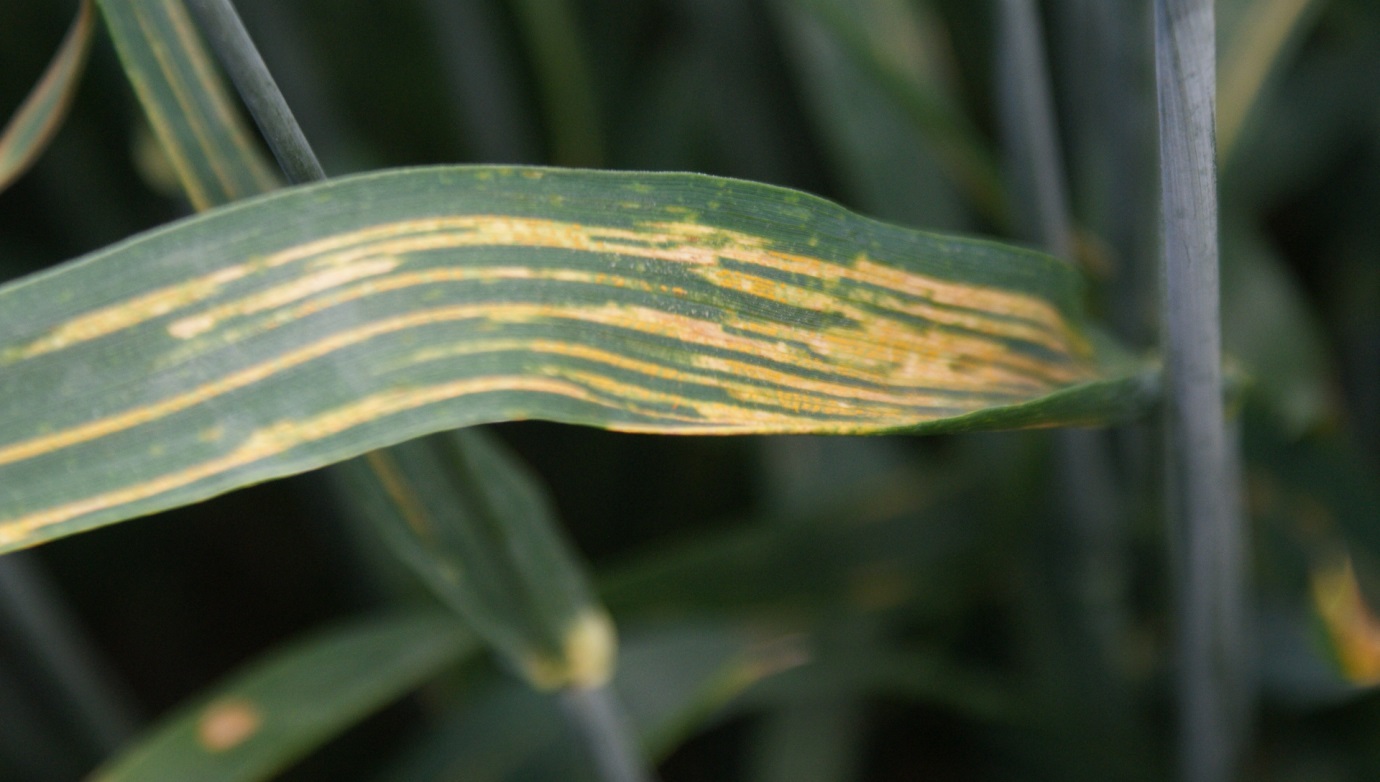
Yellow rust is a major disease in wheat. Typical symptoms comprise small yellow pustules on the leaves. They commonly form in lines along the leaf. Look out for small pockets of affected plants in the spring. In severe cases, the leaves will appear bleached. Read more here.
Further Information
Further Information
Septoria tritici
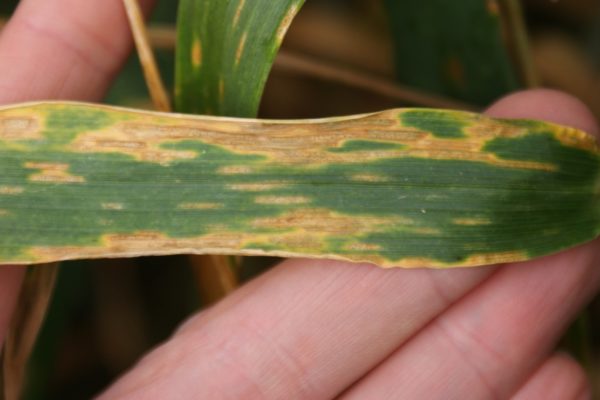
Septoria tritici is currently the major disease in wheat. Although more resistant varieties, including Robigus have recently been added to the HGCA Recommended List, many varieties remain susceptible, including Consort. Issues concerning fungicide resistance have made it more of a challenge to manage in susceptible varieties.
Further Information
Common Eyespot
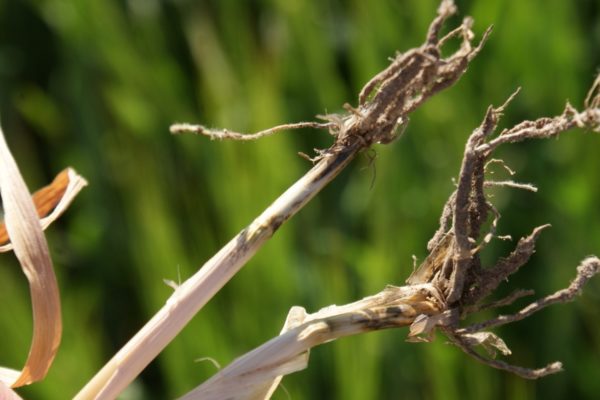
Common eyespot is a fungal disease which attacks the stems of winter cereals. Winter wheat is affected most, but winter barley can also be affected. Spring crops and winter oats are not so badly affected by this disease.
Fusarium
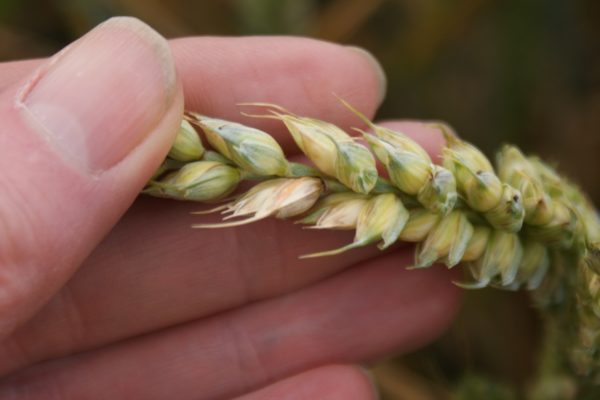
Fusarium (Microdochium nivale) can have a big impact on the emergence of crops. It is a seed-borne disease which affects winter-sown cereals. Wheat is affected most, followed by oats then barley.
Further Information
Sign up to the FAS newsletter
Receive updates on news, events and publications from Scotland’s Farm Advisory Service