
Livestock Productivity - Sheep
Sheep health has been identified in research as one of the top ways that Scottish farms can reduce their carbon footprint, as well as providing clear benefits for animal welfare as well as productivity. Alongside guidance on breeding management and optimising grass, this section provides technical guidance on options for reducing carbon in sheep enterprises.
Below are some areas where farmers can often make small changes in management that will collectively result in improved flock productivity.
More information on Sheep Production is available from our Livestock section.
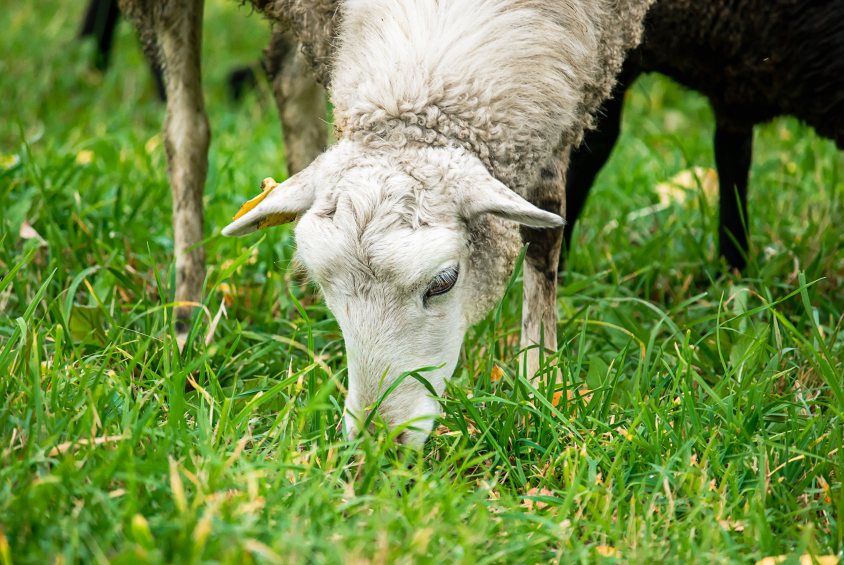
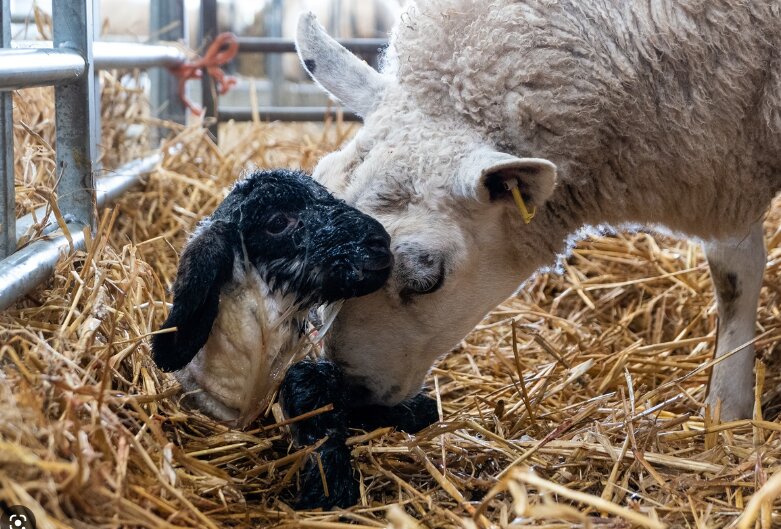

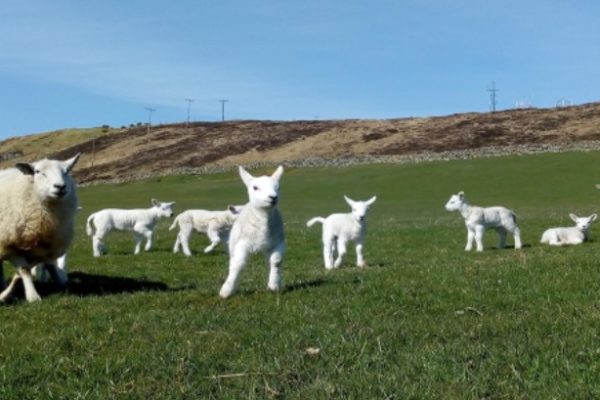
Grazing Mini Series - Grazing Principles for Productive Flocks
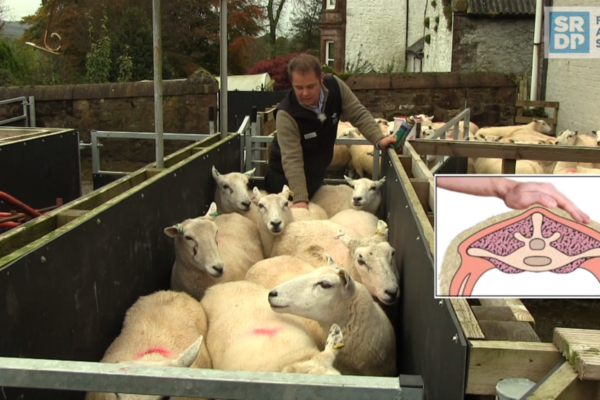
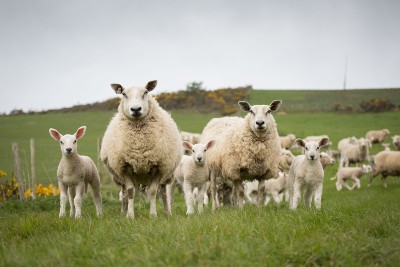
In this webinar, recorded 26th May, Poppy Frater and Daniel Stout of SAC’s GrazeUp discuss the core principles of effective grazing management to optimise pasture growth and utilisation, maintain pasture quality through the seasons and promote ewe and lamb performance.
Advances in AgriTech: Research in Genetics to Reduce Sheep Methane Emissions
Advances in agritech are enabling researchers and industry partners across the UK to breed sheep with lower methane emissions, without sacrificing the production traits farmers rely on. Nicola Lambe from SRUC's Hill and Mountain Research Centre introduces the project and explains why adding new traits to reduce the carbon footprint of the national flock matters for the future of the industry. The technology being used includes:
- Electronic feed bins with EID tags — automatically record individual feed intake for each sheep
- Portable accumulation chambers — measure methane emissions from individual animals
- GPS collars — monitor grazing behaviour on the hill
Sign up to the FAS newsletter
Receive updates on news, events and publications from Scotland’s Farm Advisory Service