
Crops and Soils
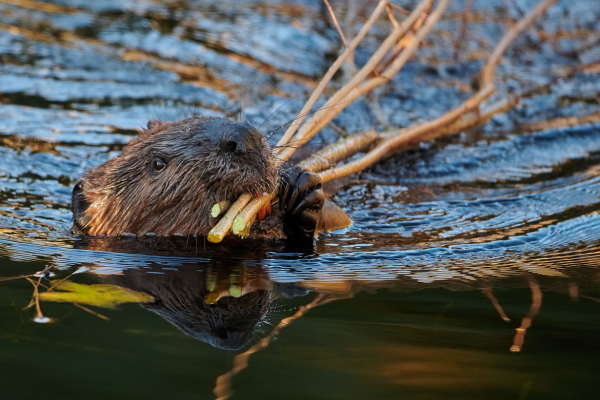
Beavers and Water Resilience: A Natural Ally for Arable Systems?
Heatwaves, drought and water scarcity are no longer occasional challenges for arable farmers: they are becoming defining features of the growing season. The UK has already experienced multiple heatwaves in 2026, with drought conditions affecting large areas and wildfires reported across Scotland and Europe. For growers, the implications are clear: reduced yields, tighter margins, and increasing pressure to…
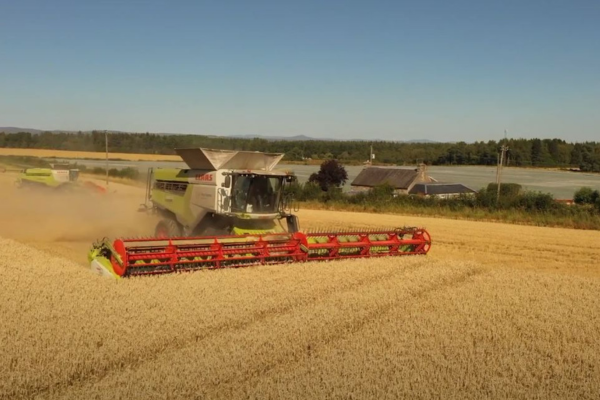
Business and Policy August 2026 – Arable
For much of the past year grain markets have struggled to find any real direction. Large global harvests, comfortable stocks and generally favourable growing conditions across the world’s major exporting regions have kept buyers relaxed, leaving prices under pressure and many growers questioning what it would take to generate a meaningful recovery. Over the past few weeks, however, the…
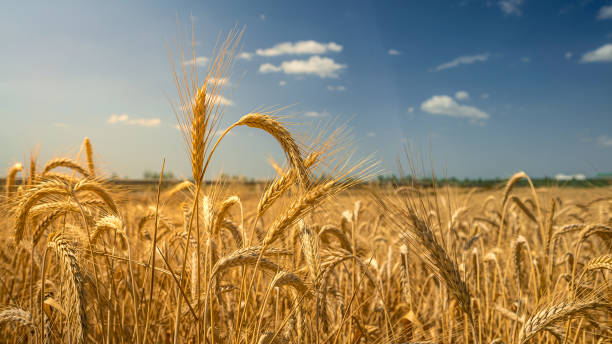
Spring Barley – Harvest 2026 Prospects
Spring barley crops enter the final month before harvest, facing one of the most significant shifts in market fundamentals seen for several years. After a prolonged period of oversupply, Scottish and UK growers have responded decisively by cutting spring barley area, particularly in Scotland where plantings are estimated to be down by around 16% compared with last season. The…
El Niño – Why a Pacific Weather Pattern Matters to UK Grain Markets
As harvest approaches, grain market analysts are once again paying close attention to developments in the Pacific Ocean. The reason is El Niño, a naturally occurring weather pattern that, despite originating thousands of miles away, can have a significant influence on global grain markets and ultimately farmgate prices here in the UK. El Niño occurs when sea surface temperatures in…
Business and Policy July 2026 – Arable
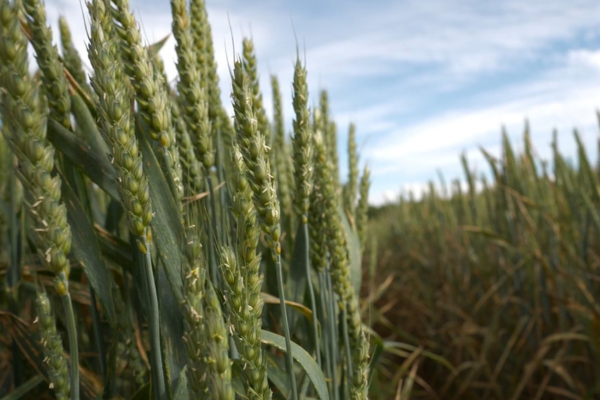
Market overview After several weeks of subdued trading, grain markets have finally found something to get excited about. The intense heatwave stretching across much of Western and Central Europe has forced traders to reassess crop potential, particularly for maize and later-developing spring crops. Prices have responded accordingly, with European futures recovering sharply from recent lows. The…
Managing Arable Crops for Soil Carbon
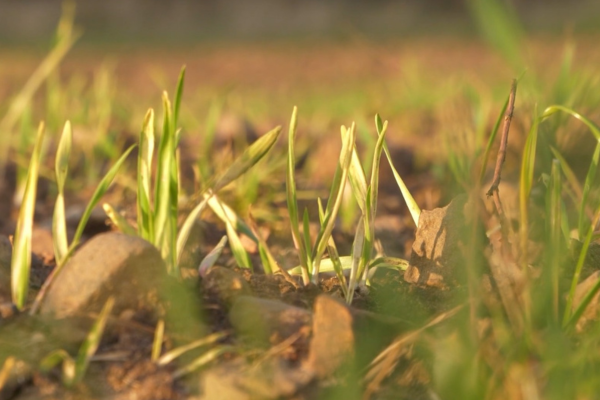
This article draws on insights from the LUNZ Hub “Talking Heads” series, based on an interview with independent soil and plant health educator Joel Williams, alongside contributions from Ellen Fay and Professor Pete Smith. It distils key lessons on how soil carbon is formed, stored, and managed in real farming systems. Soil carbon is increasingly…
Grant Funding to Support Fuel-Efficient Choices
Global market pressures mean fuel costs remain high, with no clear timeline for when they may ease. In the meantime, it’s vital for farm and crofting businesses to focus on improving fuel use efficiency wherever possible. Even small adjustments to day-to-day operations can reduce consumption, and modest percentage savings can quickly add up to meaningful…
Business and Policy May 2026 – Arable
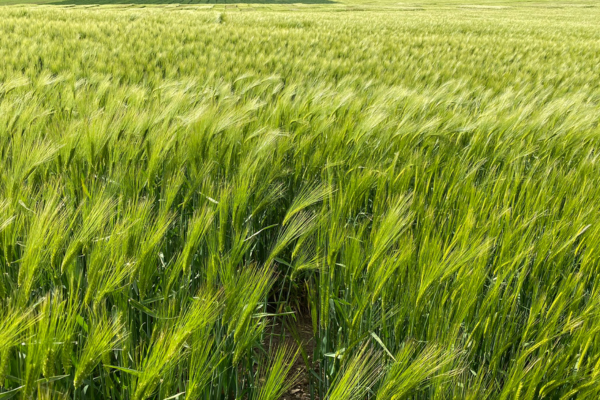
Market overview Nearly eight weeks after the onset of conflict, markets are increasingly factoring in the possibility of a diplomatic resolution. This shift has eased some of the extreme risk premium, particularly in energy markets, with oil falling back towards $90/barrel from highs near $120. However, this still leaves oil values more than 30% above late-February levels,…
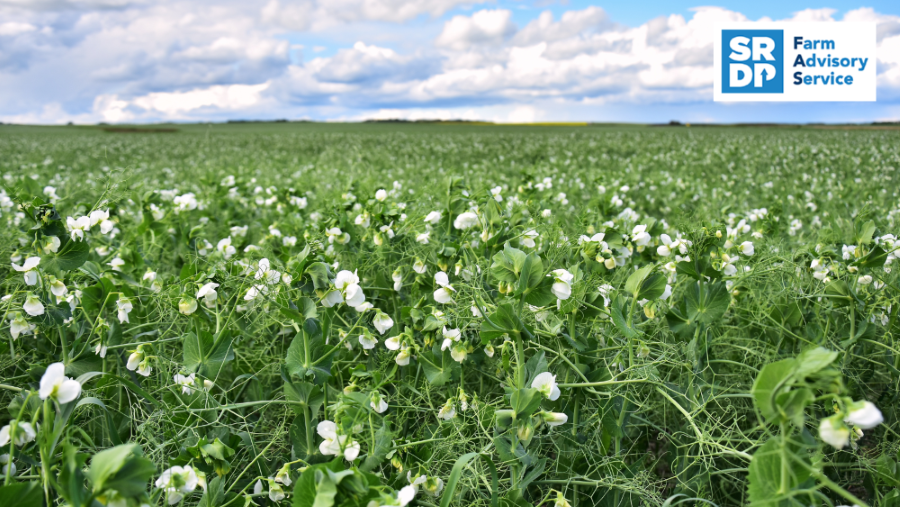
Funding to Support the Introduction of Legumes
Adding legumes to your crop rotation can bring significant advantages for your farm or croft’s production and the environment. These crops have the unique ability to draw nitrogen from the air and convert it into a form plants can use—eliminating the need for synthetic fertilisers. Even after harvest, legumes enrich the soil by leaving behind…
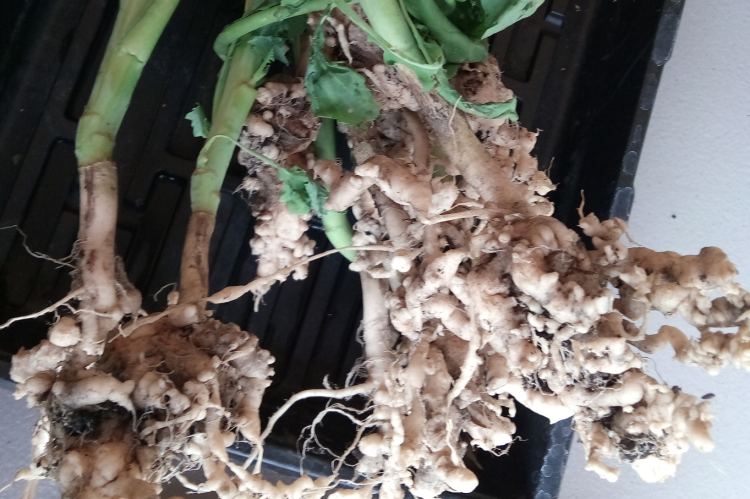
Positive Early Results In Sustainable Control Of Clubroot Using Chitinous Food Waste
In the UK, clubroot is a major problem for oilseed rape cultivation. It is one of the key factors contributing to the decline in oilseed rape cropping, as farmers struggle to manage its long-term effects. Around 52% of oilseed rape fields are estimated to be infected, highlighting how widespread the issue has become. The impact…