
Lambing
Lamb Castration Consultation
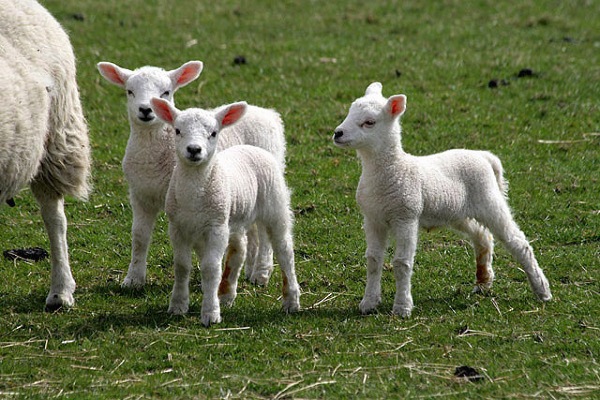
Defra has opened a UK–wide consultation inviting sheep producers and the wider industry to share their views on the proposed changes to the rules for lamb castration and tail docking. The aim is to improve animal welfare by reducing unnecessary pain and ensuring methods and timings are aligned with the latest scientific evidence and practical strategies…
Ewe Milk Replacer Factsheet
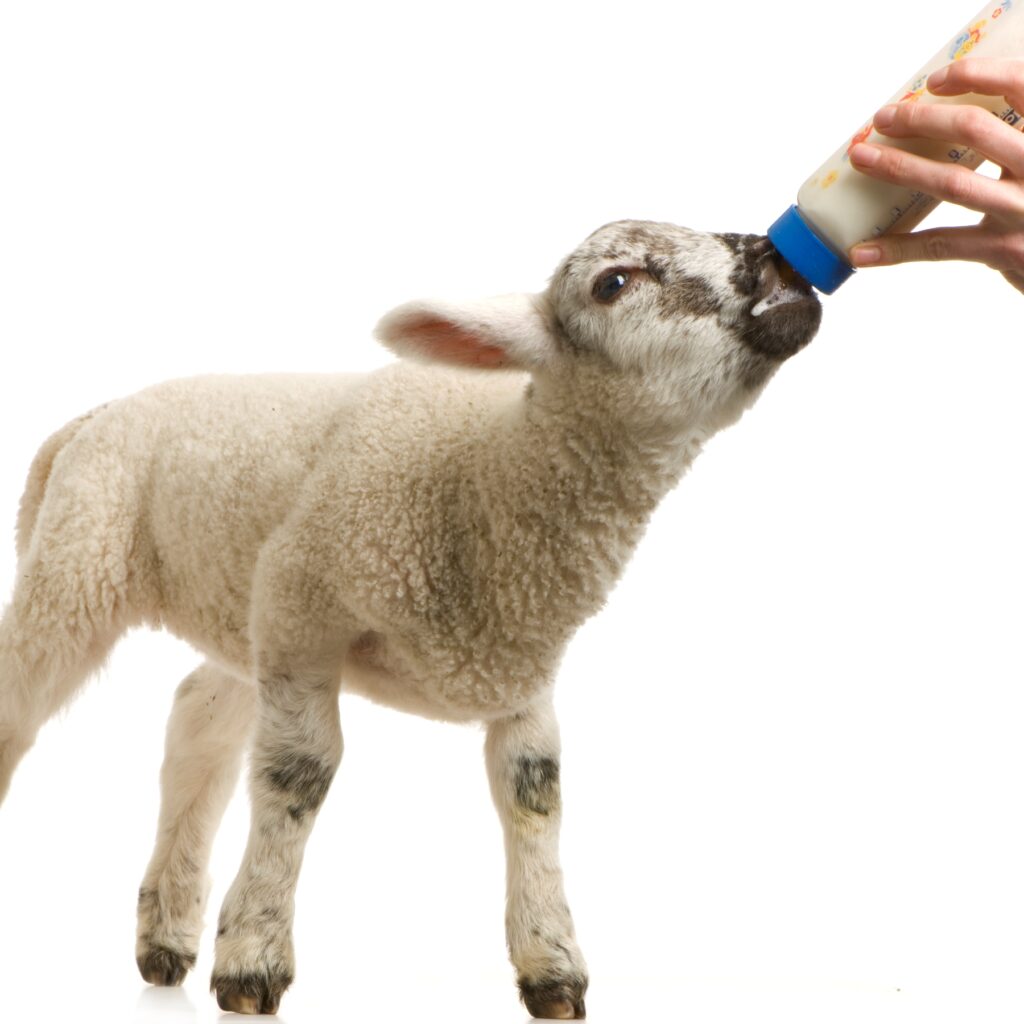
Surplus lambs are an inevitable part of lambing time and there are several reasons why lambs need to be artificially reared. Once the decision has been made that a lamb needs to be artificially reared, it is important it has the best possible start, whether it is to be sold or reared on the farm….

Crofting Matters – Changes to Improve Welfare of Lambs
A game changer for sheep on hill grazings? It’s very tricky to castrate and tail lambs within 7 days unless lambs are born inbye. Could two new techniques, that allow castration and tailing up to 3 months of age, not only reduce pain levels in lambs, but allow better and easier management on commons and…
Sheep Worrying Advice for Lambing Time
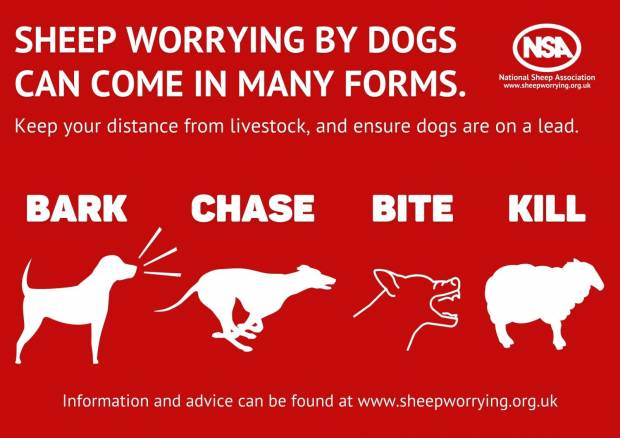
Updated 18th March 2026 Reports of dog attacks on sheep, seem to be a common occurrence in the media. Dog attacks can result in serious injury or death of the ewe and their lambs, and these can be prevented by dog owners being responsible in the countryside. Worrying of sheep has serious implications to animal…
Choosing the Best Quality Colostrum Replacer
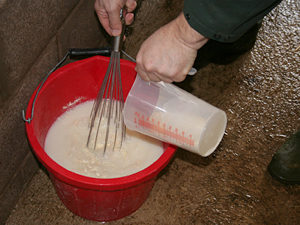
Colostrum is always a key part of any sheep farms lambing supplies list. Lambs are born having had no antibodies passed from the ewes placenta meaning they have no protection from pathogens at birth. For this reason, lambs are entirely reliant on the passive immunity of antibodies through the first milk of the ewe (colostrum)….
Lambing Equipment Checklist – Are You Ready For Lambing To Start?
Lambing is one of the busiest and most stressful times of the year, being well prepared is essential for a successful lambing season. Make sure that your lambing kit is ready with these must have items.
Bloat In Orphan Lambs
A year of high numbers of lambs being born, inevitably means orphan lambs being reared. One of the most common reported problems for these lambs is abomasal bloat (tympany), which is caused by harmful bacteria in the stomach that feed on the lactose, which often gains entry with unhygienic conditions and hot milk.
Stay Clean, Stay Safe
Most farmers will be aware that sheep and lambs can carry organisms which can be responsible for disease in humans. The specific threat to pregnant women from aborting sheep at lambing time is probably the most familiar issue. However, sheep can also carry organisms which could make anyone unwell, and it’s sensible to consider these risks as you go about your work.
Ewe Condition Through Lactation
Many will still be amid, or looking forward, to this year’s lambing, we hope it goes smoothly, but we also want to raise awareness of how management in lactation could influence next year’s lamb crop.
Ewes Lambing and Time of Day
In order to reduce staff hours, particularly for those that find themselves short-staffed during this time, some may ask whether we can be more targeted with lambing surveillance by utilising knowledge of when ewes lamb and what influences this. Most ewes lamb during daylight hours, but management will affect when peaks occur. Feeding The evidence…