
Rodenticide Rule Changes are Coming in January 2026
4 December 2025If you are a farmer or grower relying on professional rodenticides to control vermin, you will be required to have certification to buy or use these chemicals from 1st January 2026 with no exceptions.
This article will take you through the reasons for this change, as well as what you need to do to be compliant, as well as how you can potentially avoid the need for rodenticide on your farm in the first place.
Changes to rodenticide use
The changes come from The Campaign for Responsible Rodenticide Use UK (CRRU UK). The agricultural industry is improving how rodenticides are used to ensure that products are only used by trained professionals, effectively and safely.
At the point of purchase, you will need to provide proof of certification which can come in two forms. The first being a CRRU UK- approved training certificate which has been achieved in the last 5 years. Alternatively, A CRRU UK – approved certificate that’s older than 5 years alongside a current membership in a CRRU-UK approved CPD scheme is accepted.
LANTRA and LODI are running both in-person and online training courses to achieve certification.
Increased risk of rodents this winter
Rodents pose a significant risk to human and livestock health, have the potential to transmit diseases, and contaminate and consume feeding on farm. Studies have shown that an infestation of 100 rats on farm could eat around 600kg of feed in 6 months.
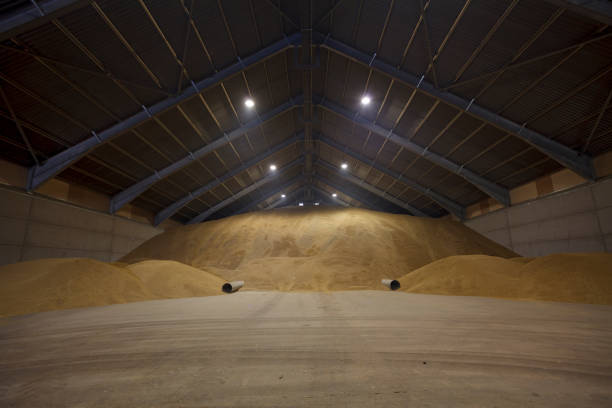
The harvest season came early this year with some crops harvested up to a month earlier than usual. A significant number of barley crops have failed to meet malting specifications and the oversupply has resulted in the price of feed barley falling. Many livestock farmers have taken advantage of the lower prices and purchased feed barley in bulk this year. As a result, there are a number of pest control companies reporting a surge in rat infestations due to an increase in the volume of grain stored on farm.
As we move into the winter months, rodents become a more prevalent issue on farm as they seek shelter, food and warmth. Under ideal conditions population levels can spike if they are not controlled.
Preventing rodent infestations
Rodent infestation is better prevented than removed. Here are several methods you can put in place on your farm:
- Storing grain in feed bins and silos where possible, will limit feed contamination and the volume of grain lost.
- Keeping sheds and yards clean and tidy will also limit the risk of rodents coming on farm seeking food sources.
- Rodent proofing buildings that are used to store feed can be helpful and achieved by sealing entry points.
- Spraying wires with anti-rodent spray can protect machinery from rodent damage and limit the chance of a fire.
- Keeping water troughs out of reach of rats can also be a deterrent as they will move on to find another water source. This can be done by raising the trough, installing rodent-proof barriers and removing access ramps such as a nearby stones or deep bedding.
- Farm cats are another useful tool for pest control, and the likes of Cat Protection often have cats suited to farms and outdoor living.
Sign up to the FAS newsletter
Receive updates on news, events and publications from Scotland’s Farm Advisory Service