
Feed and Forage [DA.FF]
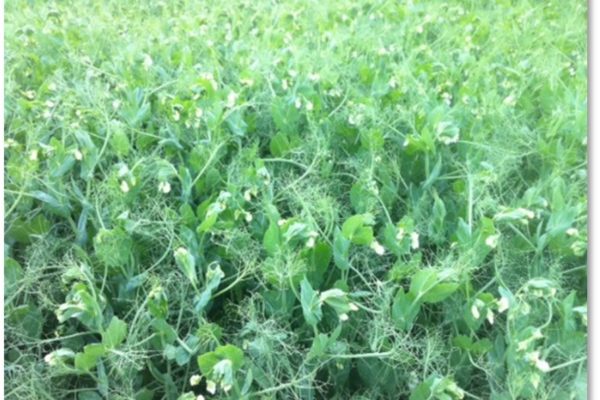
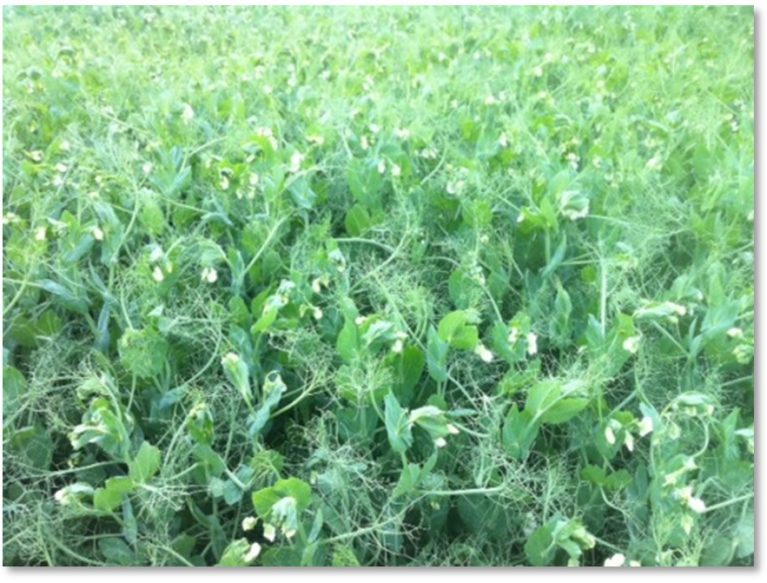
Forage Peas: An Alternative Source of Protein
The recent volatility in cost and availability of supplementary protein sources has meant dairy farmers have begun growing their own home-grown protein sources, in particular forage legumes. Legumes are popular…
Read More >
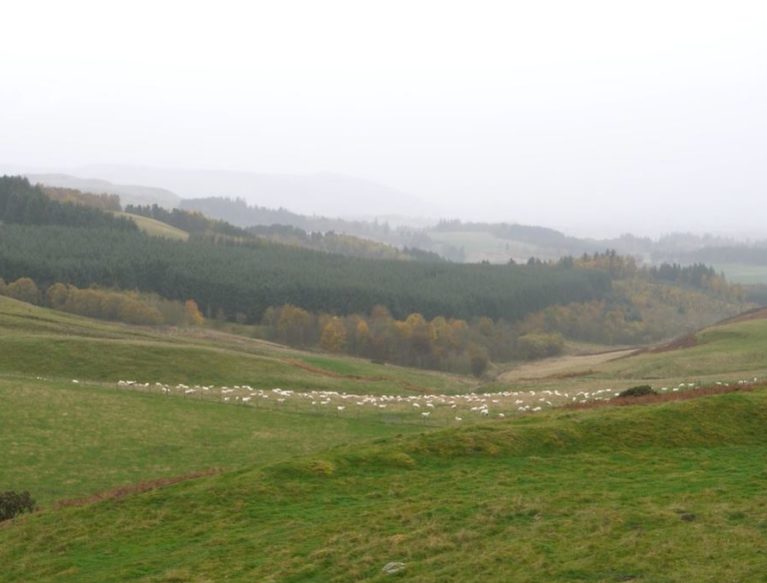
New Entrants – Getting Started with Rotational Grazing
Rotational grazing increases the grass ultilisation on farm and leads to greater production of meat, milk, and wool per hectare, while also reducing feed and fertiliser requirements. In this video…
Read More >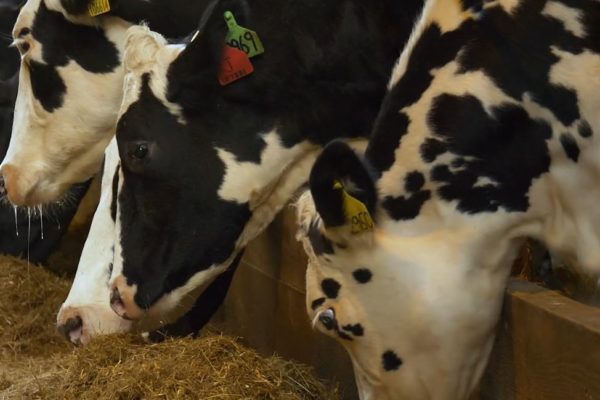
Dry Cow Nutrition for a Successful Transition into the Milking Herd
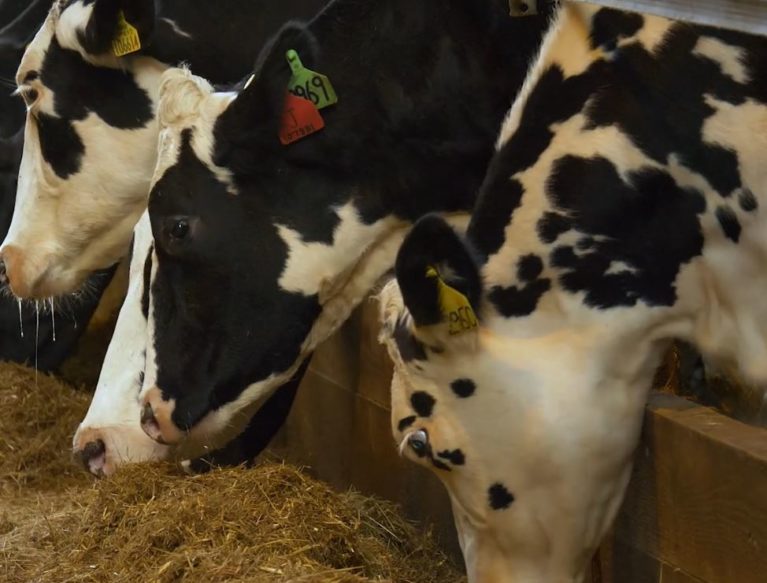
This video focuses on the importance of nutrition of dairy cows during the dry period and covers targets for body condition score, energy and protein intake and mineral nutrition. Nutritional…
Read More >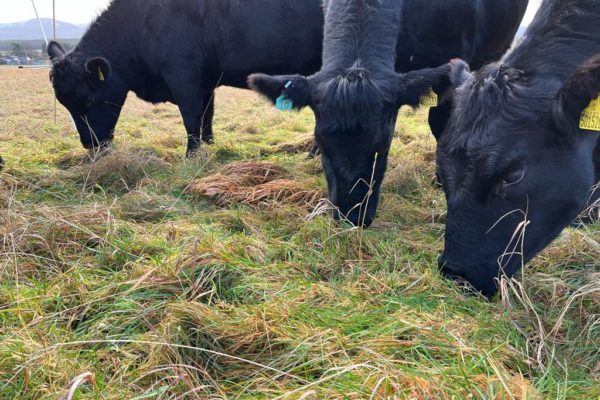
Grazing for Profit and Biodiversity: Deferred Grazing
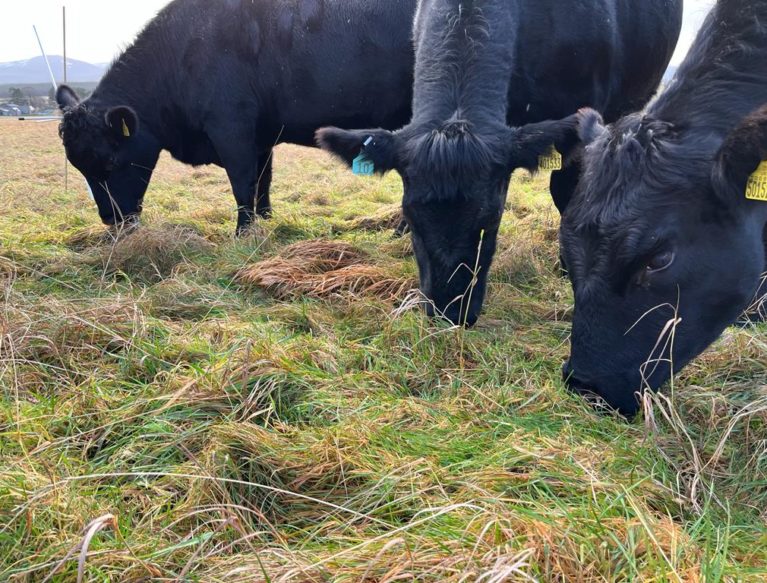
Deferring (setting aside) pasture in the summer for grazing in the winter months provides the opportunity to outwinter cattle with significantly reduced winter costs (cost of conserving grass into silage…
Read More >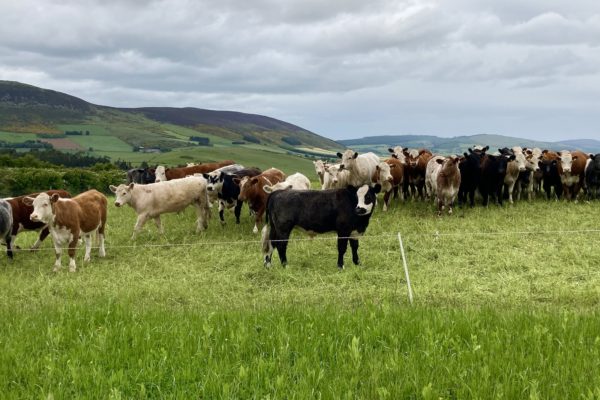
Grazing for Profit and Biodiversity: Grazing Strategies
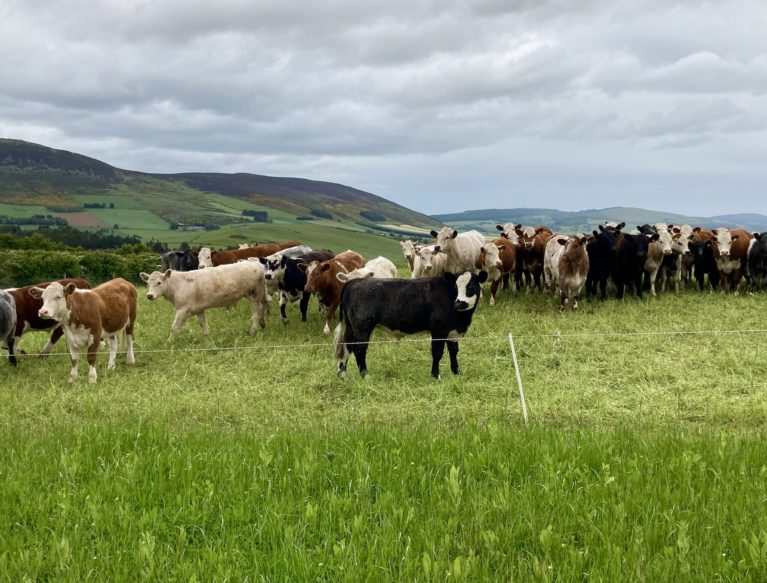
Equally important to both profit and biodiversity as pasture composition, is the way in which we graze the pasture with livestock. Grazing duration, intensity and rest impacts profit drivers (pasture…
Read More >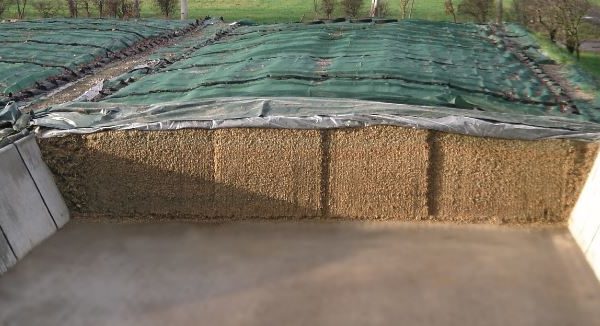
Maximising Silage Quality
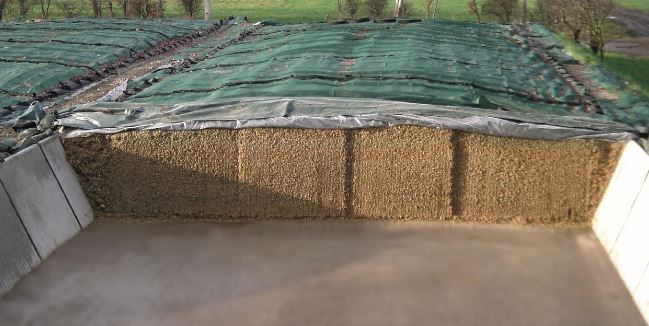
With silage time upon us, it is worth thinking about the key steps in the silage making process to maximise nutritional quality and minimise nutrient losses as much as possible.…
Read More >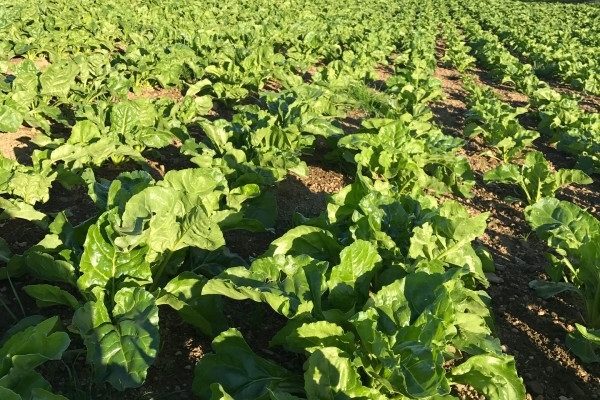
Forage Crops Mineral Fact Sheet
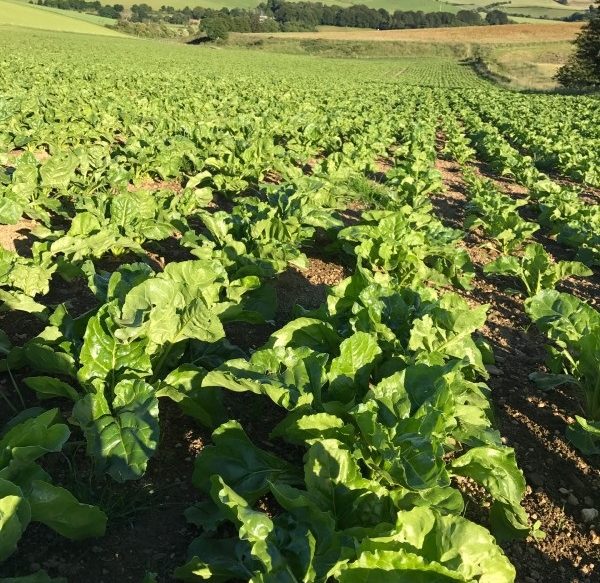
Nutritionally forage crops are an excellent source of energy and good source of protein (although root crops tend to be at the lower end). This fact sheet will focus on…
Read More >