
Key Learnings And Takeaways From The Natural Capital Podcast In 2025/26
27 March 2026The Natural Capital podcast series explores the role of natural capital in Scottish agriculture and rural economy. Natural capital refers to the soils, water, air, plants, wildlife and ecosystems that support agriculture and provide essential benefits to people and nature. These assets generate ecosystem services like food production, flood protection and carbon storage that underpin economic and social wellbeing.
The series highlights the importance of recognising these natural assets, measuring their value, and integrating them into everyday decision making. It covers issues ranging from farm management to the latest research and national policy. By understanding nature as a form of capital, farmers and land managers can better protect and invest in these resources, supporting both environmental sustainability and long-term economic resilience.
Over the past year some key messages and practical tips have courtesy of our guests. This article collects them all into one place, along with their related episodes.
Nature Has Value In Scotland’s Economy
Across the discussions, a central message is clear: natural capital underpins Scotland’s economy far more than most people realise and many of our assets are unique and irreplaceable. We need to treat natural assets (including soil, water, biodiversity, pollinators and peatlands) like core business infrastructure and build them into decision planning.
The Scottish Government report discussed in Natural Capital - The Importance of Natural Capital to the Scottish Economy | FAS states that £40bn (14%) of Scotland’s economic output and 260,000 jobs rely directly on natural capital and only 27% of ecosystem services could theoretically be replaced with engineering solutions; meaning nature is overwhelmingly irreplaceable.
While difficult to fully value and put a figure on, many of the services and benefits we get are priceless and we need to fully understand the economic impacts we are having on the environment. This is becoming increasingly important as our climate changes.
It Is Possible To Gain Financing Through Natural Capital
There is a concerted effort to invest in natural capital and translate ideas and strategy into meaningful actions. Several policies, drivers and frameworks are in place or emerging to do this. There are clear examples of commercial demand from businesses following disclosures and reporting requirements to address carbon emission, biodiversity and other metrics in their values chains, requiring investment in nature positive initiatives. There are also several Scottish Government and public sector programmes and policies supporting them to help achieve national targets.
A key theme that emerges in the podcasts is that it’s possible to enable the flow of private capital into nature restoration at scale either on its own or through blending with public money. The podcast has showcased examples and case studies of this in action, highlighting collaboration across sectors to accelerate Scotland’s natural-capital market.
- Listen to Natural Capital - Galvanising Change through Natural Capital: James Hutton Institute
24:54 – 36:34 Paying for carbon, natural capital markets, opportunities and risks
Natural Capital Is a Core Farm Business Asset
Natural capital is not separate from farming, it underpins productivity, resilience and profitability. The episodes and guests consistently frame nature as an investment, not a cost and the need to treat land, soil and ecosystems as long-term assets that protect future income, not short-term trade-offs. This includes discussion that diverse, nature-friendly land management builds resilience against threats including climate shocks, yield variability, price volatility and market pressures. Small steps to implement resilience measures, regenerative agriculture or restoration can help reduce inputs and ensure long-term stability.
- Listen to: Nature is good for business: Natural Capital - Galloway and Southern Ayrshire UNESCO Biosphere OPIN
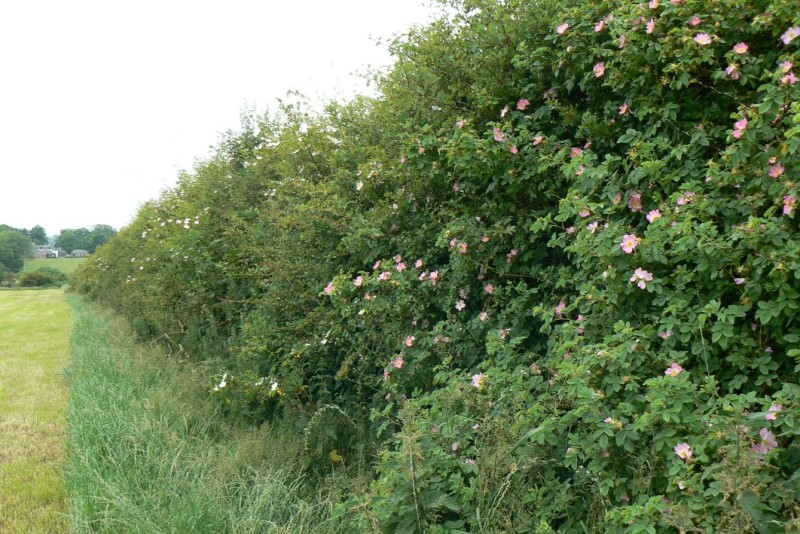
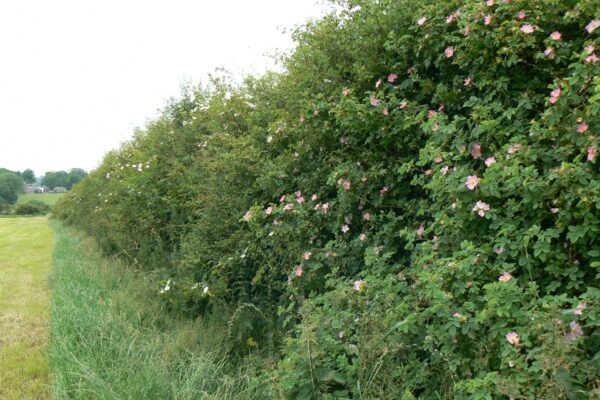
Healthy ecosystems are a core part of farm and landscape productivity and are deeply linked to natural capital outcomes. Many have hidden biodiversity value, whether in fungi, soil microbes and the hidden networks below our feet, to linear habitats in hedgerows, ditches and dykes.
It’s Important To Understand What Is Practical On Your Farm
No one understands your farm, land and future ambitions more than you. Not all ideas, technologies and measures available will be suitable for every farm, but understanding what is out there, what options or combinations of options suit you and learning from peers is a major advantage that can help you get ahead. Farmer-to-farmer learning drives adoption far better as sharing data, comparing results and testing small changes together can allow for risk to be discussed, reduced and managed while providing new learnings and takeaways to try on your own land.
Explore how different options, some of which are becoming commonplace or mandatory, such as regenerative farming, nature-based solutions, carbon audits, biodiversity baselining, soil and water sampling, wider landscape scale collaboration and diversification opportunities.
Understanding your land and community can help to fully maximise opportunities and avoid unintended consequences. Understanding of history, heritage and changes can help make better decisions for the future and be more informed about land restoration and management today.
- Learn how the Free Company have transitioned their farm: Natural Capital - The Free Company | FAS
- Go to 13:38 – 31:00 Management of land and our relationships with it in Natural Capital - The History of Scotland’s Natural Capital | FAS
Having Good Data Is Important
A foundational message is that natural capital begins with identifying, mapping and understanding the assets on your land, or within a landscape, such as soils, water, habitats and biodiversity. The importance of baselining and understanding the impact any improvements or interventions are having beyond just anecdotal, is increasing.
There is growing importance of tools and metrics for measuring biodiversity and ecosystem health, especially when economic returns or funding require evidential proof. New approaches to biodiversity monitoring technologies and ecosystem service assessments allow organisations to track environmental outcomes and make better management decisions. When you can measure it, you can manage it and good data enables smarter planning, targeted actions, and stronger funding/investment cases.
Carry out a simple baseline or natural capital audit of soils, habitats and ecosystem services before making management decisions. Explore tools, apps and support available (such as monitoring systems, biodiversity metrics, eDNA, mapping, landscape-scale data) that are making nature measurable and manageable. Map your farm or business’s local ecosystem dependencies (such as soil, water supply, pollination, flood protection).
- Listen to: Natural Capital - NatureMetrics: eDNA | FAS
The Benefit of Collective Action
Delivering natural capital outcomes at scale requires collaboration between farmers, businesses, scientists, policymakers and communities. Integrating knowledge from different sectors improves the design of projects and helps scale up nature-based solutions and create real impact. Engage with advisory services, research organisations and local partnerships to share knowledge and access expertise when implementing natural-capital approaches.
Landscape scale projects, community partnerships, and cross sector collaboration create lasting outcomes. Several episodes have covered this in detail, including offering practical insight into how collaborative, place-based solutions are helping unlock environmental outcomes at scale, to the mutual benefit of those living and operating in a landscape and implementing strategic land management actions that are good for natural capital and good for business.
Keep On Top of Policy Developments and Obligations. They Bring Opportunities
Policy, incentives and funding are helping to shape what’s possible. These can affect how land managers can act and it is advisable to keep on top of this evolving sphere to benefit from any new announcements. Several episodes unpack funding schemes and policy frameworks from AECS, to Nature Restoration Fund and PSF. Understanding and aligning with policy and future strategy helps the sector deliver on national targets and obligations, while maximising benefits and ensuring compliance.











Sign up to the FAS newsletter
Receive updates on news, events and publications from Scotland’s Farm Advisory Service