
Agronomy for EFA Herb and Legume Rich Swards
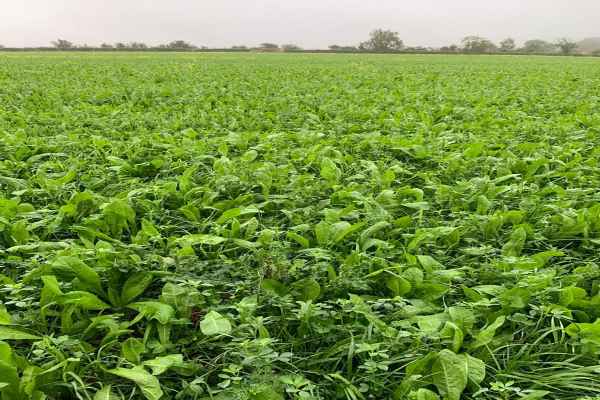
25 March 2026A new option under the Greening changes for 2026 includes establishing and managing herb and legume rich pastures. This article will explore the benefits of herb and legume rich pastures and look at specific management requirements, from selecting the right species, through to establishing and managing the sward.
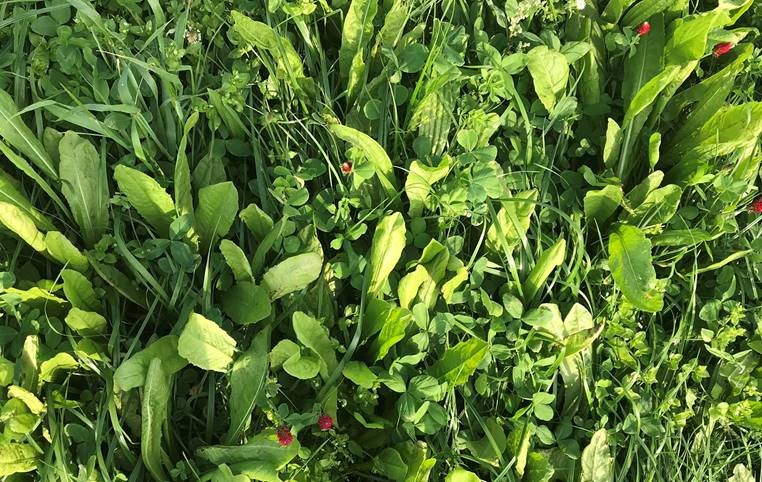
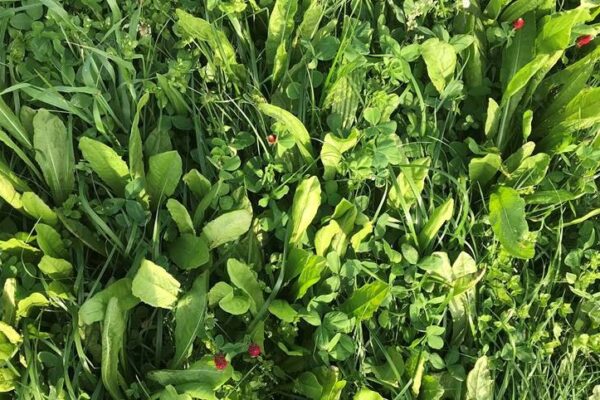
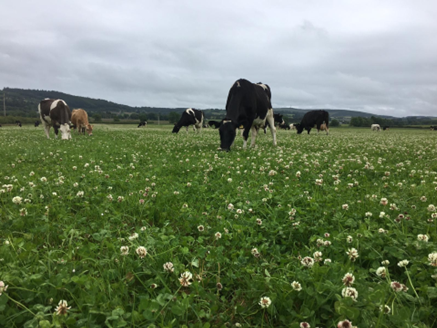
This option aims to increase diversity in rotational grass swards. The inclusion of a wider variety of plant species can improve soil health through a range of rooting depths, reduce reliance on artificial nitrogen with a greater inclusion of nitrogen fixing legumes and provide improved habitats for pollinators, wild birds and small mammals. Mixtures which include a broader range of plant species can also bring benefits for livestock health and performance.
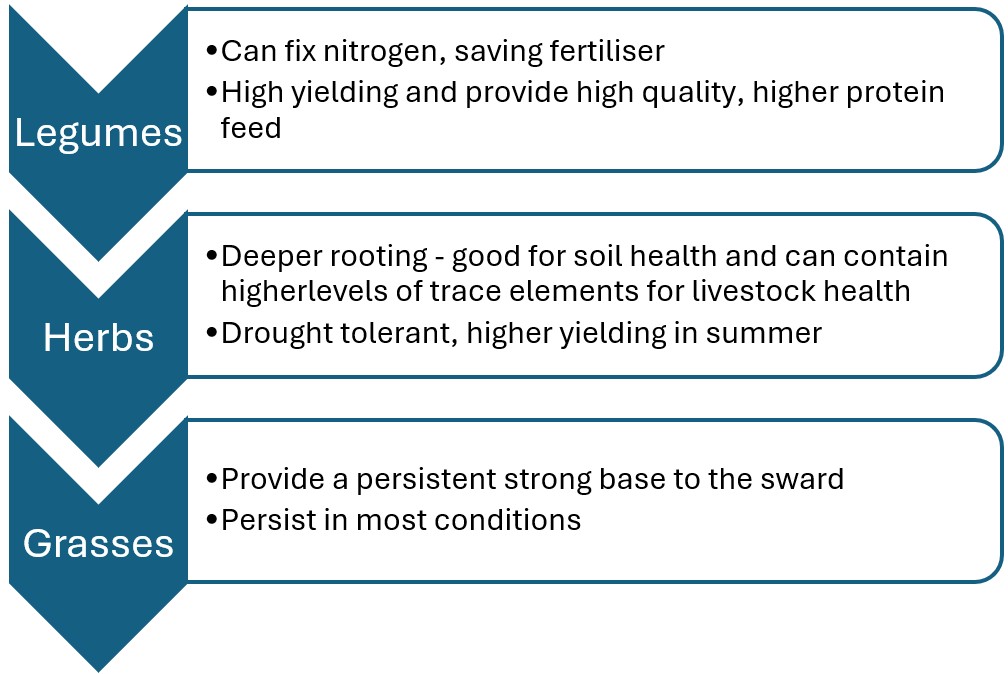
Including Herb and Legume Rich Pastures as part of your Environmental Focus Area (EFA) requires different management to grass only swards. Firstly, we must consider species selection, then look at establishment and management requirements.
Choosing the Right Species
To qualify for EFA, herb and legume rich seed mixtures must contain at least 3 herbs or legumes and at least one legume. The list of plant species which qualify can be seen in the table below:
| Legumes | Herbaceous Species | Grasses | |
|---|---|---|---|
| Legumes | Burnet | Common Bent | |
| Birds Foot Trefoil | Chicory | Crested Dogtail | |
| Lucerne | Poppy | Red Fescue | |
| Sainfoin | Yarrow | Sheep Fescue | |
| Red Clover | Plantain | Cocksfoot | |
| White Clover | Cornflower | Sweet Vernals | |
| Crimson Clover | Oxe Eye Daisy | Smooth Stalked Meadowgrass | |
| Sweet Clover | Sheep Sorrel | Yorkshire Fog | |
| Alsike Clover | Parsley | Creeping Bent | |
| Vetch | Timothy | ||
| Berseem Clover | Ryegrasses |
Your mixture can include more than 3 species of herb and clovers, and the proportion of grass can also be changed. It is important to consider your own farming system, soil types and rainfall when selecting these species as some will be less suited to heavier soils and higher rainfall areas. Grasses can provide a solid base to your herb and legume rich pasture, complementing the herbs and legumes.
The table below, ‘What’s in your Multi Species Sward’ taken from the DLF Multi Species Agronomy Guide 2022, provides more information on some of the species which could be included as part of your herb and legume rich pasture.
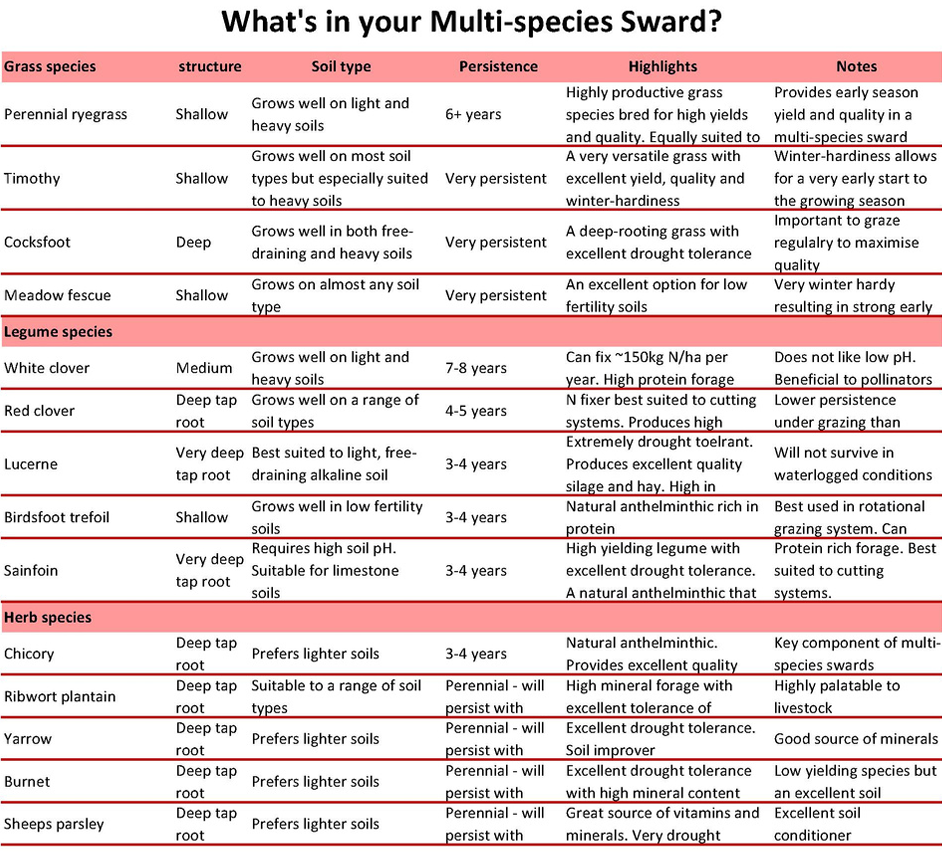
Many seed companies are already producing seed mixes which contain multiple species, alternatively you could work with your local seed merchant to prepare a bespoke mix for your farm.
Establishment
- EFA Herb and Legume Rich Pastures must be established on land classed as arable and claimed on your single application form. This option cannot be established into permanent grass.
- For 2026 the crop must be established by 1st July and maintained until at least 31st December – if successful the herbs and legumes can persist for 3-4 years.
- Choose species which are suited to your location and soil type and consider if the sward will be used for cutting or grazing.
- Legume and herb seeds can be very small which makes them slower to establish, and they can be less competitive against weeds and grasses. Ensure your cultivation or drilling method gives those small plants the best opportunity to germinate and grow without being shaded out. Seeds should be sown to a depth of 1cm and, if conditions allow, roll after sowing. Avoid fields with a heavy existing weed burden, as this may outcompete the new plants.
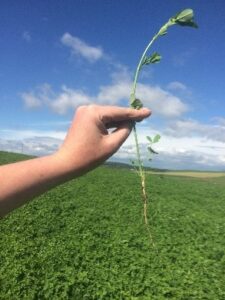 As with sowing all new crops, ensure the soil pH is appropriate – typically 6.2-6.5. Phosphate and Potassium levels should also be at a moderate status. Herbs and legumes can be particularly sensitive to low fertility.
- Sow when soil temperatures are 10 degrees and rising.
- Under EFA rules this crop can receive applications of lime, phosphate and potash, this includes applications of organic manures such as slurry and farmyard manure.
- Under EFA rules, herb and legume pastures cannot receive any inorganic nitrogen or herbicides for weed control.
- Soil analysis should be used when developing a nutrient application plan
Management
- For best results swards should be rotationally grazed. Constant grazing and grazing throughout the winter will reduce the persistence of many herbs and legumes.
- A grass cover of 4-6cm should be maintained throughout the winter to protect clover stems and stolon’s from frost damage.
- Avoid grazing in wet conditions as poaching can damage the crown on chicory and red clover plants, reducing persistence.
- Allow flexibility with grazing to reduce paddock size or increase stock numbers during periods of high growth to prevent herbs flowering and becoming unpalatable.
- A rest period of 21-28 days will be required to allow species to recover between grazing and promote persistence. Longer rest periods can benefit the development and persistence of different species.
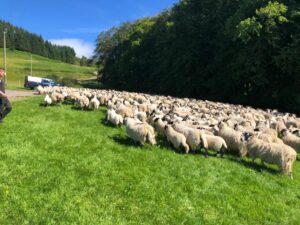
- Moving stock every 1-3 days will reduce the selective grazing of most palatable herbs and legumes which can result in reduced persistence from over grazing.
- Leave a residual sward length of 6cm after grazing and if cutting, only cut to 8cm. Grazing or cutting lower will result in plants taking longer to recover and being less competitive against weeds and grasses, reducing the persistence of the sward.
- Monitor clover content. Graze intensively then rest if more clover is required or take appropriate precautions if clover content is considered too high and stock are at risk of bloat.
- If managed carefully these swards could be maintained and claimed for EFA for multiple years.
Top Tips
- Get soil pH and P&K levels right before you sow
- Ensure herbs and legumes get enough sunlight to develop and grow without overgrazing
- Give your herb and legume pastures regular REST PERIODS to recover, develop roots and regrow after grazing
With careful management herb and legume rich pastures can provide a high-quality sward for livestock grazing whilst also fulfilling Greening requirements. Remember to read the full guidance to ensure you are meeting all the guidelines for Greening and Environmental Focus Areas.
Lorna Galloway, SAC Consulting
Further Resources


Sign up to the FAS newsletter
Receive updates on news, events and publications from Scotland’s Farm Advisory Service