
Alternative Protein Crops Overview
9 February 2026There has been a significant amount of research conducted in recent years to explore the potential of home-grown protein crops which may be viable in the UK. This article gives an overview to the soya issue, where the UK feed system is most exposed, and highlights emerging evidence on a range of alternative protein crops that could be grown in a UK climate.
Soyabean meal is a staple in many UK livestock sectors, making up an average of 9.2% of all livestock feed by tonnes, the largest users being poultry (meat) (21%), fish (13%), poultry (eggs) (11%), and pigs (10%). The high value and strong demand for soya has led to land use change in some countries where it is grown, becoming a major driver of deforestation (which accounts for 10-20% of global CO2 emissions caused by humans). Action is being taken in the UK to make sure all imported soya is guaranteed to be deforestation and conversion free (see the UK Soy Manifesto).
Home-Grown Protein Alternatives
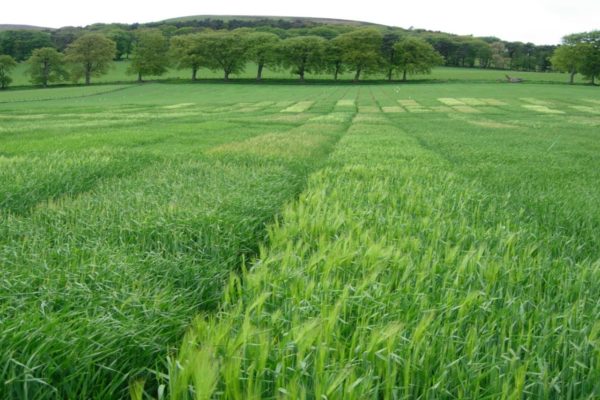
Against this backdrop, researchers and policymakers have been investigating home-grown, alternative protein crops which would decrease the UK’s reliance on imported soya. SRUC has been contributing to this effort, including through the Legumes Translated programme, which involved growing test plots of some of these crops and workshops with farmers and other supply chain stakeholders. There is burgeoning interest from arable growers, and these crop types featured in presentations and discussions at the 2026 SAOS conference on 22nd January. The following list provides an overview of crops which could be grown in the UK to displace imported soya.
Rapeseed meal
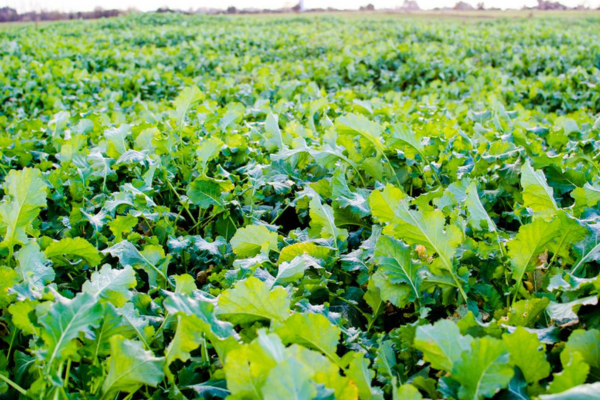
Also a by-product of oil extraction, with a moderate crude protein content (around 30–40%). Can partially replace soybean meal in livestock diets, though anti-nutritional factors like glucosinolates can limit inclusion levels, particularly for non-ruminants.
Combining Peas
High-protein legume (around 21–29% crude protein) that can substitute part of soybean meal in animal rations, offering good lysine levels and palatability, though protein digestibility may be slightly lower than soya.
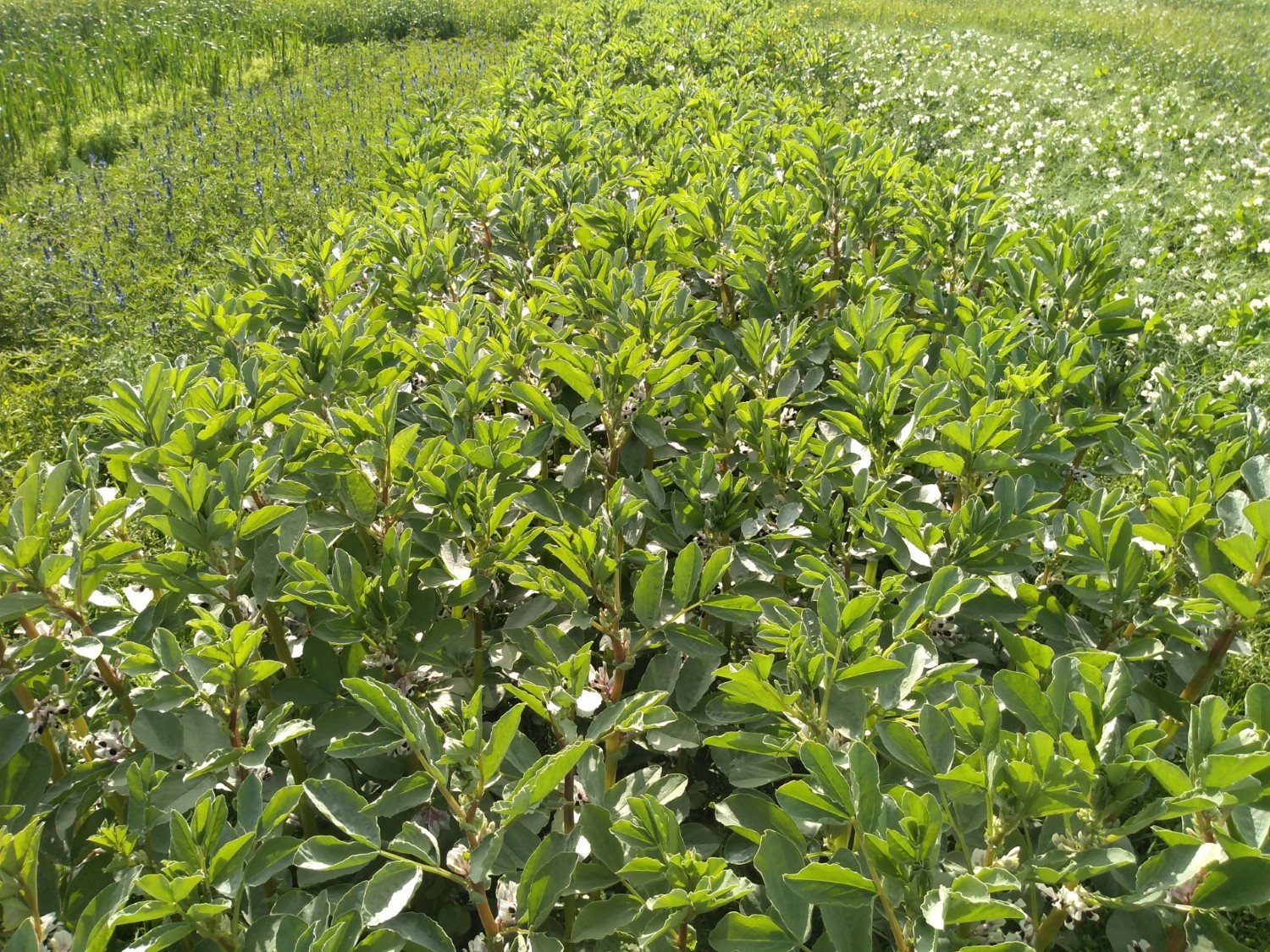
Field beans
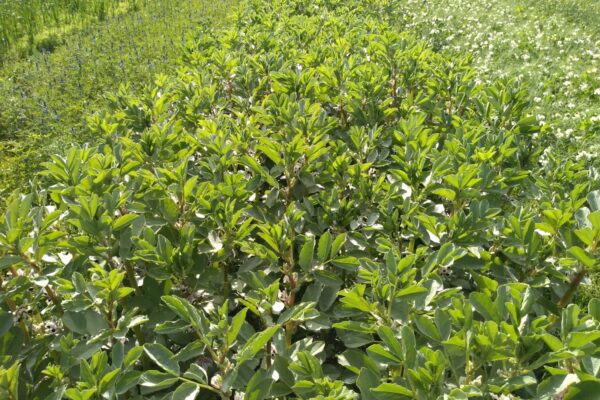
Fava beans provide substantial protein (~23–29%) and have been used as a feed ingredient that can partially replace soya protein, with an amino acid profile similar to peas.
Grain tailings (maize / wheat)
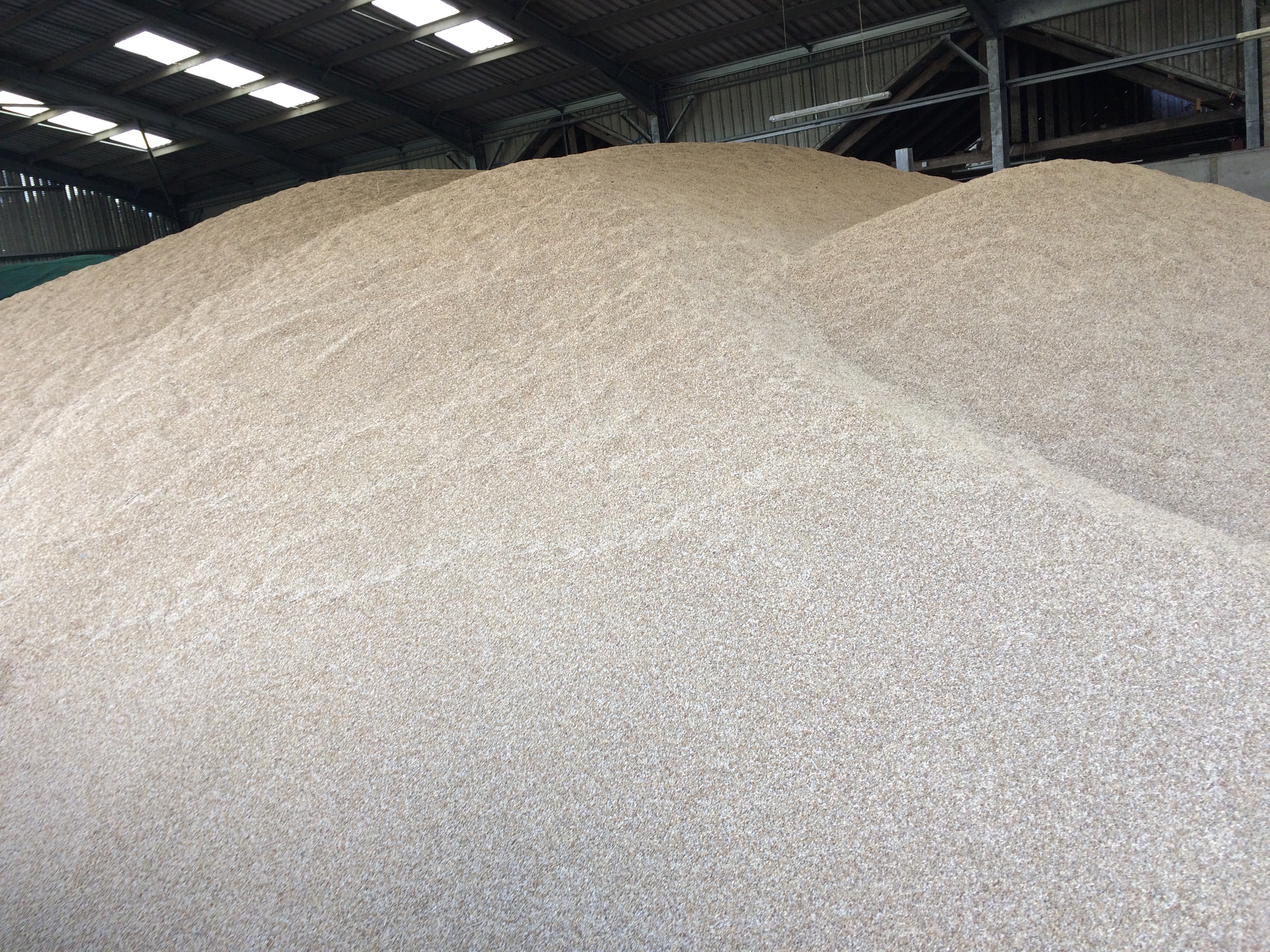
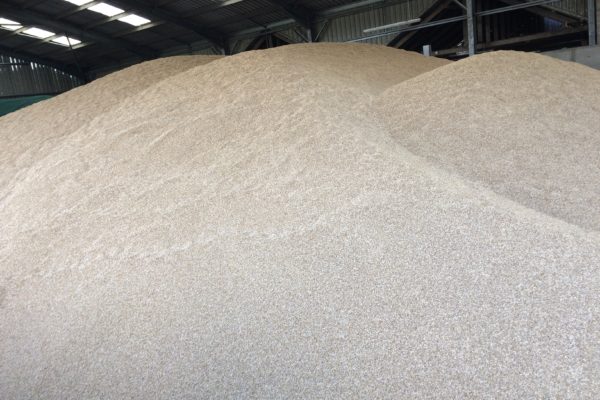
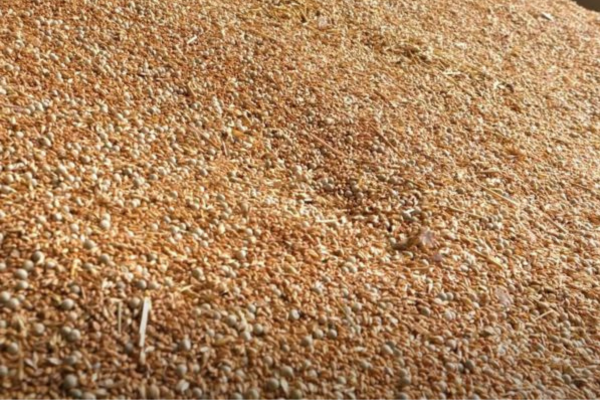
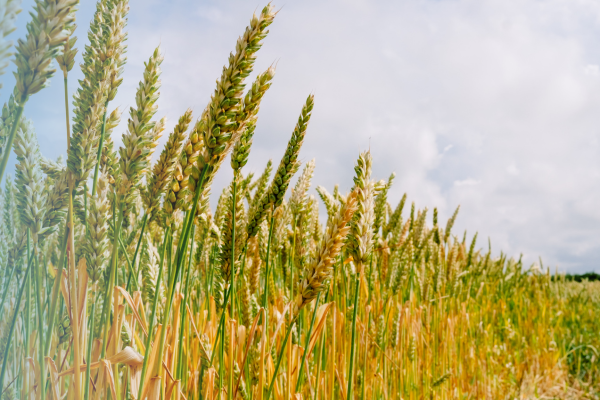
Grain tailings are residues from cleaning cereals such as wheat or maize that contain small and damaged kernels with elevated protein and energy levels compared with cleaned grain; these by-products can be fed to pigs and poultry as a low-cost supplement.
Lupins
Lupin seeds are protein-rich legume grains (often 32–42% crude protein) that fix nitrogen, making them an ecologically attractive alternative to imported soya; sweet (low-alkaloid) varieties are favourable for livestock feed.
Vetch
A legume with protein-rich seeds (~24–32%) and useful forage biomass that can be used as a feed component for ruminants and, at limited inclusion levels, monogastric animals; its use is currently limited by anti-nutritional compounds unless treated.
Duckweed
Duckweed (Lemna spp.) is an aquatic plant with high protein content (20–40%) and low fibre that can be cultivated on farm and has been shown experimentally to completely replace supplemental soybean in poultry (e.g., ducks) diets, offering rapid growth and low-cost production.
Hemp
Hemp seed and meal contain a well-balanced amino acid profile with all essential amino acids and low levels of anti-nutritional factors, making them a promising alternative plant protein for animal feeds.
Constraints to Uptake
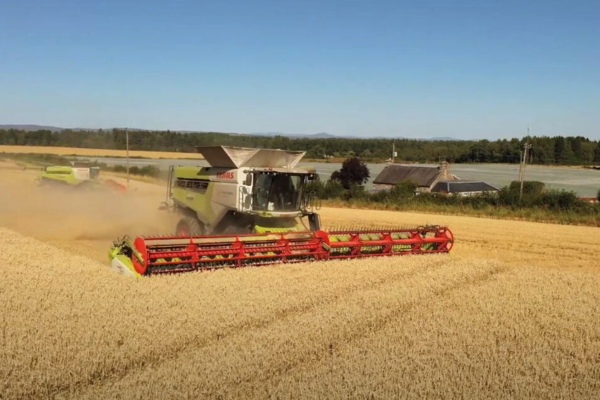
Across novel and alternative protein crops, a common set of barriers continues to constrain their ability to displace established feed ingredients like soya meal. High establishment costs and agronomic risk can deter growers, while harvesting is often more complex or less mechanised. Many crops face a lack of local processing infrastructure, limiting their suitability for compound feed manufacture and reducing market confidence. From a nutritional perspective, challenges around amino acid balance, nutrient density, and the proportion of digestible undegradable protein (DUP). These factors mean that alternative proteins rarely offer a simple one-to-one replacement for soya, with reformulation or supplementation necessary. Issues of palatability can further affect intake and performance, particularly in monogastric systems. These technical constraints interact with weak or uncertain market demand, creating a circular problem where limited uptake suppresses investment, and limited investment constrains uptake.
Stay tuned for future articles, which will explore each of these novel and alternative crops in greater depth, unpacking the specific barriers they face and the opportunities that could enable them to play a larger role in sustainable feed systems.
Brady Stevens, SAC Consulting
Brady.Stevens@sac.co.uk ; +44 131 603 7529





Sign up to the FAS newsletter
Receive updates on news, events and publications from Scotland’s Farm Advisory Service