
Business and Policy February 2026 – Arable
2 February 2026Heavy volumes weigh on markets
Markets had incorrectly presumed that the latest USDA report would report on tighter maize and soya bean stocks and broadly stable wheat inventories. Instead, the report, which was issued on the 12th of January delivered a clear bearish shock. The USDA significantly raised U.S. yields and harvested area, and published very large production figures for Argentina, Brazil, Russia, and China, while leaving consumption largely unchanged. As a result, global ending stocks rose well above expectations.
The report reinforced the prevailing reality of global grain markets, which is that supplies remain abundant across all major exporting regions. Prices continue to reflect record or near-record production despite heightened political tensions and increasingly volatile weather patterns. Some market participants have even questioned whether political pressure to keep U.S food inflation low has influenced the tone of the official data, but regardless of motive, markets remain sceptical and focused on fundamentals.
The global wheat balance sheet therefore remains heavy. Argentine wheat production was raised sharply to 27.5 Mt, up 49% year-on-year, while Russian output increased by a further 2 Mt to 89.5 Mt. World wheat demand rose marginally, but not enough to offset higher supply, pushing global ending stocks up to 278.25 Mt — the highest level in five years and 18 Mt above last season.
Eyes on new-crop risks
While the January USDA report confirmed that agricultural markets are still very well supplied; the market is moving towards the traditional spring weather period and attention is gradually shifting from old-crop balance sheets toward new-crop risk. Historically, this seasonal transition has been capable of reversing even deeply entrenched bearish trends. Indeed, weather has already introduced some near-term uncertainty. Extreme cold across parts of the U.S. Plains and Russia, with temperatures reportedly falling to –25°C, has raised concerns about winterkill. Analysts have warned that Russian production estimates could be revised lower if cold conditions persist.
U.S. winter wheat conditions are already deteriorating, while attention is turning to Argentina and Brazil during their critical February development period. Focus will soon shift to U.S. planting intentions and spring weather across the EU and Black Sea region.
Export competition, in general, remains fierce. Russia continues to hold its wheat export tax at zero to stimulate shipments; while Argentine wheat is proving highly competitive and has reportedly attracted buying interest from China. Despite ongoing hostilities, more than 100 Mt of grain has moved through the Black Sea corridor since September 2023, underlining the resilience of global trade flows.
The Mercosur trade agreement
European wheat prices remain under pressure from South American supply. The EU is struggling to export its surplus into key destinations such as Morocco, while farmer selling remains limited at current price levels. Political tensions persist, most recently with farmer protests against the proposed EU-Mercosur trade agreement. This is a comprehensive trade pact between the European Union and Argentina, Brazil, Paraguay, and Uruguay, aimed at creating one of the world’s largest free trade zones by eliminating over 90% of tariffs on bilateral trade. The deal could impact UK competitiveness, both in the livestock and cereal sectors due to the potential for increased availability of lower cost feed-grains from abroad.
As for now, UK grain markets are completing a third consecutive year of broadly bearish price trends. (Fig 1). Since 2022, sustained production growth, combined with aggressive export competition has capped rallies and prevented any lasting price recovery to help bolster farmer margins.
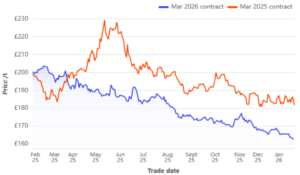
Fig 1. March 25/26 Futures contract compared (source Hectare trading)
Crop comment
Wheat
LIFFE May 2026 feed wheat futures stood at £166.65/t on 26th January, with November 2026 futures at £171.00/t: both slightly below earlier January highs. While dry U.S. conditions and Ukrainian and Russian frosts are being monitored, crop prospects for the 2026 crop in the ground remain broadly favourable both here in the UK and across western Europe
Barley
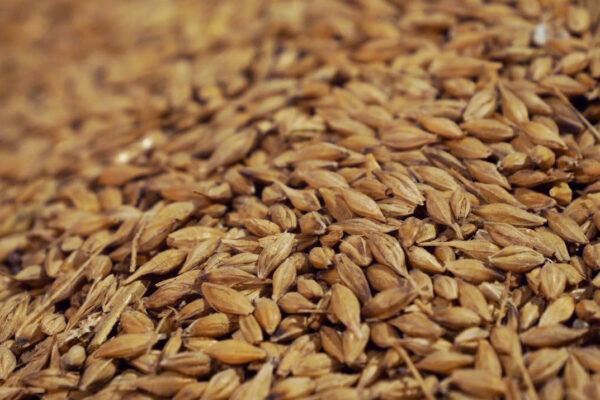
The UK barley market remains quiet. Although barley is discounted to wheat and continues to be used in feed rations, it remains uncompetitive for export. Malting barley demand is particularly weak across the UK and Europe, leading to delays in contract offers for 2026 and mothballing of some malting capacity.
Oats
EU milling oat prices continue to find support from export demand, particularly to Turkey, while China is pulling in supplies from the Black Sea region. In the UK, the pound’s exchange rate to the euro supports export competitiveness and with domestic prices now below export parity, the risk of further near-term price declines appears reduced. Low prices are however encouraging on-farm feed use, while poor margins are expected to reduce the planted area, setting the stage for a potential cyclical rebound later in the season.
Oilseeds
Oilseed markets are modestly firmer influenced by geopolitics, volatile currencies, and energy prices. MATIF rapeseed has struggled to break key resistance levels. Meanwhile, Chinese importers have booked 600,000t of Canadian oilseed rape for shipment following the Canadian Prime Minster, Mark Carney’s visit to Beijing earlier this month. China and Canada have agreed initial trade terms to cut Canadian tariffs on Chinese Electrical Vehicles, whilst lowering Chinese levies on Canadian rape. This, however, has incited ire from Donald Trump, who has threatened 100% tariffs on all Canadian goods and products entering the US, if the Canadians agree a comprehensive trade deal with China.
Mark Bowsher-Gibbs
| £ per tonne | Feb‘26 | May ’26 | Nov ‘26 | |
|---|---|---|---|---|
| Wheat | Ex farm Scot Feb. May/Nov 26 Futures | 161 | 169 | 173 |
| Feed Barley | Ex farm Scot Feb. | 140 | - | |
| Beans | Ex farm | 188 | - | - |
| Milling Oats | Ex farm | 120-160 | ||
| Oilseed Rape | Del Montrose | 412 | 412 | 385 |
Indicative grain prices 27th January 2026 (Source: SAC//United oilseeds/AHDB/Hectare)











Sign up to the FAS newsletter
Receive updates on news, events and publications from Scotland’s Farm Advisory Service