
Articles
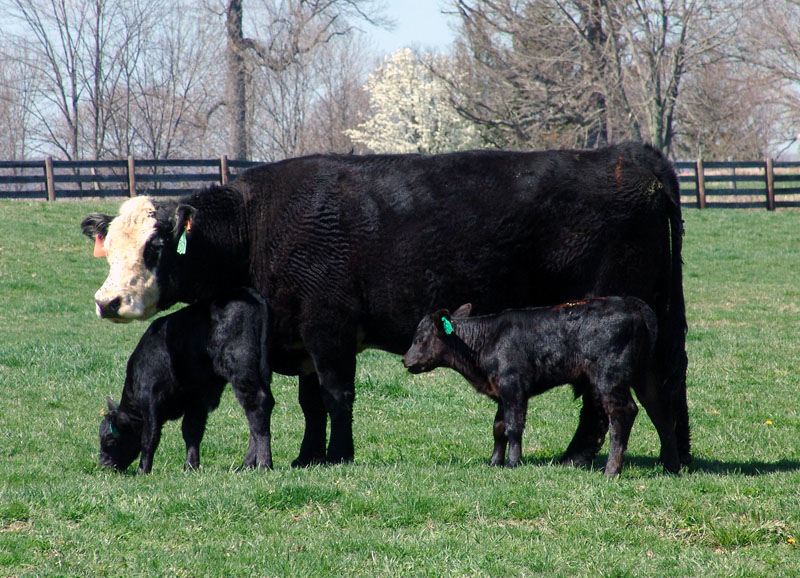
Remember The Golden Rule Of Calving!
We are getting reports of large numbers of twins currently being born. This makes it even more important to check for a second calf, especially for cows which have had a small calf and are leaner. It is often the second calf which takes longer to be born, has the highest chance of being mis-mothered and hence has the higher risk of dying.
Read More >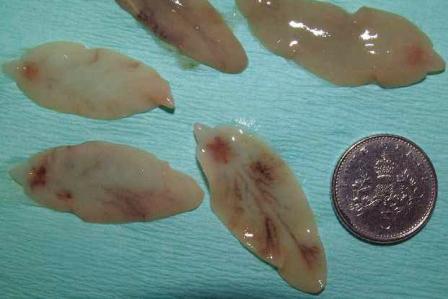
Liver Fluke – Actions To Consider This Spring
In spring 2021 a number of flocks experienced ill thrift and/or deaths in ewes as a result of infection with liver fluke (Fasciola hepatica). In all cases there was a history of treatment with triclabendazole during the previous autumn and winter.
Read More >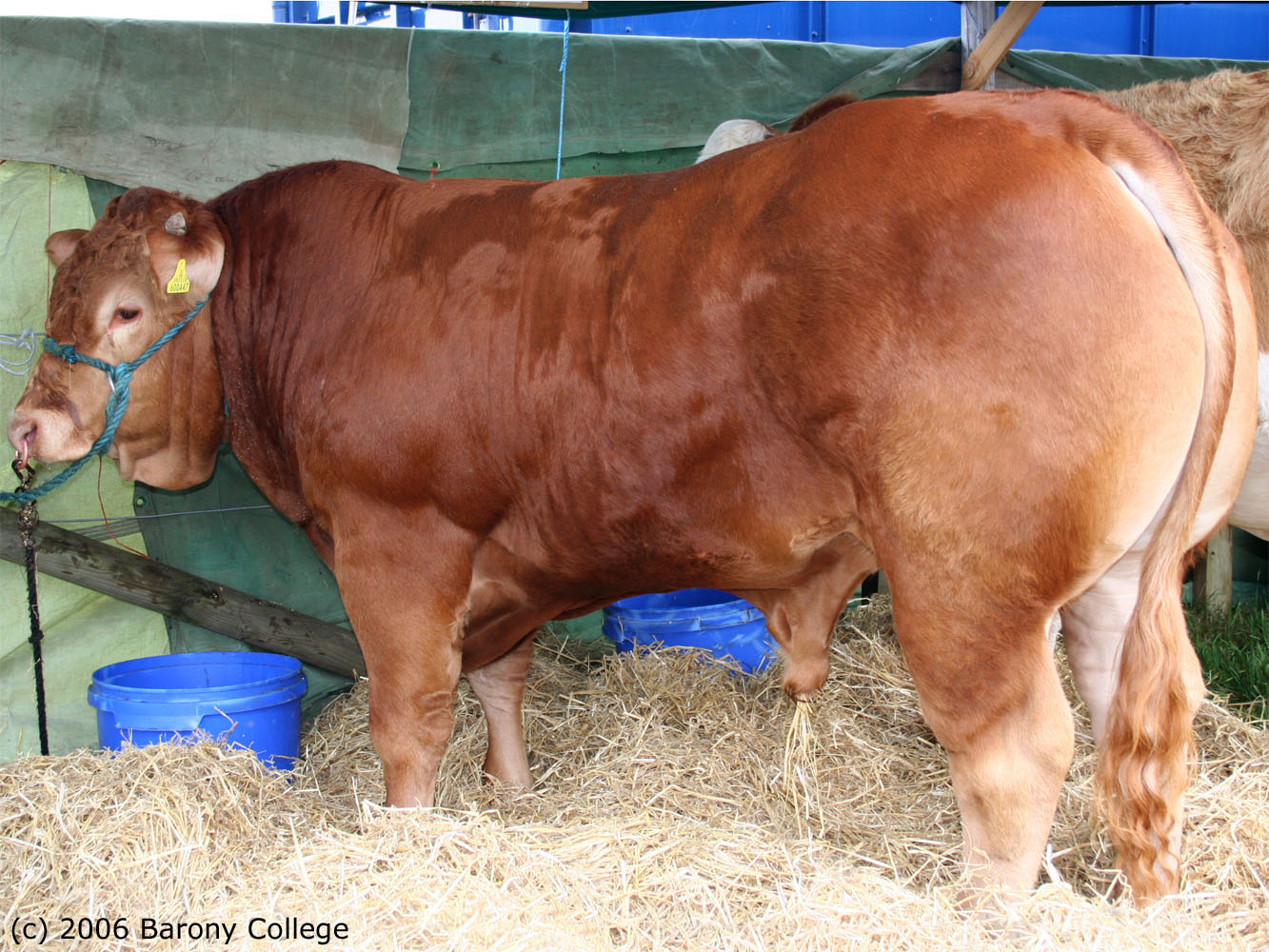
Testing Requirements For Bull Sales
Bull sale season is here once again. For those of you with pedigree animals to sell later in the year it’s time to think about the health testing that is required for sale animals. Most of the main breed societies endorse herd or individual animal screening for sale animals.
Read More >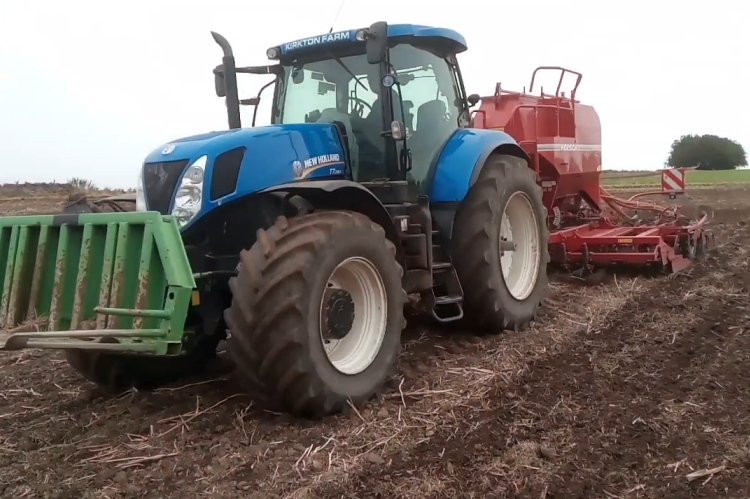
Changes to Red Diesel Regulations from 1 April 2022
The rules and regulations regarding the use of red diesel have always been tightly controlled. Red diesel accounts for around 15% of all the diesel used in the UK and…
Read More >Alternative Clostridial Vaccines
There have been lots of supply issues over the last two years and some medicines have been affected. You may have struggled to get hold of the products you usually…
Read More >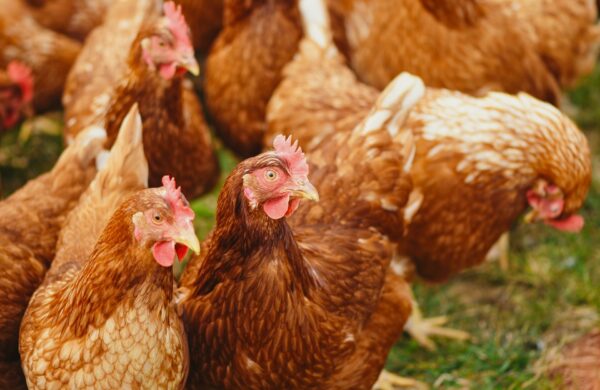
Avian Influenza (Bird Flu): Advice Note For Poultry Keepers
Highly Pathogenic Avian Influenza (HPAI) H5N1 has been confirmed in multiple areas in Scotland and in other parts of the UK. An Avian Influenza Prevention Zone (AIPZ) came into force across Great Britain on the 3rd November 2021, and in Northern Ireland on the 17th November 2021. This was extended to include housing measures across the UK on the 29th November 2021.
Read More >
Listeriosis Diagnoses
Listeria sp. are ubiquitous environmental bacteria and are also found in the faeces of normal animals. They will multiply in silage following entry of air and when pH is ≥ 5.5. Spoiled silage is traditionally blamed for most outbreaks of listeriosis but in some cases has not always been fed. A wet winter will leave muddy conditions which could increase disease risk through ingestion of soil.
Read More >
2022 SAF Forms – are you going online?
The window for 2022 Single Application Forms (IACS) forms will open on the 15th March and close on Monday 16th May. In 2021 over 93% of forms were completed online.…
Read More >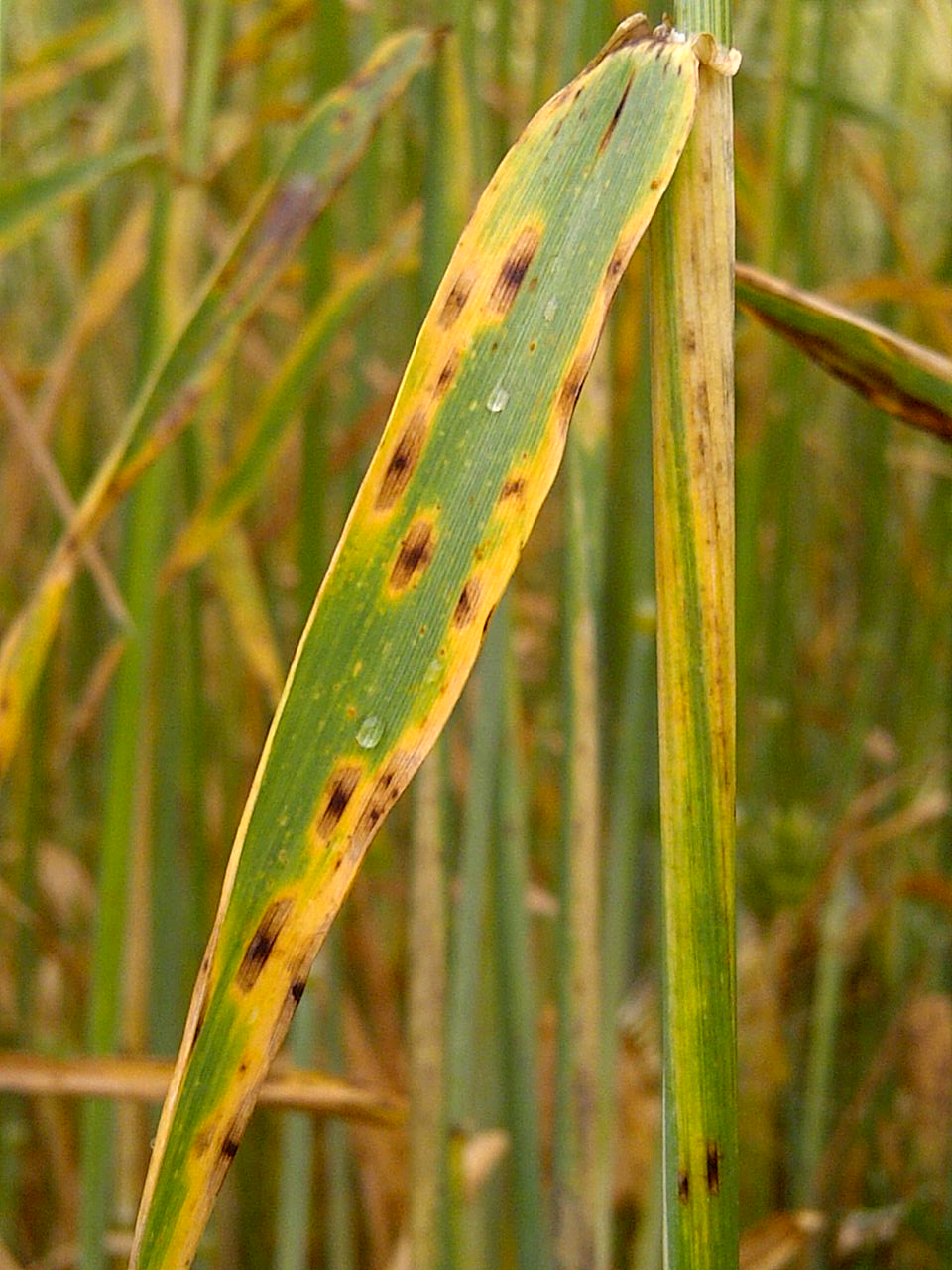
Disease Planning Starts Early
Planning out a disease management strategy in cereal crops needs to start earlier than usual this season. Programmes can be adjusted as the season goes on but setting out the basic framework makes it possible to work in a diversity of chemistry to minimise resistance risks and cover the main diseases and timings.
Read More >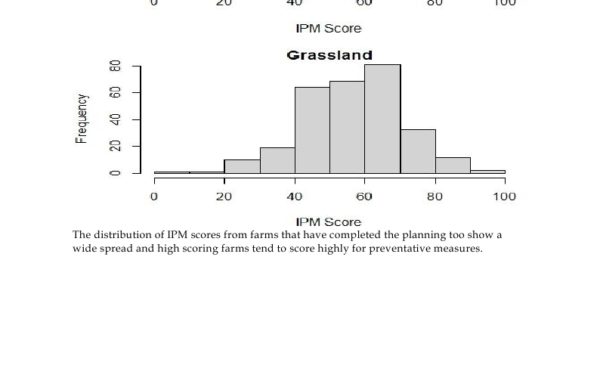
Integrated Pest Management – Top Tips from High Scoring Farms
The IPM planning tool for Scottish growers is starting to give useful insights about what high scoring farms do and where they get their information. Filing in an Integrated Pest Management plan is now standard practice on most arable farms and is a useful tool to explore what can be done on individual farms to increase IPM practices. IPM plans are also being picked up across mixed and grassland farms too. Almost 5000 arable plans have been completed to date for arable farms and nearly 300 for grassland plans – just launched at the end for 2021. Average scores for arable farms are 64.8% and for grassland farms 56.9%. This provides really positive evidence about what the farming industry is already doing to produce crops in integrated and sustainable ways.
Read More >Sign up to the FAS newsletter
Receive updates on news, events and publications from Scotland’s Farm Advisory Service