
Articles
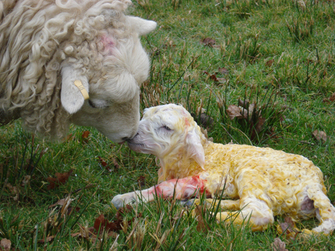
Outdoor Lambing: Prepare a ‘Plan B’
Following the social distancing and hygiene measures from the government is highly important for those currently amid, or about to start, lambing – the last thing you want is a staff off sick. However, even with the most care, some are still succumbing, so is there anything you can do now to keep lambing operation running as you would like it should the worst happen?
Read More >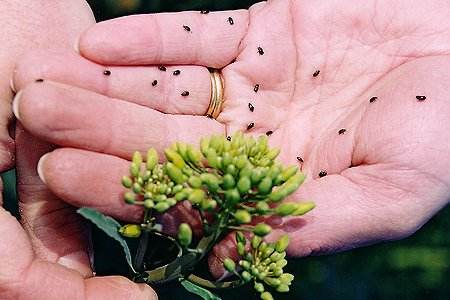
Oilseed Rape: Pests – Pollen beetle risk – April 2020
There is a risk from pollen beetle damage to the buds, giving rise to blind-stalks with no flowers or pods forming on them. A warm spell when temperatures reach 15°C…
Read More >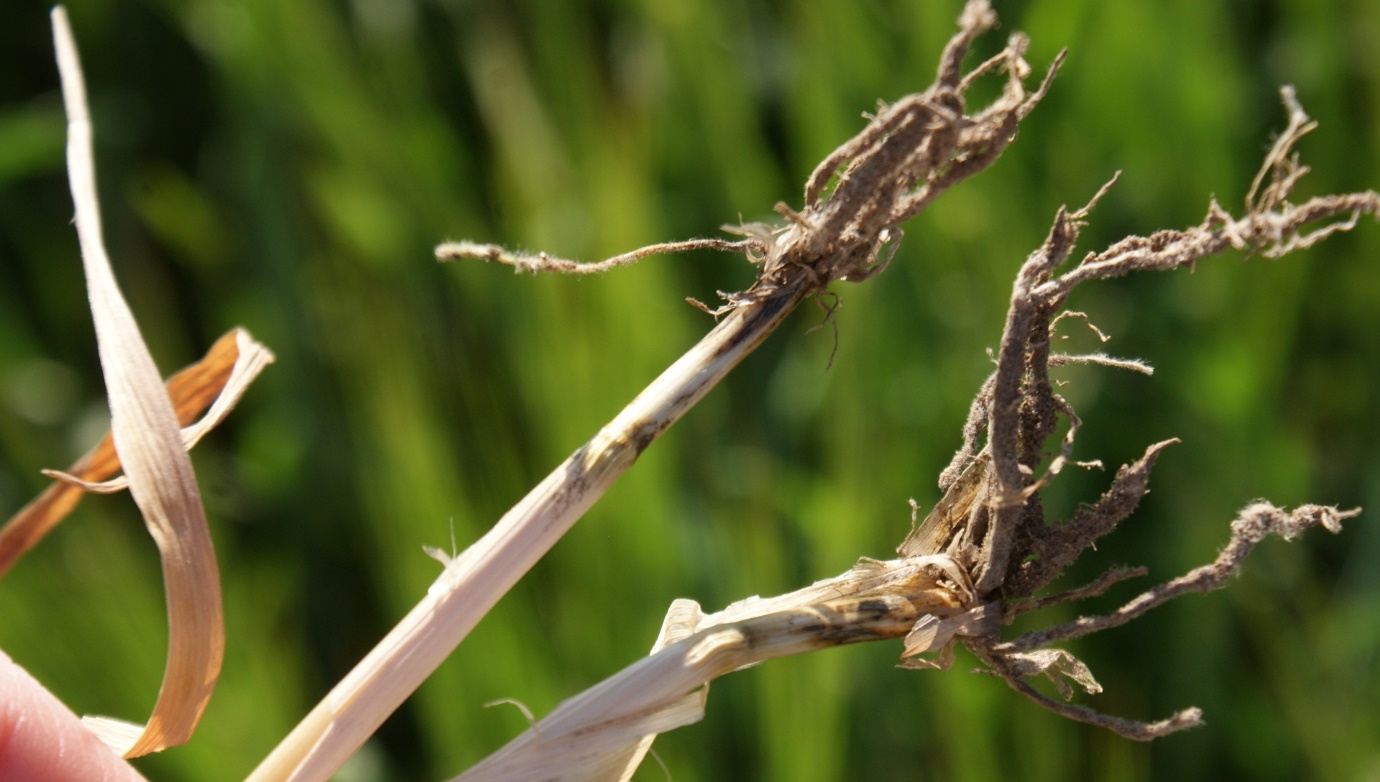
Wheat Diseases: Eyespot – April 2020
Eyespot risk A mild winter suits eyespot so the risk is potentially greater this year. Sow date is actually quite a small influence, so the proportion of late drilled crop…
Read More >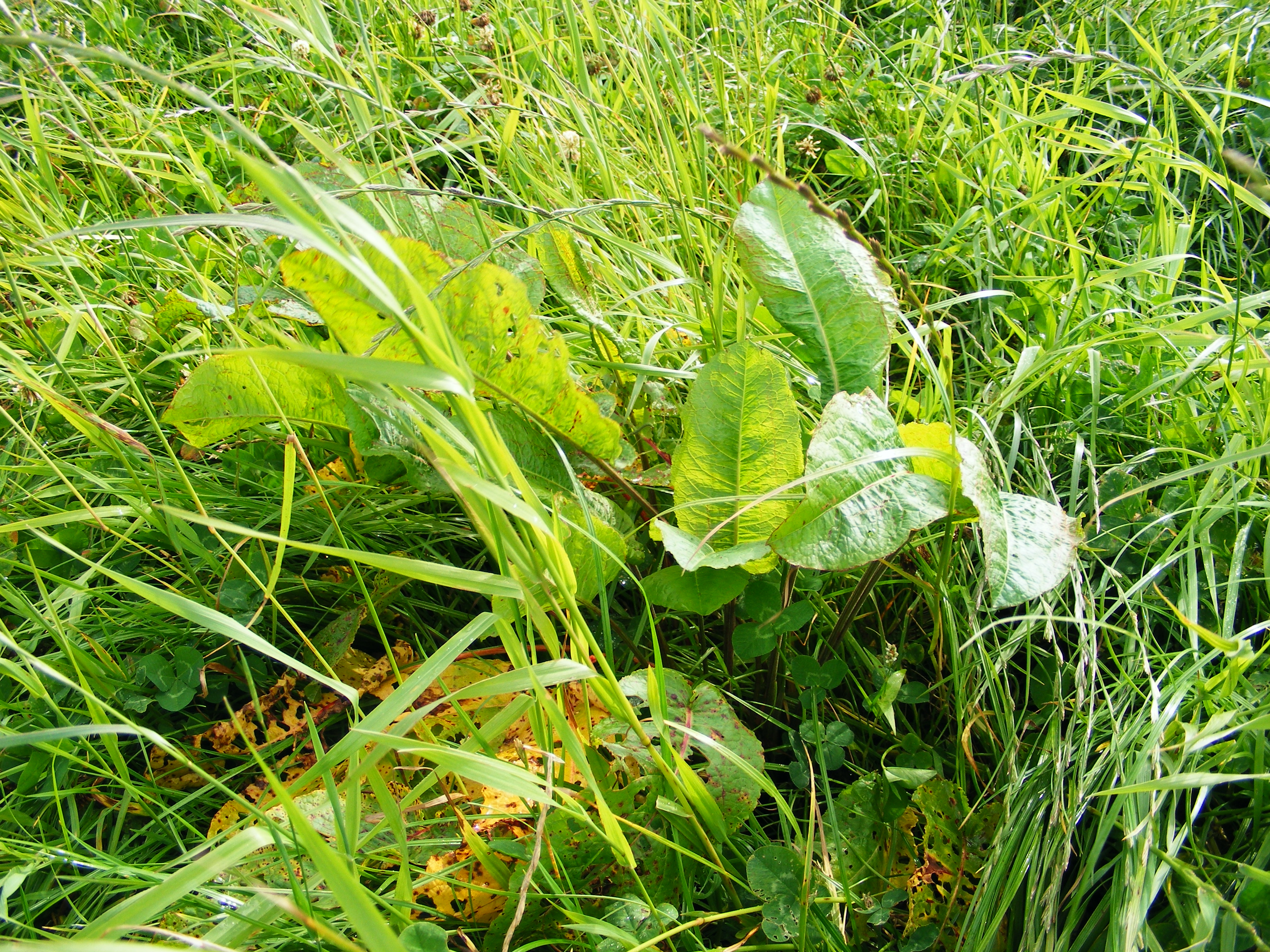
Weeds – April 2020
Residuals that weren’t applied in the autumn can be applied in early spring, but generally not beyond the end of March, and weeds needed to be very small. So, we…
Read More >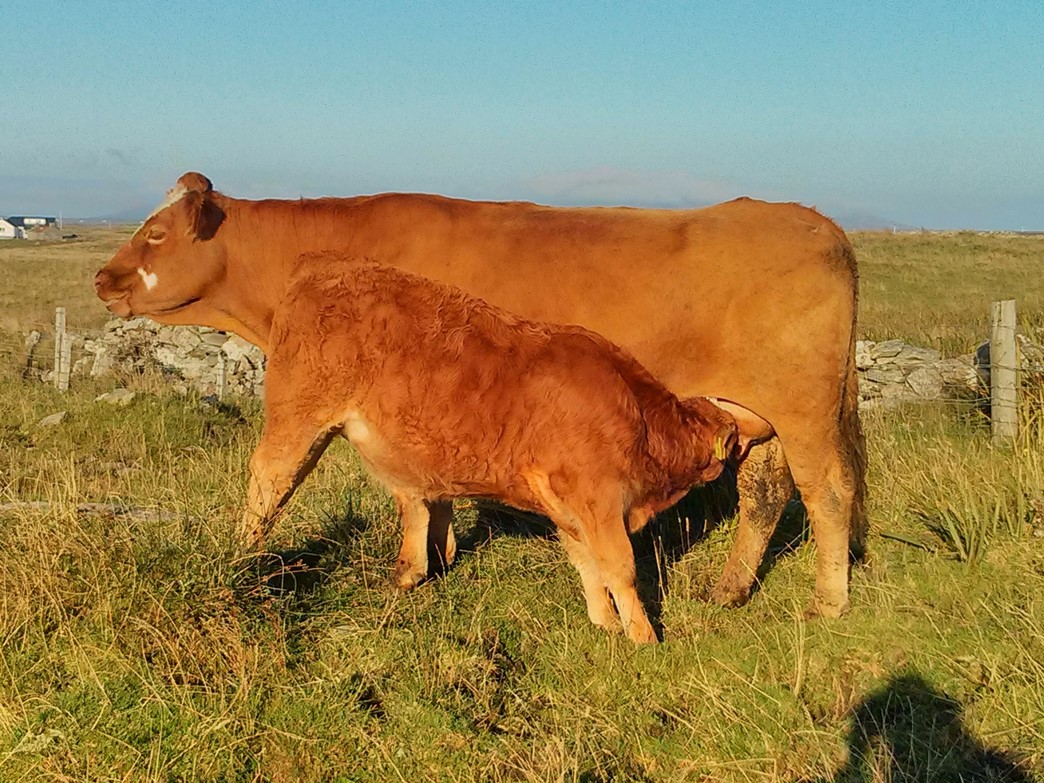
Salmonella Dublin In Beef Herds
Salmonella Dublin can cause significant impacts on health and mortality rates during the calving period. However only 10% of the confirmed diagnosis are from beef herds.
Read More >Ewes Lambing and Time of Day
In order to reduce staff hours, particularly for those that find themselves short-staffed during this time, some may ask whether we can be more targeted with lambing surveillance by utilising…
Read More >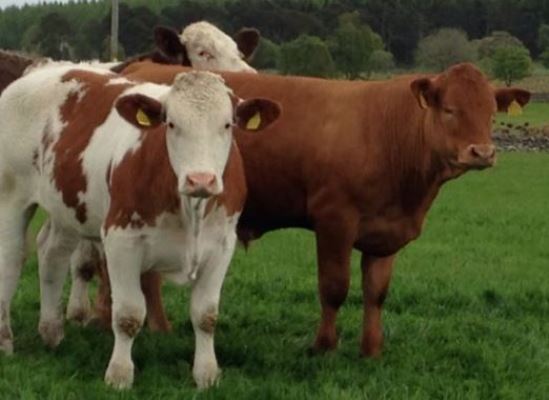
Managing Cows to Avoid Grass Staggers
Magnesium Tetany (also known as ‘Grass Staggers’) is caused by a lack of magnesium. Magnesium is not stored in the body and a daily dietary intake is required. Cows in early lactation, older cows and cows under nutritional stress are most at most at risk.
Read More >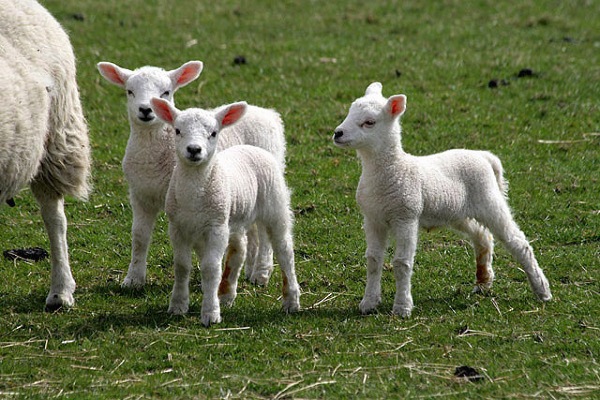
Managing Triplets
Most ewes, especially those that have lambed before, can cope well with triplets and increase their maternal licking with the birth of each lamb. They will form a new bond with each lamb and appear to be able to count to at least three, as they will recognise when one lamb is not there.
Read More >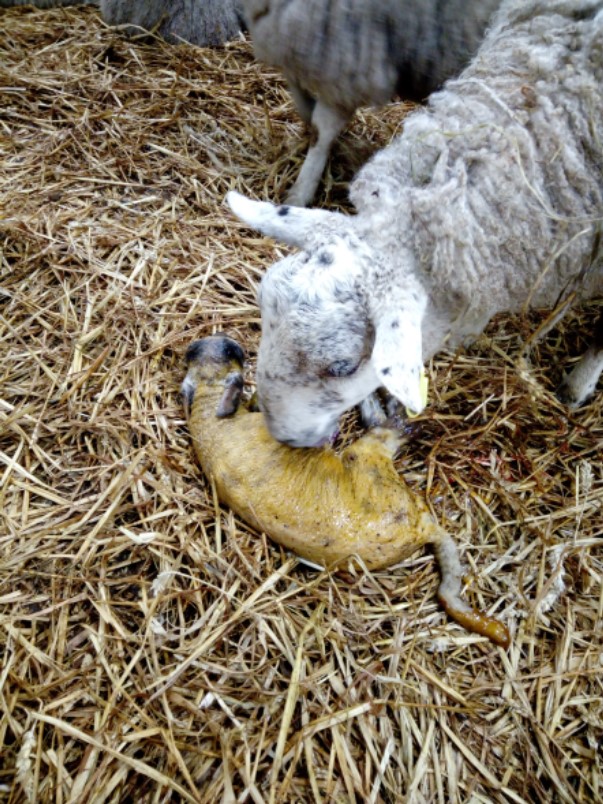
Managing Difficult Births
A difficult birth will delay the onset of licking the lamb by the ewe, and can result in brain damage in the lamb which will make it slower to stand and suck. This risks a weaker ewe-lamb bond forming, and the lamb getting less colostrum.
Read More >Managing First Time Lambing Ewes
Inexperienced ewes have higher lamb mortality regardless of age at mating. This is because they are physiologically immature, they need to have given birth for everything to develop completely.
Read More >Sign up to the FAS newsletter
Receive updates on news, events and publications from Scotland’s Farm Advisory Service