
Putting Pasture to Work in your Dairy System
15 January 2026Margins are tightening in dairying, the average cost of production in 2024/25 was calculated at 48.5ppl with the average farm gate milk price reaching a high of 46.56ppl in October 25. The sharp drop in milk price in November has further tightened these margins with a period of uncertainty looming over 2026. Simultaneously, the vast majority of milk contracts are placing growing emphasis on reducing carbon footprints and improving animal welfare standards.
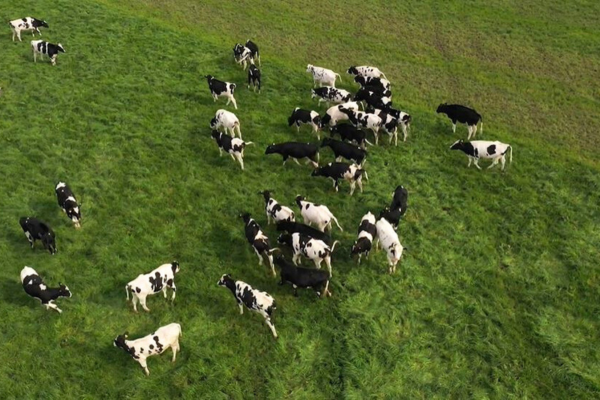
One of the measures recommended by milk suppliers to reduce carbon footprints and improve animal welfare is the use of rotational grazing. Paddock grazing systems with well managed grass swards can address both economic and environmental goals. Such as, improved animal health and performance, enhanced soil fertility and reduced feed costs.
Grazing Intensity and Forage Availability
Matching stocking density to forage availability is essential, with an aim to have grass covers at 2500-2800kg of dry matter/hectare. Measuring grass using a sward stick or plate metre every 7-10 days allows for planning and alterations to be made to stocking densities if required.
Yield and quality of grass is optimised when swards are grazed at the 3 leaf stage. When grass plants are grazed and then animals removed to allow a period of recovery, plants can use sunlight to restore carbohydrate reserves enabling them to recover more quickly.
When plants are grazed too much the plant must use energy from root reserves to produce new leaves, slowing recovery. Giving swards a rest between grazing ensures persistence and yields in future grazing seasons, especially during periods of drought stress. Conversely, leaving grass to grow beyond 3500kg of dry matter/hectare can lead to grass entering the ceiling stage of growth. An overgrown sward will have a lower ME value, a reduced clover content due to shading, decreased utilisation and an increased disease risk due to fungal accumulation at the base of the sward. A well-managed rotational grazing system can improve forage quality and has potential to reduce in-parlour feeding requirements. Higher yielding cows are likely to still require supplementary concentrates to meet energy demands.
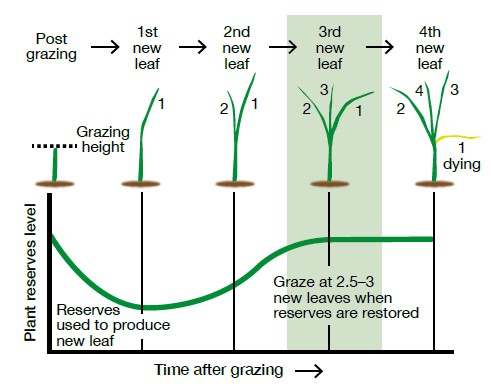
Image by AHDB
Setting Up Paddocks for Rotational Grazing
Effective rotational grazing requires careful paddock design. Smooth, wide cow tracks allow for the herd to be easily moved. Fencing may be permanent or flexible, which can allow for the herd to be moved every 12-24 hours with back fencing. Adequate water provision is critical as cows can drink up to 14 litres of water/ minute and should not be required to walk more thank 250m to reach a water trough in their paddock. If there is an insufficient water supply, milk yields could drop by up to 20%. Trough size and flow rate should be considered to prevent heifers and timid cows from being bullied, each cow should have at least 450mm of drinking space. A flow rate of 0.2 litres/cow/minute and a trough volume of 5-7 litres per cow is recommended. Avoid siting troughs close to cow tracks or gates to prevent bottle necks, poaching and general wear and tear of materials.
Importance of Soil Sampling
Soil fertility is a key determinant of sward productivity and nutritional quality. Soil sampling should be carried out in the winter months on a dairy farm, as nutrient levels are more accurately assessed in the absence of recent slurry applications. The results allow for informed decisions to be made on nutrient applications, which can reduce unnecessary expenditure, and support sustainable nutrient management. When margins are tight it is important to have the data available to make decisions on targeted applications which will provide the greatest return on investment.
By combining appropriate stocking densities, fencing and water provisions, and soil nutrient monitoring, dairy farmers can implement a rotational grazing system that can improve herd health, optimise forage utilisation and potentially enhance financial and environmental outcomes.
Keira Sannachan, SAC Consulting; Keira.Sannachan@sac.co.uk
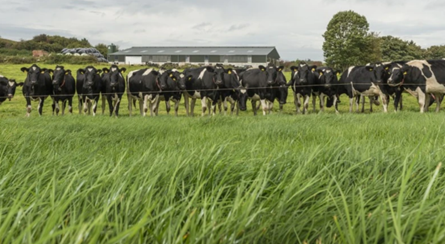
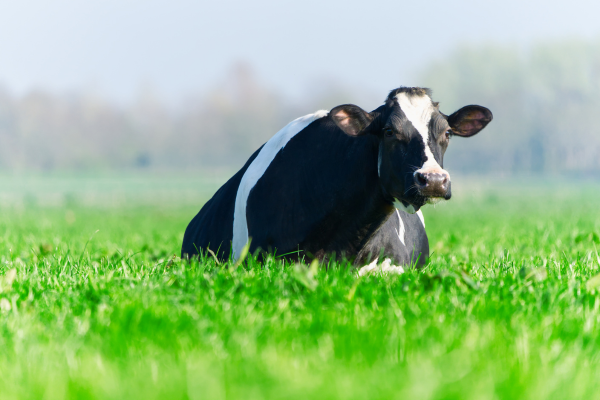
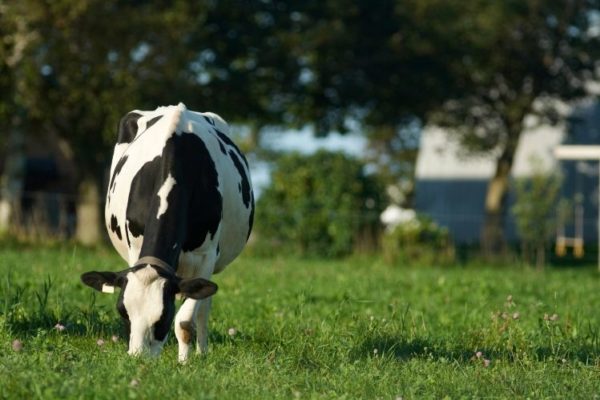
Image by Germinal : Rotational Grazing: A Method For Healthier Pastures and Livestock

Sign up to the FAS newsletter
Receive updates on news, events and publications from Scotland’s Farm Advisory Service