
What can Scottish Farmers Learn from the Norwegian Approach to Integrating Forestry, Farming and Nature Restoration?
Despite being separated by the North Sea, Norway and Scotland share many characteristics that have shaped both their rural landscapes and farming systems. Large areas of each country are dominated by upland and hill farming, where livestock production often takes place on challenging terrain and relatively marginal agricultural land. In both nations, extensive areas of moorland, upland heath and woodland form an important part of the landscape, supporting agriculture, biodiversity, recreation and cultural heritage.
Both countries are also grappling with similar environmental challenges and opportunities. Policymakers, land managers and farmers are increasingly being asked to balance food production with biodiversity conservation, climate change mitigation and nature restoration. As a result, there is growing interest in how farming, forestry and environmental management can be better integrated to deliver multiple benefits from the same land. There are valuable and relevant insights in how Norwegian farmers are managing their land and natural resources, which may be relevant for Scotland.
Norway’s approach highlights how forestry, farming and nature restoration shouldn’t be viewed as competing priorities. Instead, Norwegian farmers often treat woodland as another productive component of the farm business, delivering shelter for livestock, timber, fuel, biodiversity, recreation and additional income.
Landownership in Norway
Norwegian land ownership is generally characterised by a large number of owner-occupiers managing relatively modest holdings, rather than the larger estate model that remains common in parts of upland Scotland. This structure has helped foster a culture where farming, forestry, hunting and recreation are often viewed as complementary activities within a single landholding rather than as competing land uses.
Agricultural land ownership is shaped by policies designed to maintain rural communities and active farming. Norway has long restricted the sale and subdivision of agricultural land through legislation intended to prevent excessive consolidation and ensure land remains in productive use. As a result, many farms combine livestock production, forestry and other rural enterprises as part of a diversified family business.
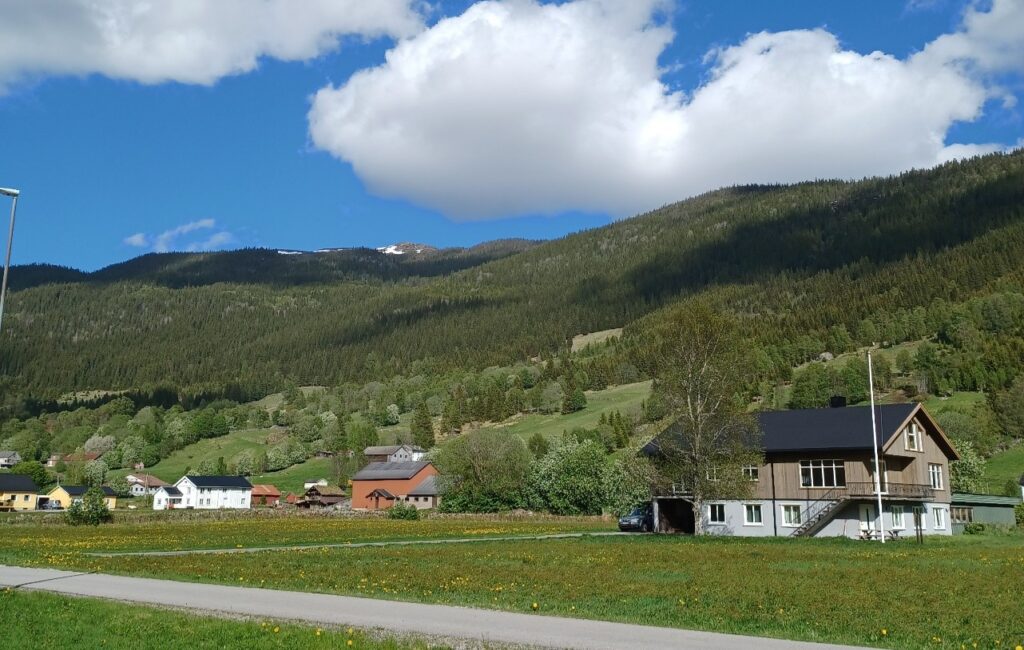
One of the most striking differences is that Norwegian farmers tend not to view forestry as a separate land use. Instead, woodland management is often treated as an integral part of the farm business. This contrasts with Scotland, where forestry and agriculture are often perceived as competing land uses, particularly in upland areas.
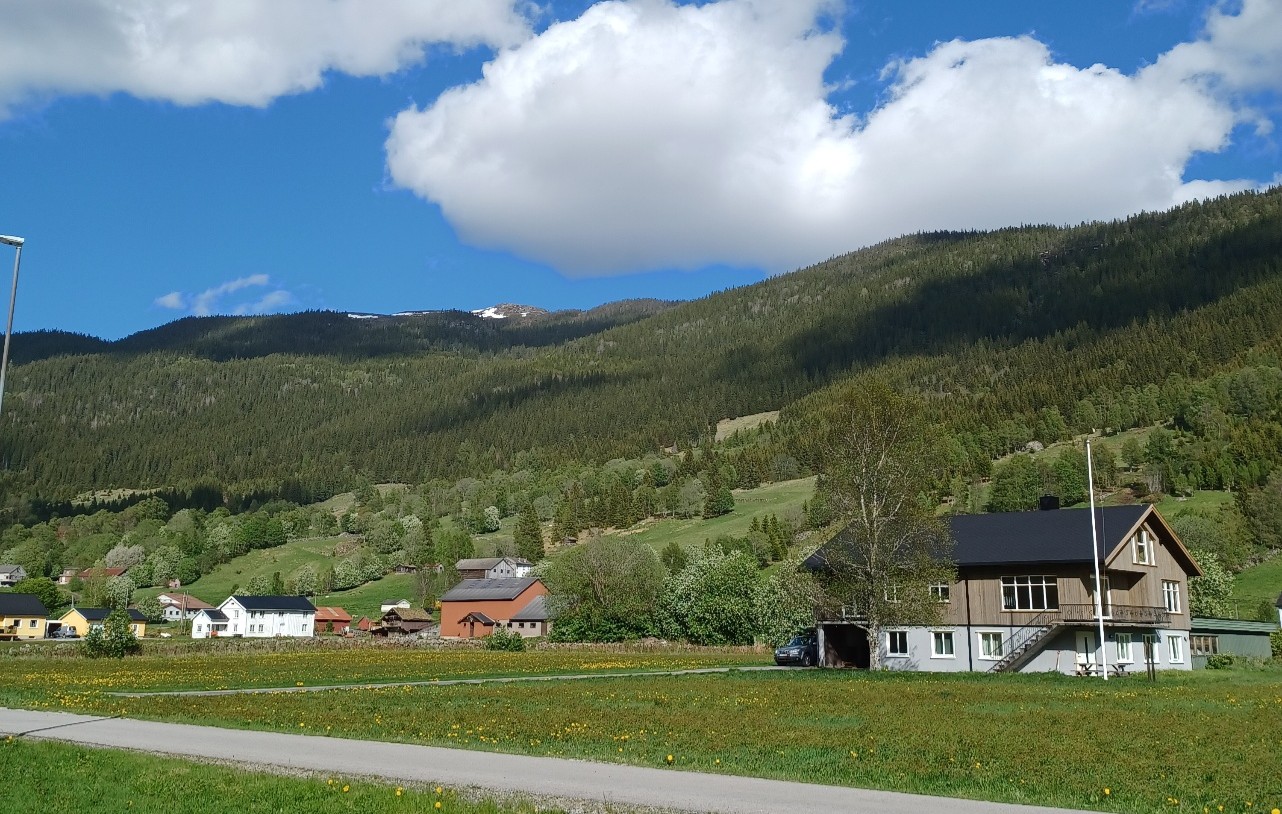
Photo 1 - Trees are integrated in the farming landscape, particularly further upland.
Forestry as Part of the Farm Enterprise
Woodlands are integrated within the farming landscape, providing shade and shelter to livestock such as the Norwegian white sheep common in the area.
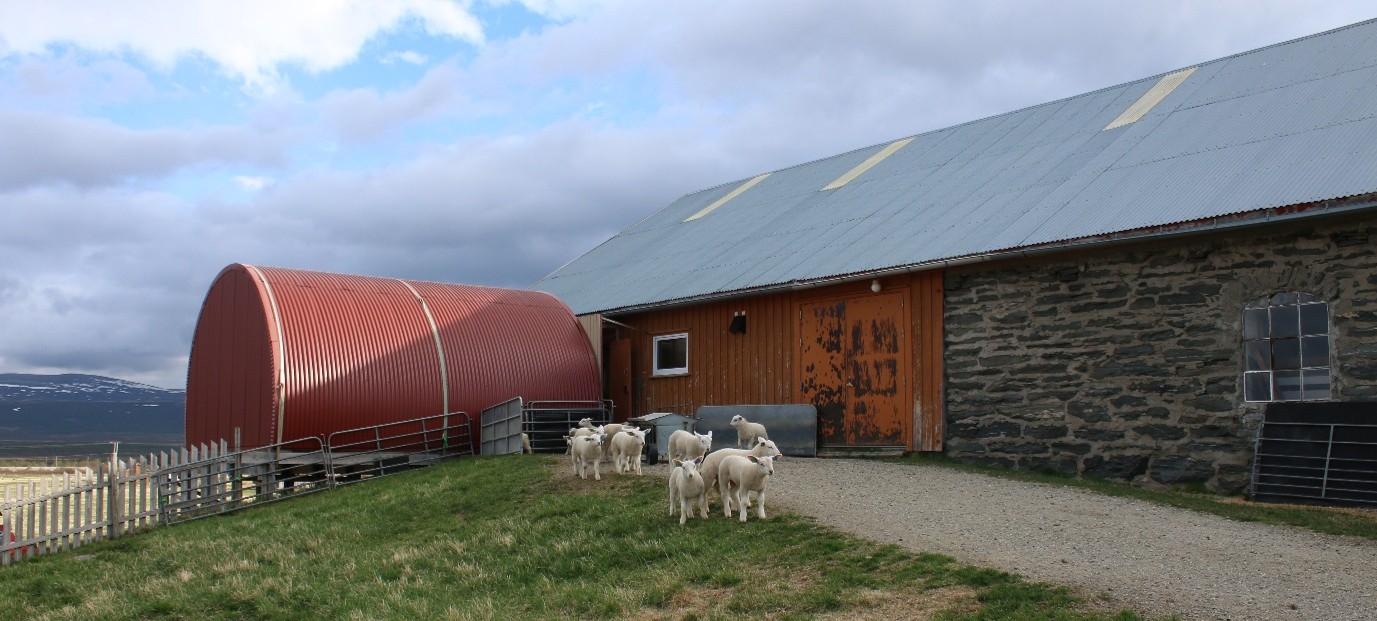
Photo 2 - Norwegian white sheep
Many see forest management as their ‘winter work’, something to do when the livestock is typically kept indoors over the harsh winters. During this time, they will fell individual trees and extract them over snow-covered ground using machinery, with timber often stockpiled at the roadside until conditions allow collection. Small-scale harvesting remains common here. Around 70% of Norway's forest area is privately owned, with many holdings being relatively small family enterprises. Often farmers will group together into a co-operative to collectively sell their timber together to the sawmills.
Multiple Income Streams from Woodlands
Timber: Norway spruce, Scots pine, and downy birch represent 90% of the timber volume within Norway. A key industry is harvesting birch for firewood. These native trees come from naturally regenerated woodlands, are harvested in small numbers, chopped up and sold locally, often as firewood sold at the roadside.
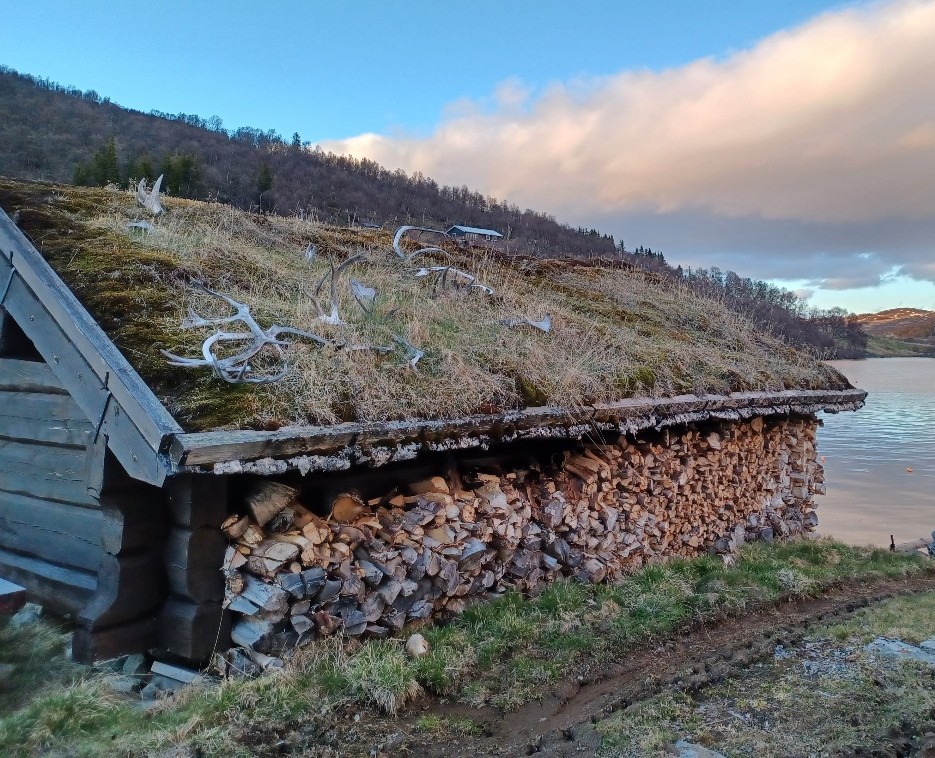
Photo 3 - Birch firewood stockpiled for winter
Hunting: Additional resources from the forest areas include hunting of deer and game birds. Hunting and shooting remain popular activities, with over 130,000 active hunters during 2023-2024. Quarry species include roe and red deer, reindeer, moose, lynx, grouse and other small game such as mountain hares. Hunting licences are paid to the Wildlife Fund, and a separate permit is obtained from the landowner for a fee. The local authorities issue quotas for the relevant species in their area, with the quota being distributed among landowners based on the size of their properties. This provides a sustainable means of managing wildlife populations while supplying locally sourced meat. Effective management of browsing species can help reduce pressure on regenerating woodland, improving the prospects for natural tree establishment.
Foraging: Across Norway, berry picking is culturally important. During autumn, people can pick blaeberries, cowberries and lingonberries from the understory, as well as collect mushrooms such as chanterelles, porcini and hedgehog mushrooms. More specialised groups will also harvest mosses and lichens, which they preserve, dye and sell as decorations for homes. This commercial harvesting adds additional income to the landowner. These activities illustrate how woodlands can provide multiple income streams beyond timber production alone.
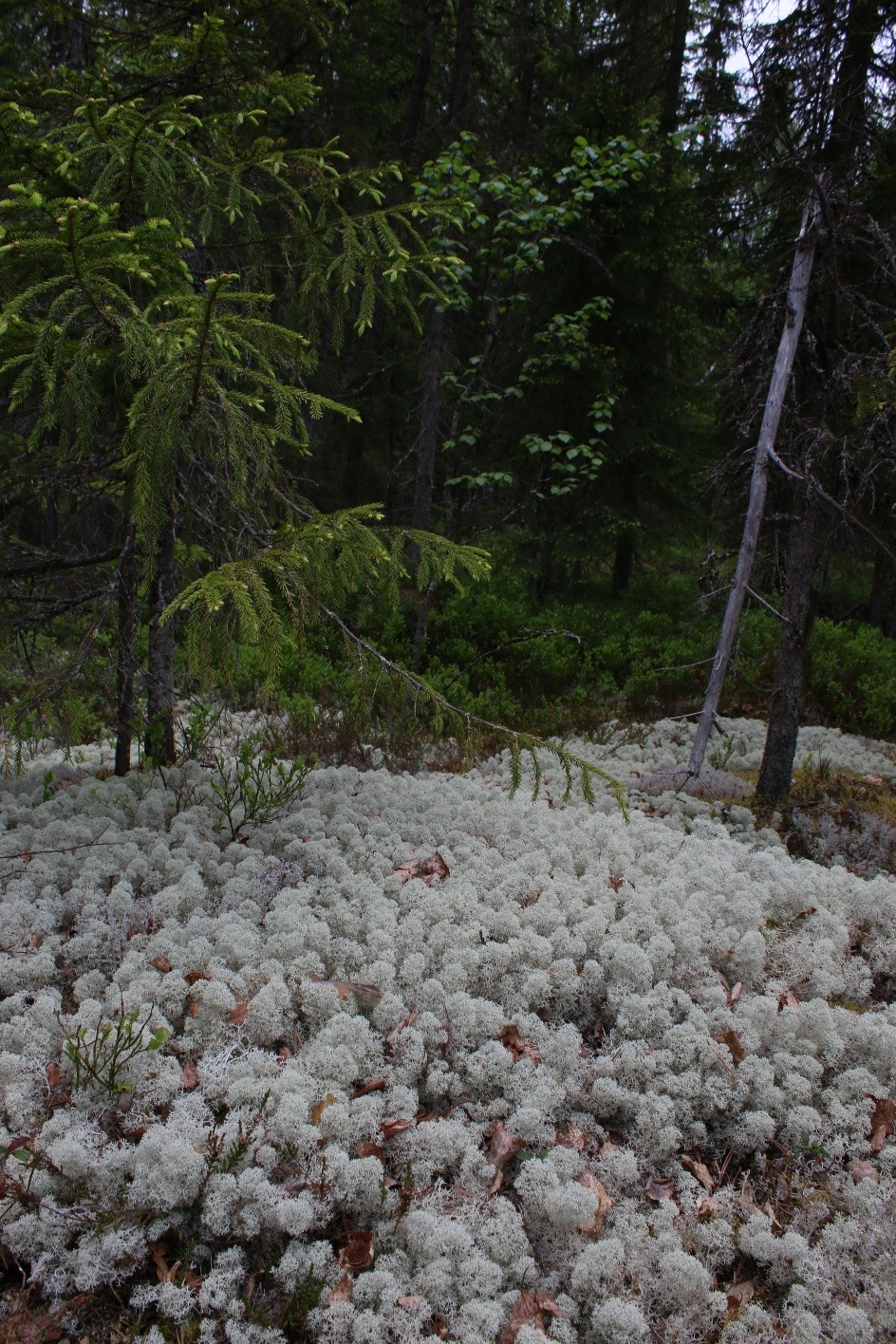
Photo 5 - Lichens from the forest floor are harvested and sold as decorations
Productive Forestry and Sustainable Harvesting
Forestry remains an important rural industry in Norway, with around 38% of the country covered by forest. The sector supports thousands of jobs in harvesting, processing and timber manufacturing, and is considered by the Norwegian Government to have significant potential for further value creation.
Innlandet county, which is often described as Norway's forestry powerhouse,contains some of the country's most productive forests. Annual forest growth in Norway continues to exceed timber harvesting, meaning the overall volume of timber standing in Norwegian forests has increased over recent decades. The area features over 20,500 forest properties spanning roughly 1.8 million hectares of productive forest land. Private non-industrial forest owners manage about 69% of this area.
Rather than a wholesale shift away from clear-felling, Norway appears to be pursuing a more balanced approach, retaining clearfell systems where they are most effective while gradually expanding continuous cover forestry in suitable locations. Harvesting intensity tends to decrease with altitude as access becomes more challenging and economic returns fall.
Unlike in Scotland, where woodland creation is increasingly linked to private carbon markets and woodland carbon units, Norwegian forestry appears to be driven primarily by timber production, multi-purpose land management and national climate objectives. While forests play an important role in Norway's greenhouse gas accounting, there was little evidence during our visit that woodland creation was being promoted primarily as a source of carbon-credit income for individual landowners.
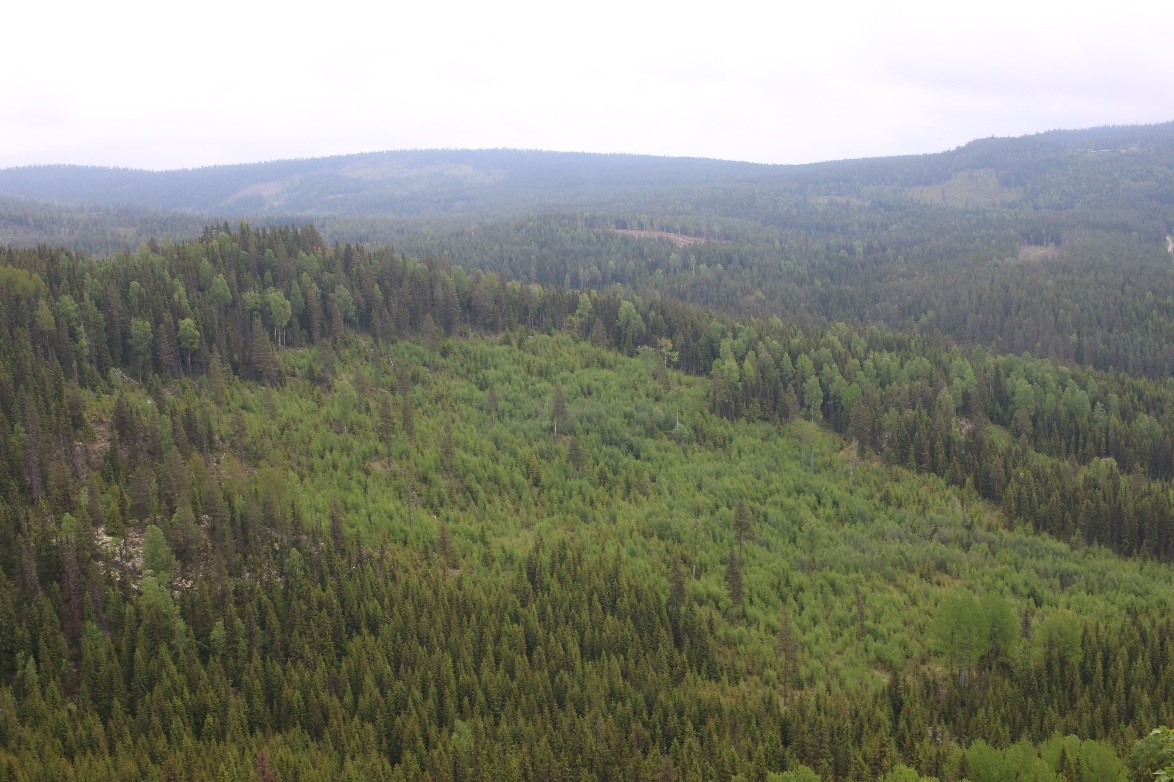
Photo 5 - A forestry area that had been clearfelled. Mature trees were retained to allow further timber trees to regenerate naturally.
Balancing Timber Production and Biodiversity
Nearly all commercial Norwegian forestry is PEFC-certified, which includes substantial biodiversity requirements and habitat retention measures. Additionally, State-owned forests are often managed for multiple objectives, including biodiversity conservation, recreation, hunting and timber production.
During harvest, they must leave some habitat trees standing. These must be trees of different sizes, stages and species to support a range of biodiversity. This has the added benefit of acting as a seed source and planting the next generation of timber trees. There are also requirements around deadwood, which supports a range of wildlife species. Measures are taken to protect watercourses by having buffer zones between harvested areas and rivers. The standard explicitly aims to increase the use of smaller harvesting coupes and continuous cover harvesting systems where appropriate.
While Scotland also operates robust woodland certification schemes, such as UK Woodland Assurance Standard (UKWAS) and FSC, Norway's biodiversity requirements appear highly embedded within routine forest management discussions, reflecting Norway’s emphasis on multi-functional forestry.
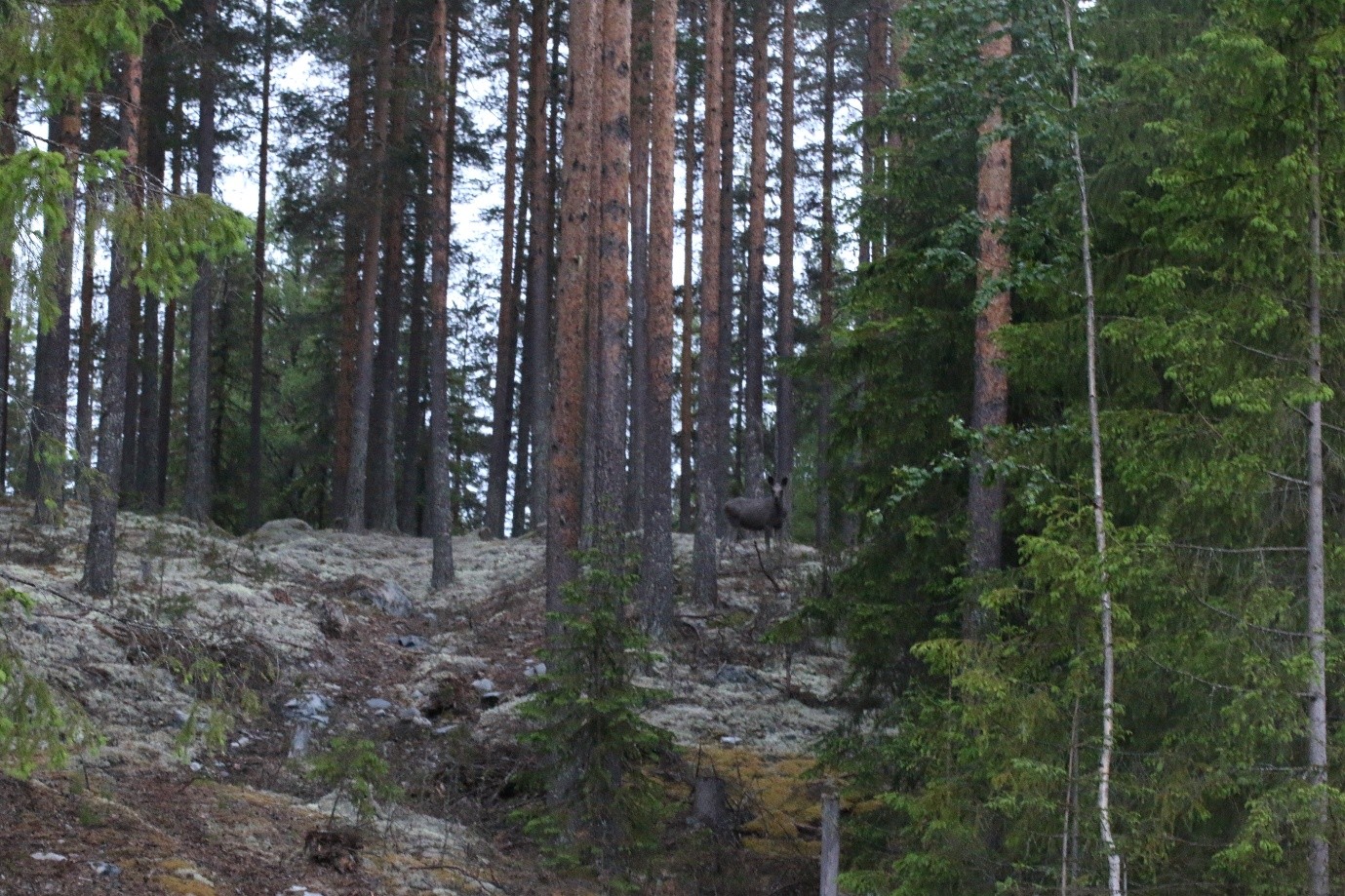
Photo 6 - Moose within a forestry area.
The Sitka Spruce Question
Non-native Sitka spruce underpins much of Scotland's commercial forestry sector, making up over 500,000 hectares of forestry in Scotland. It is known as a versatile softwood species used for paper, pallets and other commercial purposes.
Contrastingly within Norway, Sitka spruce has restrictions on its use, as in 2012 the Norwegian Biodiversity Information Centre placed it on its blacklist due to concerns over ecological impacts and spreading into native heathlands. Active management, early harvesting, and targeted removal programs are underway to clear non-native trees from sensitive natural areas.
Living with Public Access
Another interesting comparison with Scotland is Norway's “Allemannsretten”, or right to roam. Like Scotland's access legislation, it provides the public with extensive rights to access uncultivated land for recreation. While occasionally creating tensions between landowners and visitors, it is widely viewed as an important part of Norwegian culture and helps strengthen the connection between people and the landscapes they depend upon.
Would Could Scotland Learn?
While Scotland's landscapes, policies and markets differ from those of Norway, there are clear lessons that could be adapted locally. Even relatively small areas of woodland can provide benefits through shelterbelts, riparian planting, farm woodlands and agroforestry systems that integrate trees with livestock production. Expanding native woodland in less productive areas can also improve biodiversity, water quality and flood resilience whilst creating opportunities for timber, firewood and sporting income.
The changing agricultural support framework in Scotland presents further opportunities. Farmers may wish to explore schemes supporting woodland creation, agroforestry and habitat restoration through Scottish Forestry grants, the Forestry Grant Scheme and emerging Agri-Environment Climate Scheme options. Participation in initiatives such as woodland carbon projects, riparian restoration programmes and integrated land management projects may also provide new income streams alongside traditional agricultural production.
Perhaps the most important lesson from Norway is not a specific policy or management technique, but a different way of thinking about land use. Rather than asking whether land should be used for farming, forestry or nature restoration, Norwegian farmers often ask how each can support the others. As Scotland continues its journey towards net zero and nature recovery, that integrated approach may be one of the most valuable ideas we can bring home.
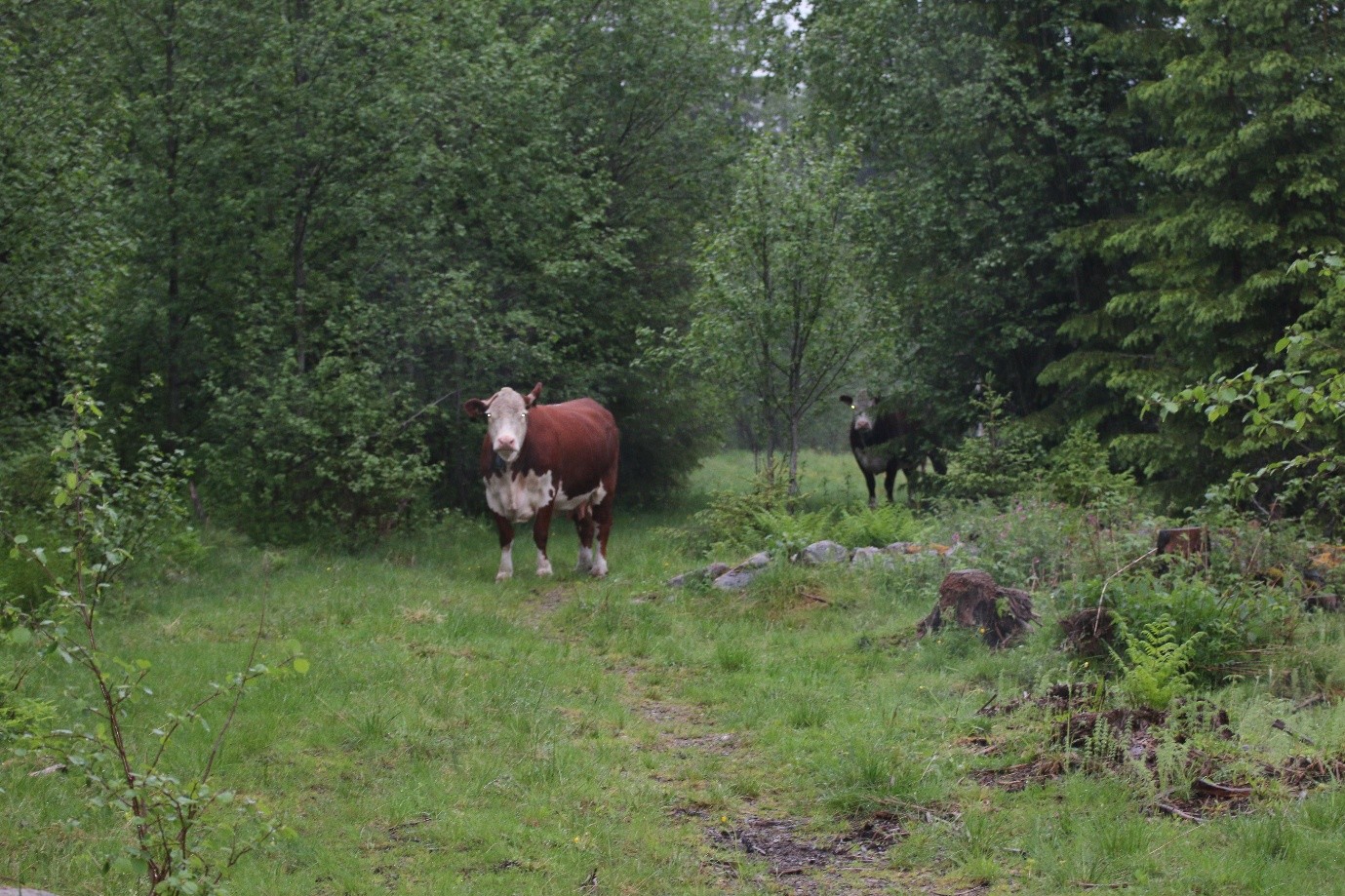
Photo 7 - Cattle grazing within woodlands using virtual fencing collars
Dr Fiona McAuliffe, Lecturer of Ecology, SRUC School of Natural and Social Sciences






Sign up to the FAS newsletter
Receive updates on news, events and publications from Scotland’s Farm Advisory Service