
Cereals
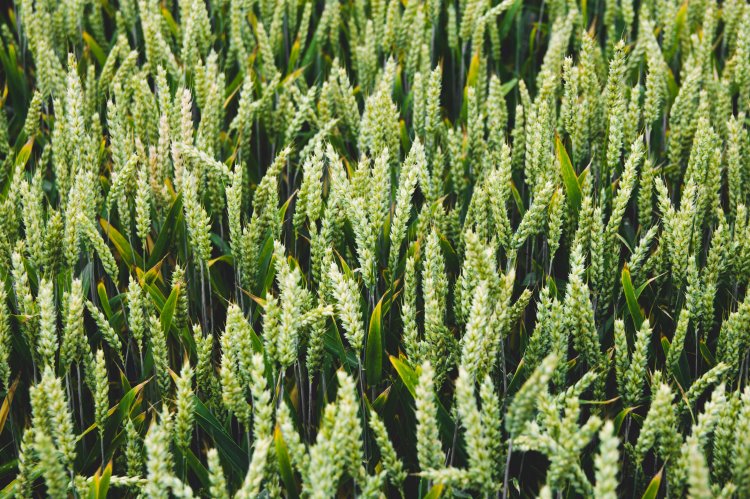
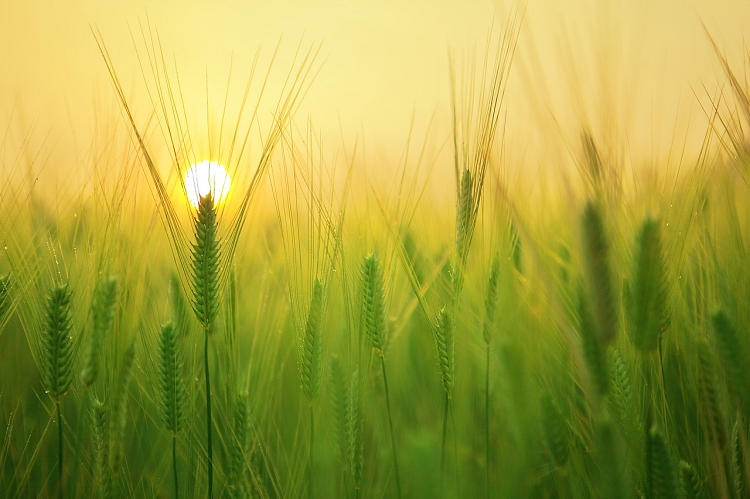
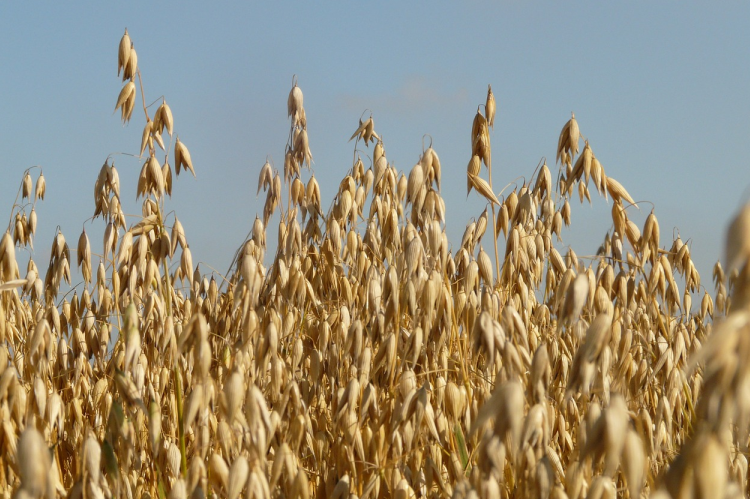
Cereal is a grass which produces edible grain, the grains are usually starchy for example wheat, barley and oats. Other cereals include rye, rice, sorghum, and millet. Cereal production in Scotland is concentrated in the East of the country where land is generally of a higher quality and the climate is more suitable. Cereals can be susceptible to a variety of weeds, pests and diseases and the highest yielding producers use a variety of control methods to reduce the impact these pests have on a crop, known as Integrated Pest Management. Cereal crops tend to be categorised into spring or winter crops, this simply refers to the time of year the crop was planted.
For information on recommended variety lists & cereal growth stages, please use the following links:
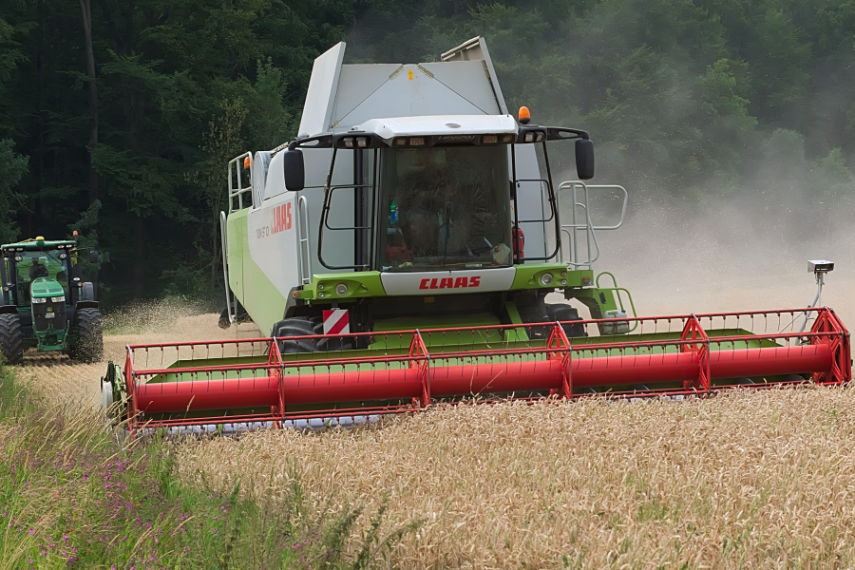
Watch it again
Watch the 2020 Crop Trial webinars - these events are usually held annually at Cauldshiel and Drumalbin.

Grain Storage
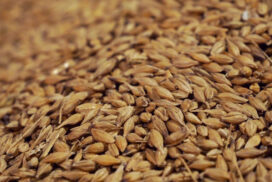
Safe Holding Times in Store for Crops Before Drying
When harvest is in progress there is a possibility of a backlog in drying grains. Here we have guidance on the maximum safe storage durations for combinable crops between harvest and drying. Read more >>
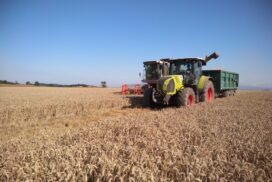
Handling Grain for Analysis & Storage
When harvest is in full swing, it is sometimes easy to forget the importance of accurate sampling monitoring and record keeping. This article highlights some of the key things to consider both during harvest and post-harvest, with links to further resources. Read more >>

Grain Store Hygiene Ahead of Harvest
Brushing up on grain store hygiene - Prevent pests eating your grain and into your profits. This article explains explains mesasures you can take to ensure grain is stored correctly. Read more >>
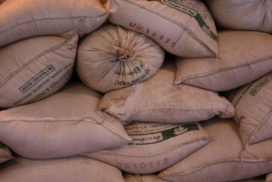
Small Scale Grain Drying & Storage
Arable cropping has become a specialised sector of the farming industry, with associated infrastructure to match. This is evident in the form of large scale, high throughput, grain driers and specialised crop storage buildings. For the small-scale grower, such infrastructure is impractical. This guide looks at what options are available for drying and storing grain for quantities of a few tonnes or less. Read more >>
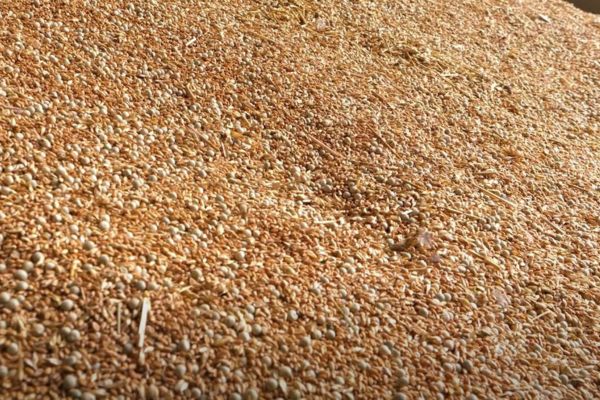
Ensuring Safe Storage of Wet Malting Barley
Grain being harvested at higher moistures than normal and having to be stored on farm for a longer period, can prove a challenge to malting barley growers, particularly where there is little or no drying capacity on farm. Keeping the grain pile cool is vital, and this article will give you an overview of what can be done to ensure the safe storage of your malting barley. Read more >>
Sign up to the FAS newsletter
Receive updates on news, events and publications from Scotland’s Farm Advisory Service