
Adapting to a Changing Climate

Agribusiness News October 2024 – Sector Focus: Biomass
UK Biomass Challenges and Opportunities Utilising biomass as a source of renewable energy for heat, power and transport is seen as a crucial component of the UK’s transition to net zero. A Government Report published in 2024 highlighted that 11% of UK electricity was generated from biomass in 2022, and 6.4% of heat was generated…
Advancing Agricultural Practices, Reducing Emissions and Ensuring Sustainable Growth in the Face of Climate Challenges
This article is part of the Climate Change & Carbon Research Briefings series. More articles in the series can be found below: Understanding Natural Capital Markets Collecting On-Farm Biodiversity Data with Bioacoustics Faba Beans for Alternative Protein and Reducing Monogastric Carbon Footprint Applicability of Slurry Separation and Acidification on Farms in Scotland Making Sense of…

Cutting emissions in the oat sector, a case study
Oats are highly valued for being both nutritious and offering significant health benefits. As a crop its green credentials are well known, giving good yields in less productive soils and requiring less inputs than other crops. However, all food sectors are under pressure to become more sustainable from seed to shelf oat production is no…

Livestock Productivity – Pigs & Poultry
Livestock Productivity – Pigs & Poultry When talking about reducing livestock emissions in Scotland, the focus is usually on ruminant livestock, given they comprise the majority of livestock in Scotland. Options for reducing emissions in pig and poultry enterprises require very different strategies, usually focused on (non forage) diets, and animal health. This section links…
Livestock Productivity – Sheep
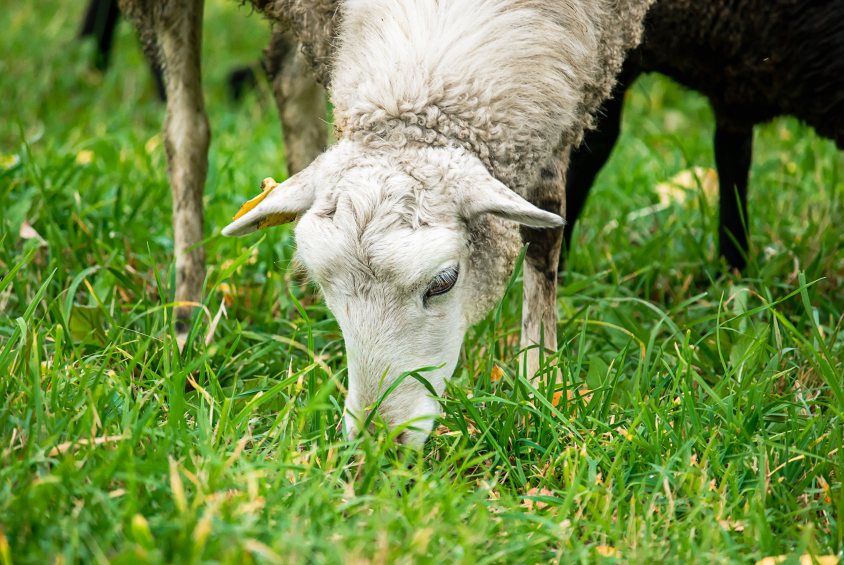
Livestock Productivity – Sheep Sheep health has been identified in research as one of the top ways that Scottish farms can reduce their carbon footprint, as well as providing clear benefits for animal welfare as well as productivity. Alongside guidance on breeding management and optimising grass, this section provides technical guidance on options for reducing…
Climate Policy
As global climate and environmental targets become an increasing priority, all sectors of the economy will have to participate in national strategies for low carbon transition. Agriculture is no exception, but does present more complexity for ‘decarbonisation’ than many other sectors, as well as opportunity to provide a degree of carbon ‘offsetting’. It can be…
- « Previous
- 1
- 2