
Adapting to a Changing Climate
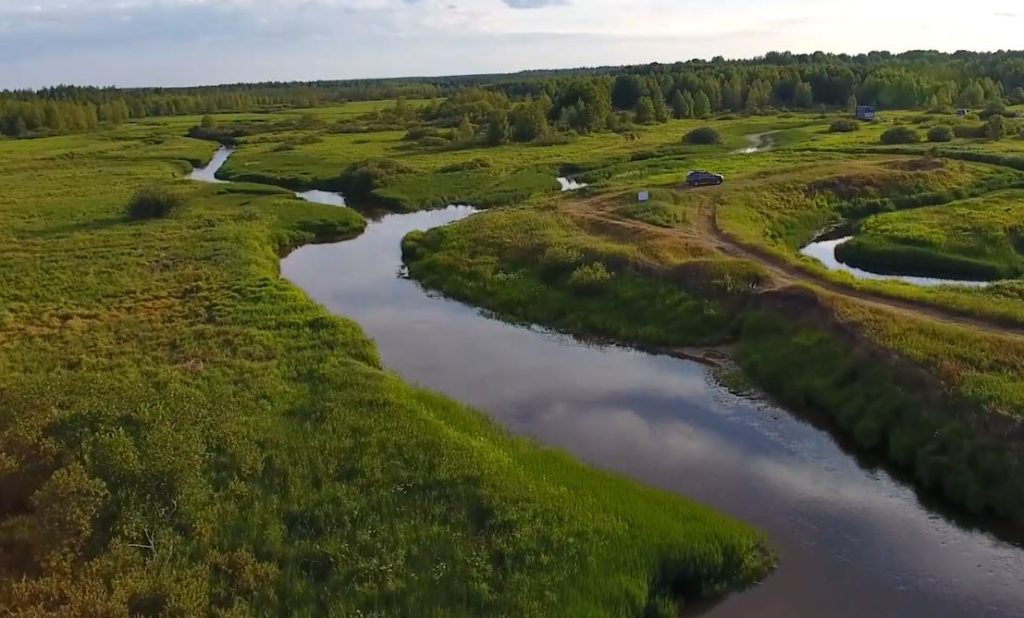
Managing Extreme Weather: Lessons From Around The World
A practical guide to how farmers from around the world deal with water scarcity. Changing weather patterns are affecting farmers in Scotland. Extreme weather events are becoming more common, with storms damaging infrastructure, high rainfall causing flooding and periods of low rainfall causing drought. However, what may be extreme weather to us is normal to…
Funding to Support Climate Change Mitigation and Adaptation on Farm
Farmers and crofters across Scotland are facing increasingly variable weather, from prolonged dry spells to periods of heavy rainfall. Building resilience to these weather challenges, while reducing emissions and improving environmental performance, is becoming an essential part of running a productive and sustainable business. The Farm Advisory Service (FAS) offers specialist advice that provides practical,…
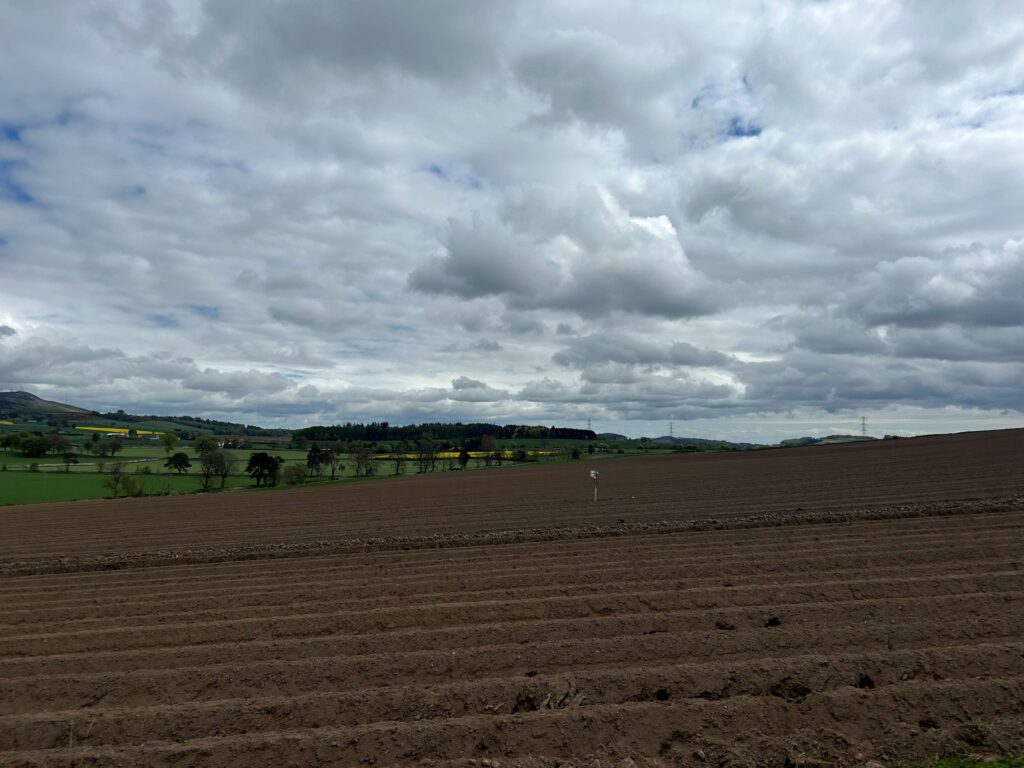
Soil Moisture Monitoring: Technology for Modern Irrigation Management
This document gives an overview of soil moisture monitoring technologies for farmers and growers. This isn’t a complete review. This field is growing fast, with new products and methods showing up all the time. Instead, it offers a practical look at the main options and key factors to think about when deciding what may suit…
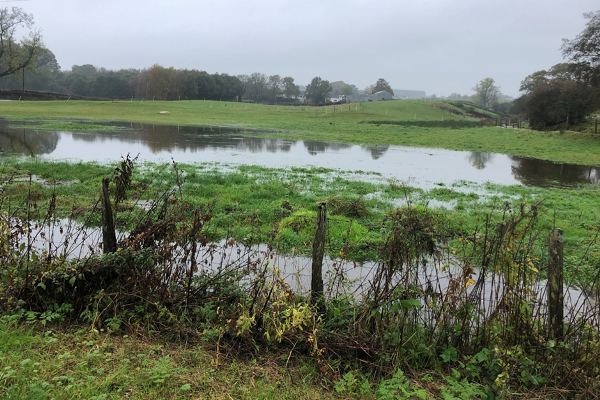
Working with Wet Weather
It’s predicted that our winters are going to become warmer and wetter, with an increased risk of ‘extreme weather events’. With winter upon us, now could be a good time to take a look at how prepared your farm business is for wetter conditions, and if there is anything else you could do to minimise…
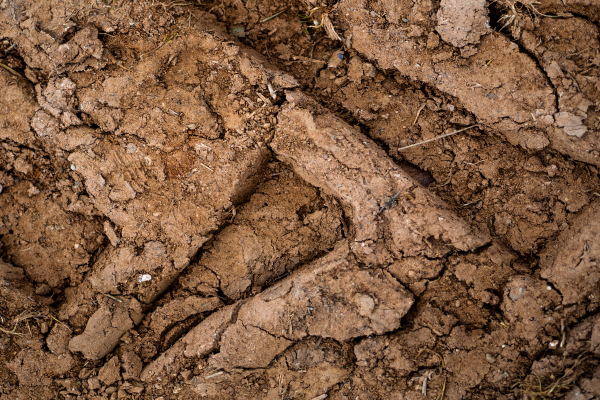
Farming in water scarcity
Historically Scotland has experienced wetter autumns and winters followed by drier spring and summers. However, we are observing changes in weather patterns year on year, with more singular extreme weather events, to longer periods of dry events over winter, and extended wetter periods throughout the summer. Predictions are showing that from now to 2049 we…

Agribusiness News April 2025 – Nature Based Solutions In A Chaotic Climate
What’s coming ahead? We are living in a rapidly warming and chaotic climate, with cascading and simultaneous effects of drought, flooding and extreme weather events across Scotland. Climate models predict by 2100, There may be an east : west divide in Scotland, where the west and west coast will experience higher frequency of extreme rainfall…
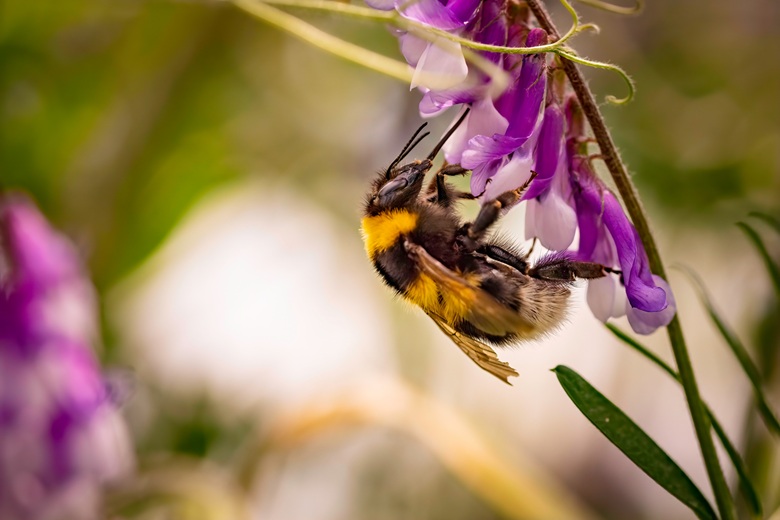
Agribusiness News April 2025 – Pollinator’s Value To Scottish Agriculture
Insect pollinators: their value to Scottish agriculture Flowering crops are alive with a diversity of insects including hoverflies, bees, beetles and butterflies. These beasties are hard at work collecting nectar and pollen, and in return, they provide a crucial pollination service. They transfer pollen between flowers, contributing to the production of fruits, seeds, and vegetables. …
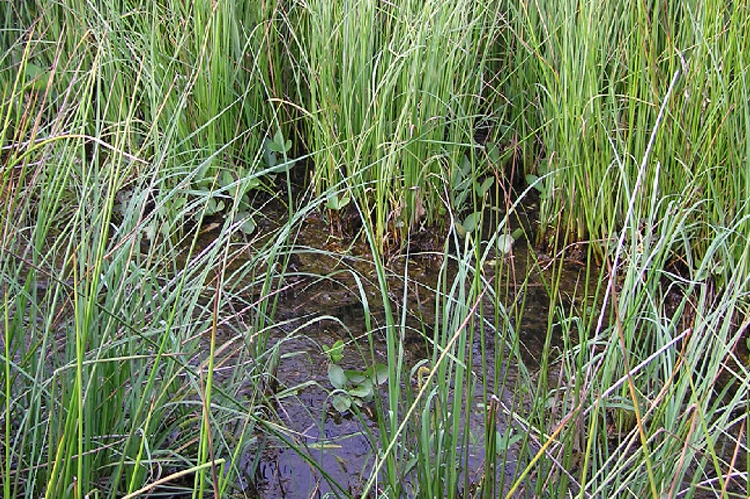
Farming in a rapidly changing and chaotic climate
Lower yields, earlier harvest dates, crop establishment difficulties and higher cost for additional supplementary livestock feed are some of the impacts affecting the farming community as a result of climate change. In this article, we explore the latest research on climate risks faced by the sector and discuss how nature-based solutions, such as natural flood…
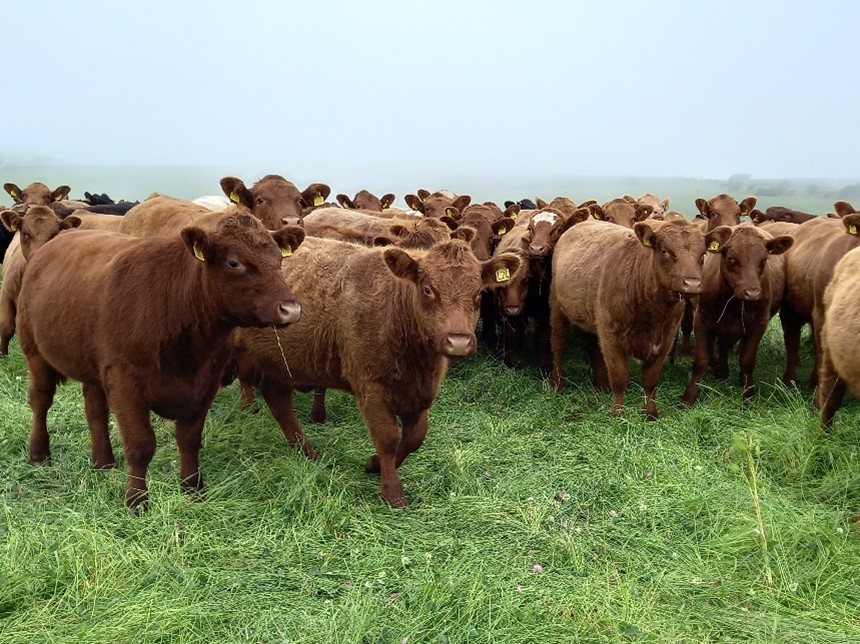
Sustainable Beef Systems – Cows and Carbon Factsheet
There is significant risk to the sustainability and profitability of farm businesses if the impacts of climate change are not tackled. Scotland has already experienced extreme weather events including record-breaking temperatures and drought with significant water scarcity in 2023. It is anticipated that by 2050 extreme weather events in Scotland will be more common, and…
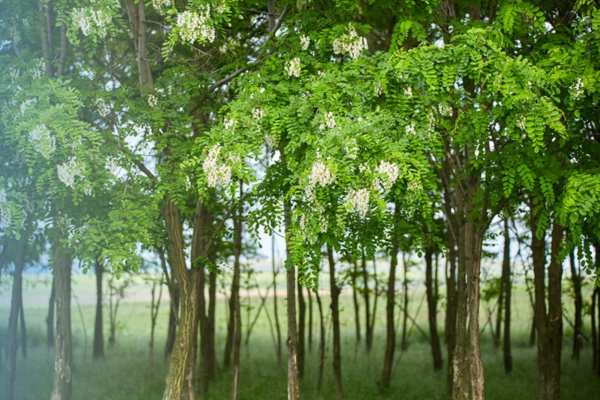
Agribusiness News October 2024 – Sector Focus: Biomass
UK Biomass Challenges and Opportunities Utilising biomass as a source of renewable energy for heat, power and transport is seen as a crucial component of the UK’s transition to net zero. A Government Report published in 2024 highlighted that 11% of UK electricity was generated from biomass in 2022, and 6.4% of heat was generated…