
Water Management
Natural Capital – Tweed Forum
We’re joined by Derek Robeson from the Tweed Forum to explore their catchment-scale action across the River Tweed and the surrounding landscape and communities. We discuss their various projects including Eddleston Water and Destination Tweed and cover topics including natural flood management, working with landowners and economic drivers, to showcase what it takes to turn…
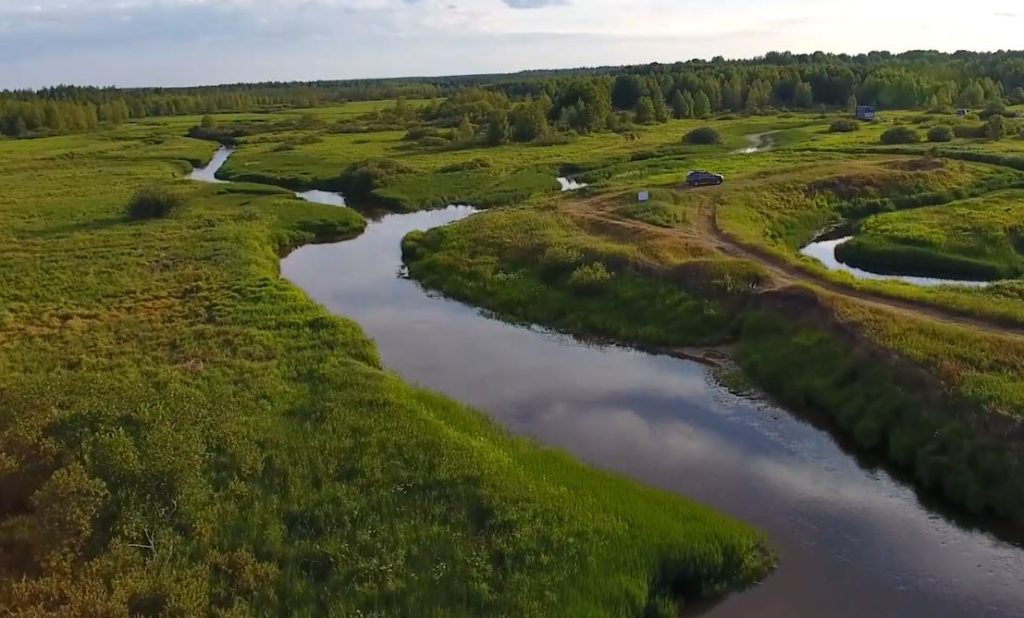
Managing Extreme Weather: Lessons From Around The World
A practical guide to how farmers from around the world deal with water scarcity. Changing weather patterns are affecting farmers in Scotland. Extreme weather events are becoming more common, with storms damaging infrastructure, high rainfall causing flooding and periods of low rainfall causing drought. However, what may be extreme weather to us is normal to…
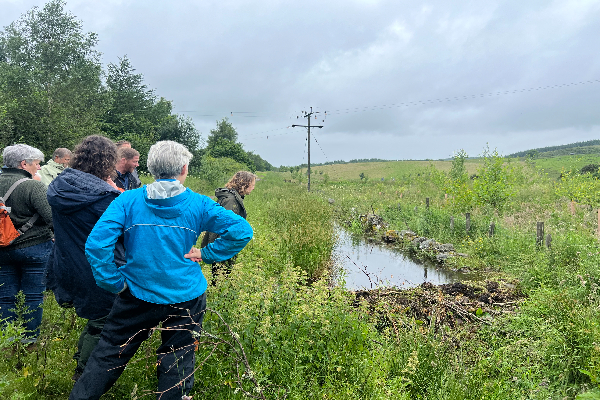
Working Together Across a Catchment: The Upper Forth Farmer and Land Manager Network
Across Scotland, farmers, crofters and land managers are increasingly working together in groups organised around shared river catchments. Usually convened by a rivers trust or catchment partnership, each group has a facilitator who organises farm walks, shares knowledge between members, and helps them access funding. This case study looks at one such group: the Upper…
Natural Capital – CREW Natural Capital and River Basin Management Planning
In this episode, we are joined by Lorna Cole, Louise Bond and Alistair McVittie to discuss their collaboration on the newly published CREW report; Natural Capital and River Basin Management Planning, and what its findings could mean for the future of Scotland’s water environment and land use. We explore the report’s recommendations, including taking a…
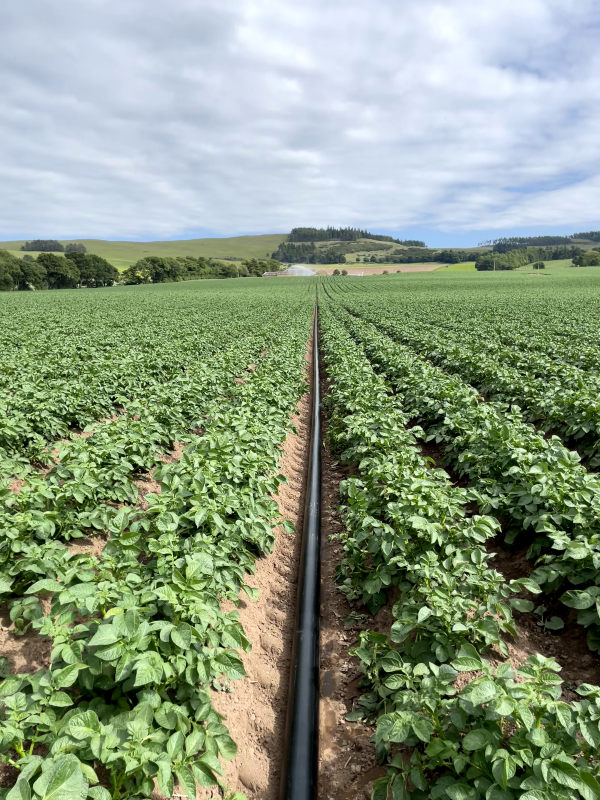
Planning for Water Scarcity – New Practical Guide for Farmers and Growers in Scotland
Scotland’s climate is changing, with predictions showing that spring and summer months will be drier, with wetter autumn and winters throughout the country [1]. With a changing climate we need to prepare and mitigate the associated risk. But what are the implications for the agricultural sector? One of them is water scarcity, a term that…
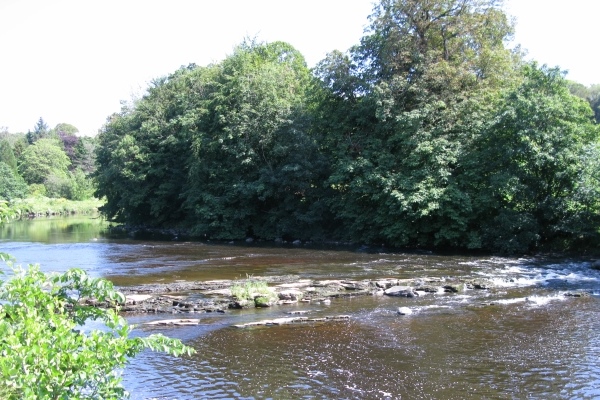
EASR Explained: Updated Rules For Farmers Drawing Water From Rivers And Burns
November 2025 saw the introduction of the Environmental Authorisations (Scotland) Regulations (EASR). This new regulatory framework amends or replaces several pieces of legislation governing waste management, water, industrial activities and radioactive substances. The changes were introduced to streamline how different sectors were regulated, simplifying compliance, enhancing environmental protection, and supporting sustainable resource use across all…
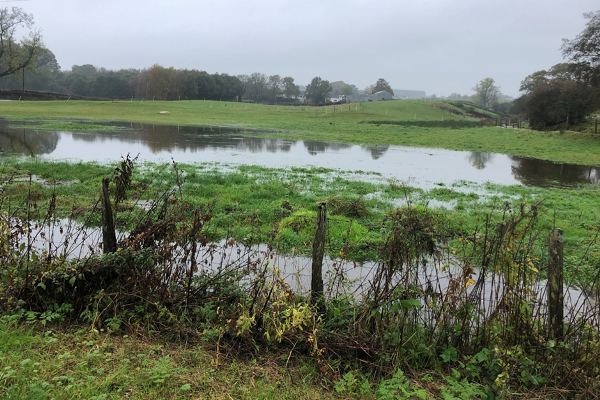
Working with Wet Weather
It’s predicted that our winters are going to become warmer and wetter, with an increased risk of ‘extreme weather events’. With winter upon us, now could be a good time to take a look at how prepared your farm business is for wetter conditions, and if there is anything else you could do to minimise…
Funding for Water Management – Plan Ahead and Avoid Summer Stress
Water scarcity can quickly turn into a major challenge during the summer months, affecting crops, livestock, and overall farm productivity. The good news? You can take steps now to reduce the risk and stress later. Planning ahead is key. Simple actions like reviewing your water storage capacity, checking irrigation systems, and assessing alternative water sources…

River Catchment Management at Landscape-Scale
Biodiversity conservation is often more effective when implemented across larger areas than a single farm. Collaboration within farmer clusters and with other stakeholders enables farmers to implement measures to enhance biodiversity at a landscape-scale. It can also help foster a sense of community and shared responsibility for the environment. This is particularly the case within…
Funding for Water Resilience and Climate Adaptation on Farms
As experienced by many Scottish farmers and crofters this year, climate change is driving warmer and drier summers. Ensuring reliable water access will require farmers and crofters to adopt forward-looking strategies to sustain their businesses in the years ahead. The Farm Advisory Service (FAS) provides tailored one-to-one support to help land managers plan and implement…